若您需要咨询产品或有任何技术问题,请通过官方电话 400 885 9050 或邮箱 info.cn@stemcell.com 与我们联系。

EasySep™ Direct 人 PBMC 分选试剂盒

直接从全血中免疫磁珠负选不带标记的人外周血单个核细胞
只有 %1
¥7,108.00

产品号 #(选择产品)

产品号 #19654_C

直接从全血中免疫磁珠负选不带标记的人外周血单个核细胞

产品优势

  • 9%的红细胞去除率,无需密度梯度离心、沉降或裂解
  • 操作简单、快捷,且无需分离柱
  • 分选得到的细胞不带标记

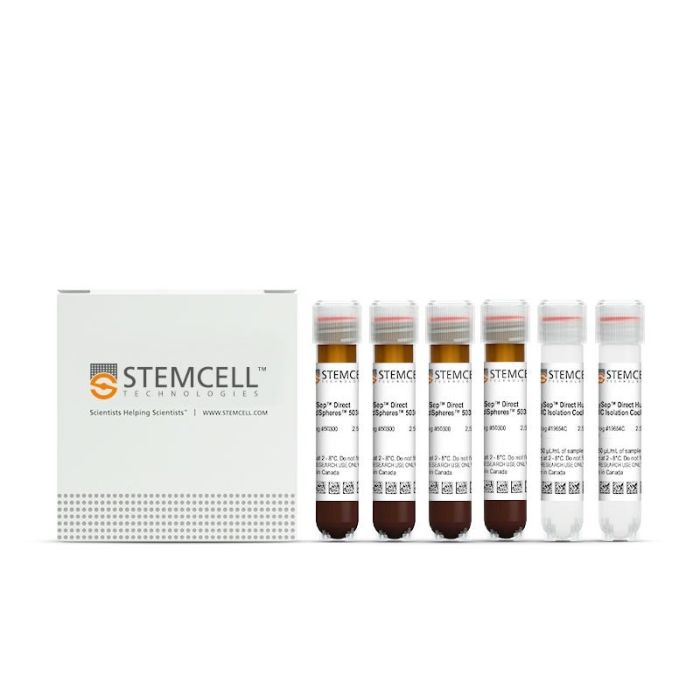
产品组分包括

  • EasySep™ Direct 人 PBMC 分选试剂盒(产品号 #19654)
    • EasySep™ Direct 人 PBMC 分选抗体混合物,2 x 2.5 mL
    • EasySep™ Direct RapidSpheres™ 磁珠,4 x 2.5 mL
  • RoboSep™ Direct 人 PBMC分选试剂盒(产品号 #19654RF)
    • EasySep™ Direct 人 PBMC 分选抗体混合物,2 x 2.5 mL
    • EasySep™ Direct RapidSpheres™ 磁珠,4 x 2.5 mL
    • RoboSep™ 缓冲液(产品号 #20104)
    • RoboSep™ 过滤吸头(产品号 #20125)

总览

使用EasySep™ Direct人PBMC分选试剂盒,可通过免疫磁珠负选技术简便高效地从新鲜全血、buffy coat、骨髓、脐带血或白细胞单采术样本中获得高纯度的人外周血单个核细胞(PBMCs)。EasySep™技术结合单克隆抗体的特异性和无柱磁分选系统的简便性,已在发表的研究中广泛应用超过20年。

在该EasySep™负选流程中,非目的细胞会被抗体复合物和 EasySep™ Direct RapidSpheres™ 磁珠标记。以下非目的细胞将被清除:粒细胞、血小板和红细胞。使用EasySep™磁极吸附后,通过简单地将目的细胞倾倒或吸取至一个新的试管中,即可将被磁珠标记的细胞与不带标记的目的细胞分离。完成磁珠分选后,目的PBMCs 可立即用于流式细胞术、培养或DNA/RNA提取等下游应用。

进一步了解EasySep™免疫磁珠技术的工作原理,或如何通过RoboSep™实现全自动化免疫磁珠细胞分选以节省时间并提升实验室通量。探索更多为您的实验流程优化的产品,包括细胞鉴定、冻存等相关产品。

磁极兼容性
• EasySep™磁极(产品号 #18000)
• “The Big Easy” EasySep™磁极(产品号 #18001)
• EasyEights™ EasySep™磁极(产品号 #18103)
• Easy 50 EasySep™磁极(产品号 #18002)
 
分类
细胞分选试剂盒
 
细胞类型
B 细胞,淋巴细胞,单核细胞,单个核细胞,NK 细胞,T 细胞
 
种属

 
样本来源
骨髓、白膜层、脐带血、白细胞单采术样本、全血
 
分选方法
负选
 
品牌
EasySep,RoboSep
 
研究领域
药物发现和毒性检测,免疫学
 

实验数据

Typical EasySep™ Direct Protocol

Figure 1. Typical EasySep™ Direct Protocol

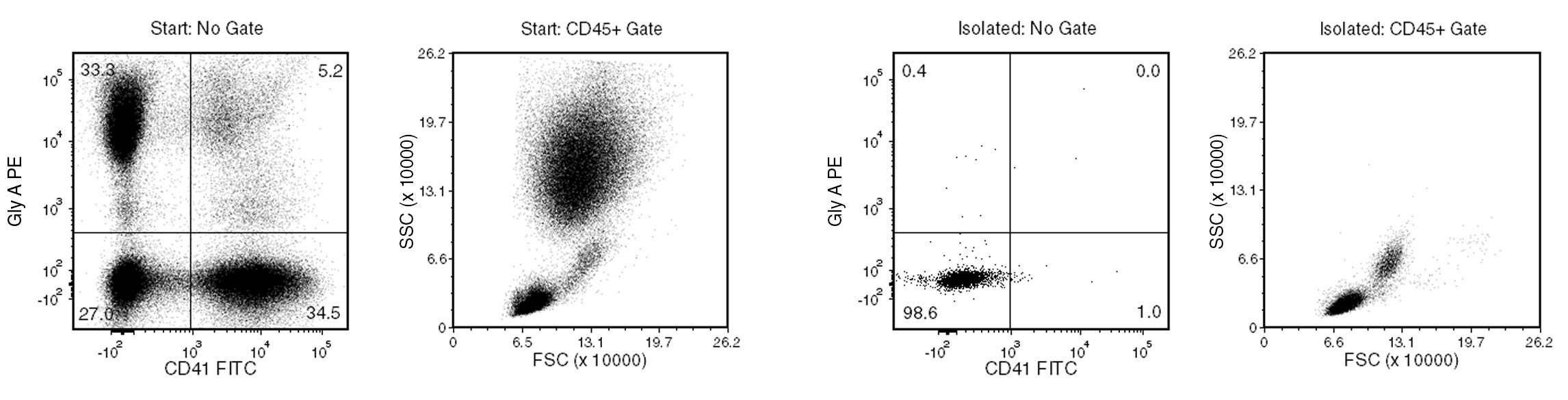
Typical EasySep™ Direct Human PBMC Isolation Profile

Figure 2. Typical EasySep™ Direct Human PBMC Isolation Profile

In the above example, the mononuclear cell content of the whole blood start sample (lysed by ammonium chloride) and non-lysed final isolated fraction is 27.0% and 98.6% (not gated on CD45), respectively.

Representative Flow Cytometry Plots

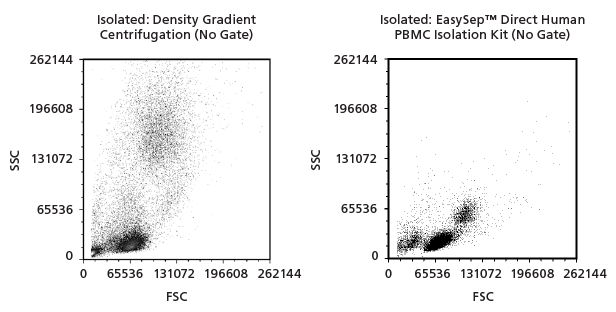
Figure 3. Representative Flow Cytometry Plots

Representative Forward Scatter (FSC) vs. Side Scatter (SSC) flow cytometry plots of mononuclear cells isolated from whole blood samples using either density gradient centrifugation or EasySep™ Direct Human PBMC Isolation Kit.

Representative t-SNE plots of Isolated PBMCs

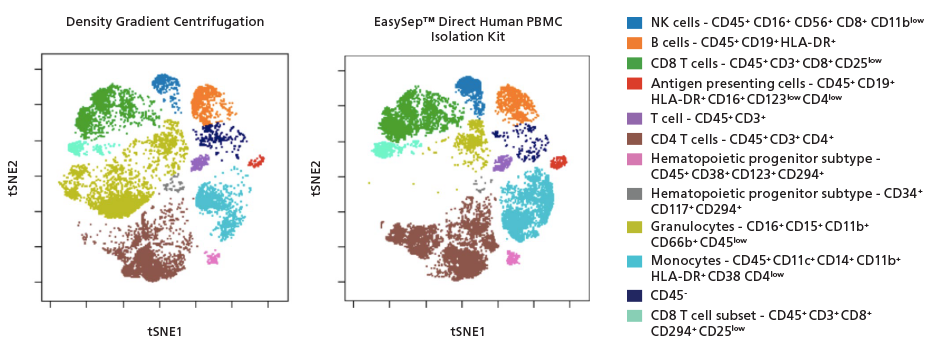
Figure 4. Representative t-SNE plots of Isolated PBMCs

Representative t-SNE plots of PBMCs stained with 19 markers and analyzed with mass cytometry (CyTOF). Cells are clustered and colored based on the combination of markers they express. Both density gradient centrifugation and EasySep™ Direct Human PBMC Isolation Kit resulted in comparable cell populations with the exception of the contaminating granulocyte population (CD16+CD15+CD11b+CD66b+ CD45low).

EasySep™ Direct Human PBMC Isolation Kit Results in Fewer Contaminating Cells Compared to Density Gradient Centrifugation

Figure 5. EasySep™ Direct Human PBMC Isolation Kit Results in Fewer Contaminating Cells Compared to Density Gradient Centrifugation

Mononuclear cells were isolated from whole blood samples using either density gradient centrifugation or EasySep™ Direct Human PBMC Isolation Kit. Cells were counted and analyzed by flow cytometry. (A) Both density gradient centrifugation and EasySep™ Direct Human PBMC Isolation Kit resulted in an equivalent total number of nucleated cells recovered from 24-hour blood samples (mean ± SD; n=14). (B) Using EasySep™ Direct Human PBMC Isolation Kit to obtain mononuclear cells from 24-hour old blood samples resulted in lower numbers of residual platelets (CD41+), red blood cells (Glycophorin A+/CD45-), and granulocytes (CD66b+) compared to density gradient centrifugation (mean ± SD; n=15). (C) Cell isolation from 24-hour, 48-hour, 72-hour and 96-hour old blood samples using EasySep™ Direct Human PBMC Isolation Kit resulted in lower numbers of residual granulocytes compared to cell isolation using density gradient centrifugation (mean ± SD; n=3).

PBMCs Isolated with EasySep™ Direct Human PBMC Isolation Kit Proliferate and Maintain High RNA Integrity

Figure 6. PBMCs Isolated with EasySep™ Direct Human PBMC Isolation Kit Proliferate and Maintain High RNA Integrity

Mononuclear cells were isolated from whole blood samples using either density gradient centrifugation or EasySep™ Direct Human PBMC Isolation Kit. (A) Isolated mononuclear cells were used for downstream RNA isolation. There was no significant difference in RNA integrity as measured with the Agilent RNA Bioanalyzer (mean ± SEM, n=3). (B) Isolated mononuclear cells were labeled with Proliferation Dye eFluor 450 and stimulated with ImmunoCult™ Human CD3/CD28 T Cell Activator and 0.5ng/ml IL-2. After 4 days in culture, cells were analyzed for proliferation by flow cytometry. Representative histogram showing dividing cells (eFluor 450low).

PBMC Isolation from a Full-Size Leukapheresis Pack Using the EasySep™ Direct Human PBMC Isolation Kit Automated with RoboSep™-S Results in Fewer Contaminating Cells Compared to Density Gradient Centrifugation

Figure 7. PBMC Isolation from a Full-Size Leukapheresis Pack Using the EasySep™ Direct Human PBMC Isolation Kit Automated with RoboSep™-S Results in Fewer Contaminating Cells Compared to Density Gradient Centrifugation

Mononuclear cells were isolated from single concentrated leukapheresis packs using either density gradient centrifugation with Lymphoprep™ density gradient medium (Density Gradient Centrifugation) or EasySep™ Direct Human PBMC Isolation Kit automated on the RoboSep™-S instrument (EasySep™ Direct on RoboSep™-S). Cells were counted and analyzed by flow cytometry. Compared to density gradient centrifugation, EasySep™ Direct Human PBMC Isolation Kit automated on the RoboSep™-S instrument resulted in (A) equivalent numbers of total mononuclear cells, (B) equivalent numbers of total monocytes and lymphocytes and (C) lower numbers of residual platelets (CD41+), red blood cells (Glycophorin A+ /CD45− ), and granulocytes (CD66b+ ) (mean ± SD n=6).

Easy 250 EasySep™ Magnet Can Be Used to Isolate Mononuclear Cells from Whole Blood and Leukopak Samples of Up to 125 mL

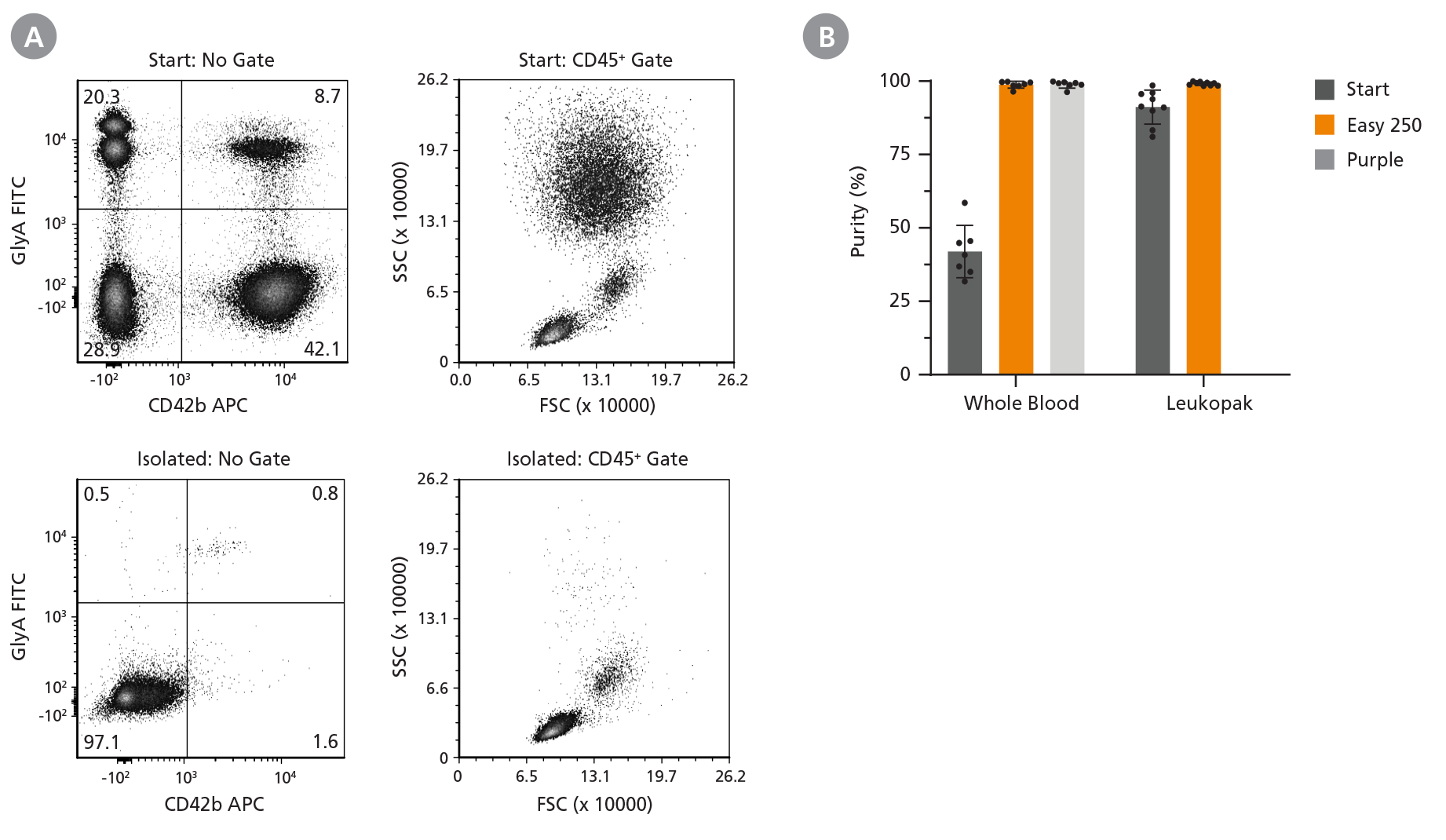
Figure 8. Easy 250 EasySep™ Magnet Can Be Used to Isolate Mononuclear Cells from Whole Blood and Leukopak Samples of Up to 125 mL

Mononuclear cells (MNCs) were isolated using the EasySep™ Direct Human PBMC Isolation Kit (Catalog #19654) from large whole blood samples (25 - 125 mL) or unprocessed leukopaks (25 - 125 mL) with the Easy 250 EasySep™ Magnet (Easy 250; Catalog #100-0821) and from small samples (1 mL whole blood) with the EasySep™ Magnet (Purple; Catalog #18000). (A) Representative flow cytometry plots show the MNC fraction (Glycophorin A- CD42b-). In the above example, the mononuclear cell content of the whole blood start sample (lysed by ammonium chloride) and non-lysed final isolated fraction is 28.9% and 97.1% (not gated on CD45), respectively. (B) Cell purity was measured before (Start) and after isolation (Easy 250, Purple) based on viable cells. Cells were counted and analyzed by flow cytometry. Data shown as mean ± SD; n = 7 - 9.

EasySep™ Direct Human PBMC Isolation Kit Reduces Platelet Contamination More Efficiently Than Column-Based Methods

Figure 9. EasySep™ Direct Human PBMC Isolation Kit Reduces Platelet Contamination More Efficiently Than Column-Based Methods

Peripheral blood mononuclear cells (PBMCs) were isolated from 24-hour-old whole blood samples using either the EasySep™ Direct Human PBMC Isolation Kit or alternative, column-based kits. Flow cytometry analysis demonstrated that PBMCs isolated with the EasySep™ kit contained significantly fewer contaminating platelets (CD42b+), while levels of residual red blood cells (Glycophorin A+/CD45-) and granulocytes (CD66b+) were comparable between methods. Data are presented as mean ± SD (n ≥ 3 per condition).

EasySep™ Direct PBMC Isolation Kit Achieves Higher Recovery and Purity of Mononuclear Cells Compared to Column-Based Kits

Figure 10. EasySep™ Direct PBMC Isolation Kit Achieves Higher Recovery and Purity of Mononuclear Cells Compared to Column-Based Kits

PBMCs were isolated from 24-hour-old whole blood samples using the EasySep™ Direct Human PBMC Isolation Kit and two column-based kits designed for PBMC isolation from whole blood. Isolated cells were labeled with anti-CD45 antibodies and analyzed by flow cytometry. Cell purity was assessed by the proportion of CD45+ events among total recorded events (serving as an indicator of debris), and total recovery was quantified across isolation methods. The EasySep™ Direct PBMC Isolation Kit yielded higher purity PBMCs than both Column-Based Kits A and B. It also recovered a greater number of CD45+ mononuclear cells compared to Column-Based Kit A, with a comparable recovery to Column-Based Kit B. Data are presented as mean ± SD (n ≥ 3 per condition).

产品说明书及文档

请在《产品说明书》中查找相关支持信息和使用说明,或浏览下方更多实验方案。

Document Type
Product Name
Catalog #
Lot #
Language
Catalog #
19654RF
Lot #
All
Language
中文
Catalog #
19654RF
Lot #
All
Language
中文
Catalog #
19654RF
Lot #
All
Language
中文
Catalog #
19654RF
Lot #
All
Language
中文
Catalog #
19654RF
Lot #
All
Language
中文
Catalog #
19654
Lot #
All
Language
中文
Catalog #
19654
Lot #
All
Language
中文
Catalog #
19654
Lot #
All
Language
中文
Catalog #
19654
Lot #
All
Language
中文
Catalog #
19654
Lot #
All
Language
中文
Catalog #
19654RF
Lot #
All
Language
English
Catalog #
19654RF
Lot #
All
Language
English
Catalog #
19654RF
Lot #
All
Language
English
Catalog #
19654RF
Lot #
All
Language
English
Catalog #
19654RF
Lot #
All
Language
English
Catalog #
19654RF
Lot #
All
Language
English
Catalog #
19654
Lot #
All
Language
English
Catalog #
19654
Lot #
All
Language
English
Catalog #
19654
Lot #
All
Language
English
Catalog #
19654
Lot #
All
Language
English
Catalog #
19654
Lot #
All
Language
English
Catalog #
19654
Lot #
All
Language
English
Document Type
Safety Data Sheet 1
Catalog #
19654RF
Lot #
All
Language
English
Document Type
Safety Data Sheet 2
Catalog #
19654RF
Lot #
All
Language
English
Document Type
Safety Data Sheet 3
Catalog #
19654RF
Lot #
All
Language
English
Document Type
Safety Data Sheet 1
Catalog #
19654
Lot #
All
Language
English
Document Type
Safety Data Sheet 2
Catalog #
19654
Lot #
All
Language
English

相关材料与文献

技术资料 (20)

文献 (11)

HIV Protease Inhibitor-Induced Cathepsin Modulation Alters Antigen Processing and Cross-Presentation. Kourjian G et al. Journal of Immunology 2016 MAY

Abstract

Immune recognition by T cells relies on the presentation of pathogen-derived peptides by infected cells,but the persistence of chronic infections calls for new approaches to modulate immune recognition. Ag cross-presentation,the process by which pathogen Ags are internalized,degraded,and presented by MHC class I,is crucial to prime CD8 T cell responses. The original degradation of Ags is performed by pH-dependent endolysosomal cathepsins. In this article,we show that HIV protease inhibitors (PIs) prescribed to HIV-infected persons variably modulate cathepsin activities in human APCs,dendritic cells and macrophages,and CD4 T cells,three cell subsets infected by HIV. Two HIV PIs acted in two complementary ways on cathepsin hydrolytic activities: directly on cathepsins and indirectly on their regulators by inhibiting Akt kinase activities,reducing NADPH oxidase 2 activation,and lowering phagolysosomal reactive oxygen species production and pH,which led to enhanced cathepsin activities. HIV PIs modified endolysosomal degradation and epitope production of proteins from HIV and other pathogens in a sequence-dependent manner. They altered cross-presentation of Ags by dendritic cells to epitope-specific T cells and T cell-mediated killing. HIV PI-induced modulation of Ag processing partly changed the MHC self-peptidome displayed by primary human cells. This first identification,to our knowledge,of prescription drugs modifying the regulation of cathepsin activities and the MHC-peptidome may provide an alternate therapeutic approach to modulate immune recognition in immune disease beyond HIV.
SARS-CoV-2-specific humoral and cell-mediated immune responses after immunization with inactivated COVID-19 vaccine in kidney transplant recipients (CVIM 1 study). J. Bruminhent et al. American journal of transplantation : official journal of the American Society of Transplantation and the American Society of Transplant Surgeons 2022 mar

Abstract

Immunogenicity following inactivated SARS-CoV-2 vaccination among solid organ transplant recipients has not been assessed. Seventy-five patients (37 kidney transplant [KT] recipients and 38 healthy controls) received two doses,at 4-week intervals,of an inactivated whole-virus SARS-CoV-2 vaccine. SARS-CoV-2-specific humoral (HMI) and cell-mediated immunity (CMI) were measured before,4 weeks post-first dose,and 2 weeks post-second dose. The median (IQR) age of KT recipients was 50 (42-54) years and 89% were receiving calcineurin inhibitors/mycophenolate/corticosteroid regimens. The median (IQR) time since transplant was 4.5 (2-9.5) years. Among 35 KT patients,the median (IQR) of anti-RBD IgG level measured by CLIA after vaccination was not different from baseline,but was significantly lower than in controls (2.4 [1.1-3.7] vs. 1742.0 [747.7-3783.0] AU/ml,p < .01) as well as percentages of neutralizing antibody inhibition measured by surrogate viral neutralization test (0 [0-0] vs. 71.2 [56.8-92.2]%,p < .01). However,the median (IQR) of SARS-CoV-2 mixed peptides-specific T cell responses measured by ELISpot was significantly increased compared with baseline (30 [4-120] vs. 12 [0-56] T cells/106  PBMCs,p = .02) and not different from the controls. Our findings revealed weak HMI but comparable CMI responses in fully vaccinated KT recipients receiving inactivated SARS-CoV-2 vaccination compared to immunocompetent individuals (Thai Clinical Trials Registry,TCTR20210226002).
Pharmacological Inhibition of MALT1 Ameliorates Autoimmune Pathogenesis and Can Be Uncoupled From Effects on Regulatory T-Cells. S. Biswas et al. Frontiers in immunology 2022

Abstract

MALT1 forms part of a central signaling node downstream of immunoreceptor tyrosine-based activation motif (ITAM)-containing receptors,across a broad range of immune cell subsets,and regulates NF-$\kappa$B driven transcriptional responses via dual scaffolding-protease activity. Allosteric inhibition of MALT1 activity has demonstrated benefit in animal models of inflammation. However,development of MALT1 inhibitors to treat autoimmune and inflammatory diseases (A&ID) has been hindered by reports linking MALT1 inhibition and genetic loss-of-function to reductions in regulatory T-cell (Treg) numbers and development of auto-inflammatory syndromes. Using an allosteric MALT1 inhibitor,we investigated the consequence of pharmacological inhibition of MALT1 on proinflammatory cells compared to regulatory T-cells. Consistent with its known role in ITAM-driven responses,MALT1 inhibition suppressed proinflammatory cytokine production from activated human T-cells and monocyte-derived macrophages,and attenuated B-cell proliferation. Oral administration of a MALT1 inhibitor reduced disease severity and synovial cytokine production in a rat collagen-induced arthritis model. Interestingly,reduction in splenic Treg numbers was less pronounced in the context of inflammation compared with na{\{i}}ve animals. Additionally in the context of the disease model we observed an uncoupling of anti-inflammatory effects of MALT1 inhibition from Treg reduction with lower systemic concentrations of inhibitor needed to reduce disease severity compared to that required to reduce Treg numbers. MALT1 inhibition did not affect suppressive function of human Tregs in vitro. These data indicate that anti-inflammatory efficacy can be achieved with MALT1 inhibition without impacting the number or function of Tregs further supporting the potential of MALT1 inhibition in the treatment of autoimmune disease."

更多信息

更多信息
物种
Magnet Compatibility • EasySep™ Magnet (Catalog #18000) • “The Big Easy” EasySep™ Magnet (Catalog #18001) • EasyEights™ EasySep™ Magnet (Catalog #18103) • Easy 50 EasySep™ Magnet (Catalog #18002)
样本来源 全血, 白细胞单采术样本, 白膜层, 脐带血, 骨髓
Selection Method Negative
质量保证:

产品仅供研究使用,不用于针对人或动物的诊断或治疗。 欲获悉更多关于STEMCELL的质控信息,请访问 STEMCELL.CN/COMPLIANCE.
Copyright © 2026 by STEMCELL Technologies. All rights reserved.

在线联系