若您需要咨询产品或有任何技术问题,请通过官方电话 400 885 9050 或邮箱 info.cn@stemcell.com 与我们联系。

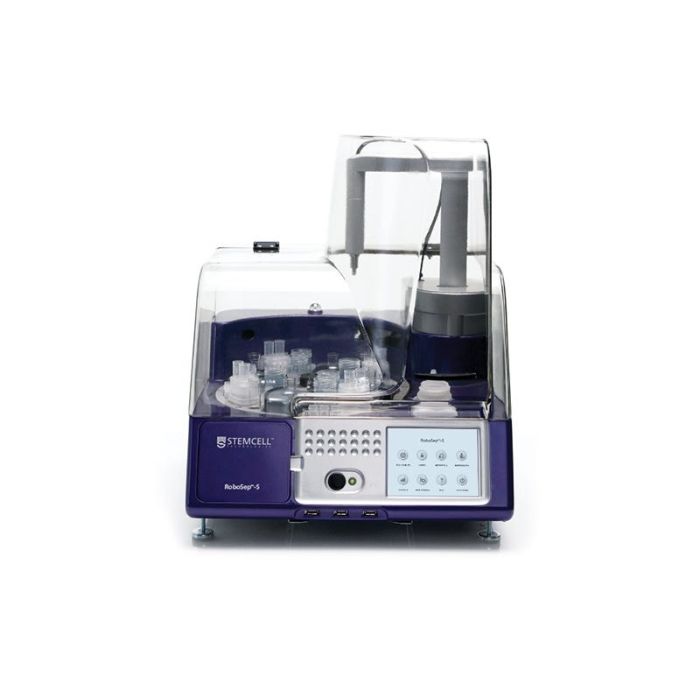
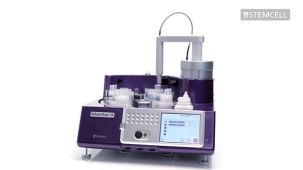
RoboSep™- S

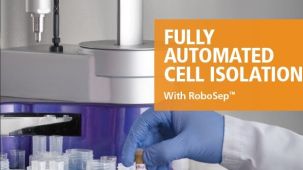
全自动细胞分选仪器
只有 %1
¥0.00

产品号 #(选择产品)

产品号 #21000_C

全自动细胞分选仪器

产品组分包括

  • RoboSep™-S基础单元(产品号 #21001)
  • “The Big Easy”EasySep™磁极(产品号 #18001)
  • RoboSep™服务机架(产品号 #20101)
  • RoboSep™试管套件(产品号 #20155)
  • U盘
  • RoboSep™用户参考手册(产品号 #29792)
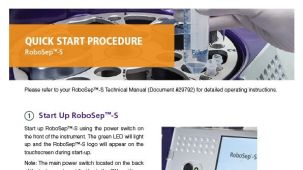
  • RoboSep™快速入门指南(产品号 #28943)
  • 1年保修(产品号 #21200)
New look, same high quality and support! You may notice that your instrument or reagent packaging looks slightly different from images displayed on the website, or from previous orders. We are updating our look but rest assured, the products themselves and how you should use them have not changed. Learn more
专为您的实验方案打造的产品
要查看实验方案所需的所有配套产品,请参阅《实验方案与技术文档》

总览

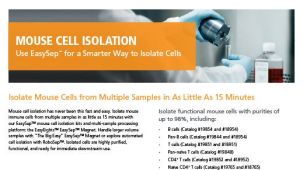
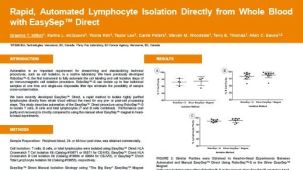
使用RoboSep™-S全自动细胞分选仪器。凭借EasySep™技术,RoboSep™-S能够完成所有必要的步骤,在进行磁珠标记后,通过阳选或阴选方式可分选出几乎任何细胞。RoboSep™-S旨在最大限度地减少样品处理量,消除交叉污染并缩短操作时间。

本仪器操作和维护所需的补充产品可单独购买,包括RoboSep™尖端抛光剂RoboSep™管套组件.

有关我们的自动细胞分选仪器的更多信息,请参阅我们的RoboSep™概述,并探索细胞分选试剂盒和配件用于RoboSep™。

提供租赁和保修服务。如需进一步信息,请与我们联系。

如需了解有关仪器服务的更多信息,包括额外的服务包和软件,请参阅我们的仪器概述页面.

包含
• RoboSep™-S 仪器(产品号 #21001)
• “The Big Easy” EasySep™ 磁极(产品号 #18001)
• RoboSep™ 辅助支架(产品号 #20101)
• RoboSep™ 试管套装(产品号 #20155)
• 优盘
• RoboSep™ 用户手册(产品号 #29792)
• RoboSep™ 快速指南(产品号 #28943)
• 1年保修(产品号 #21200)
 
应用
细胞分选
 
品牌
RoboSep
 
研究领域
嵌合体,HLA,免疫,干细胞生物学
 

产品说明书及文档

请在《产品说明书》中查找相关支持信息和使用说明,或浏览下方更多实验方案。

Document Type
Product Name
Catalog #
Lot #
Language
Product Name
RoboSep™-S
Catalog #
21000
Lot #
All
Language
English
Document Type
Technical Manual
Product Name
RoboSep™-S
Catalog #
21000
Lot #
All
Language
English

应用领域

本产品专为以下研究领域设计,适用于工作流程中的高亮阶段。探索这些工作流程,了解更多我们为各研究领域提供的其他配套产品。

Research Area
Workflow Stages

相关材料与文献

技术资料 (30)

文献 (67)

High-Specificity CRISPR-Mediated Genome Engineering in Anti-BCMA Allogeneic CAR T Cells Suppresses Allograft Rejection in Preclinical Models Cancer Immunology Research 2024 Feb

Abstract

Allogeneic CAR T–cell therapies are being developed for hematologic malignancies. The authors implement a Cas12a chRDNA platform to generate allogeneic immune-cloaked BCMA-specific CAR T cells with resistance to host response–mediated rejection for evaluation in multiple myeloma. AbstractAllogeneic chimeric antigen receptor (CAR) T cell therapies hold the potential to overcome many of the challenges associated with patient-derived (autologous) CAR T cells. Key considerations in the development of allogeneic CAR T cell therapies include prevention of graft-vs-host disease (GvHD) and suppression of allograft rejection. Here, we describe preclinical data supporting the ongoing first-in-human clinical study, the CaMMouflage trial (NCT05722418), evaluating CB-011 in patients with relapsed/refractory multiple myeloma. CB-011 is a hypoimmunogenic, allogeneic anti–B-cell maturation antigen (BCMA) CAR T cell therapy candidate. CB-011 cells feature 4 genomic alterations and were engineered from healthy donor–derived T cells using a Cas12a CRISPR hybrid RNA–DNA (chRDNA) genome-editing technology platform. To address allograft rejection, CAR T cells were engineered to prevent endogenous HLA class I complex expression and overexpress a single-chain polyprotein complex composed of beta-2 microglobulin (B2M) tethered to HLA-E. In addition, T-cell receptor (TCR) expression was disrupted at the TCR alpha constant locus in combination with the site-specific insertion of a humanized BCMA-specific CAR. CB-011 cells exhibited robust plasmablast cytotoxicity in vitro in a mixed lymphocyte reaction in cell cocultures derived from patients with multiple myeloma. In addition, CB-011 cells demonstrated suppressed recognition by and cytotoxicity from HLA-mismatched T cells. CB-011 cells were protected from natural killer cell–mediated cytotoxicity in vitro and in vivo due to endogenous promoter-driven expression of B2M–HLA-E. Potent antitumor efficacy, when combined with an immune-cloaking armoring strategy to dampen allograft rejection, offers optimized therapeutic potential in multiple myeloma. See related Spotlight by Caimi and Melenhorst, p. 385
Genomic insights into pediatric intestinal inflammatory and eosinophilic disorders using single-cell RNA-sequencing Frontiers in Immunology 2024 Aug

Abstract

IntroductionChronic inflammation of the gastrointestinal tissues underlies gastrointestinal inflammatory disorders, leading to tissue damage and a constellation of painful and debilitating symptoms. These disorders include inflammatory bowel diseases (Crohn’s disease and ulcerative colitis), and eosinophilic disorders (eosinophilic esophagitis and eosinophilic duodenitis). Gastrointestinal inflammatory disorders can often present with overlapping symptoms necessitating the use of invasive procedures to give an accurate diagnosis.MethodsThis study used peripheral blood mononuclear cells from individuals with Crohn’s disease, ulcerative colitis, eosinophilic esophagitis, and eosinophilic duodenitis to better understand the alterations to the transcriptome of individuals with these diseases and identify potential markers of active inflammation within the peripheral blood of patients that may be useful in diagnosis. Single-cell RNA-sequencing was performed on peripheral blood mononuclear cells isolated from the blood samples of pediatric patients diagnosed with gastrointestinal disorders, including Crohn’s disease, ulcerative colitis, eosinophilic esophagitis, eosinophilic duodenitis, and controls with histologically healthy gastrointestinal tracts.ResultsWe identified 730 (FDR < 0.05) differentially expressed genes between individuals with gastrointestinal disorders and controls across eight immune cell types.DiscussionThere were common patterns among GI disorders, such as the widespread upregulation of MTRNR2L8 across cell types, and many differentially expressed genes showed distinct patterns of dysregulation among the different gastrointestinal diseases compared to controls, including upregulation of XIST across cell types among individuals with ulcerative colitis and upregulation of Th2-associated genes in eosinophilic disorders. These findings indicate both overlapping and distinct alterations to the transcriptome of individuals with gastrointestinal disorders compared to controls, which provide insight as to which genes may be useful as markers for disease in the peripheral blood of patients.
Cardiovascular risk factors: The effects of ageing and smoking on the immune system, an observational clinical study. H. W. Grievink et al. Frontiers in immunology 2022

Abstract

Currently immunomodulatory compounds are under investigation for use in patients with cardiovascular disease, caused by atherosclerosis. These trials, using recurrent cardiovascular events as endpoint, require enrollment of large patient groups. We investigated the effect of key risk factors for atherosclerosis development, ageing and smoking, on the immune system, with the objective to identify biomarkers differentiating between human populations, and potentially serving as endpoints for future phase 1B trials with immunomodulatory compounds. Blood was collected from young healthy volunteers (aged 18-25 years, n=30), young smokers (18-25 years, n=20), elderly healthy volunteers (>60 years, n=20), heavy smokers (>45 years, 15 packyears, n=11) and patients with stable coronary artery disease (CAD) (>60 years, n=27). Circulating immune cell subsets were characterized by flow cytometry, and collected plasma was evaluated by proteomics (Olink). Clear ageing effects were observed, mostly illustrated by a lower level in CD8+ and na{\{i}}ve CD4+ and CD8+ T cells with an increase in CD4+ and CD8+ effector memory T cells in elderly healthy volunteers compared to young healthy volunteers. Heavy smokers showed a more inflammatory cellular phenotype especially a shift in Th1/Th2 ratio: higher Th1 and lower Th2 percentages compared to young healthy volunteers. A significant decrease in circulating atheroprotective oxLDL-specific IgM was found in patients with CAD compared to young healthy volunteers. Elevated pro-inflammatory and chemotactic proteins TREM1 and CCL11 were observed in elderly volunteers compared to young volunteers. In addition heavy smokers had an increase in pro-inflammatory cytokine IL-6 and lysosomal protein LAMP3. These data show that ageing and smoking are associated with an inflammatory immunophenotype and that heavy smokers or aged individuals may serve as potential populations for future clinical trials investigating immunomodulatory drugs targeted for cardiovascular disease."

更多信息

更多信息
Contains • RoboSep™-S Base Unit (Catalog #21001) • "The Big Easy" EasySep™ Magnets (Catalog #18001) • RoboSep™ Service Rack (Catalog #20101) • RoboSep™ Tube Kits (Catalog #20155) • USB Flash Drive • RoboSep™ User Reference Manual (Catalog #29792) • RoboSep™ Quick
质量保证:

产品仅供研究使用,不用于针对人或动物的诊断或治疗。 欲获悉更多关于STEMCELL的质控信息,请访问 STEMCELL.CN/COMPLIANCE.
Copyright © 2025 by STEMCELL Technologies. All rights reserved.

在线联系