若您需要咨询产品或有任何技术问题,请通过官方电话 400 885 9050 或邮箱 info.cn@stemcell.com 与我们联系。

EasySep™小鼠单核细胞分选试剂盒

免疫磁珠负选不带标记的小鼠单核细胞
只有 %1
¥9,146.00

产品号 #(选择产品)

产品号 #19861_C

免疫磁珠负选不带标记的小鼠单核细胞

产品优势

  • 操作简便、快速
  • 纯度高达95%
  • 无需分离柱
  • 获得不带标记的活细胞

产品组分包括

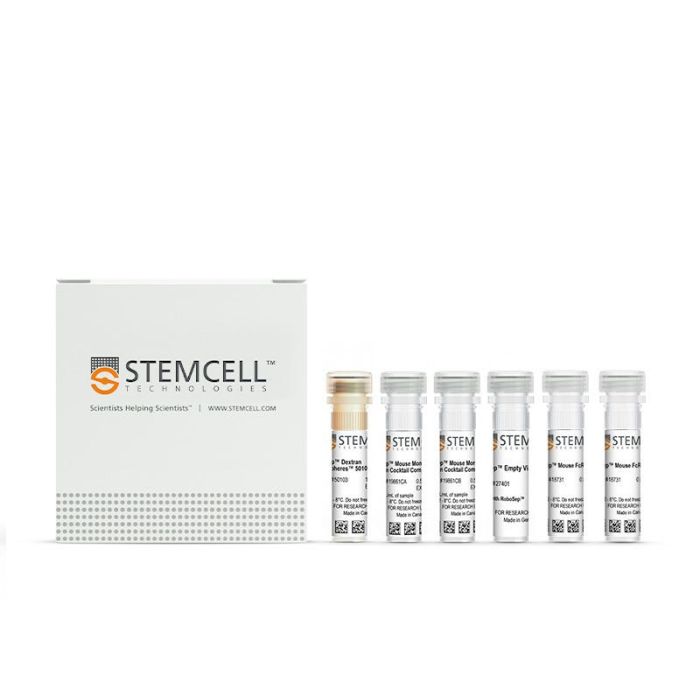
  • EasySep™小鼠单核细胞分选试剂盒(产品号 #19861)
    • EasySep™小鼠单核细胞分选抗体混合物组分A,0.5 mL
    • EasySep™小鼠单核细胞分选抗体混合物组分B,0.5 mL
    • EasySep™ Dextran RapidSpheres™ 50103 磁珠,1 mL
    • EasySep™小鼠FcR阻断剂(产品号 #18731),0.5 mL
  • RoboSep™小鼠单核细胞分选试剂盒(产品号 #19861RF)
    • EasySep™小鼠单核细胞分选抗体混合物组分A,0.5 mL
    • EasySep™小鼠单核细胞分选抗体混合物组分B,0.5 mL
    • EasySep™ Dextran RapidSpheres™ 50103 磁珠,1 mL
    • EasySep™小鼠FcR阻断剂(产品号 #18731),0.5 mL
    • RoboSep™空管
    • RoboSep™缓冲液(产品号 #20104)
    • RoboSep™过滤吸头(产品号 #20125)
专为您的实验方案打造的产品
要查看实验方案所需的所有配套产品,请参阅《实验方案与技术文档》

总览

使用EasySep™小鼠单核细胞分选试剂盒,可通过负选,轻松高效地从小鼠骨髓、脾细胞、全血或其他单细胞悬液样本中分离高纯度的小鼠单核细胞。EasySep™技术结合单克隆抗体的特异性和无柱磁珠分选系统的简便性,已在发表的研究中广泛应用超过20年。

在该EasySep™负选流程中,非目的细胞通过抗体复合物与磁珠标记。以下非目的细胞将被靶向去除:粒细胞、T细胞、B细胞、NK细胞、造血祖细胞及红系细胞。使用EasySep™磁极吸附后,通过简单地将目的细胞倾倒或吸取至一个新的试管中,即可将被磁珠标记的细胞与不带标记的目的细胞分离开来。在短至15分钟的磁珠分选后,目的单核细胞可立即用于流式细胞术、细胞培养、基于细胞的实验等下游应用。

了解更多EasySep™免疫磁珠技术的工作原理,或者如何通过RoboSep™实现全自动化免疫磁珠细胞分选。探索更多为您的实验流程优化的产品,包括培养基、添加物、抗体等。


磁极兼容性
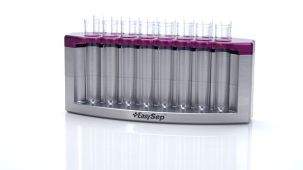
• EasySep™磁极(产品号 #18000)
• “The Big Easy” EasySep™磁极(产品号 #18001)
• EasyPlate™ EasySep™磁极(产品号 #18102)
• EasyEights™ EasySep™磁极(产品号 #18103)
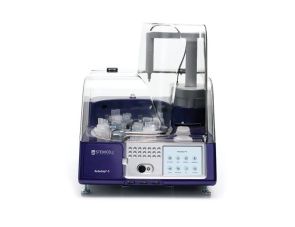
• RoboSep™-S(产品号 #21000)
 
分类
细胞分选试剂盒
 
细胞类型
单核细胞
 
种属
小鼠
 
样本来源
骨髓、脾脏、全血
 
分选方法
负选
 
应用
细胞分选
 
品牌
EasySep,RoboSep
 
研究领域
免疫
 

实验数据

Typical EasySep™ Mouse Monocyte Isolation Profile

Figure 1. Typical FACS Profiles for EasySep™ Mouse Monocyte Isolation Kit

Starting with mouse bone marrow cells, the monocyte content (Lineage- (CD3, CD45R, CD117, CD49b, Siglec F) CD11b+Ly6G- Ly6Chi/lo) of the isolated fraction is 89.5 ± 4.8% (mean ± SD), using the purple EasySep™ Magnet. In the above example, monocyte purities in the start and final isolated fractions are 7.1% and 92.3%, respectively.

Data for Anti-Mouse CD11b Antibody, Clone M1/70, Alexa Fluor® 488-Conjugated

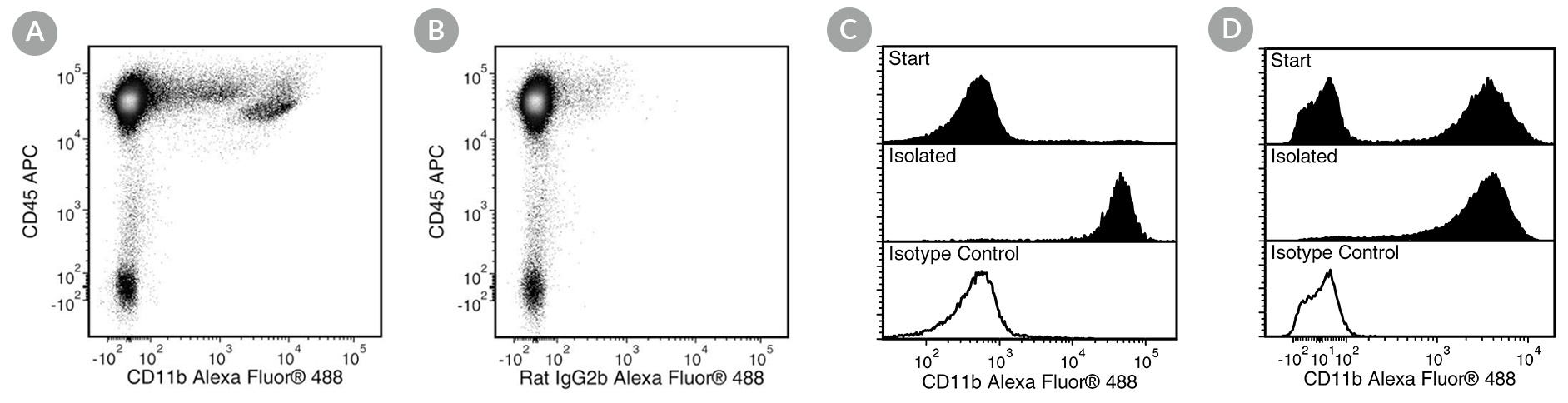
Figure 2. Data for Anti-Mouse CD11b Antibody, Clone M1/70, Alexa Fluor® 488-Conjugated

(A) Flow cytometry analysis of C57BL/6 mouse splenocytes labeled with Anti-Mouse CD11b Antibody, Clone M1/70, Alexa Fluor® 488 (Catalog #60001AD) and anti-mouse CD45 APC. (B) Flow cytometry analysis of C57BL/6 mouse splenocytes labeled with a rat IgG2b, kappa Alexa Fluor® 488 isotype control antibody and anti-mouse CD45 APC. (C) Flow cytometry analysis of C57BL/6 mouse splenocytes processed with the EasySep™ Mouse Monocyte Enrichment Kit (Catalog #19861) and labeled with Anti-Mouse CD11b Antibody, Clone M1/70, Alexa Fluor® 488 (Catalog #60001AD). Histograms show labeling of splenocytes (Start) and isolated cells (Isolated). Labeling of start cells with a rat IgG2b, kappa Alexa Fluor® 488 isotype control antibody is shown in the bottom panel (open histogram). (D) Flow cytometry analysis of C57BL/6 mouse bone marrow cells processed with the EasySep™ Mouse Monocyte Enrichment Kit (Catalog #19861) and labeled with Anti-Mouse CD11b Antibody, Clone M1/70, Alexa Fluor® 488 (Catalog #60001AD). Histograms show labeling of bone marrow cells (Start) and isolated cells (Isolated). Labeling of start cells with a rat IgG2b, kappa Alexa Fluor® 488 isotype control antibody is shown in the bottom panel (open histogram).

Cell Isolation Protocol Lengths

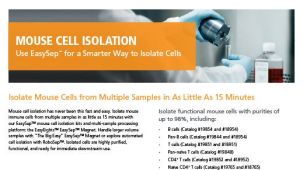
Figure 3. Cell Isolation Protocol Lengths

Typical time taken (in minutes) to isolate cells using select EasySep™ kits.

产品说明书及文档

请在《产品说明书》中查找相关支持信息和使用说明,或浏览下方更多实验方案。

Document Type
Product Name
Catalog #
Lot #
Language
Document Type
产品说明书
Catalog #
19861RF
Lot #
1000141232 or higher
Language
中文
Document Type
产品说明书
Catalog #
19861
Lot #
1000141232 or higher
Language
中文
Catalog #
19861
Lot #
1000141232 or higher
Language
English
Catalog #
19861RF
Lot #
1000141232 or higher
Language
English
Document Type
Safety Data Sheet 1
Catalog #
19861
Lot #
All
Language
English
Document Type
Safety Data Sheet 2
Catalog #
19861
Lot #
All
Language
English
Document Type
Safety Data Sheet 3
Catalog #
19861
Lot #
All
Language
English
Document Type
Safety Data Sheet 4
Catalog #
19861
Lot #
All
Language
English
Document Type
Safety Data Sheet 1
Catalog #
19861RF
Lot #
All
Language
English
Document Type
Safety Data Sheet 2
Catalog #
19861RF
Lot #
All
Language
English
Document Type
Safety Data Sheet 3
Catalog #
19861RF
Lot #
All
Language
English
Document Type
Safety Data Sheet 4
Catalog #
19861RF
Lot #
All
Language
English
Document Type
Safety Data Sheet 5
Catalog #
19861RF
Lot #
All
Language
English

应用领域

本产品专为以下研究领域设计,适用于工作流程中的高亮阶段。探索这些工作流程,了解更多我们为各研究领域提供的其他配套产品。

相关材料与文献

技术资料 (9)

文献 (28)

Activation of the reward system boosts innate and adaptive immunity. Ben-Shaanan TL et al. Nature medicine 2016 JUL

Abstract

Positive expectations contribute to the clinical benefits of the placebo effect. Such positive expectations are mediated by the brain's reward system; however,it remains unknown whether and how reward system activation affects the body's physiology and,specifically,immunity. Here we show that activation of the ventral tegmental area (VTA),a key component of the reward system,strengthens immunological host defense. We used 'designer receptors exclusively activated by designer drugs' (DREADDs) to directly activate dopaminergic neurons in the mouse VTA and characterized the subsequent immune response after exposure to bacteria (Escherichia coli),using time-of-flight mass cytometry (CyTOF) and functional assays. We found an increase in innate and adaptive immune responses that were manifested by enhanced antibacterial activity of monocytes and macrophages,reduced in vivo bacterial load and a heightened T cell response in the mouse model of delayed-type hypersensitivity. By chemically ablating the sympathetic nervous system (SNS),we showed that the reward system's effects on immunity are,at least partly,mediated by the SNS. Thus,our findings establish a causal relationship between the activity of the VTA and the immune response to bacterial infection.
GPR91 senses extracellular succinate released from inflammatory macrophages and exacerbates rheumatoid arthritis. Littlewood-Evans A et al. The Journal of experimental medicine 2016 AUG

Abstract

When SUCNR1/GPR91-expressing macrophages are activated by inflammatory signals,they change their metabolism and accumulate succinate. In this study,we show that during this activation,macrophages release succinate into the extracellular milieu. They simultaneously up-regulate GPR91,which functions as an autocrine and paracrine sensor for extracellular succinate to enhance IL-1β production. GPR91-deficient mice lack this metabolic sensor and show reduced macrophage activation and production of IL-1β during antigen-induced arthritis. Succinate is abundant in synovial fluids from rheumatoid arthritis (RA) patients,and these fluids elicit IL-1β release from macrophages in a GPR91-dependent manner. Together,we reveal a GPR91/succinate-dependent feed-forward loop of macrophage activation and propose GPR91 antagonists as novel therapeutic principles to treat RA.
Endothelium-derived extracellular vesicles promote splenic monocyte mobilization in myocardial infarction. Akbar N et al. JCI insight 2017 SEP

Abstract

Transcriptionally activated monocytes are recruited to the heart after acute myocardial infarction (AMI). After AMI in mice and humans,the number of extracellular vesicles (EVs) increased acutely. In humans,EV number correlated closely with the extent of myocardial injury. We hypothesized that EVs mediate splenic monocyte mobilization and program transcription following AMI. Some plasma EVs bear endothelial cell (EC) integrins,and both proinflammatory stimulation of ECs and AMI significantly increased VCAM-1-positive EV release. Injected EC-EVs localized to the spleen and interacted with,and mobilized,splenic monocytes in otherwise naive,healthy animals. Analysis of human plasma EV-associated miRNA showed 12 markedly enriched miRNAs after AMI; functional enrichment analyses identified 1,869 putative mRNA targets,which regulate relevant cellular functions (e.g.,proliferation and cell movement). Furthermore,gene ontology termed positive chemotaxis as the most enriched pathway for the miRNA-mRNA targets. Among the identified EV miRNAs,EC-associated miRNA-126-3p and -5p were highly regulated after AMI. miRNA-126-3p and -5p regulate cell adhesion- and chemotaxis-associated genes,including the negative regulator of cell motility,plexin-B2. EC-EV exposure significantly downregulated plexin-B2 mRNA in monocytes and upregulated motility integrin ITGB2. These findings identify EVs as a possible novel signaling pathway by linking ischemic myocardium with monocyte mobilization and transcriptional activation following AMI.

更多信息

更多信息
物种 小鼠
Magnet Compatibility • EasySep™ Magnet (Catalog #18000) • “The Big Easy” EasySep™ Magnet (Catalog #18001) • EasyEights™ EasySep™ Magnet (Catalog #18103) • EasyPlate™ EasySep™ Magnet (Catalog #18102) • RoboSep™-S (Catalog #21000)
样本来源 全血, 脾脏, 骨髓
Selection Method Negative
标记抗体

质量声明:

产品仅供研究使用,不用于针对人或动物的诊断或治疗。 欲获悉更多关于STEMCELL的质控信息,请访问 STEMCELL.CN/COMPLIANCE.

Copyright © 2026 by STEMCELL Technologies. All rights reserved.

在线联系