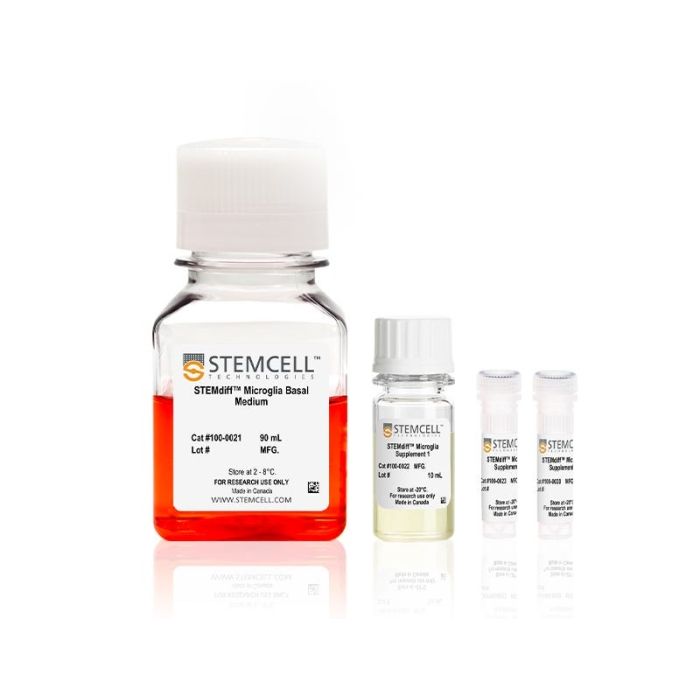
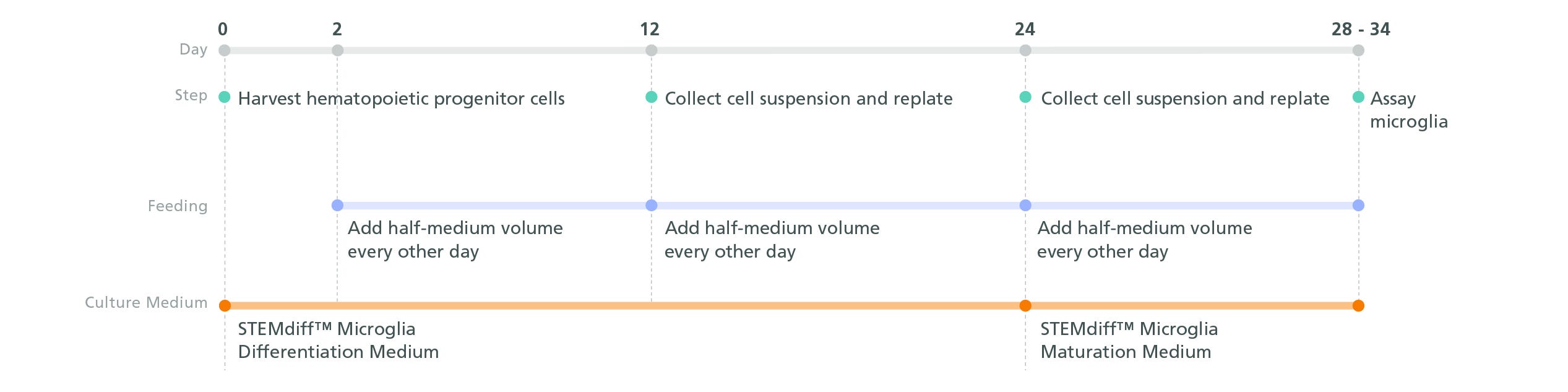
Figure 1. Schematic for the STEMdiff™ Microglia Culture System Protocol
Microglial precursors can be generated in 24 days from hPSC-derived hematopoietic progenitor cells. For the generation of hematopoietic progenitor cells, see documentation for STEMdiff™ Hematopoietic Kit (Catalog #05310). For the maturation of microglial precursors to functional microglia, see the PIS.
Figure 2. Microglia Generated Using the STEMdiff™ Microglia Culture System Exhibit Robust Expansion, Mature Phenotypic Markers, and Homeostatic Morphology
(A) Microglia generated using the STEMdiff™ Microglia Culture System undergo a four-fold expansion, on average, across four cell lines. The fold expansion was calculated by taking the total cell count at Day 24 and dividing it by the number of seeded cells at Day 0. The bars show the mean ± standard deviation. Technical replicates were averaged, n = 1 - 4 technical replicates, 1 - 9 experimental setups.
(B) Microglia generated with STEMdiff™ Microglia Culture System have CD45+ CD11b+ co-expression and P2RY12+ expression as measured by flow cytometry on Day 24. The bars show the mean ± standard deviation.Technical replicates (n = 1 - 4) were averaged, and each dot in the graph represents an experimental replicate.
(C) Normal microglial morphology, characterized by small cell bodies and ramified processes, is observed in cells generated using the STEMdiff™ Microglia Culture System. Images at Days 12 and 24 were captured prior to replate and harvest. Scale bar = 100 µm.
Figure 3. Microglia Generated with STEMdiff™ Microglia Culture System Express Disease-Relevant Genes Similar to Those from Published Differentiation and Maturation Protocols
Bulk RNA-seq datasets were extracted from 8 different publications that generated hPSC- (iMGL) and primary- (MGL) derived microglia and their transcriptional profiles compared to data from microglia generated with STEMdiff™ Microglia Culture System. The heat map displays absolute expression levels for select genes associated with Alzheimer’s disease, Parkinson’s disease, and viral encephalitis. Significant differences in gene expression between microglia generated with STEMdiff™ Microglia Culture System and any of the other 3 groups were identified by differential gene expression analysis. *= p<0.05 (DEseq2, adjusted). hPSC = human pluripotent stem cell.
Figure 4. Microglia Generated with STEMdiff™ Microglia Culture System Release Cytokines in Response to Inflammatory Signals
Microglia were generated using the STEMdiff™ Microglia Culture System and stimulated with 100 ng/mL LPS for 24 hours. The release of pro-inflammatory (TNFα, IL-6, IFN-γ, IL-1β, GM-CSF, IL-12p70, IL-2, IL-8) and anti-inflammatory (IL-10) cytokines were measured by MSD. The microglia release cytokines in response to LPS treatment, as expected. *, p ≤ 0.05; **, p ≤ 0.01; ***, p ≤ 0.001; ****, p ≤ 0.0001. LPS = lipopolysaccharide; MSD = Meso Scale Discovery.
Figure 5. STEMdiff™ Microglia Culture System Generates Functional Microglia Capable of Phagocytosis at Day 34
Microglia taking up pH-sensitive bioindicator particles at a concentration of 5 μg/mL were measured over a 72-hour time period with live cell imaging. As the particles are phagocytosed, the particles turn red and are concentrated within the cells. Over time, the microglia display an activated ameboid morphology. Scale bar = 400 μm.
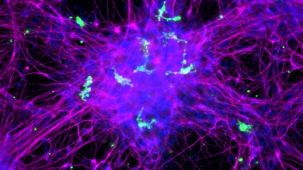
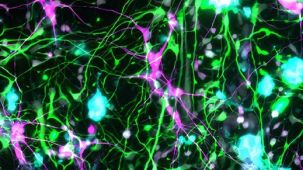
Figure 6. PSC-Derived Microglia Incorporate into Brain Organoids After 10 Days and Display an Activated Morphology upon Injury.
(A) Representative microglia and brain organoid co-cultures after 10 days, stained with IBA1 for microglia (green) and MAP2 for neurons (magenta). The microglia integrate among the neurons and display an unactivated morphology with extended processes (arrow).
(B) The microglia display an activated amoeboid morphology upon injury as shown by IBA1 staining.
Expression of intron-containing HIV-1 RNA induces NLRP1 inflammasome activation in myeloid cells
S. Jalloh et al.
PLOS Biology 2025 Sep
Abstract
Despite the success of antiretroviral therapy in suppressing plasma viremia in people living with human immunodeficiency virus type-1 (HIV-1), persistent viral RNA expression in tissue reservoirs is observed and can contribute to HIV-1-induced immunopathology and comorbidities. Infection of long-lived innate immune cells, such as tissue-resident macrophages and microglia may contribute to persistent viral RNA production and chronic inflammation. We recently reported that de novo cytoplasmic expression of HIV-1 intron-containing RNA (icRNA) in macrophages and microglia leads to MDA5 and MAVS-dependent innate immune sensing and induction of type I IFN responses, demonstrating that HIV icRNA is a pathogen-associated molecular pattern (PAMP). In this report, we show that cytoplasmic expression of HIV-1 icRNA also induces NLRP1 inflammasome activation and IL-1β secretion in macrophages and microglia in an RLR- and endosomal TLR-independent manner. Infection of both macrophages and microglia with either replication-competent or single-cycle HIV-1 induced IL-1β secretion, which was attenuated when cytoplasmic expression of viral icRNA was prevented. While IL-1β secretion was blocked by treatment with caspase-1 inhibitors or knockdown of NLRP1 or caspase-1 expression in HIV-infected macrophages, overexpression of NLRP1 significantly enhanced IL-1β secretion in an HIV-icRNA-dependent manner. Immunoprecipitation analysis revealed interaction of HIV-1 icRNA, but not multiply-spliced HIV-1 RNA, with NLRP1, suggesting that HIV-1 icRNA sensing by NLRP1 is sufficient to trigger inflammasome activation. Together, these findings reveal a pathway of NLRP1 inflammasome activation induced by de novo expressed HIV icRNA in HIV-infected myeloid cells.
A neuroimmune cerebral assembloid model to study the pathophysiology of familial Alzheimer’s disease
A. Becerra-Calixto et al.
Journal of Neuroinflammation 2025 Oct
Abstract
Alzheimer’s disease (AD) is the leading cause of dementia globally. The accumulation of amyloid and tau proteins, neuronal cell death and neuroinflammation are seen with AD progression, resulting in memory and cognitive impairment. Microglia are crucial for AD progression as they engage with neural cells and protein aggregates to regulate amyloid pathology and neuroinflammation. Recent studies indicate that microglia contribute to the propagation of amyloid beta (Aβ) via their immunomodulatory functions including Aβ phagocytosis and inflammatory cytokine production. Three-dimensional cell culture techniques provide the opportunity to study pathophysiological changes in AD in human-derived samples that are difficult to recapitulate in animal models (e.g., transgenic mice). However, these models often lack immune cells such as microglia, which play a critical role in AD pathophysiology. In this study, we developed a neuroimmune assembloid model by integrating cerebral organoids (COs) with induced microglia-like cells (iMGs) derived from human induced pluripotent stem cells from familial AD patient with PSEN2 mutation. After 120 days in culture, we found that iMGs were successfully integrated within the COs. Interestingly, our assembloids displayed histological, functional and transcriptional features of the pro-inflammatory environment seen in AD, including amyloid plaque-like and neurofibrillary tangle-like structures, reduced microglial phagocytic capability, and enhanced neuroinflammatory and apoptotic gene expression. In conclusion, our neuroimmune assembloid model effectively replicates the inflammatory phenotype and amyloid pathology seen in AD. The online version contains supplementary material available at 10.1186/s12974-025-03544-x.
Thank you for your interest in IntestiCult™ Organoid Growth Medium (Human). Please provide us with your contact information and your local representative will contact you with a customized quote. Where appropriate, they
can also assist you with a(n):
Estimated delivery time for your area
Product sample or exclusive offer
In-lab demonstration
By submitting this form, you are providing your consent to STEMCELL Technologies Canada Inc. and its subsidiaries and affiliates (“STEMCELL”) to collect and use your information, and send you newsletters and emails in accordance with our
privacy policy. Please contact us with any questions that you may have. You can unsubscribe or change your email preferences at any time.