若您需要咨询产品或有任何技术问题,请通过官方电话 400 885 9050 或邮箱 info.cn@stemcell.com 与我们联系。

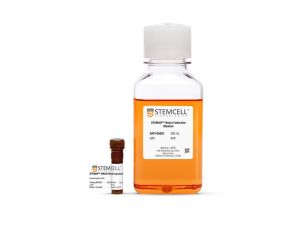
STEMdiff™前脑神经元分化试剂盒

用于将人 ES 和 iPS 细胞衍生的神经前体细胞分化为神经元前体细胞的分化试剂盒
只有 %1
¥4,024.00

产品号 #(选择产品)

产品号 #08600_C

用于将人 ES 和 iPS 细胞衍生的神经前体细胞分化为神经元前体细胞的分化试剂盒

产品优势

  • 支持从 hPSC 衍生的神经元前体细胞高效生成功能性神经元
  • 可产生高纯度的混合兴奋性和抑制性神经元群体(≥ 90% 的神经元),并可以长期维持培养
  • 针对使用 STEMdiff™ SMADi 神经诱导试剂盒生成的神经元前体细胞的分化进行了优化
  • 支持神经活性,以获得生理相关结果
  • 实现从多个人胚胎干细胞和诱导多能干细胞系衍生的神经元前体细胞的可重复成熟

产品组分包括

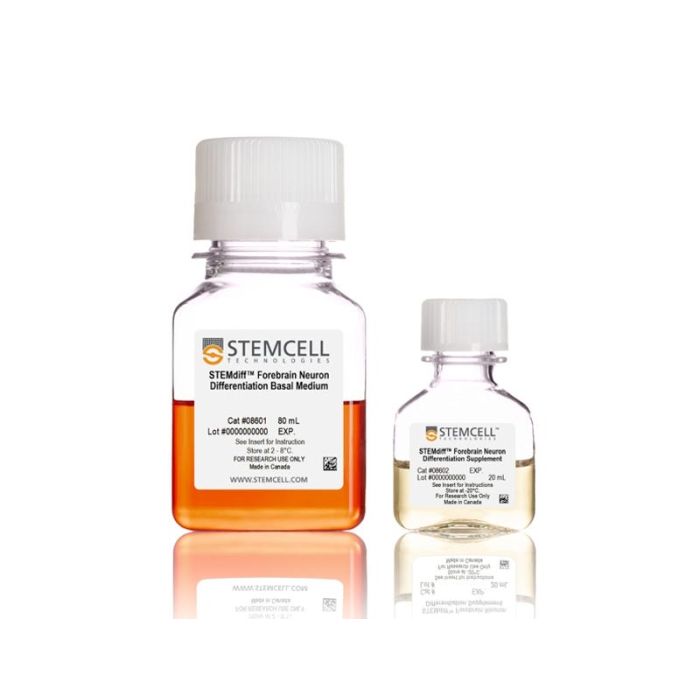
  • STEMdiff™ 前脑神经元分化基础培养基,80 mL
  • STEMdiff™ 前脑神经元分化补充剂,20 mL
Need a high-quality cell source? Use the hiPSC SCTi003-A (female) or SCTi004-A (male) control lines, manufactured with mTeSR™ Plus.

总览

STEMdiff™ 前脑神经元分化试剂盒与 STEMdiff™ 前脑神经元成熟试剂盒(目录号 #08605)配套使用,可将源自人多能干细胞的神经前体细胞分化为前脑型(FOXG1 阳性)的混合神经元群体。本试剂盒已针对 STEMdiff™ SMADi 神经诱导试剂盒提供的神经前体细胞进行了优化。使用这些产品生成的神经元可广泛应用于模拟人类神经发育与神经疾病、药物筛选、毒性测试及细胞治疗的验证。

分类
专用培养基
 
细胞类型
神经细胞,PSC衍生,神经干/祖细胞
 
种属

 
应用
细胞培养,分化
 
品牌
STEMdiff
 
研究领域
疾病建模,药物发现和毒理检测,神经科学
 
制剂类别
无血清
 

实验数据

Figure 1. Schematic for the Embryoid Body Protocol

Forebrain-type neural precursors can be generated in 18 - 19 days from hPSC-derived NPCs after selecting neural rosettes from replated embryoid bodies. For the maturation of precursors to forebrain-type neurons, see the PIS. hPSC = human pluripotent stem cell; NPCs = neural progenitor cells; PIS = product information sheet

Figure 2. Schematic for the Monolayer Protocol

Forebrain-type neural precursors can be generated from NPC monolayers derived from embryonic and induced pluripotent stem cells after three single-cell passages. For the maturation of precursors to forebrain-type neurons, see the PIS. NPC = neural progenitor cell; PIS = product information sheet

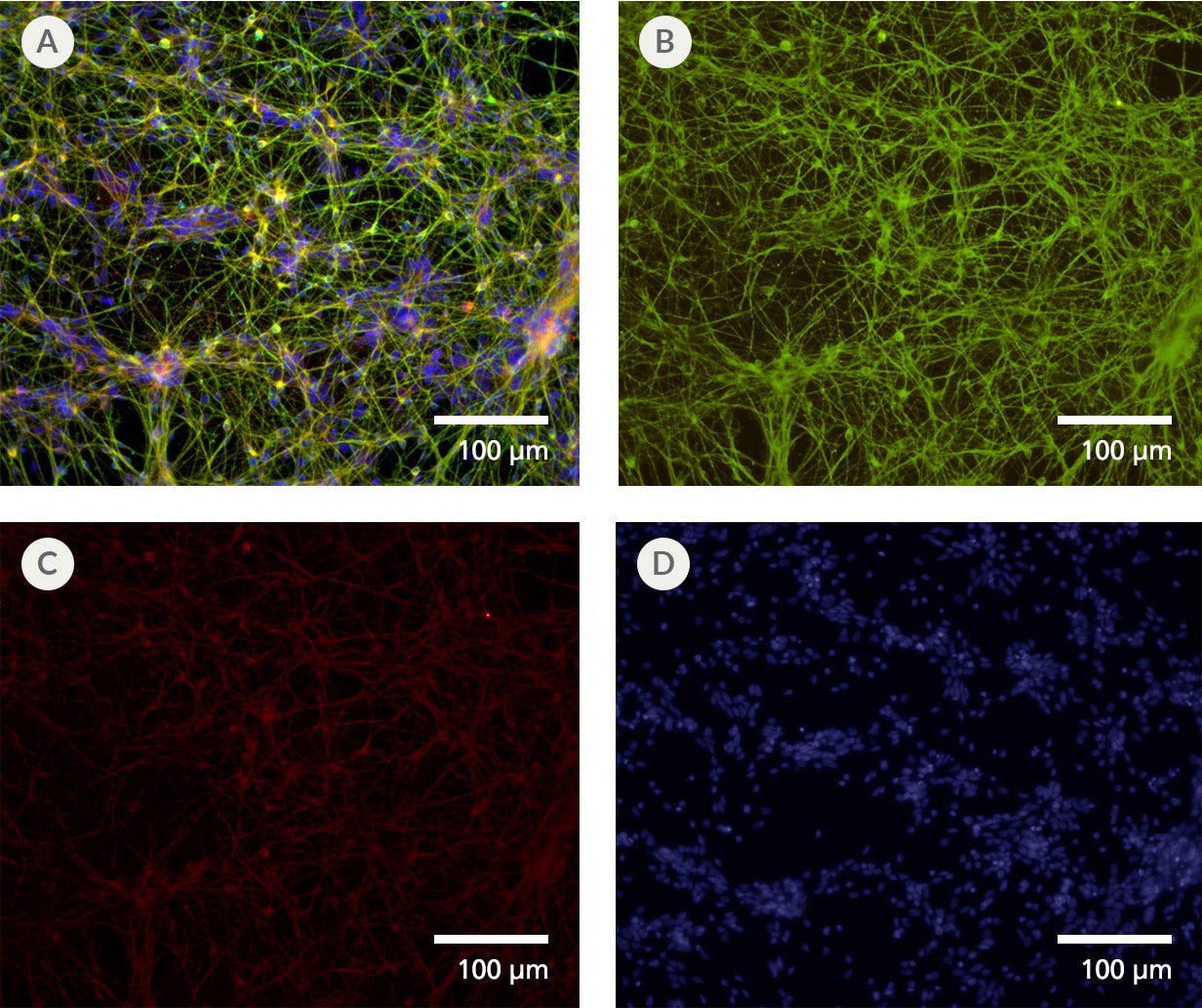
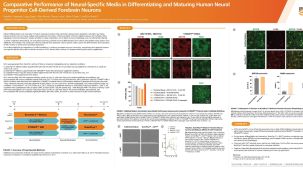
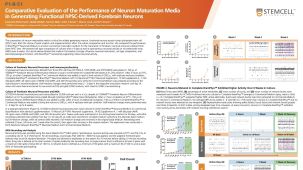
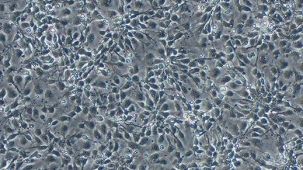
Figure 3. Forebrain-Type Neurons Are Generated After Culture in STEMdiff™ Forebrain Neuron Differentiation and Maturation Kits

NPCs generated from hPSCs in mTeSR 1™ using the STEMdiff™ SMADi Neural Induction Kit EB protocol were differentiated and matured to forebrain-type neurons using the STEMdiff™ Forebrain Neuron Differentiation and Maturation Kits. (A) Forebrain-type neurons were formed after iPS cell-derived NPCs were cultured with the STEMdiff™ Forebrain Neuron Differentiation Kit for 7 days and STEMdiff™ Forebrain Neuron Maturation Kit for 14 days. The resulting cultures contain a highly pure population of (B) class III β-tubulin-positive neurons (green), with (C) fewer than 10% astrocytes (GFAP-positive cells, red). (D) Nuclei are labeled with DAPI (blue). NPCs = neural progenitor cells; hPSC = human pluripotent stem cell; EB = embryoid body; iPS = induced pluripotent stem

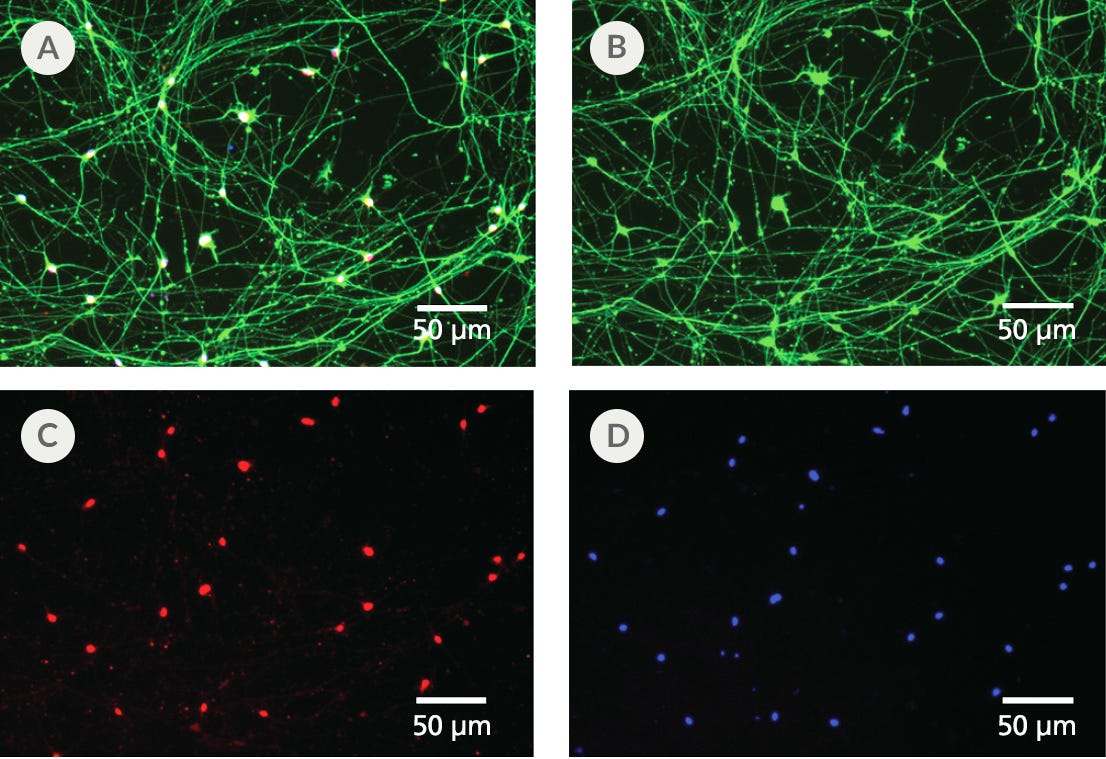
Figure 4. Downstream Differentiation of Neural Progenitor Cells to Neurons Is Possible Using the STEMdiff™ Differentiation and Maturation Kits

(A) NPCs generated from STiPS-R038 hPSCs in mTeSR™1 using the STEMdiff™ SMADi Neural Induction Kit EB protocol were differentiated and matured to cortical neurons using STEMdiff™ Forebrain Neuron Differentiation Kit for 7 days and STEMdiff™ Forebrain Neuron Maturation Kit for 14 days. The resulting cultures contain a highly pure population of (B) class III β-tubulin-positive neurons (green) with less than 10% GFAP-positive astrocytes (not shown). (C) The generated neurons are also positive for FOXG1 expression (red), indicating a forebrain-type identity. (D) Nuclei are labeled with Hoechst (blue). NPCs = neural progenitor cells; hPSC = human pluripotent stem cell

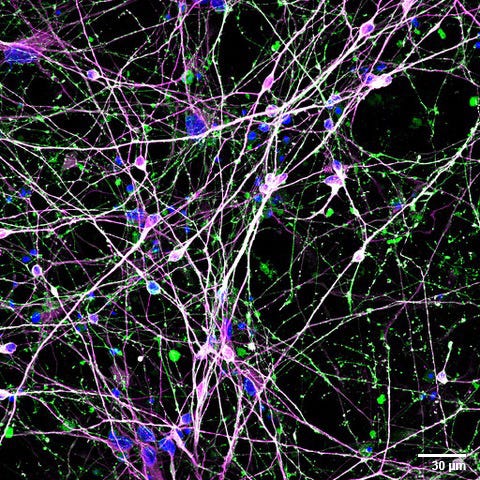
Figure 5. A Mixed Population of Forebrain-Type Cortical Neurons Is Generated Using the STEMdiff™ Differentiation and Maturation Kits

Forebrain-type neurons generated from iPSC-derived NPCs (line AIW002-02) were cultured using the STEMdiff™ Forebrain Neuron Differentiation Kit for 7 days and subsequently matured for the following 6 weeks using STEMdiff™ Forebrain Neuron Maturation Kit. The resulting cultures contain a mixed population of neurons expressing VGLUT1, a glutamatergic marker of excitatory neurons (green), as well as MAP2-positive neurons, indicating mature neurons (magenta). Nuclei are labeled with Hoechst (blue). Data courtesy of Cecilia Rocha, The Neuro's Early Drug Discovery Unit (EDDU), McGill University. iPSC = induced pluripotent stem cell; NPCs = neural progenitor cells

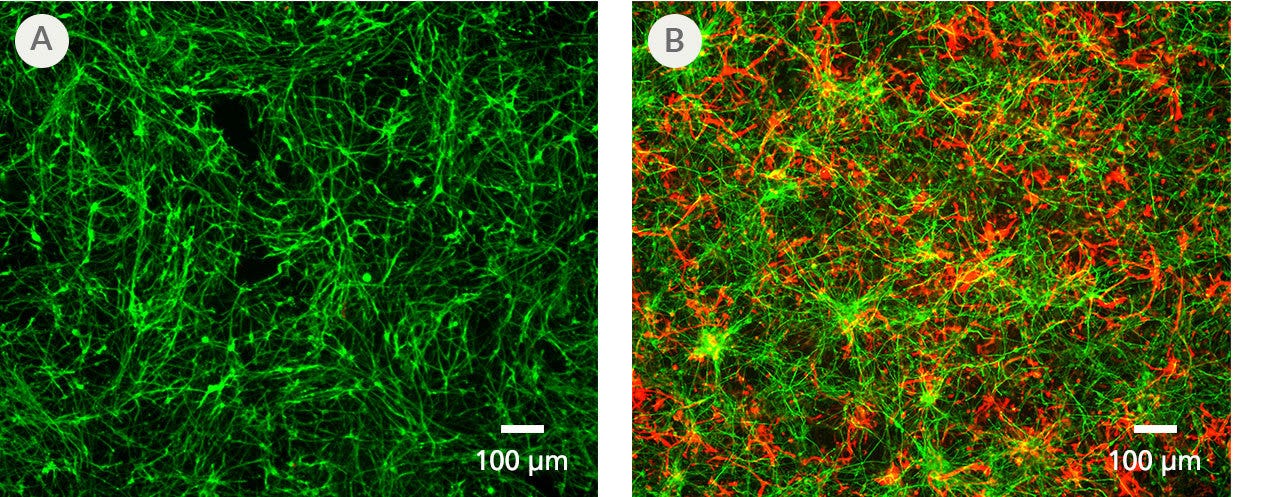
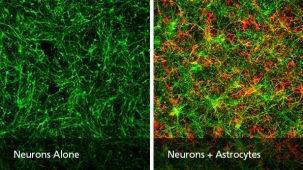
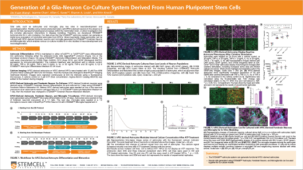
Figure 6. PSC-Derived Astrocytes and Neurons Can Be Co-Cultured to Model Cell-Cell Interactions In Vitro

NPCs generated from the H1 cell line were differentiated to astrocytes using STEMdiff™ Astrocyte Differentiation and Maturation Kits. H9 cell-derived NPCs were differentiated to forebrain-type neurons using STEMdiff™ Forebrain Neuron Differentiation and Maturation Kits. For co-culture, matured astrocytes were seeded onto forebrain neurons that had been in STEMdiff™ Forebrain Neuron Maturation Medium for at least one week. Co-cultures were then switched to STEMdiff™ Forebrain Neuron Maturation Medium the following day and for the remaining co-culture. (A) Neurons cultured alone, following the co-culture feeding schedule, are labeled with DCX (green). (B) DCX-positive neurons (green) and astrocytes (GFAP, red) can be co-cultured for at least 1 - 2 weeks prior to analysis.For a detailed co-culture protocol, please see the Methods Library. NPCs = neural progenitor cells

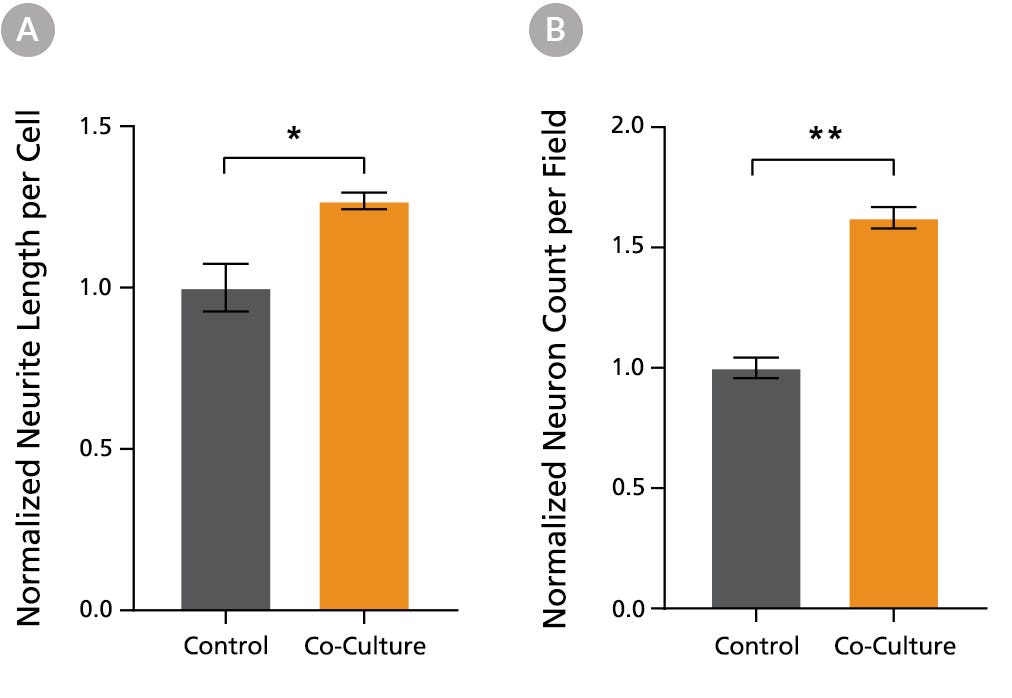
Figure 7. PSC-Derived Neurons Survive and Mature when Co-Cultured with PSC-Derived Astrocytes

NPCs generated from the STiPS-R038 cell line were differentiated to astrocytes using STEMdiff™ Astrocyte Differentiation and Maturation Kits. STiPS-M001 cell-derived NPCs were differentiated to forebrain-type neurons using STEMdiff™ Forebrain Neuron Differentiation and Maturation Kits. After co-culture for one week, neurons (A) had significantly increased neurite outgrowth as measured on MAP2-positive neurons with the NeuriteTracer plugin for ImageJ (M Pool et al. J Neurosci Methods, 2008) and (B) were more numerous than neurons cultured alone using the same feeding schedule. *, p < 0.05; **, p < 0.01. NPCs = neural progenitor cells

产品说明书及文档

请在《产品说明书》中查找相关支持信息和使用说明,或浏览下方更多实验方案。

Document Type
Product Name
Catalog #
Lot #
Language
Catalog #
08600
Lot #
All
Language
English
Document Type
Safety Data Sheet 1
Catalog #
08600
Lot #
All
Language
English
Document Type
Safety Data Sheet 2
Catalog #
08600
Lot #
All
Language
English

应用领域

本产品专为以下研究领域设计,适用于工作流程中的高亮阶段。探索这些工作流程,了解更多我们为各研究领域提供的其他配套产品。

相关材料与文献

技术资料 (22)

On-Demand Training

文献 (7)

Endolysosomal processing of neuron-derived signaling lipids regulates autophagy and lipid droplet degradation in astrocytes J. N. Bhupana et al. Nature Communications 2025 May

Abstract

Dynamic regulation of metabolic activities in astrocytes is critical to meeting the demands of other brain cells. During neuronal stress, lipids are transferred from neurons to astrocytes, where they are stored in lipid droplets (LDs). However, it is not clear whether and how neuron-derived lipids trigger metabolic adaptation in astrocytes. Here, we uncover an endolysosomal function that mediates neuron-astrocyte transcellular lipid signaling. We identify Tweety homolog 1 (TTYH1) as an astrocyte-enriched endolysosomal protein that facilitates autophagic flux and LD degradation. Astrocyte-specific deletion of mouse Ttyh1 and loss of its Drosophila ortholog lead to brain accumulation of neutral lipids. Computational and experimental evidence suggests that TTYH1 mediates endolysosomal clearance of ceramide 1-phosphate (C1P), a sphingolipid that dampens autophagic flux and LD breakdown in mouse and human astrocytes. Furthermore, neuronal C1P secretion induced by inflammatory cytokine interleukin-1β causes TTYH1-dependent autophagic flux and LD adaptations in astrocytes. These findings reveal a neuron-initiated signaling paradigm that culminates in the regulation of catabolic activities in astrocytes. Subject terms: Organelles, Glial biology, Lipid signalling
Astrocyte-secreted cues promote neural maturation and augment activity in human forebrain organoids H. Zheng et al. Nature Communications 2025 Mar

Abstract

Brain organoids have been proposed as suitable human brain model candidates for a variety of applications. However, the lack of appropriate maturation limits the transferability of such functional tools. Here, we present a method to facilitate neuronal maturation by integrating astrocyte-secreted factors into hPSC-derived 2D and 3D neural culture systems. We demonstrate that protein- and nutrient-enriched astrocyte-conditioned medium (ACM) accelerates neuronal differentiation with enlarged neuronal layer and the overproduction of deep-layer cortical neurons. We captured the elevated changes in the functional activity of neuronal networks within ACM-treated organoids using comprehensive electrophysiological recordings. Furthermore, astrocyte-secreted cues can induce lipid droplet accumulation in neural cultures, offering protective effects in neural differentiation to withstand cellular stress. Together, these data indicate the potential of astrocyte secretions to promote neural maturation. Subject terms: Neurological models, Neuronal development
Monkeypox virus spreads from cell-to-cell and leads to neuronal death in human neural organoids Nature Communications 2025 Jun

Abstract

In 2022-23, the world witnessed the largest recorded outbreak of monkeypox virus (MPXV). Neurological manifestations were reported alongside the detection of MPXV DNA and MPXV-specific antibodies in the cerebrospinal fluid of patients. Here, we analyze the susceptibility of neural tissue to MPXV using human neural organoids (hNOs) exposed to a clade IIb isolate. We report susceptibility of several cell types to the virus, including neural progenitor cells and neurons. The virus efficiently replicates in hNOs, as indicated by the exponential increase of infectious viral titers and establishment of viral factories. Our findings reveal focal enrichment of viral antigen alongside accumulation of cell-associated infectious virus, suggesting viral cell-to-cell spread. Using an mNeonGreen-expressing recombinant MPXV, we confirm cell-associated virus transmission. We furthermore show the formation of beads in infected neurites, a phenomenon associated with neurodegenerative disorders. Bead appearance precedes neurite-initiated cell death, as confirmed through live-cell imaging. Accordingly, hNO-transcriptome analysis reveals alterations in cellular homeostasis and upregulation of neurodegeneration-associated transcripts, despite scarcity of inflammatory and antiviral responses. Notably, tecovirimat treatment of MPXV-infected hNOs significantly reduces infectious virus loads. Our findings suggest that viral disruption of neuritic transport drives neuronal degeneration, potentially contributing to MPXV neuropathology and revealing targets for therapeutic intervention. The mechanisms underlying neurological complications of monkeypox virus infection remain unclear. Here, the authors investigate its neurotropic potential and show that neuritic transport of viral particles drives neuronal degeneration.

更多信息

更多信息
物种 人类
配方 无血清
质量保证:

产品仅供研究使用,不用于针对人或动物的诊断或治疗。 欲获悉更多关于STEMCELL的质控信息,请访问 STEMCELL.CN/COMPLIANCE.
Copyright © 2025 by STEMCELL Technologies. All rights reserved.

在线联系