若您需要咨询产品或有任何技术问题,请通过官方电话 400 885 9050 或邮箱 info.cn@stemcell.com 与我们联系。

STEMdiff™ 神经花环选择试剂

无酶试剂,用于选择性分离神经花环结构

只有 %1
¥772.00

产品号 #(选择产品)

产品号 #05832_C

无酶试剂,用于选择性分离神经花环选择试剂结构

产品优势

  • 快速高效地分离中枢神经系统(CNS)类型的神经祖细胞,无需使用刺激性酶处理
  • 选择性分离神经花环结构簇,无需手动刮取
  • 获得高纯度的神经祖细胞群体

总览

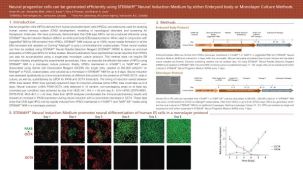
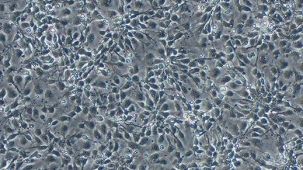
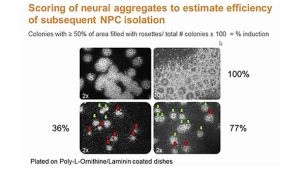
使用 STEMdiff™ 神经花环选择试剂,可在无刺激性酶处理的条件下,快速高效地分离神经花环结构。该无酶试剂可选择性地将神经花环结构簇从先前使用 STEMdiff™ 神经诱导培养基从人胚胎干细胞 (ES) 和诱导多能干细胞 (iPS) 生成的贴壁神经细胞聚集体中分离出来,无需手动刮取。经该试剂处理后收集并重铺的花环结构簇将形成高度纯化的神经祖细胞(NPCs)群体,后续可进一步作为单个细胞进行传代培养。

分类
非酶法
 
细胞类型
神经细胞,PSC衍生,多能干细胞
 
种属

 
应用
细胞培养,分化
 
品牌
STEMdiff
 
研究领域
疾病建模,神经科学,干细胞生物学
 

产品说明书及文档

请在《产品说明书》中查找相关支持信息和使用说明,或浏览下方更多实验方案。

Document Type
Product Name
Catalog #
Lot #
Language
Catalog #
05832
Lot #
All
Language
English
Document Type
Technical Manual
Catalog #
05832
Lot #
All
Language
English
Document Type
Safety Data Sheet
Catalog #
05832
Lot #
All
Language
English

应用领域

本产品专为以下研究领域设计,适用于工作流程中的高亮阶段。探索这些工作流程,了解更多我们为各研究领域提供的其他配套产品。

相关材料与文献

技术资料 (9)

文献 (24)

Protective mechanisms against Alzheimer's disease in APOE3‐Christchurch homozygous astrocytes X. Tian et al. Alzheimer's & Dementia 2025 Sep

Abstract

Alzheimer's disease (AD) is characterized by tau pathology, leading to neurodegeneration. Astrocytes regulate central nervous system homeostasis and influence AD progression. The APOE3‐Christchurch (APOE3‐Ch) variant is linked to AD resilience, but its protective mechanisms remain unclear. Human induced pluripotent stem cell–derived astrocytes (APOE3‐Ch and wild type) were used to assess tau uptake, clearance, lipid metabolism, and transcriptomic adaptations. Fluorescently labeled 2N4R‐P301L tau oligomers were tracked, and pathway‐specific inhibitors dissected tau clearance mechanisms. Lipidomic and transcriptomic analyses were performed to identify genotype‐specific adaptations. APOE3‐Ch astrocytes exhibited enhanced tau uptake via heparan sulfate proteoglycan‐ and lipoprotein receptor‐related protein 1‐mediated pathways and superior clearance through lysosomal and proteasomal degradation. They exported less tau, limiting propagation. Transcriptomic analyses revealed upregulation of genes involved in cell projection assembly and endocytosis. Lipidomic profiling showed reduced ceramides and gamma‐linolenic acid, linked to decreased neuroinflammation and ferroptosis. APOE3‐Ch astrocytes promote tau clearance and metabolic adaptations, providing insights into genetic resilience in AD and potential therapeutic targets. APOE3‐Christchurch (APOE3‐Ch) astrocytes exhibit significantly increased tau internalization compared to wild‐type astrocytes, facilitated by upregulated heparan sulfate proteoglycan and low‐density lipoprotein receptor‐related protein 1 pathways. APOE3‐Ch astrocytes demonstrate more efficient tau degradation via both lysosomal and proteasomal pathways, while exporting significantly less tau, potentially reducing tau propagation in the central nervous system. APOE3‐Ch astrocytes show upregulation of genes involved in cell projection assembly and endocytosis, suggesting structural and functional modifications that enhance tau processing. Lipidomic profiling reveals reduced ceramide levels and gamma‐linolenic acid downregulation in APOE3‐Ch astrocytes, alterations linked to reduced neuroinflammatory and ferroptotic activity, contributing to the protective phenotype.
Lithium partially rescues gene expression and enhancer activity from heterozygous knockout of AKAP11 while inducing novel differential changes N. Farhangdoost et al. Scientific Reports 2025 Oct

Abstract

Bipolar disorder (BD) is a complex psychiatric condition usually requiring long-term treatment. Lithium (Li) remains the most effective mood stabilizer for BD, yet it benefits only a subset of patients, and its precise mechanism of action remains elusive. Exome sequencing has identified AKAP11 (A-kinase anchoring protein 11) as a shared risk gene for BD and schizophrenia (SCZ). Given that both the AKAP11-Protein Kinase A (PKA) complex and Li target and inhibit Glycogen Synthase Kinase-3 beta (GSK3β), we hypothesize that Li may partially normalize the transcriptomic and/or epigenomic alterations observed in heterozygous AKAP11-knockout (Het-AKAP11-KO) iPSC-derived neurons. In this study, we employed genome-wide approaches to assess the effects of Li on the transcriptome and epigenome of human iPSC-derived Het-AKAP11-KO neuronal culture. We show that chronic Li treatment in this cellular model upregulates key pathways that were initially downregulated by Het-AKAP11-KO, several of which have also been reported as downregulated in synapses of BD and SCZ post-mortem brain tissues. Moreover, we demonstrated that Li treatment partially rescues certain transcriptomic alterations resulting from Het-AKAP11-KO, bringing them closer to the WT state. We suggest two possible mechanisms underlying these transcriptomic effects: (1) Li modulates histone H3K27ac levels at intergenic and intronic enhancers, influencing enhancer activity and transcription factor binding, and (2) Li enhances GSK3β serine 9 phosphorylation, impacting WNT/β-catenin signaling and downstream transcription. These findings underscore Li’s potential as a therapeutic agent for BD and SCZ patients carrying AKAP11 loss-of-function variants or exhibiting similar pathway alterations to those observed in Het-AKAP11-KO models.
CACNA1A loss-of-function affects neurogenesis in human iPSC-derived neural models I. Musante et al. Cellular and Molecular Life Sciences: CMLS 2025 Jun

Abstract

CACNA1A encodes the pore-forming α 1A subunit of the Ca V 2.1 calcium channel, whose altered function is associated with various neurological disorders, including forms of ataxia, epilepsy, and migraine. In this study, we generated isogenic iPSC-derived neural cultures carrying CACNA1A loss-of-function mutations differently affecting Ca V 2.1 splice isoforms. Morphological, molecular, and functional analyses revealed an essential role of CACNA1A in neurodevelopmental processes. We found that different CACNA1A loss-of-function mutations produce distinct neurodevelopmental deficits. The F1491S mutation, which is located in a constitutive domain of the channel and therefore causes a complete loss-of-function, impaired neural induction at very early stages, as demonstrated by changes in single-cell transcriptomic signatures of neural progenitors, and by defective polarization of neurons. By contrast, cells carrying the Y1854X mutation, which selectively impacts the synaptically-expressed Ca V 2.1[EFa] isoform, behaved normally in terms of neural induction but showed altered neuronal network composition and lack of synchronized activity. Our findings reveal previously unrecognized roles of CACNA1A in the mechanisms underlying neural induction and neural network dynamics and highlight the differential contribution of the divergent variants Ca V 2.1[EFa] and Ca V 2.1[EFb] in the development of human neuronal cells. The online version contains supplementary material available at 10.1007/s00018-025-05740-7.

更多信息

更多信息
物种 人类
质量保证:

产品仅供研究使用,不用于针对人或动物的诊断或治疗。 欲获悉更多关于STEMCELL的质控信息,请访问 STEMCELL.CN/COMPLIANCE.
Copyright © 2025 by STEMCELL Technologies. All rights reserved.

在线联系