若您需要咨询产品或有任何技术问题,请通过官方电话 400 885 9050 或邮箱 info.cn@stemcell.com 与我们联系。

STEMdiff™ 内皮分化试剂盒

高效将人多能干细胞分化为内皮细胞
只有 %1
¥15,926.00

产品号 #(选择产品)

产品号 #08005_C

高效将人多能干细胞分化为内皮细胞

产品优势

  • 高效生成 hPSC 衍生的内皮细胞。
  • 无需细胞富集或分选步骤。
  • 与含有 FBS 的培养基相比,hPSC 衍生的内皮细胞扩增效果更优异。

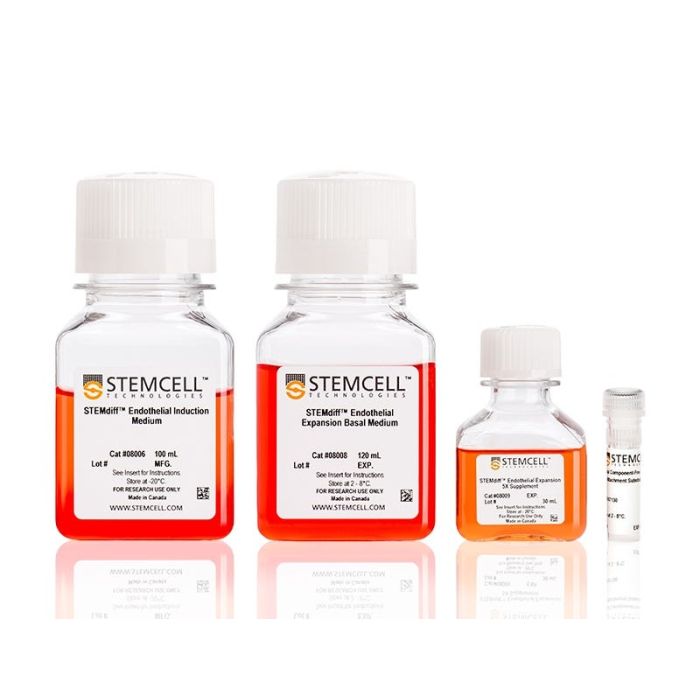
产品组分包括

  • STEMdiff™ 内皮诱导培养基试剂盒(目录号 #08005)
    • STEMdiff™ 内皮诱导培养基,100 mL
    • STEMdiff™ 内皮扩增基础培养基,120 mL
    • STEMdiff™ 内皮扩张 5X 补充剂,30 mL
    • 无动物成分细胞贴壁底物,1 mL
专为您的实验方案打造的产品
要查看实验方案所需的所有配套产品,请参阅《实验方案与技术文档》

总览

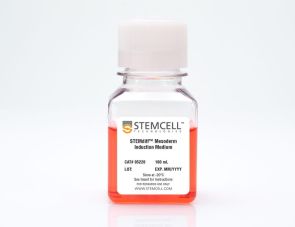
STEMdiff™ 内皮细胞分化试剂盒(货号 #08005)包含贴壁底物、无动物成分 (ACF) 内皮细胞诱导培养基和内皮细胞扩增培养基。该试剂盒经过优化,可用于将在康宁Matrigel® 基质上以 mTeSR™1(目录号 #85850)、mTeSR™ Plus(目录号 #05825)或 TeSR™-E8™(目录号 #05990)中维持的人多能干细胞(hPSCs)分化为内皮样细胞。该试剂盒设计用于在使用 STEMdiff™ 中胚层诱导培养基(目录号 #05220,可单独购买)进行早期中胚层诱导后立即进行内皮诱导培养。细胞贴壁底物中的 rhCollagen 成分由 CollPlant 公司生产。

本产品仅供研究使用。如有任何临床或商业应用需求,请联系 STEMCELL。

分类
专用培养基
 
细胞类型
内皮细胞
 
种属

 
应用
分化
 
品牌
STEMdiff
 
研究领域
血管生成细胞研究,疾病建模,内皮细胞研究
 
制剂类别
无血清
 

实验数据

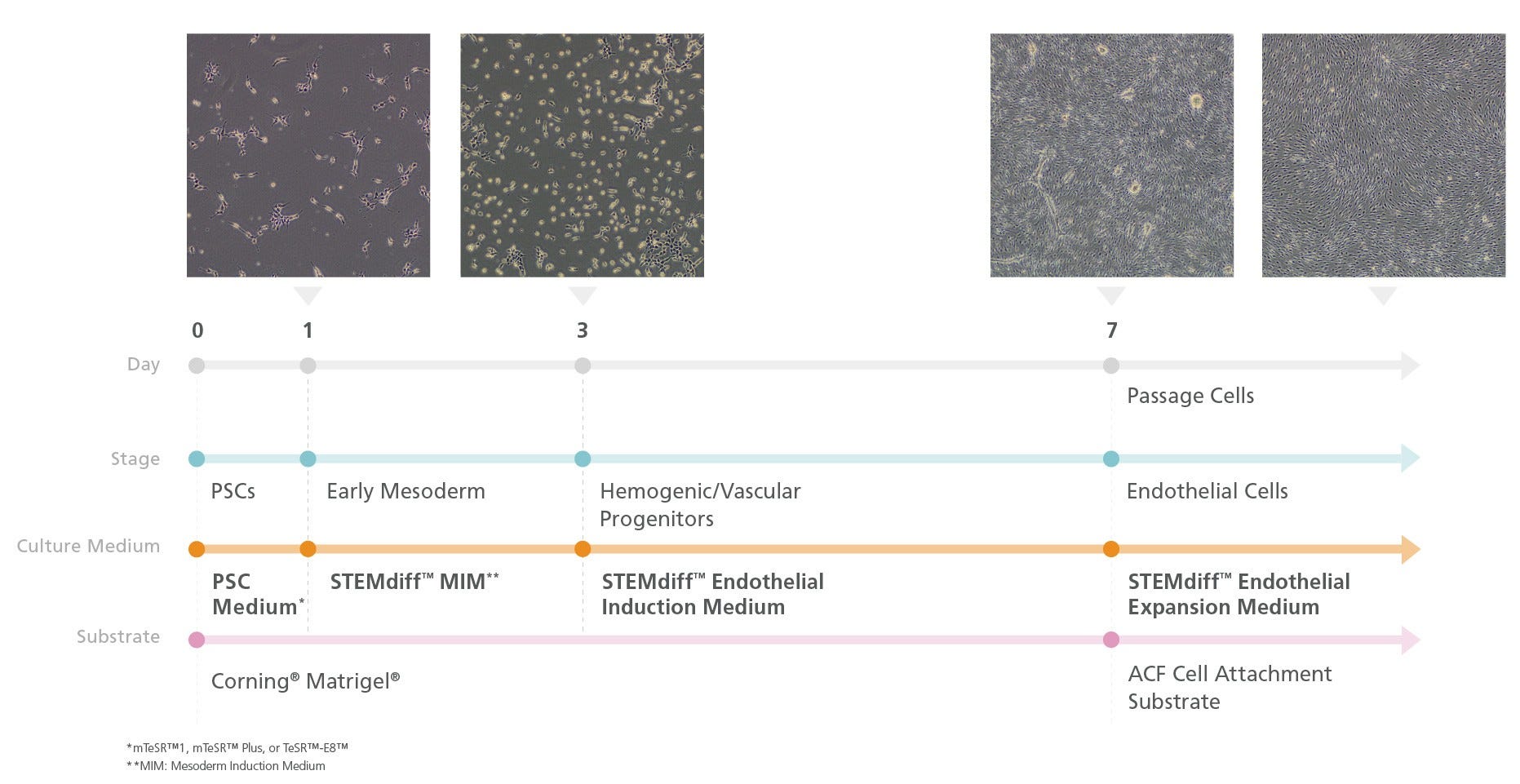
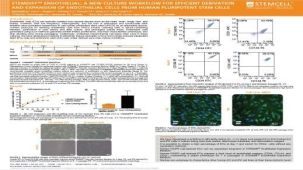
Figure 1. Schematic Workflow of Endothelial Induction Using the STEMdiff™ Endothelial Kit

In Phase 1, human embryonic stem (ES) or induced pluripotent stem (iPS) cells are cultured in a TeSR™ maintenance medium (mTeSR™ Plus, mTeSR™1, or TeSR™-E8™). On Day 1 (Phase 2) of the protocol, cells are ready for induction into early mesoderm progenitor cells by replacing TeSR™ medium with STEMdiff™ Mesodermal Induction Medium (MIM). By Day 3 (Phase 3), STEMdiff™ Mesoderm Induction Medium is replaced with STEMdiff™ Endothelial Induction Medium to derive endothelial cells. On Day 7, cells are passaged 5 - 6 times onto cultureware pre-coated with Animal Component-Free Cell Attachment Substrate in STEMdiff™ Endothelial Expansion Medium (Phase 4).

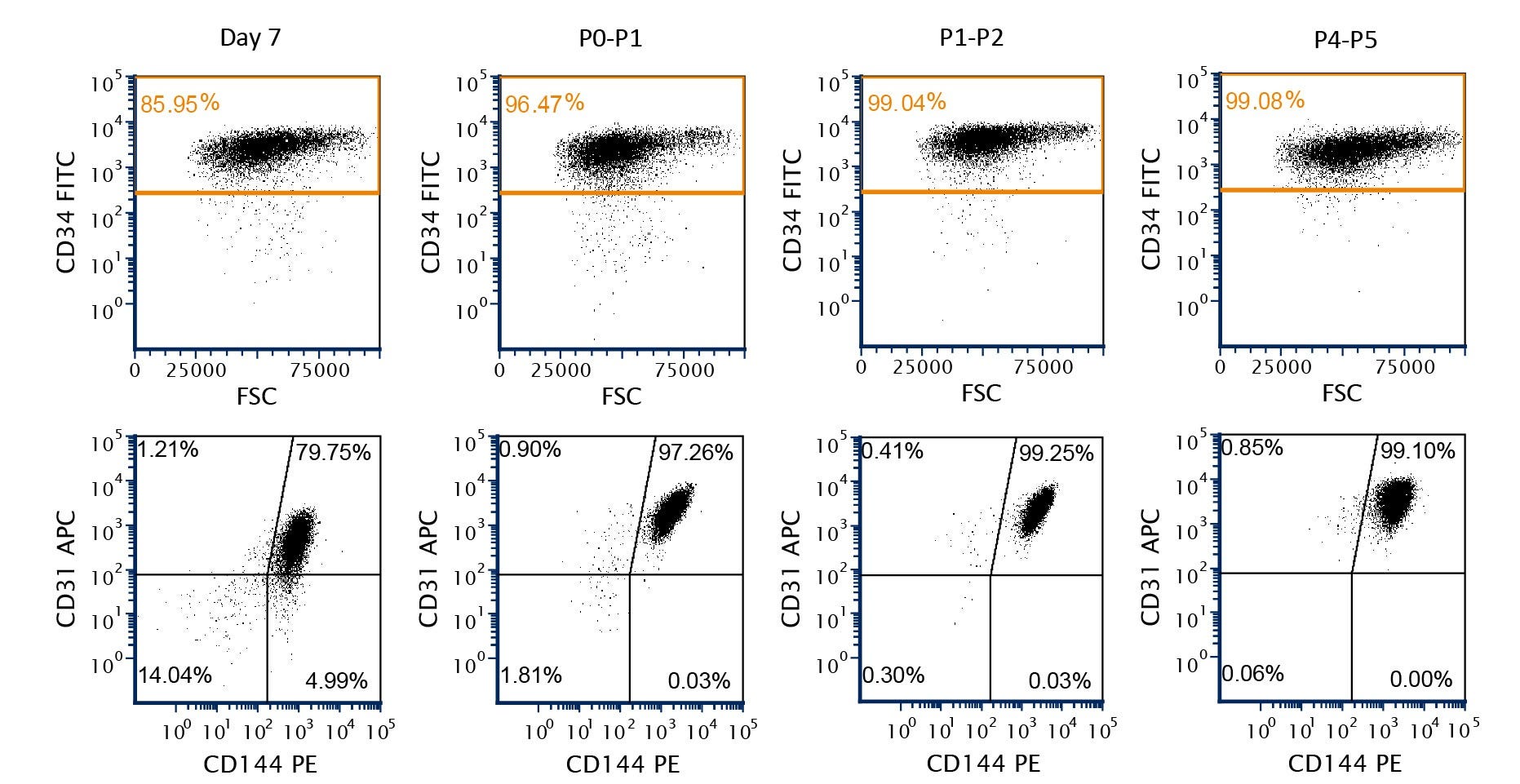
Figure 2. A Representative Flow Cytometric Analysis of Endothelial Marker Expression in hPSC-Derived Endothelial Cells

Human pluripotent stem cell (hPSC; H9 cell line)-derived endothelial cells were obtained at Day 7 using STEMdiff™ Endothelial Induction Medium. Greater than 85% of the cells were CD34+ and had high levels of CD31 and CD144 expression. With subsequent passages, the proportion of cells expressing endothelial markers (CD34+, CD31, and CD144) increased up to passage 5.

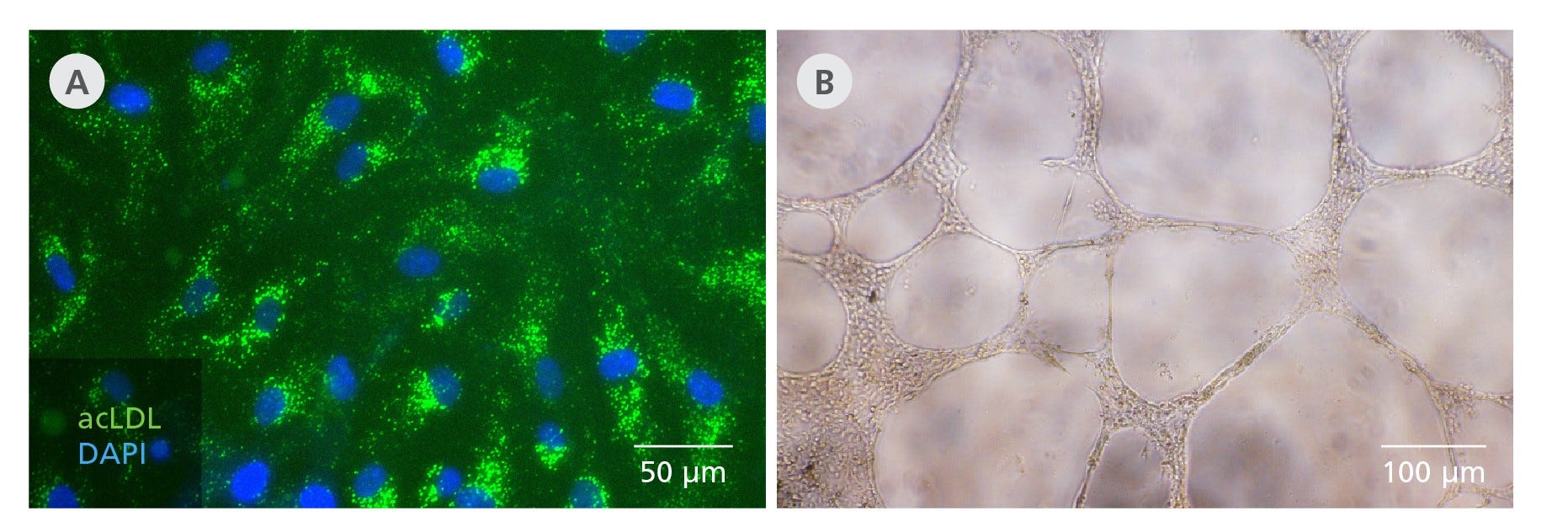
Figure 3. STEMdiff™ Endothelial Differentiation Kit Generates Functional hPSC-Derived Endothelial Cells

Endothelial cells generated from hPSCs (F016 cell line) using the STEMdiff™ Endothelial Differentiation Kit take up acetylated LDL when plated at 10,000 cells/cm2. Cells are able to form tubular networks in vitro in a tube formation assay when plated at 20,000 cells/well in a 96 well-plate for 24 hrs.

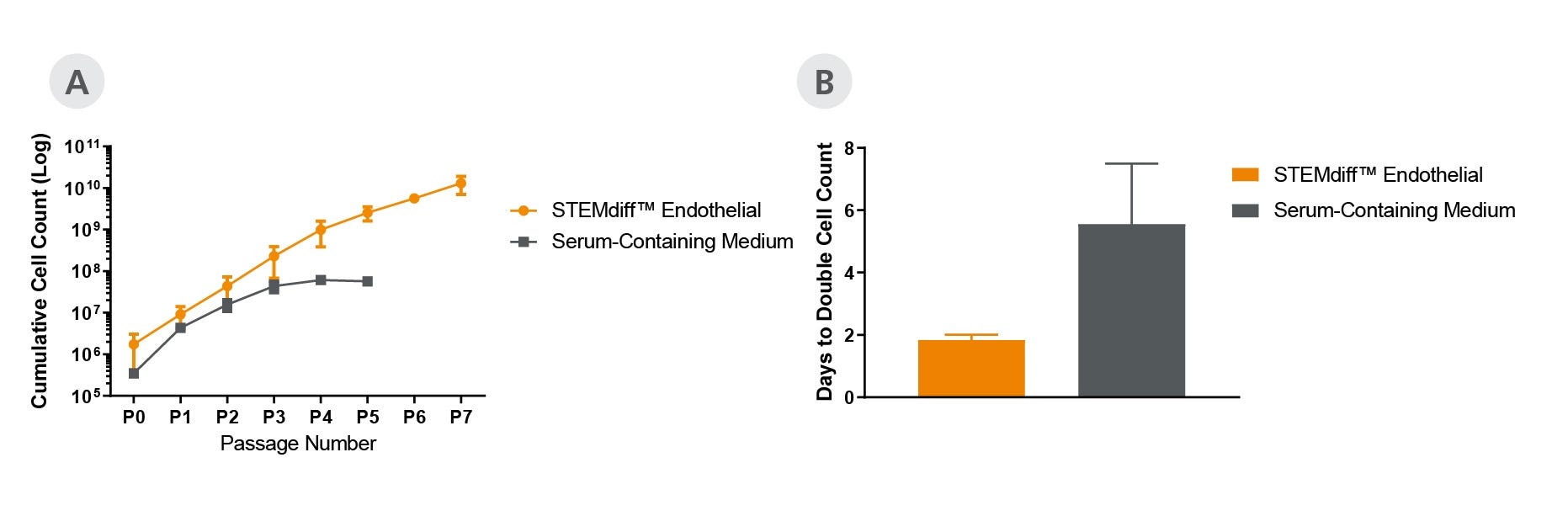
Figure 4. Endothelial Cells Expand Faster in STEMdiff™ Endothelial Expansion Medium Compared to Serum-Containing Medium

STEMdiff™ Endothelial Expansion Medium (A) sustains expansion rate in later passages and leads to (B) superior expansion of hPSC (C1 cell line)-derived endothelial cells when compared to serum-containing medium.

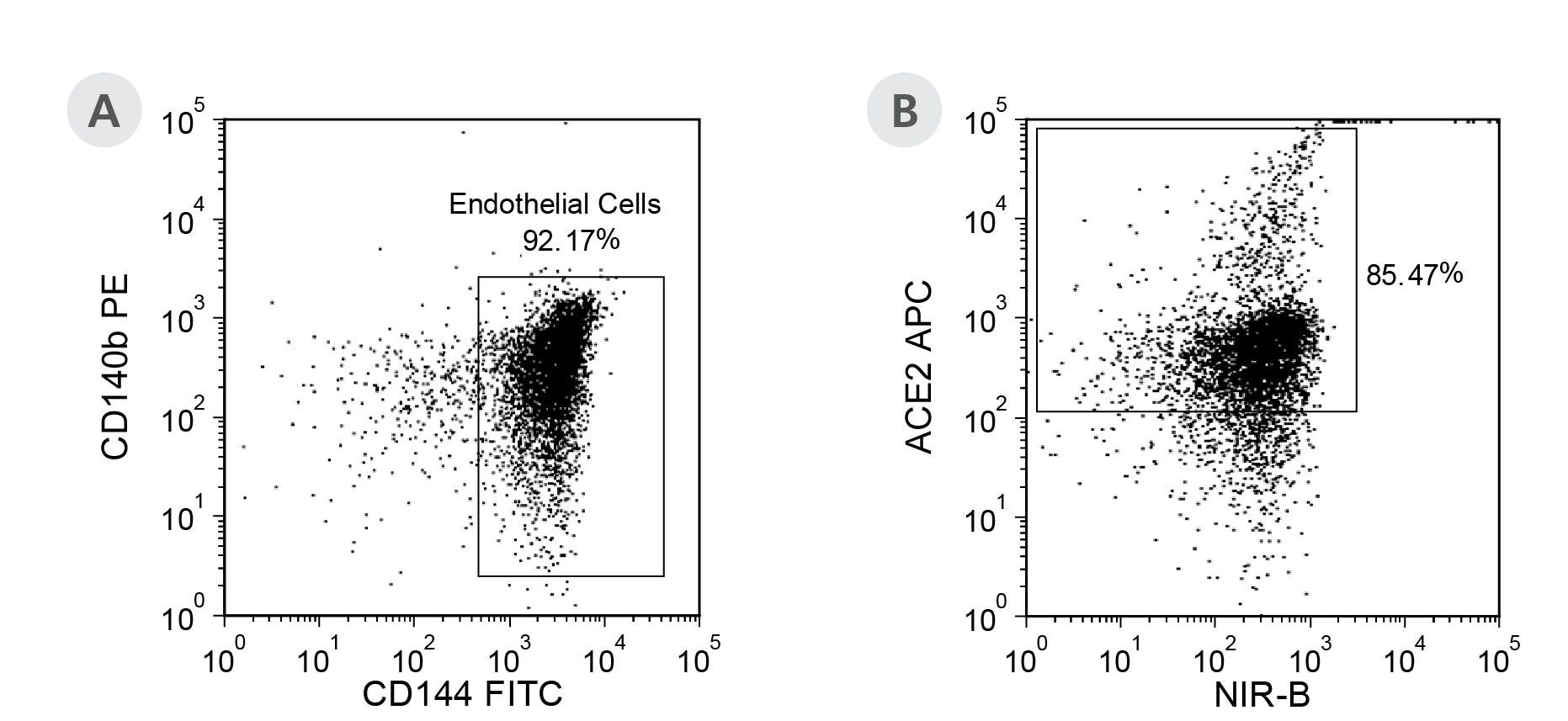
Figure 5. hPSC-Derived Endothelial Cells Generated Using the STEMdiff™ Endothelial Differentiation Kit Express High Levels of ACE2

(A) hPSC (C1 cell line)-derived endothelial cells were generated using the STEMdiff™ Endothelial Differentiation Kit and expanded in STEMdiff™ Endothelial Expansion Medium for 6 passages at 10,000 cells/cm2. (B) The cells were then analyzed for expression of angiotensin-converting enzyme 2 (ACE2). 85% of cells expressed high levels of ACE2.

产品说明书及文档

请在《产品说明书》中查找相关支持信息和使用说明,或浏览下方更多实验方案。

Document Type
Product Name
Catalog #
Lot #
Language
Catalog #
08005
Lot #
All
Language
English
Document Type
Safety Data Sheet 1
Catalog #
08005
Lot #
All
Language
English
Document Type
Safety Data Sheet 2
Catalog #
08005
Lot #
All
Language
English
Document Type
Safety Data Sheet 3
Catalog #
08005
Lot #
All
Language
English
Document Type
Safety Data Sheet 4
Catalog #
08005
Lot #
All
Language
English

应用领域

本产品专为以下研究领域设计,适用于工作流程中的高亮阶段。探索这些工作流程,了解更多我们为各研究领域提供的其他配套产品。

相关材料与文献

技术资料 (8)

文献 (4)

Endothelial TREM-1 mediates sepsis-induced blood?brain barrier disruption and cognitive impairment via the PI3K/Akt pathway Journal of Neuroinflammation 2025 May

Abstract

The blood?brain barrier (BBB) is a critical selective interface between the central nervous system (CNS) and the blood circulation. BBB dysfunction plays an important role in the neurological damage caused by sepsis. However,the mechanisms underlying the disruption of the BBB during sepsis remain unclear. We established a human induced pluripotent stem cell (iPSC)-derived BBB model and reported that treating with sepsis patient serum leads to structural and functional disruption of the BBB. In a cecal ligation and puncture (CLP)-induced mouse model of sepsis,we also observed disruption of the BBB,inflammation in the brain,and impairments in cognition. In both models,we found that the expression of TREM-1 was significantly increased in endothelial cells. TREM-1 knockout specifically in endothelial cells alleviated BBB dysfunction and cognitive impairments. Further study revealed that TREM-1 affects the expression of genes involved in the PI3K/Akt signaling pathway. The protective effects of TREM-1 inhibition on the BBB and cognition were abrogated by PI3K inhibitors. Our findings suggest that endothelial TREM-1 induces sepsis-induced BBB disruption and cognitive impairments via the PI3K/Akt signaling pathway. Targeting endothelial TREM-1 or the PI3K/Akt signaling pathway may be a promising strategy to maintain BBB integrity and improve cognitive function in sepsis patients.Supplementary InformationThe online version contains supplementary material available at 10.1186/s12974-025-03469-5.
High-throughput differentiation of human blood vessel organoids reveals overlapping and distinct functions of the cerebral cavernous malformation proteins D. Skowronek et al. Angiogenesis 2025 Jun

Abstract

Cerebral cavernous malformations (CCMs) are clusters of thin-walled enlarged blood vessels in the central nervous system that are prone to recurrent hemorrhage and can occur in both sporadic and familial forms. The familial form results from loss-of-function variants in the CCM1,CCM2,or CCM3 gene. Despite a better understanding of CCM pathogenesis in recent years,it is still unclear why CCM3 mutations often lead to a more aggressive phenotype than CCM1 or CCM2 variants. By combining high-throughput differentiation of blood vessel organoids from human induced pluripotent stem cells (hiPSCs) with a CCM1,CCM2,or CCM3 knockout,single-cell RNA sequencing,and high-content imaging,we uncovered both shared and distinct functions of the CCM proteins. While there was a significant overlap of differentially expressed genes in fibroblasts across all three knockout conditions,inactivation of CCM1,CCM2,or CCM3 also led to specific gene expression patterns in neuronal,mesenchymal,and endothelial cell populations,respectively. Taking advantage of the different fluorescent labels of the hiPSCs,we could also visualize the abnormal expansion of CCM1 and CCM3 knockout cells when differentiated together with wild-type cells into mosaic blood vessel organoids. In contrast,CCM2 knockout cells showed even reduced proliferation. These observations may help to explain the less severe clinical course in individuals with a pathogenic variant in CCM2 and to decode the molecular and cellular heterogeneity in CCM disease. Finally,the excellent scalability of blood vessel organoid differentiation in a 96-well format further supports their use in high-throughput drug discovery and other biomedical research studies. The online version contains supplementary material available at 10.1007/s10456-025-09985-5.
Diminished immune cell adhesion in hypoimmune ICAM-1 knockout human pluripotent stem cells Nature Communications 2025 Aug

Abstract

Gene edited human pluripotent stem cells are a promising platform for developing reparative cellular therapies that evade immune rejection. Existing first-generation hypoimmune strategies have used CRISPR/Cas9 editing to modulate genes associated with adaptive immune responses,but have largely not addressed the innate immune cells,such as neutrophils,that mediate inflammation and rejection processes occurring early after graft transplantation. We identify the adhesion molecule ICAM-1 as a hypoimmune target that plays multiple critical roles in both adaptive and innate immune responses post-transplantation. In our experiments,we find that ICAM-1 blocking or knockout in human pluripotent stem cell-derived cardiovascular therapies imparts significantly diminished binding of multiple immune cell types. ICAM-1 knockout results in diminished T cell proliferation and activation responses in vitro and in longer in vivo retention/protection of knockout grafts following immune cell encounter in NeoThy humanized mice. We also introduce the ICAM-1 knockout edit into existing first-generation hypoimmune human pluripotent stem cells and prevent immune cell binding. This promising hypoimmune editing strategy has the potential to improve transplantation outcomes for regenerative therapies in the setting of cardiovascular pathologies and several other diseases. Hypoimmune gene editing in human pluripotent stem cells (hPSCs) provides a promising platform for cellular therapies. Here,the authors report that CRISPR mediated deletion of ICAM-1 in hPSC-derived grafts reduces immune cell adhesion,dampens T cell activation,and protects against immune rejection.

更多信息

更多信息
物种
配方 无血清
质量保证:

产品仅供研究使用,不用于针对人或动物的诊断或治疗。 欲获悉更多关于STEMCELL的质控信息,请访问 STEMCELL.CN/COMPLIANCE.
Copyright © 2026 by STEMCELL Technologies. All rights reserved.

在线联系