Hoxa3 promotes the differentiation of hematopoietic progenitor cells into proangiogenic Gr-1+CD11b+ myeloid cells.
Injury induces the recruitment of bone marrow-derived cells (BMDCs) that contribute to the repair and regeneration process. The behavior of BMDCs in injured tissue has a profound effect on repair,but the regulation of BMDC behavior is poorly understood. Aberrant recruitment/retention of these cells in wounds of diabetic patients and animal models is associated with chronic inflammation and impaired healing. BMD Gr-1(+)CD11b(+) cells function as immune suppressor cells and contribute significantly to tumor-induced neovascularization. Here we report that Gr-1(+)CD11b(+) cells also contribute to injury-induced neovascularization,but show altered recruitment/retention kinetics in the diabetic environment. Moreover,diabetic-derived Gr-1(+)CD11b(+) cells fail to stimulate neovascularization in vivo and have aberrant proliferative,chemotaxis,adhesion,and differentiation potential. Previously we demonstrated that gene transfer of HOXA3 to wounds of diabetic mice is taken up by and expressed by recruited BMDCs. This is associated with a suppressed inflammatory response,enhanced neovascularization,and accelerated wound healing. Here we show that sustained expression of Hoxa3 in diabetic-derived BMD Gr-1(+)CD11b(+) cells reverses their diabetic phenotype. These findings demonstrate that manipulation of adult stem/progenitor cells ex vivo could be used as a potential therapy in patients with impaired wound healing.
View Publication
Miner JJ et al. (MAR 2011)
The Journal of biological chemistry 286 11 9577--86
Cytoplasmic domain of P-selectin glycoprotein ligand-1 facilitates dimerization and export from the endoplasmic reticulum.
P-selectin glycoprotein ligand-1 (PSGL-1) is a homodimeric transmembrane mucin on leukocytes. During inflammation,reversible interactions of PSGL-1 with selectins mediate leukocyte rolling on vascular surfaces. The transmembrane domain of PSGL-1 is required for dimerization,and the cytoplasmic domain propagates signals that activate β(2) integrins to slow rolling on integrin ligands. Leukocytes from knock-in ΔCD" mice express a truncated PSGL-1 that lacks the cytoplasmic domain. Unexpectedly�
View Publication
产品号#:
03434
03444
产品名:
MethoCult™ GF M3434
MethoCult™ GF M3434
Kim M-H et al. (MAR 2011)
Blood 117 12 3343--52
Neutrophil survival and c-kit(+)-progenitor proliferation in Staphylococcus aureus-infected skin wounds promote resolution.
Polymorphonuclear neutrophils (PMNs) are critical for the formation,maintenance,and resolution of bacterial abscesses. However,the mechanisms that regulate PMN survival and proliferation during the evolution of an abscess are not well defined. Using a mouse model of Staphylococcus aureus abscess formation within a cutaneous wound,combined with real-time imaging of genetically tagged PMNs,we observed that a high bacterial burden elicited a sustained mobilization of PMNs from the bone marrow to the infected wound,where their lifespan was markedly extended. A continuous rise in wound PMN number,which was not accounted for by trafficking from the bone marrow or by prolonged survival,was correlated with the homing of c-kit(+)-progenitor cells from the blood to the wound,where they proliferated and formed mature PMNs. Furthermore,by blocking their recruitment with an antibody to c-kit,which severely limited the proliferation of mature PMNs in the wound and shortened mouse survival,we confirmed that progenitor cells are not only important contributors to PMN expansion in the wound,but are also functionally important for immune protection. We conclude that the abscess environment provides a niche capable of regulating PMN survival and local proliferation of bone marrow-derived c-kit(+)-progenitor cells.
View Publication
产品号#:
03434
03444
产品名:
MethoCult™ GF M3434
MethoCult™ GF M3434
Christopher MJ et al. (FEB 2011)
The Journal of experimental medicine 208 2 251--60
Expression of the G-CSF receptor in monocytic cells is sufficient to mediate hematopoietic progenitor mobilization by G-CSF in mice.
Granulocyte colony-stimulating factor (G-CSF),the prototypical mobilizing cytokine,induces hematopoietic stem and progenitor cell (HSPC) mobilization from the bone marrow in a cell-nonautonomous fashion. This process is mediated,in part,through suppression of osteoblasts and disruption of CXCR4/CXCL12 signaling. The cellular targets of G-CSF that initiate the mobilization cascade have not been identified. We use mixed G-CSF receptor (G-CSFR)-deficient bone marrow chimeras to show that G-CSF-induced mobilization of HSPCs correlates poorly with the number of wild-type neutrophils. We generated transgenic mice in which expression of the G-CSFR is restricted to cells of the monocytic lineage. G-CSF-induced HSPC mobilization,osteoblast suppression,and inhibition of CXCL12 expression in the bone marrow of these transgenic mice are intact,demonstrating that G-CSFR signals in monocytic cells are sufficient to induce HSPC mobilization. Moreover,G-CSF treatment of wild-type mice is associated with marked loss of monocytic cells in the bone marrow. Finally,we show that bone marrow macrophages produce factors that support the growth and/or survival of osteoblasts in vitro. Together,these data suggest a model in which G-CSFR signals in bone marrow monocytic cells inhibit the production of trophic factors required for osteoblast lineage cell maintenance,ultimately leading to HSPC mobilization.
View Publication
产品号#:
03434
03444
产品名:
MethoCult™ GF M3434
MethoCult™ GF M3434
Shi X et al. (MAY 2011)
Infection and immunity 79 5 2031--42
Thymopoietic and bone marrow response to murine Pneumocystis pneumonia.
CD4(+) T cells play a key role in host defense against Pneumocystis infection. To define the role of naïve CD4(+) T cell production through the thymopoietic response in host defense against Pneumocystis infection,Pneumocystis murina infection in the lung was induced in adult male C57BL/6 mice with and without prior thymectomy. Pneumocystis infection caused a significant increase in the number of CCR9(+) multipotent progenitor (MPP) cells in the bone marrow and peripheral circulation,an increase in populations of earliest thymic progenitors (ETPs) and double negative (DN) thymocytes in the thymus,and recruitment of naïve and total CD4(+) T cells into the alveolar space. The level of murine signal joint T cell receptor excision circles (msjTRECs) in spleen CD4(+) cells was increased at 5 weeks post-Pneumocystis infection. In thymectomized mice,the numbers of naïve,central memory,and total CD4(+) T cells in all tissues examined were markedly reduced following Pneumocystis infection. This deficiency of naïve and central memory CD4(+) T cells was associated with delayed pulmonary clearance of Pneumocystis. Extracts of Pneumocystis resulted in an increase in the number of CCR9(+) MPPs in the cultured bone marrow cells. Stimulation of cultured bone marrow cells with ligands to Toll-like receptor 2 ([TLR-2] zymosan) and TLR-9 (ODN M362) each caused a similar increase in CCR9(+) MPP cells via activation of the Jun N-terminal protein kinase (JNK) pathway. These results demonstrate that enhanced production of naïve CD4(+) T lymphocytes through the thymopoietic response and enhanced delivery of lymphopoietic precursors from the bone marrow play an important role in host defense against Pneumocystis infection.
View Publication


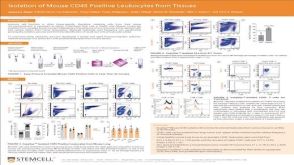
 EasySep™小鼠TIL(CD45)正选试剂盒




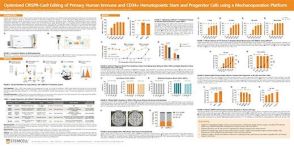
 实验方案Optimizing Delivery Efficiency with Fluorescent Dextran Using the CellPore™ Transfection System


 沪公网安备31010102008431号