若您需要咨询产品或有任何技术问题,请通过官方电话 400 885 9050 或邮箱 info.cn@stemcell.com 与我们联系。

EasySep™人总细胞外囊泡正选试剂盒

对来源于血浆、血清、细胞培养上清及尿液样本的细胞外囊泡(EVs)进行免疫磁珠正选分离

只有 %1
¥5,298.00

产品号 #(选择产品)

产品号 #17891_C

免疫磁珠正选实现人细胞外囊泡快速简便分离

产品优势

  • 快速、简单、无柱
  • 避免使用耗时且需要超速离心的方法分离EV
  • 获取高纯度EVs,避免污染生物液体成分

产品组分包括

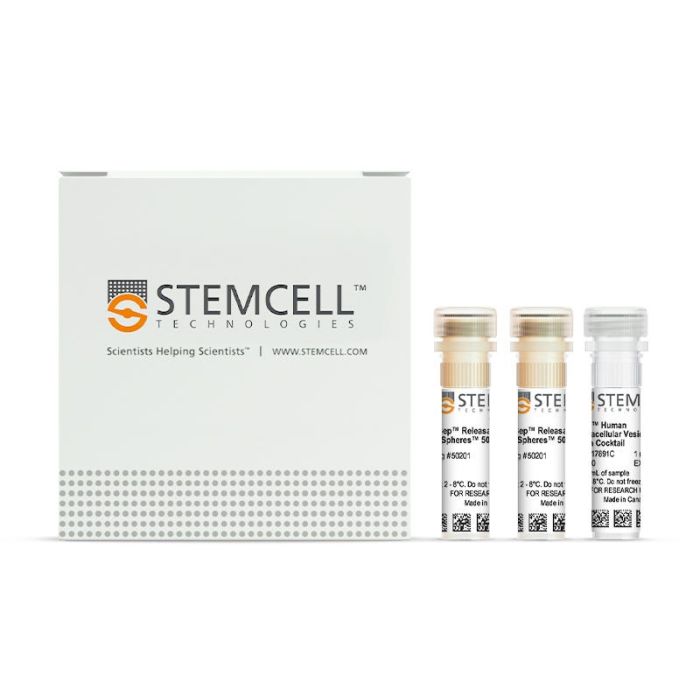
  • EasySep™人总细胞外囊泡正选试剂盒(产品号 #17891)
    • EasySep™人总细胞外囊泡正选抗体混合物,1 x 1 mL
    • EasySep™ Releasable RapidSpheres™ 50201磁珠,2 x 1 mL
    • 注意:分选的细胞外囊泡不应从EasySep™ Releasable RapidSpheres™ 50201磁珠上解离下来
专为您的实验方案打造的产品
要查看实验方案所需的所有配套产品,请参阅《实验方案与技术文档》

总览

使用 EasySep™ 人 泛细胞外囊泡正选试剂盒,通过免疫磁珠正选,可轻松地从血浆、血清、细胞培养上清液和尿液样本中分离高纯度的人细胞外囊泡(EVs)。EasySep™ 技术结合单克隆抗体的特异性与无柱磁系统的简便性,已在发表的研究中广泛应用超过 20 年。

在此 EasySep™ 正选过程中,目标 EV 通过识别特异的四跨膜蛋白标志物 CD9、CD63 和 CD81 的抗体复合物与磁珠进行标记。使用EasySep™磁极进行无柱式分选,通过简单地倾倒或移去不需要的生物体液成分,目标 EV 保留在管中。整个磁珠分选过程可在 30 分钟内完成,分离得到的 EV 可直接用于下游应用,如 DNA/RNA 提取、蛋白质印迹或质谱分析。该方法可获得低污染蛋白(如载脂蛋白和白蛋白)的 细胞外囊泡(EV),从而确保获得更纯净的样品,用于后续的灵敏分析。

了解更多关于 EasySep™ 免疫磁性技术的工作原理。探索更多优化您实验流程的相关产品,包括培养基、补充物、抗体等。


磁极兼容性
• EasySep™磁极(产品号 #18000)
• “The Big Easy” EasySep™磁极(产品号 #18001)
 
分类
细胞分选试剂盒
 
细胞类型
其他组织
 
样本来源
其他组织
 
分选方法
正选
 
应用
细胞分选,细胞外囊泡分选
 
研究领域
药物发现和毒性检测,细胞外囊泡研究
 

实验数据

Positive isolation of EVs with CD9, CD63, and CD81 tetraspanin markers from human plasma and MSC-conditioned medium.

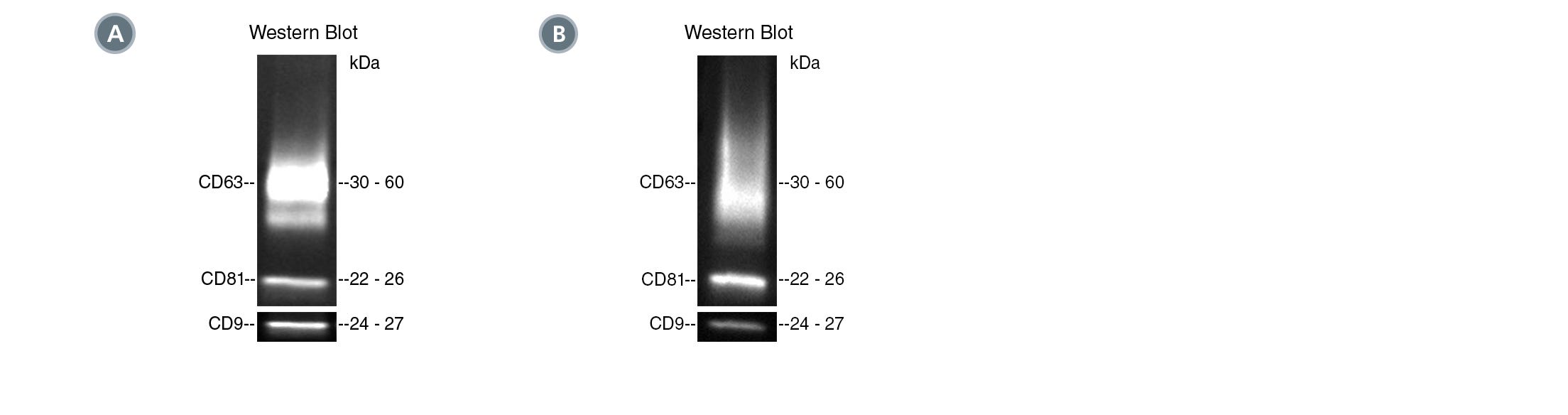
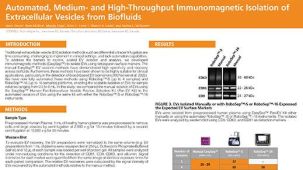
Figure 1. Typical Western Blot Analyses of EVs Isolated from Human Plasma and Mesenchymal Stromal Cell (MSC)-Conditioned Medium

The Western blot analyses in the above examples show positive isolation of EVs with CD9, CD63, and CD81 tetraspanin markers from (A) human plasma and (B) MSC-conditioned medium. Western blots were run under non-reducing conditions.

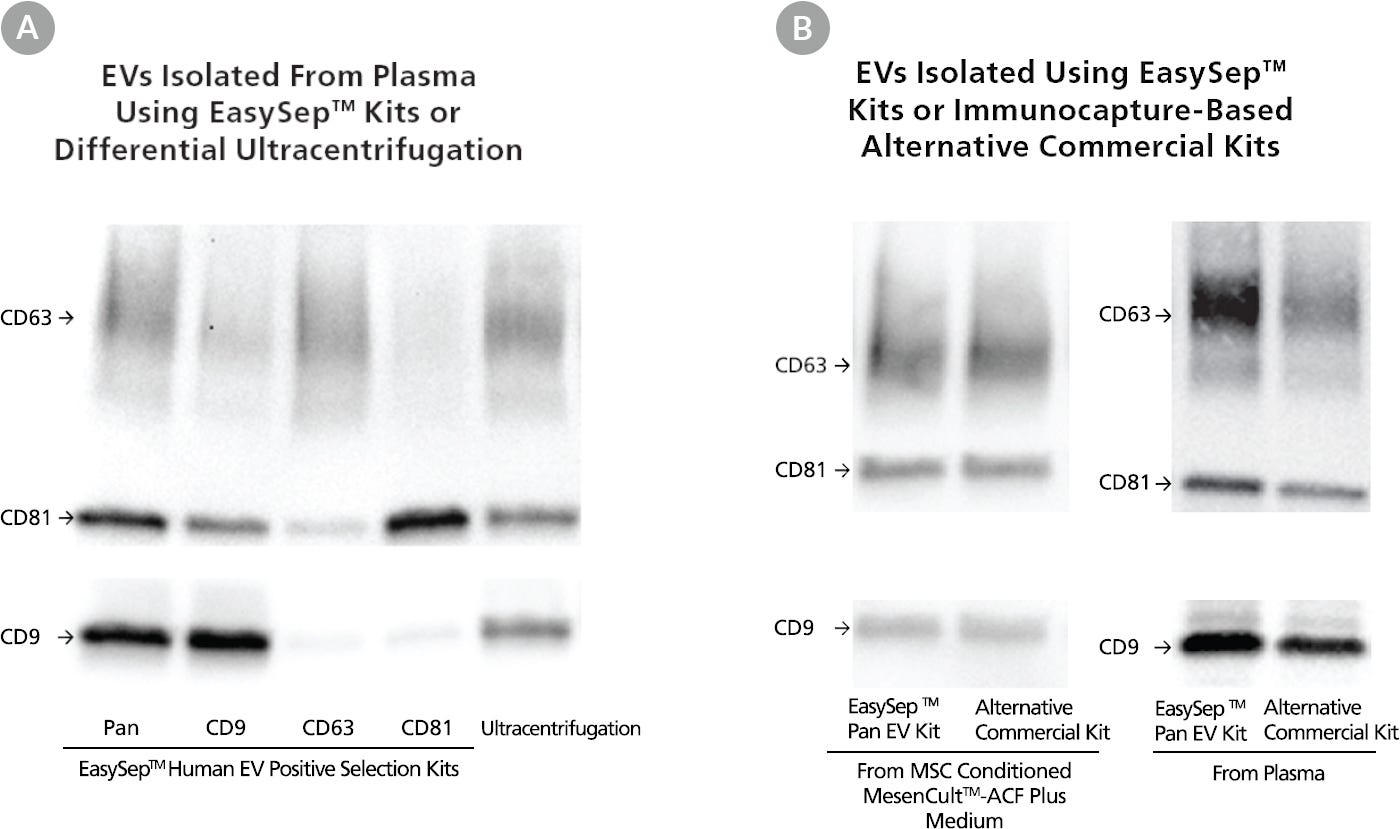
Figure 2. Tetraspanin Protein Expression and Recovery of EVs Using EasySep™ Human Pan/CD9/CD63/CD81 Extracellular Vesicle Positive Selection Kits

(A) EVs were isolated from plasma using either EasySep™ Human Extracellular Vesicle Positive Selection Kits or differential ultracentrifugation (2 x 70 min, 100,000 xg) and isolated fractions were analyzed by western blot for tetraspanin protein expression. (B) Equal or higher recovery of EVs was achieved from mesenchymal stromal cell (MSC)-conditioned MesenCult™-ACF Plus Medium and plasma using EasySep™ Human PanExtracellular Vesicle Positive Selection Kit when compared to EVs isolated using other commercially available immunocapture-based EV isolation kits.

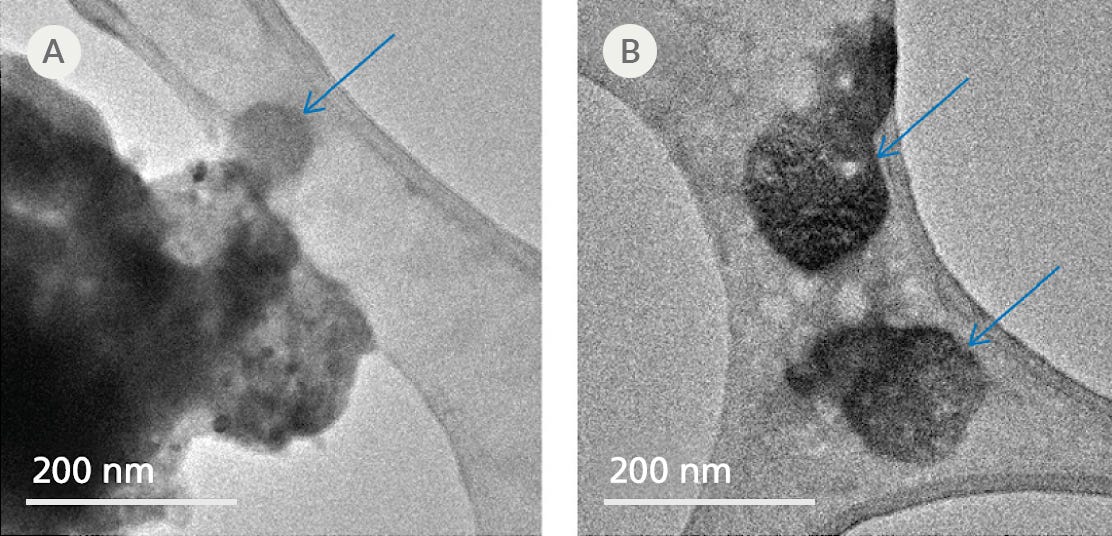
Figure 3. Images of Plasma-Derived EVs Isolated Using EasySep™ Human Pan-Extracellular Vesicle Positive Selection Kit

Transmission electron microscopy (TEM) analysis following EasySep™ positive selection shows intact and spherical-shaped (arrows) plasma-derived EVs. The isolated EVs are attached to tetrameric antibody complexes and magnetic particles.

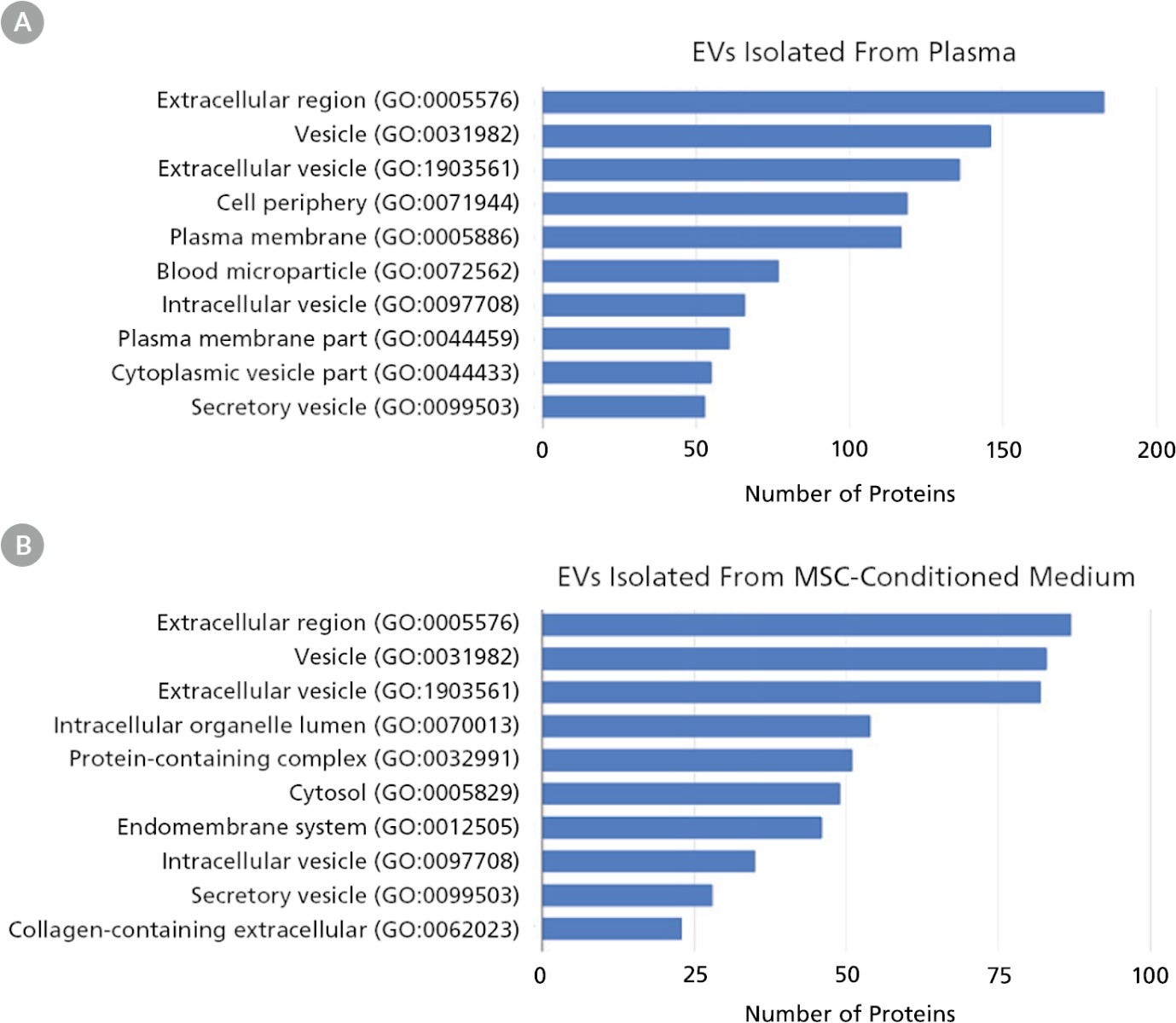
Figure 4. Top 10 Cellular Compartment Gene Ontology Terms for EVs Isolated from Plasma or MSC-Conditioned Medium Using EasySep™ Human Pan-Extracellular Vesicle Positive Selection Kit

Proteins present in EVs isolated from (A) plasma and (B) MSC-conditioned medium using EasySep™ Human Pan-Extracellular Vesicle Positive Selection Kit were detected by proteomic analysis. \Gene Ontology analysis showed the detected proteins were grouped by terms associated with EVs, confirming the quality and compatibility of isolated EVs with mass spectrometry analysis.

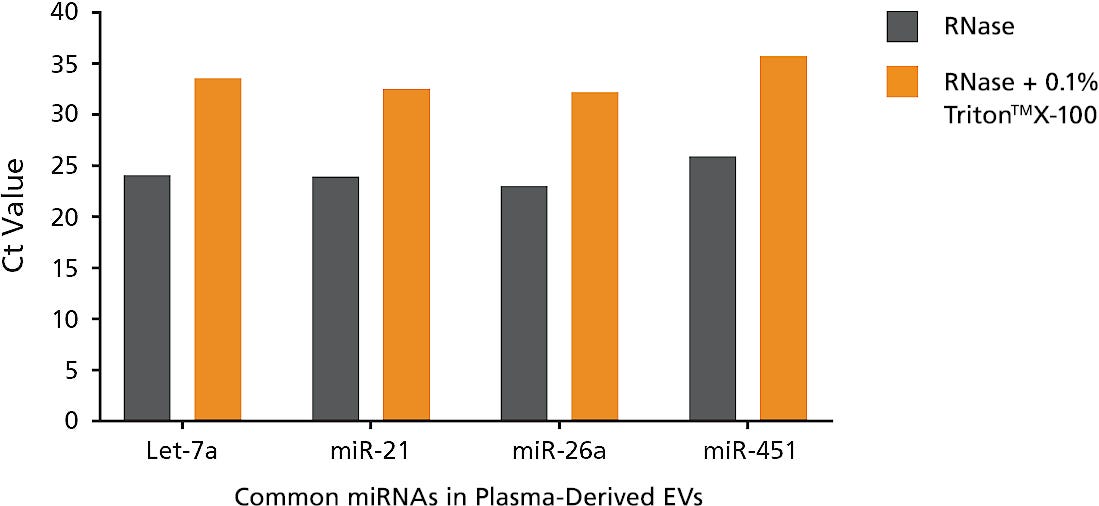
Figure 5. Common microRNAs (miRNAs) in Plasma-Derived EVs Isolated Using EasySep™ Human Pan-Extracellular Vesicle Positive Selection Kit

MicroRNAs (miRNAs) found in plasma were detected with RT-qPCR demonstrating the compatibility of EasySep™ Human Pan-Extracellular Vesicle Positive Selection Kit with downstream RNA extraction and RNA analysis. The increase in Ct value following EV lysis using 0.1% Triton™X-100 and RNase digestion demonstrate the integrity of isolated EVs.

产品说明书及文档

请在《产品说明书》中查找相关支持信息和使用说明,或浏览下方更多实验方案。

Document Type
Product Name
Catalog #
Lot #
Language
Document Type
产品说明书
Catalog #
17891
Lot #
All
Language
中文
Catalog #
17891
Lot #
All
Language
English
Document Type
Safety Data Sheet 1
Catalog #
17891
Lot #
All
Language
English
Document Type
Safety Data Sheet 2
Catalog #
17891
Lot #
All
Language
English

应用领域

本产品专为以下研究领域设计,适用于工作流程中的高亮阶段。探索这些工作流程,了解更多我们为各研究领域提供的其他配套产品。

相关材料与文献

技术资料 (8)

文献 (2)

A method of separating extracellular vesicles from blood shows potential clinical translation, and reveals extracellular vesicle cargo gremlin-1 as a diagnostic biomarker. N. McNamee et al. Translational oncology 2022 jan

Abstract

Extracellular vesicles (EVs) have potential as minimally invasive biomarkers. However,the methods most commonly used for EV retrieval rely on ultracentrifugation,are time-consuming,and unrealistic to translate to standard-of-care. We sought a method suitable for EV separation from blood that could be used in patient care. Sera from breast cancer patients and age-matched controls (n = 27 patients; n = 36 controls) were analysed to compare 6 proposed EV separation methods. The EVs were then characterised on 8 parameters. The selected method was subsequently applied to independent cohorts of sera (n = 20 patients; n = 20 controls),as proof-of-principle,investigating EVs' gremlin-1 cargo. Three independent runs with each method were very reproducible,within each given method. All isolates contained EVs,although they varied in quantity and purity. Methods that require ultracentrifugation were not superior for low volumes of sera typically available in routine standard-of-care. A CD63/CD81/CD9-coated immunobead-based method was most suitable based on EV markers' detection and minimal albumin and lipoprotein contamination. Applying this method to independent sera cohorts,EVs and their gremlin-1 cargo were at significantly higher amounts for breast cancer patients compared to controls. In conclusion,CD63/CD81/CD9-coated immunobeads may enable clinical utility of blood-based EVs as biomarkers.
Study protocol for the ROLEX-DUO randomised placebo-controlled trial: ROmosozumab Loaded with EXercise – DUal effects on bone and muscle in postmenopausal Osteoporosis and Osteopenia BMJ Open 2024 Aug

Abstract

AbstractIntroductionNovel strategies are needed to address the rising burden of osteoporosis and fragility fractures. High-intensity resistance and impact (HiRIT) exercise has shown benefit in improving bone density in postmenopausal women with osteoporosis/osteopenia. Whether HiRIT can enhance the therapeutic effects of osteoporosis pharmacotherapy has not been established. ROLEX-DUO is a randomised controlled trial designed to assess the efficacy of romosozumab on various bone and muscle outcomes in combination with different exercise interventions in women with postmenopausal osteoporosis/osteopenia.Methods and analysisROLEX-DUO is an 8-month randomised placebo-controlled trial conducted at two tertiary referral centres for patients with osteoporosis/osteopenia in Sydney,New South Wales,Australia. The study is implementing the combination of romosozumab or placebo with different forms of exercise in postmenopausal women with osteoporosis/osteopenia without recent fragility fracture (n=102). Eligible women will be randomised 1:1:1 into one of three groups: (1) romosozumab with supervised HiRIT,(2) romosozumab with unsupervised low-intensity exercise or (3) placebo with unsupervised low-intensity exercise. Co-primary outcomes are the mean percentage change in lumbar spine bone mineral density (BMD),and mean change in five times sit-to-stand test performance (seconds) at 8 months. Secondary/exploratory outcomes include BMD changes at the femoral neck,total hip and distal radius,three-dimensional dual-energy X-ray absorptiometry (DXA) hip outcomes,DXA-derived lean and fat mass,serum markers of bone turnover (procollagen type 1 peptide,C-telopeptide of type 1 collagen) and bone biomarkers (dickkopf-1),serum extracellular vesicle analyses,36-Item Short Form Survey (SF-36) quality-of-life scores,Menopause-Specific Quality Of Life (MENQOL) Questionnaire menopause symptom burden scores,number of falls and fractures. Mixed-effects models will be performed to compare longitudinal outcome results between groups using intention-to-treat analysis.Ethics and disseminationThe trial was approved by the Northern Sydney Local Health District Human Research Ethics Committee (2022/ETH01794,protocol V.8,dated 03 July 2024). Participants will provide written informed consent prior to inclusion. Findings will be disseminated via peer-reviewed journals,scientific conferences and summary reports to funding bodies.Trial registration numberACTRN12623000867695.

更多信息

更多信息
Magnet Compatibility • EasySep™ Magnet (Catalog #18000) • “The Big Easy” EasySep™ Magnet (Catalog #18001)
样本来源 其它细胞系
Selection Method Positive
质量保证:

产品仅供研究使用,不用于针对人或动物的诊断或治疗。 欲获悉更多关于STEMCELL的质控信息,请访问 STEMCELL.CN/COMPLIANCE.
Copyright © 2026 by STEMCELL Technologies. All rights reserved.

在线联系