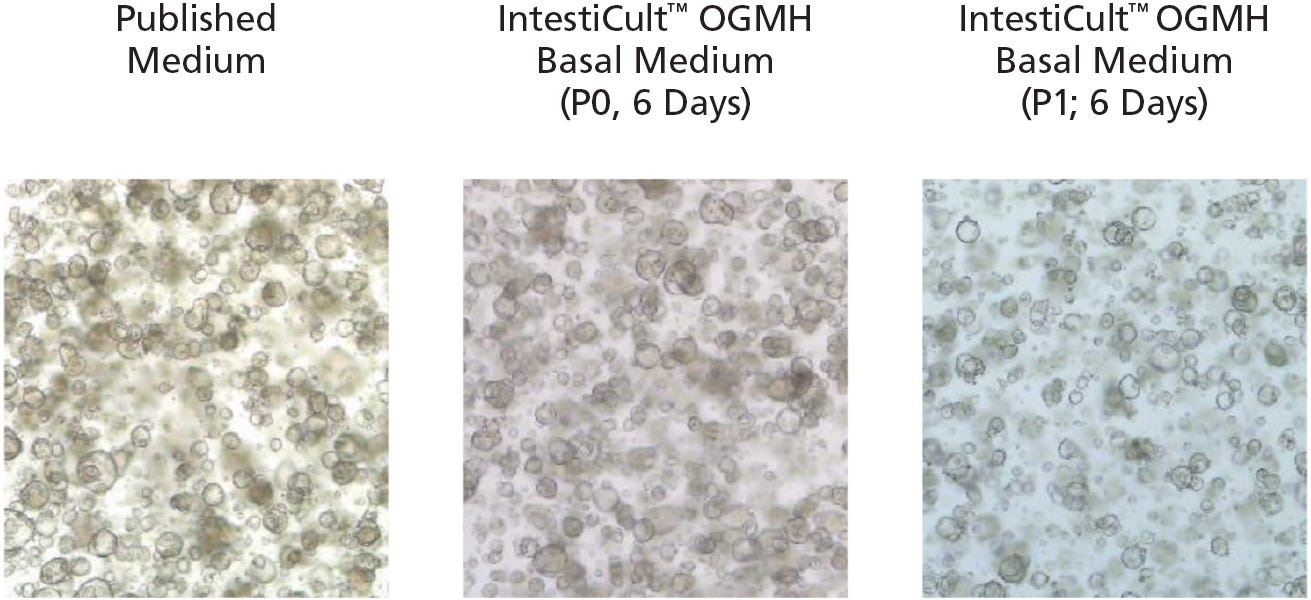
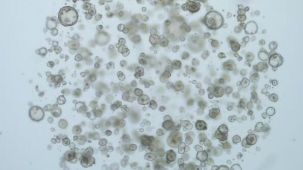
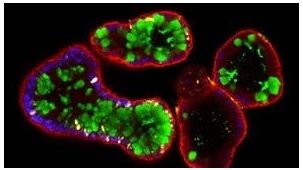
Figure 1. Growth of Cancer-Derived Organoids in IntestiCult™ OGM Human Basal Medium
Organoids were established from colorectal cancer biopsies in published medium1, then switched to IntestiCult™ OGMH (P0), as described below. Cancer-derived organoids demonstrated efficient growth both after establishment in IntestiCult™ OGM Human Basal Medium, as well as after passaging. Data used with permission from Hubrecht Organoid Technology.
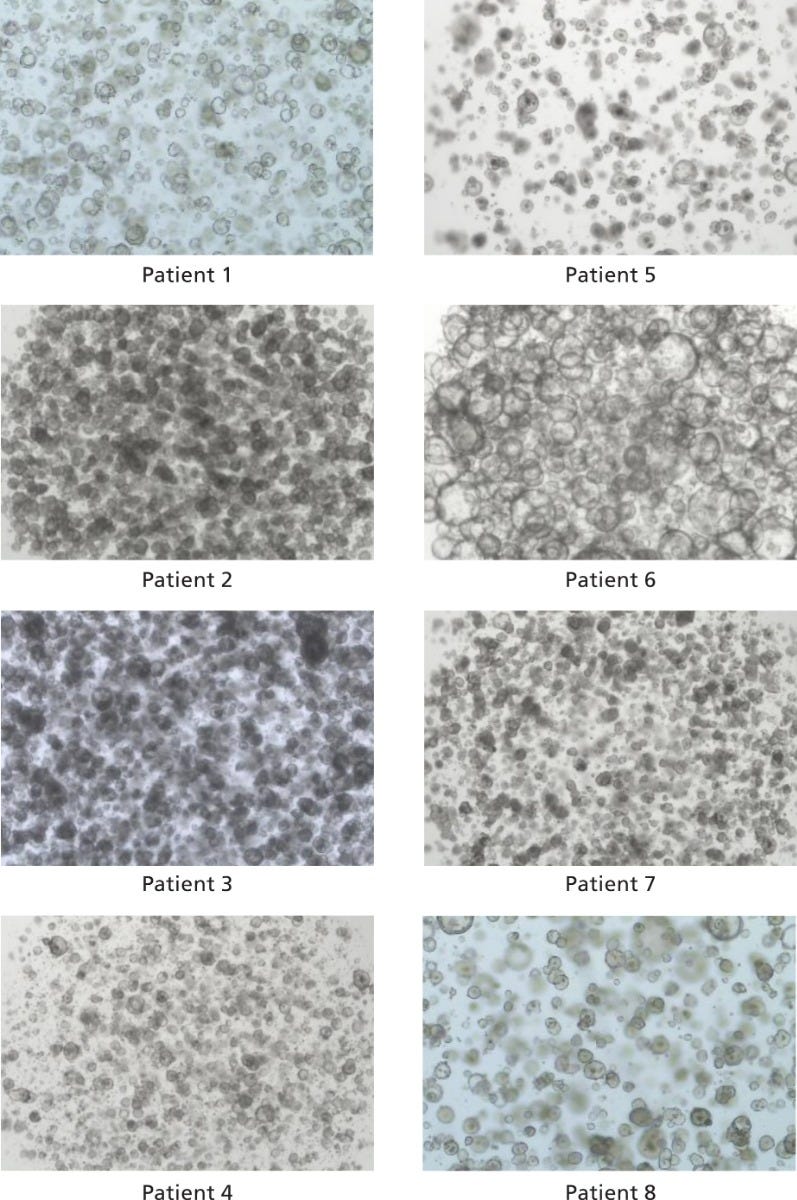
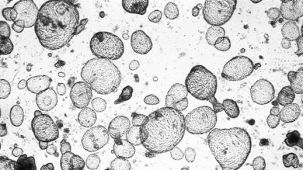
Figure 2. IntestiCult™ OGM Human Basal Medium Enables Organoid Growth Across Different Patients
Organoids were established in published medium1 from colorectal tumor biopsy samples, then switched to IntestiCult™ OGM Human Basal Medium after passaging as described above. Organoids were passaged twice in IntestiCult™ OGMH Basal Medium and imaged at the end of the second passage (day 6 - 12). Data used with permission from Hubrecht Organoid Technology.
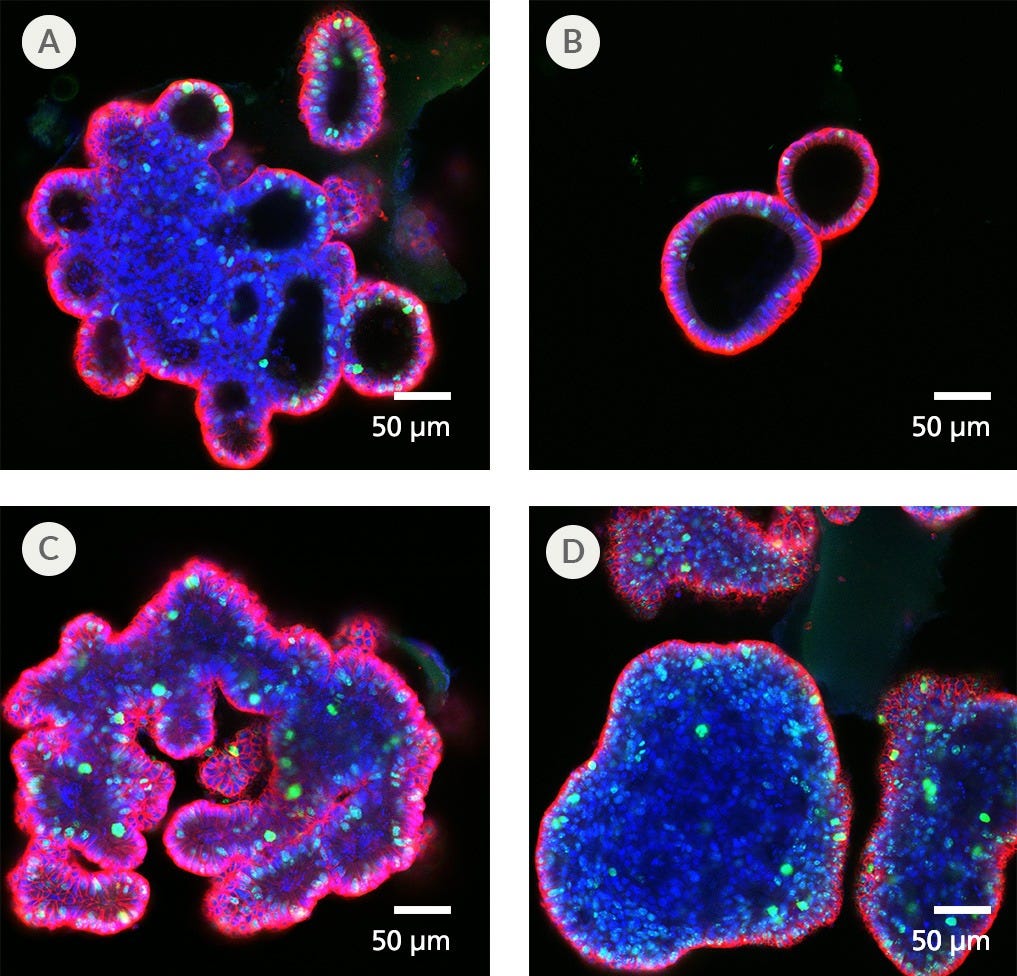
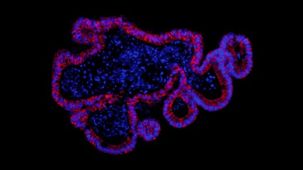
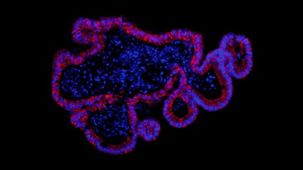
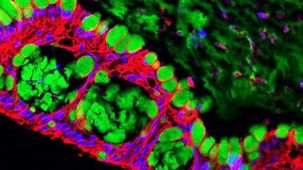
Figure 3. Colorectal Cancer Organoids Reflect Donor-Specific Colonic Features
Representative confocal images of human colorectal cancer organoids from four donors, cultured using IntestiCult™ OGM Human Basal Medium. Organoids were fixed and stained for Ki67 (green), EPCAM (red) and DAPI (Blue). Donor-specific differences in morphology were observed, including polarization and hollow lumens (A, B), or denser structures, lacking distinct epithelial polarization (C, D). Scale bars = 50 µm.
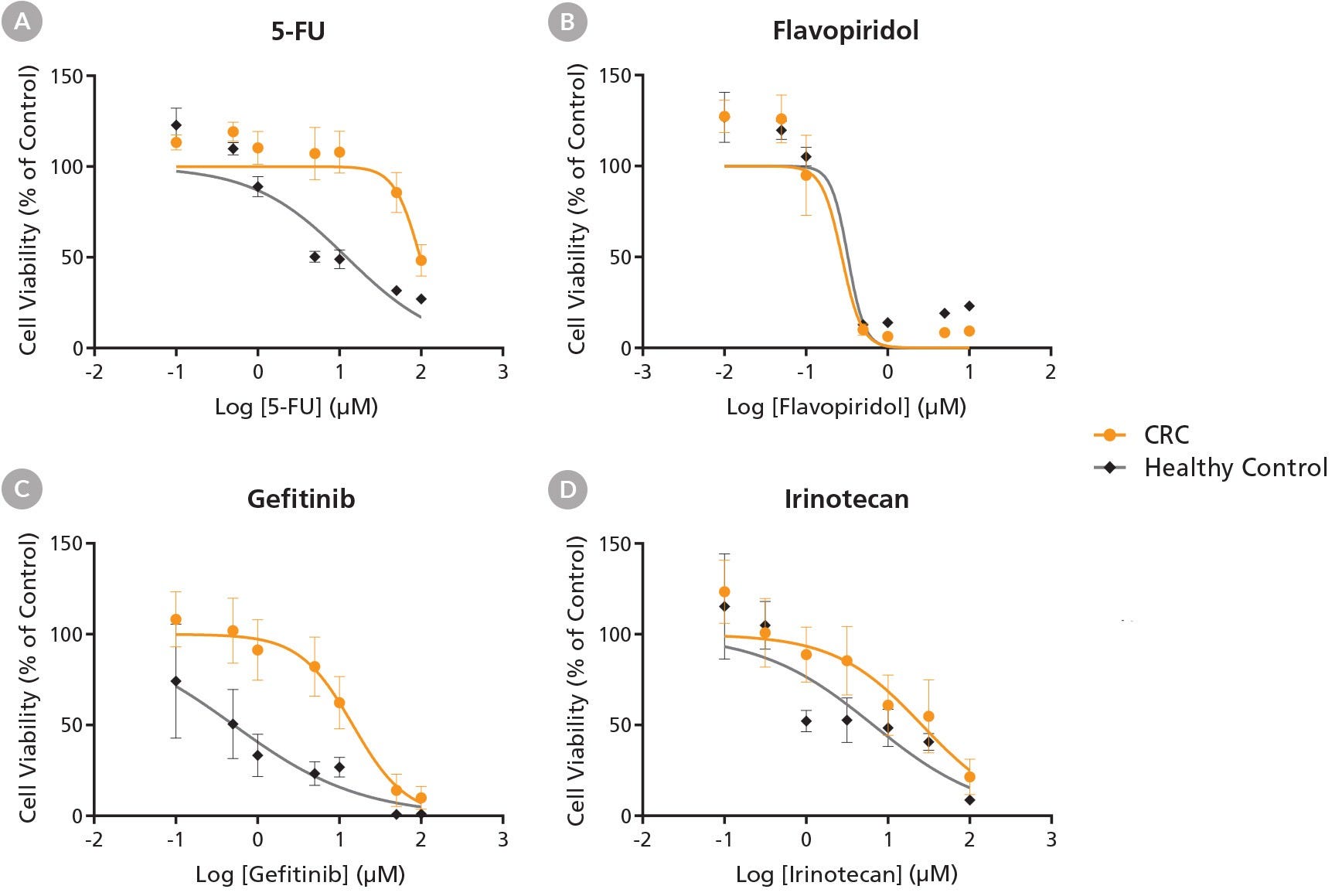
Figure 4. Colorectal Cancer Organoids Cultured in IntestiCult™OGM Human Basal Medium Are Sensitive to Drug-Induced Toxicity in a Dose-Dependent Manner
Colorectal cancer organoids (CRCs) from 4 donors were treated with increasing concentrations of (A) 5-FU, (B) Flavopiridol, (C) Gefitinib, or (D) Irinotecan, and were compared to organoids from a healthy colon donor for 5 days. Cell viability was assessed on Day 7 using the CellTiter-Glo® Cell Viability Assay (Promega). Error bars = SEM.
Sublytic Activity of a Pore‐Forming Protein From Commensal Bacteria Causes Epigenetic Modulation of Tumour‐Affiliated Protein Expression E. Toh et al.
Journal of Extracellular Vesicles 2025 Aug
Abstract
Cytolysin A (ClyA) is a pore‐forming protein from a strongly silenced gene in non‐pathogenic Escherichia coli,including typical commensal isolates in the intestinal microbiome of healthy mammalian hosts. Upon overproduction,ClyA‐expressing bacteria display a cytolytic phenotype. However,it remains unclear whether sublytic amounts of native ClyA play a role in commensal E. coli ‐host interactions in vivo. Here,we show that sublytic amounts of ClyA are released via outer membrane vesicles (OMVs) and affect host cells in a remarkable manner. OMVs isolated from ClyA + E. coli were internalised into cultured colon cancer cells. The OMV‐associated ClyA caused reduced levels of cancer‐activating proteins such as H3K27me3,CXCR4,STAT3 and MDM2 via the EZH2/H3K27me3/microRNA 622/CXCR4 signalling axis. Our results demonstrate that sublytic amounts of ClyA in OMVs from non‐pathogenic E. coli can influence the stability of the EZH2 protein,reducing its activity in epigenetic regulation,causing elevated level of the tumour suppressor protein p53.
Colorectal Air–Liquid Interface Organoids Preserve Tumour-Immune Architecture and Reveal Local Treg Expansion After PD-1 Blockade L. Córdoba et al.
Cancers 2025 Dec
Abstract
Background/objectives: Interactions between colorectal tumours and their immune microenvironment critically influence disease progression and response to immunotherapy. However,most organoid systems fail to preserve the complex architecture and immune composition of the original tissue. Here,we applied the air-liquid interface (ALI) organoid model to paired tumour and perilesional colon tissues from colorectal cancer patients to evaluate its ability to retain immune and genetic features and to reproduce responses to chemotherapy and immune checkpoint blockade. Methods: Fresh human tumour and matched healthy colon tissues were processed to generate ALI organoids. Their histological organization,immune cell composition (including CD45+ subsets),and genomic profiles were compared with those of the parental tissues and with conventional Matrigel organoids,either alone or co-cultured with peripheral blood mononuclear cells (PBMCs). Organoids were exposed to 5-FU and nivolumab (anti-PD-1) to assess local immune modulation. Results: ALI organoids faithfully preserved the three-dimensional architecture,native immune infiltrates,and somatic mutational landscape of the source tissues. Importantly,upon PD-1 blockade with nivolumab,ALI organoids consistently exhibited a local expansion of regulatory T cells (Tregs),a phenomenon that could contribute to adaptive immune resistance. This response was not reproduced in PBMC-Matrigel co-culture systems,highlighting the importance of preserving endogenous tumour-immune interactions. Conclusions: Patient-derived ALI organoids represent a physiologically relevant platform that conserves key structural,immunological,and genomic hallmarks of colorectal cancer. By capturing clinically relevant immune remodeling events,such as Treg expansion following PD-1 blockade,this model provides a powerful tool for dissecting tumour-immune interactions.
Thank you for your interest in IntestiCult™ Organoid Growth Medium (Human). Please provide us with your contact information and your local representative will contact you with a customized quote. Where appropriate, they
can also assist you with a(n):
Estimated delivery time for your area
Product sample or exclusive offer
In-lab demonstration
By submitting this form, you are providing your consent to STEMCELL Technologies Canada Inc. and its subsidiaries and affiliates (“STEMCELL”) to collect and use your information, and send you newsletters and emails in accordance with our
privacy policy. Please contact us with any questions that you may have. You can unsubscribe or change your email preferences at any time.
This product was developed under a license to intellectual property owned by Hubrecht Organoid Technology (HUB). This product is sold for research use only. Purchase of this product does not include the right to use it for drug screening aiming for commercial gain, equipment validation, biobanking, or for other commercial purposes. Purchasers wishing to use the product for purposes other than basic research use should contact HUB at www.huborganoids.nl to obtain a further license. Purchasers may apply for a License from HUB, which will not be unreasonably withheld by HUB. 质量保证:
产品仅供研究使用,不用于针对人或动物的诊断或治疗。 欲获悉更多关于STEMCELL的质控信息,请访问 STEMCELL.CN/COMPLIANCE. Safety Statement: CA WARNING: This product can expose you to Progesterone which is known to the State of California to cause cancer. For more information go to www.P65Warnings.ca.gov