A. D. Mandi\'c et al. (feb 2019)
Scientific reports 9 1 1177
Clostridium ramosum regulates enterochromaffin cell development and serotonin release.
Peripheral serotonin (5-hydroxytryptamine: 5-HT) synthesized in the intestine by enterochromaffin cells (ECs),plays an important role in the regulation of peristaltic of the gut,epithelial secretion and promotes the development and maintenance of the enteric neurons. Recent studies showed that the indigenous gut microbiota modulates 5-HT signalling and that ECs use sensory receptors to detect dietary and microbiota-derived signals from the lumen to subsequently transduce the information to the nervous system. We hypothesized that Clostridium ramosum by increasing gut 5-HT availability consequently contributes to high-fat diet-induced obesity. Using germ-free mice and mice monoassociated with C. ramosum,intestinal cell lines and mouse organoids,we demonstrated that bacterial cell components stimulate host 5-HT secretion and program the differentiation of colonic intestinal stem progenitors toward the secretory 5-HT-producing lineage. An elevated 5-HT level regulates the expression of major proteins involved in intestinal fatty acid absorption in vitro,suggesting that the presence of C. ramosum in the gut promotes 5-HT secretion and thereby could facilitates intestinal lipid absorption and the development of obesity.
View Publication
产品类型:
产品号#:
06010
产品名:
IntestiCult™ 类器官生长培养基 (人)
Vessillier S et al. (SEP 2015)
Journal of immunological methods 424 43--52
Cytokine release assays for the prediction of therapeutic mAb safety in first-in man trials--Whole blood cytokine release assays are poorly predictive for TGN1412 cytokine storm.
The therapeutic monoclonal antibody (mAb) TGN1412 (anti-CD28 superagonist) caused near-fatal cytokine release syndrome (CRS) in all six volunteers during a phase-I clinical trial. Several cytokine release assays (CRAs) with reported predictivity for TGN1412-induced CRS have since been developed for the preclinical safety testing of new therapeutic mAbs. The whole blood (WB) CRA is the most widely used,but its sensitivity for TGN1412-like cytokine release was recently criticized. In a comparative study,using group size required for 90% power with 5% significance as a measure of sensitivity,we found that WB and 10% (v/v) WB CRAs were the least sensitive for TGN1412 as these required the largest group sizes (n = 52 and 79,respectively). In contrast,the peripheral blood mononuclear cell (PBMC) solid phase (SP) CRA was the most sensitive for TGN1412 as it required the smallest group size (n = 4). Similarly,the PBMC SP CRA was more sensitive than the WB CRA for muromonab-CD3 (anti-CD3) which stimulates TGN1412-like cytokine release (n = 4 and 4519,respectively). Conversely,the WB CRA was far more sensitive than the PBMC SP CRA for alemtuzumab (anti-CD52) which stimulates FcγRI-mediated cytokine release (n = 8 and 180,respectively). Investigation of potential factors contributing to the different sensitivities revealed that removal of red blood cells (RBCs) from WB permitted PBMC-like TGN1412 responses in a SP CRA,which in turn could be inhibited by the addition of the RBC membrane protein glycophorin A (GYPA); this observation likely underlies,at least in part,the poor sensitivity of WB CRA for TGN1412. The use of PBMC SP CRA for the detection of TGN1412-like cytokine release is recommended in conjunction with adequately powered group sizes for dependable preclinical safety testing of new therapeutic mAbs.
View Publication
产品类型:
产品号#:
18352
18352RF
产品名:
(Sep 2024)
Frontiers in Immunology 15 10
Pregnancy-related factors induce immune tolerance through regulation of sCD83 release
A well-balanced maternal immune system is crucial to maintain fetal tolerance in case of infections during pregnancy. Immune adaptations include an increased secretion of soluble mediators to protect the semi-allogeneic fetus from excessive pro-inflammatory response. B lymphocytes acquire a higher capacity to express CD83 and secrete soluble CD83 (sCD83) upon exposure to bacteria-derived components such as LPS. CD83 possesses immune modulatory functions and shows a promising therapeutic potential against inflammatory conditions. The administration of sCD83 to pregnant mice reduces LPS-induced abortion rates. The increased CD83 expression by endometrial B cells as compared to peripheral blood B cells suggests its modulatory role in the fetal tolerance,especially in the context of infection. We postulate that in pregnancy,CD83 expression and release is controlled by pregnancy-related hormones. The intra- and extracellular expression of CD83 in leukocytes from peripheral blood or decidua basalis and parietalis at term were analyzed by flow cytometry. After treatment with pregnancy-related hormones and LPS,ELISA and qPCR were performed to study sCD83 release and CD83 gene expression,respectively. Cleavage prediction analysis was used to find potential proteases targeting CD83. Expression of selected proteases was analyzed by ELISA. Higher levels of CD83 were found in CD11c+ dendritic cells,CD3+ T cells and CD19+ B cells from decidua basalis and decidua parietalis after LPS-stimulation in vitro. An increase of intracellular expression of CD83 was also detected in CD19+ B cells from both compartments. Stimulated B cells displayed significantly higher percentages of CD83+ cells than dendritic cells and T cells from decidua basalis and peripheral blood. Treatment of B lymphocytes with pregnancy-related molecules (E2,P4,TGF-β1 and hCG) enhanced the LPS-mediated increase of CD83 expression,while dexamethasone led to a reduction. Similarly,the release of sCD83 was increased under TGF-β1 treatment but decreased upon dexamethasone stimulation. Finally,we found that the hormonal regulation of CD83 expression is likely a result from a balance between gene transcription from CD83 and the modulation of the metalloproteinase MMP-7. Thus,data supports and complements our previous murine studies on hormonal regulation of CD83 expression,reinforcing its immunomodulatory relevance in anti-bacterial responses during pregnancy.
View Publication


 EasySep™小鼠TIL(CD45)正选试剂盒




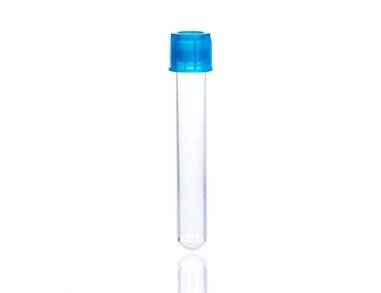 Falcon® 圆底管,带细胞滤网扣盖,5 mL 无菌聚苯乙烯圆底管,配有尼龙网细胞过滤器卡扣盖
 RoboSep™-16垃圾袋 RoboSep™-16垃圾袋
 RoboSep™-S附加服务包 RoboSep™- S -全自动细胞分选仪器
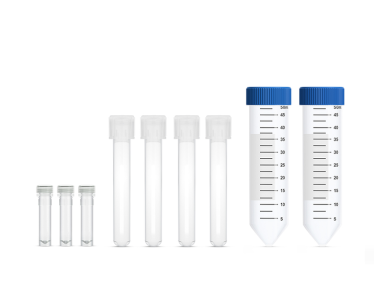 RoboSep™分选管套装 RoboSep™分选管套装(9个塑料管)
 技术公告Isolate Mouse CD45.1 or CD45.2 Positive Cells with EasySep™ Release Mouse Positive Selection Kits
 产品手册使用EasySep™ Release 获得不含磁珠标记的细胞



 沪公网安备31010102008431号