Lianguzova MS et al. (APR 2007)
Cell biology international 31 4 330--7
Phosphoinositide 3-kinase inhibitor LY294002 but not serum withdrawal suppresses proliferation of murine embryonic stem cells.
Mouse embryonic stem (mES) cells have short duration of their cell cycle and are capable of proliferating in the absence of growth factors. To find out which signaling pathways contribute to the regulation of the mES cell cycle,we used pharmacological inhibitors of MAP and PI3 kinase cascades. The MAP kinase inhibitors as well as serum withdrawal did not affect mES cell cycle distribution,whereas the inhibitor of PI3K activity,LY294002,induced accumulation of cells in G(1) phase followed by apoptotic cell death. Serum withdrawal also causes apoptosis,but it does not change the content and activity of cell cycle regulators. In contrast,in mES cells treated with LY294002,the activities of Cdk2 and E2F were significantly decreased. Interestingly,LY294002had a much stronger effect on cell cycle distribution in low serum conditions,implying that serum can promote G(1)--textgreaterS transition of mES cells by a LY294002-resistant mechanism. Thus,proliferation of mES cells is maintained by at least two separate mechanisms: a LY294002-sensitive pathway,which is active even in the absence of serum,and LY294002-resistant,but serum-dependent,pathway.
View Publication
产品号#:
72152
72154
产品名:
LY294002
LY294002
Cheung YY et al. (MAR 2007)
The Journal of clinical investigation 117 3 784--93
Impaired neutrophil activity and increased susceptibility to bacterial infection in mice lacking glucose-6-phosphatase-beta.
Neutropenia and neutrophil dysfunction are common in many diseases,although their etiology is often unclear. Previous views held that there was a single ER enzyme,glucose-6-phosphatase-alpha (G6Pase-alpha),whose activity--limited to the liver,kidney,and intestine--was solely responsible for the final stages of gluconeogenesis and glycogenolysis,in which glucose-6-phosphate (G6P) is hydrolyzed to glucose for release to the blood. Recently,we characterized a second G6Pase activity,that of G6Pase-beta (also known as G6PC),which is also capable of hydrolyzing G6P to glucose but is ubiquitously expressed and not implicated in interprandial blood glucose homeostasis. We now report that the absence of G6Pase-beta led to neutropenia; defects in neutrophil respiratory burst,chemotaxis,and calcium flux; and increased susceptibility to bacterial infection. Consistent with this,G6Pase-beta-deficient (G6pc3-/-) mice with experimental peritonitis exhibited increased expression of the glucose-regulated proteins upregulated during ER stress in their neutrophils and bone marrow,and the G6pc3-/- neutrophils exhibited an enhanced rate of apoptosis. Our results define a molecular pathway to neutropenia and neutrophil dysfunction of previously unknown etiology,providing a potential model for the treatment of these conditions.
View Publication
产品号#:
03231
产品名:
MethoCult™M3231
van Corven EJ et al. (JAN 1992)
The Biochemical journal 281 ( Pt 1 163--9
Mitogenic action of lysophosphatidic acid and phosphatidic acid on fibroblasts. Dependence on acyl-chain length and inhibition by suramin.
Lysophosphatidic acid (LPA) is a naturally occurring phospholipid with growth-factor-like activities [van Corven,Groenink,Jalink,Eichholtz & Moolenaar (1989) Cell 45,45-54]. We have examined various structural analogues of LPA for their ability to stimulate DNA synthesis in quiescent fibroblasts. When the acyl-chain length is varied,the rank order of mitogenic potency is: 1-oleoyl LPA congruent to 1-palmitoyl LPA greater than 1-myristoyl LPA greater than 1-lauroyl LPA greater than 1-decanoyl LPA; the last compound shows almost no activity over the concentration range tested (1-100 microM). An ether-linked LPA (1-O-hexadecylglycerol 3-phosphate) has much decreased mitogenic activity as compared with the ester-linked analogue at concentrations less than 25 microM,and becomes cytotoxic at higher concentrations. Hexadecylphosphate,which lacks a glycerol backbone,has negligible activity. On a molar basis,diacyl phosphatidic acid (PA) is about equally potent as the corresponding LPA analogue,showing similar acyl-chain-length dependence; the data argue against the possibility that the mitogenic action of PA is due to contaminating traces of LPA. Although the short-chain analogues of LPA and PA fail to antagonize the action of long-chain (L)PAs,the polyanionic drug suramin inhibits LPA- and PA-induced,DNA synthesis in a reversible and dose-dependent manner,at concentrations [IC50 (concn. giving 50% inhibition) approximately 70 microM] that do not affect epidermal-growth-factor-induced DNA synthesis. Suramin appears to act in the early G0/G1 phase of the cell cycle,blocking immediate responses to LPA such as phosphoinositide hydrolysis. We conclude that both LPA and PA can function as growth-promoting phospholipids,with the fatty acid chain length being a major determinant of mitogenic potency.
View Publication
产品号#:
72692
72694
产品名:
1-Oleoyl Lysophosphatidic Acid (Sodium Salt)
Kubota Y et al. (MAR 2007)
Journal of immunology (Baltimore,Md. : 1950) 178 5 2923--31
Mcl-1 depletion in apoptosis elicited by ionizing radiation in peritoneal resident macrophages of C3H mice.
Remarkably,apoptosis was induced by exposing peritoneal resident macrophages (PRM) of C3H mice,but not other strains of mice,to ionizing radiation. The molecular mechanism of this strain-specific apoptosis in PRM was studied. The apoptosis elicited in C3H mouse PRM 4 h after exposure was effectively blocked by proteasome inhibitors. Irradiation-induced disruption of mitochondrial transmembrane potential and the release of cytochrome c into the cytosol were also suppressed by a proteasome inhibitor but not by a caspase inhibitor. To determine whether the apoptosis occurred due to a depletion of antiapoptotic proteins,Bcl-2 family proteins were examined. Irradiation markedly decreased the level of Mcl-1,but not Bcl-2,Bcl-X(L),Bax,A1,or cIAP1. Mcl-1's depletion was suppressed by a proteasome inhibitor but not by a caspase inhibitor. The amount of Mcl-1 was well correlated with the rate of apoptosis in C3H mouse PRM exposed to irradiation and not affected by irradiation in radioresistant B6 mouse PRM. Irradiation increased rather than decreased the Mcl-1 mRNA expression in C3H mouse PRM. On the other hand,Mcl-1 protein synthesis was markedly suppressed by irradiation. Global protein synthesis was also suppressed by irradiation in C3H mouse PRM but not in B6 mouse PRM. The down-regulation of Mcl-1 expression with Mcl-1-specific small interfering RNA or antisense oligonucleotide significantly induced apoptosis in both C3H and B6 mouse PRM without irradiation. It was concluded that the apoptosis elicited in C3H mouse PRM by ionizing radiation was attributable to the depletion of Mcl-1 through radiation-induced arrest of global protein synthesis.
View Publication
产品号#:
03534
产品名:
MethoCult™GF M3534
Penicka M et al. (JUL 2007)
Heart (British Cardiac Society) 93 7 837--41
One-day kinetics of myocardial engraftment after intracoronary injection of bone marrow mononuclear cells in patients with acute and chronic myocardial infarction.
OBJECTIVE: To investigate the kinetics of myocardial engraftment of bone marrow-derived mononuclear cells (BMNCs) after intracoronary injection using 99mTc-d,l-hexamethylpropylene amine oxime (99mTc-HMPAO) nuclear imaging in patients with acute and chronic anterior myocardial infarction. DESIGN: Nuclear imaging-derived tracking of BMNCs at 2 and 20 h after injection in the left anterior descending (LAD) coronary artery. SETTING: Academical cardiocentre. PATIENTS: Five patients with acute (mean (SD) age 58 (11) years; ejection fraction range 33-45%) and five patients with chronic (mean (SD) age 50 (6) years; ejection fraction range 28-34%) anterior myocardial infarction. INTERVENTIONS: A total of 24.2 x 10(8)-57.0 x 10(8) BMNCs (20% labelled with 700-1000 MBq 99mTc-HMPAO) were injected in the LAD coronary artery. RESULTS: At 2 h after BMNC injection,myocardial activity was observed in all patients with acute (range 1.31-5.10%) and in all but one patient with chronic infarction (range 1.10-3.0%). At 20 h,myocardial engraftment was noted only in three patients with acute myocardial infarction,whereas no myocardial activity was noted in any patient with chronic infarction. CONCLUSIONS: Engraftment of BMNCs shows dynamic changes within the first 20 h after intracoronary injection. Persistent myocardial engraftment was noted only in a subset of patients with acute myocardial infarction.
View Publication
产品号#:
04434
04444
产品名:
MethoCult™H4434经典
MethoCult™H4434经典
Seeger FH et al. (MAR 2007)
European heart journal 28 6 766--72
Cell isolation procedures matter: a comparison of different isolation protocols of bone marrow mononuclear cells used for cell therapy in patients with acute myocardial infarction.
AIM: The recently published REPAIR-AMI and ASTAMI trial showed differences in contractile recovery of left ventricular function after infusion of bone marrow-derived cells in acute myocardial infarction. Since the trials used different protocols for cell isolation and storage (REPAIR-AMI: Ficoll,storage in X-vivo 10 medium plus serum; ASTAMI: Lymphoprep,storage in NaCl plus plasma),we compared the functional activity of BMC isolated by the two different protocols. METHODS AND RESULTS: The recovery of total cell number,colony-forming units (CFU),and the number of mesenchymal stem cells were significantly reduced to 77 +/- 4%,83 +/- 16%,and 65 +/- 15%,respectively,when using the ASTAMI protocol compared with the REPAIR protocol. The capacity of the isolated BMC to migrate in response to stromal cell-derived factor 1 (SDF-1) was profoundly reduced when using the ASTAMI cell isolation procedure (42 +/- 8% and 78 +/- 3% reduction in healthy and CAD-patient cells,respectively). Finally,infusion of BMC into a hindlimb ischaemia model demonstrated a significantly blunted blood-flow-recovery by BMC isolated with the ASTAMI protocol (54 +/- 6% of the effect obtained by REPAIR cells). Comparison of the individual steps identified the use of NaCl and plasma for cell storage as major factors for functional impairment of the BMC. CONCLUSION: Cell isolation protocols have a major impact on the functional activity of bone marrow-derived progenitor cells. The assessment of cell number and viability may not entirely reflect the functional capacity of cells in vivo. Additional functional testing appears to be mandatory to assure proper cell function before embarking on clinical cell therapy trials.
View Publication
产品号#:
04564
04534
04544
产品名:
入门套件MethoCult™H4534经典无EPO
MethoCult™H4534经典无EPO
Crawford TQ and Roelink H (MAR 2007)
Developmental dynamics : an official publication of the American Association of Anatomists 236 3 886--92
The notch response inhibitor DAPT enhances neuronal differentiation in embryonic stem cell-derived embryoid bodies independently of sonic hedgehog signaling.
During development of the neural tube,inhibition of the Notch response as well as the activation of the Sonic Hedgehog (Shh) response results in the formation of neuronal cell types. To determine whether Shh and Notch act independently,we tested the effects of the Notch inhibitor DAPT (N-[N-(3,5-difluorophenacetyl)-l-alanyl]-S-phenylglycine t-butyl ester) on neuralized,embryonic stem (ES) cell-derived embryoid bodies (EBs),while varying the levels of Shh pathway activation. Shh-resistant EBs were derived from Smo null ES cells,while EBs with constitutive high level of Shh pathway activation were derived from Ptc1 null ES cells. Intermediate levels of Shh pathway activation was achieved by the addition of ShhN to the EB culture medium. It was found that DAPT-mediated inhibition of the Notch response resulted in enhanced neuronal differentiation. In the absence of Shh,more interneurons were detected,while the main effect of DAPT on EBs with an activated Shh response was the precocious loss of ventral neuronal precursor-specific markers.
View Publication
产品号#:
72082
产品名:
DAPT
Kubicek S et al. (FEB 2007)
Molecular cell 25 3 473--81
Reversal of H3K9me2 by a small-molecule inhibitor for the G9a histone methyltransferase.
Histone lysine methylation has important roles in the organization of chromatin domains and the regulation of gene expression. To analyze its function and modulate its activity,we screened for specific inhibitors against histone lysine methyltransferases (HMTases) using recombinant G9a as the target enzyme. From a chemical library comprising 125,000 preselected compounds,seven hits were identified. Of those,one inhibitor,BIX-01294 (diazepin-quinazolin-amine derivative),does not compete with the cofactor S-adenosyl-methionine,and selectively impairs the G9a HMTase and the generation of H3K9me2 in vitro. In cellular assays,transient incubation of several cell lines with BIX-01294 lowers bulk H3K9me2 levels that are restored upon removal of the inhibitor. Importantly,chromatin immunoprecipitation at several G9a target genes demonstrates reversible reduction of promoter-proximal H3K9me2 in inhibitor-treated mouse ES cells and fibroblasts. Our data identify a biologically active HMTase inhibitor that allows for the transient modulation of H3K9me2 marks in mammalian chromatin.
View Publication
产品号#:
72042
72044
产品名:
BIX01294 (Trihydrochloride Hydrate)
Li J et al. ( 2007)
Differentiation; research in biological diversity 75 4 299--307
MEK/ERK signaling contributes to the maintenance of human embryonic stem cell self-renewal.
MEK/ERK signaling plays a crucial role in a diverse set of cellular functions including cell proliferation,differentiation and survival,and recently has been reported to negatively regulate mouse embryonic stem cell (mESC) self-renewal by antagonizing STAT3 activity. However,its role in human ESCs (hESCs) remains unclear. Here we investigated the functions of MEK/ERK in controlling hESC activity. We demonstrated that MEK/ERK kinases were targets of fibroblast growth factor (FGF) pathway in hESCs. Surprisingly,we found that,in contrast to mESCs,high basal MEK/ERK activity was required for maintaining hESCs in an undifferentiated state. Inhibition of MEK/ERK activity by specific MEK inhibitors PD98059 and U0126,or by RNA interference,rapidly caused the loss of self-renewal capacity. We also showed that MEK/ERK signaling cooperated with phosphoinositide 3-kinase (PI3K)/AKT signaling in maintaining hESC pluripotency. However,MEK/ERK signaling had little or no effect on regulating hESC proliferation and survival,in contrast to PI3K/AKT signaling. Taken together,these findings reveal the unique and crucial role of MEK/ERK signaling in the determination of hESC cell fate and expand our understanding of the molecular mechanisms behind the FGF pathway maintenance of hESC pluripotency. Importantly,these data make evident the striking differences in the control of self-renewal between hESCs and mESCs.
View Publication
产品号#:
73522
73524
产品名:
U-0126
Gruber M et al. (FEB 2007)
Proceedings of the National Academy of Sciences of the United States of America 104 7 2301--6
Acute postnatal ablation of Hif-2alpha results in anemia.
Adaptive transcriptional responses to oxygen deprivation (hypoxia) are mediated by the hypoxia-inducible factors (HIFs),heterodimeric transcription factors composed of two basic helix-loop-helix-PAS family proteins. The transcriptional activity of HIF is determined by the hypoxic stabilization of the HIF-alpha proteins. HIF-1alpha and HIF-2alpha exhibit high sequence homology but have different mRNA expression patterns; HIF-1alpha is expressed ubiquitously whereas HIF-2alpha expression is more restricted to certain tissues,e.g.,the endothelium,lung,brain,and neural crest derivatives. Germ-line deletion of either HIF subunit is embryonic lethal with unique features suggesting important roles for both HIF-alpha isoforms. Global deletion of Hif-2alpha results in distinct phenotypes depending on the mouse strain used for the mutation,clearly demonstrating an important role for HIF-2alpha in mouse development. The function of HIF-2alpha in adult life,however,remains incompletely understood. In this study,we describe the generation of a conditional murine Hif-2alpha allele and the effect of its acute postnatal ablation. Under very stringent conditions,we ablate Hif-2alpha after birth and compare the effect of acute global deletion of Hif-2alpha and Hif-1alpha. Our results demonstrate that HIF-2alpha plays a critical role in adult erythropoiesis,with acute deletion leading to anemia. Furthermore,although HIF-1alpha was first purified and cloned based on its affinity for the human erythropoietin (EPO) 3' enhancer hypoxia response element (HRE) and regulates Epo expression during mouse embryogenesis,HIF-2alpha is the critical alpha isoform regulating Epo under physiologic and stress conditions in adults.
View Publication
产品号#:
03334
产品名:
MethoCult™M3334
Sekimoto E et al. (FEB 2007)
Cancer research 67 3 1184--92
A single-chain Fv diabody against human leukocyte antigen-A molecules specifically induces myeloma cell death in the bone marrow environment.
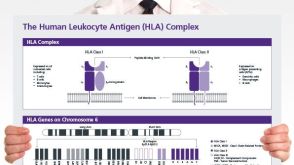
Cross-linked human leukocyte antigen (HLA) class I molecules have been shown to mediate cell death in neoplastic lymphoid cells. However,clinical application of an anti-HLA class I antibody is limited by possible side effects due to widespread expression of HLA class I molecules in normal tissues. To reduce the unwanted Fc-mediated functions of the therapeutic antibody,we have developed a recombinant single-chain Fv diabody (2D7-DB) specific to the alpha2 domain of HLA-A. Here,we show that 2D7-DB specifically induces multiple myeloma cell death in the bone marrow environment. Both multiple myeloma cell lines and primary multiple myeloma cells expressed HLA-A at higher levels than normal myeloid cells,lymphocytes,or hematopoietic stem cells. 2D7-DB rapidly induced Rho activation and robust actin aggregation that led to caspase-independent death in multiple myeloma cells. This cell death was completely blocked by Rho GTPase inhibitors,suggesting that Rho-induced actin aggregation is crucial for mediating multiple myeloma cell death. Conversely,2D7-DB neither triggered Rho-mediated actin aggregation nor induced cell death in normal bone marrow cells despite the expression of HLA-A. Treatment with IFNs,melphalan,or bortezomib enhanced multiple myeloma cell death induced by 2D7-DB. Furthermore,administration of 2D7-DB resulted in significant tumor regression in a xenograft model of human multiple myeloma. These results indicate that 2D7-DB acts on multiple myeloma cells differently from other bone marrow cells and thus provide the basis for a novel HLA class I-targeting therapy against multiple myeloma.
View Publication
产品号#:
04034
04044
产品名:
MethoCult™H4034 Optimum
Castriconi R et al. (JUN 2007)
Blood 109 11 4873--81
Functional characterization of natural killer cells in type I leukocyte adhesion deficiency.
In this study,we analyzed IL-2-activated polyclonal natural killer (NK) cells derived from 2 patients affected by leukocyte adhesion deficiency type I (LAD1),an immunodeficiency characterized by mutations of the gene coding for CD18,the beta subunit shared by major leukocyte integrins. We show that LAD1 NK cells express normal levels of various triggering NK receptors (and coreceptors) and that mAb-mediated engagement of these receptors results in the enhancement of both NK cytolytic activity and cytokine production. Moreover,these activating NK receptors were capable of recognizing their specific ligands on target cells. Thus,LAD1 NK cells,similarly to normal NK cells,were capable of killing most human tumor cells analyzed and produced high amounts of IFN-gamma when cocultured in presence of target cells. Murine target cells represented a common exception,as they were poorly susceptible to LAD1 NK cells. Finally,LAD1 NK cells could efficiently kill or induce maturation of monocyte-derived immature dendritic cells (DCs). Altogether our present study indicates that in LAD1 patients,3 important functions of NK cells (eg,cytotoxicity,IFN-gamma production,and DC editing) are only marginally affected and provides new insight on the cooperation between activating receptors and LFA-1 in the induction of NK cell activation and function.
View Publication