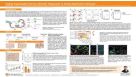
Chronic Hepatitis C Virus Infection Impairs M1 Macrophage Differentiation and Contributes to CD8+ T-Cell Dysfunction.
Chronic hepatitis C virus (HCV) infection causes generalized CD8+ T cell impairment,not limited to HCV-specific CD8+ T-cells. Liver-infiltrating monocyte-derived macrophages (MDMs) contribute to the local micro-environment and can interact with and influence cells routinely trafficking through the liver,including CD8+ T-cells. MDMs can be polarized into M1 (classically activated) and M2a,M2b,and M2c (alternatively activated) phenotypes that perform pro- and anti-inflammatory functions,respectively. The impact of chronic HCV infection on MDM subset functions is not known. Our results show that M1 cells generated from chronic HCV patients acquire M2 characteristics,such as increased CD86 expression and IL-10 secretion,compared to uninfected controls. In contrast,M2 subsets from HCV-infected individuals acquired M1-like features by secreting more IL-12 and IFN-gamma. The severity of liver disease was also associated with altered macrophage subset differentiation. In co-cultures with autologous CD8+ T-cells from controls,M1 macrophages alone significantly increased CD8+ T cell IFN-gamma expression in a cytokine-independent and cell-contact-dependent manner. However,M1 macrophages from HCV-infected individuals significantly decreased IFN-gamma expression in CD8+ T-cells. Therefore,altered M1 macrophage differentiation in chronic HCV infection may contribute to observed CD8+ T-cell dysfunction. Understanding the immunological perturbations in chronic HCV infection will lead to the identification of therapeutic targets to restore immune function in HCV+ individuals,and aid in the mitigation of associated negative clinical outcomes.
View Publication
产品号#:
17853
17853RF
100-0699
产品名:
EasySep™人CD8正选试剂盒 II
RoboSep™ 人CD8正选试剂盒 II
EasySep™人CD8阳性选择试剂盒II
D. G. W. Alanine et al. (jun 2019)
Cell 178 1 216--228
Human Antibodies that Slow Erythrocyte Invasion Potentiate Malaria-Neutralizing Antibodies.
The Plasmodium falciparum reticulocyte-binding protein homolog 5 (PfRH5) is the leading target for next-generation vaccines against the disease-causing blood-stage of malaria. However,little is known about how human antibodies confer functional immunity against this antigen. We isolated a panel of human monoclonal antibodies (mAbs) against PfRH5 from peripheral blood B cells from vaccinees in the first clinical trial of a PfRH5-based vaccine. We identified a subset of mAbs with neutralizing activity that bind to three distinct sites and another subset of mAbs that are non-functional,or even antagonistic to neutralizing antibodies. We also identify the epitope of a novel group of non-neutralizing antibodies that significantly reduce the speed of red blood cell invasion by the merozoite,thereby potentiating the effect of all neutralizing PfRH5 antibodies as well as synergizing with antibodies targeting other malaria invasion proteins. Our results provide a roadmap for structure-guided vaccine development to maximize antibody efficacy against blood-stage malaria.
View Publication
产品号#:
19054
19054RF
17963
17963RF
产品名:
EasySep™人B细胞富集试剂盒
RoboSep™ 人B细胞富集试剂盒含滤芯吸头
EasySep™人B细胞富集试剂盒II(不去除CD43)
RoboSep™ 人B细胞富集试剂盒II(不去除CD43)
S. Arandjelovic et al. (feb 2019)
Nature immunology 20 2 141--151
A noncanonical role for the engulfment gene ELMO1 in neutrophils that promotes inflammatory arthritis.
Rheumatoid arthritis is characterized by progressive joint inflammation and affects {\~{}}1{\%} of the human population. We noted single-nucleotide polymorphisms (SNPs) in the apoptotic cell-engulfment genes ELMO1,DOCK2,and RAC1 linked to rheumatoid arthritis. As ELMO1 promotes cytoskeletal reorganization during engulfment,we hypothesized that ELMO1 loss would worsen inflammatory arthritis. Surprisingly,Elmo1-deficient mice showed reduced joint inflammation in acute and chronic arthritis models. Genetic and cell-biology studies revealed that ELMO1 associates with receptors linked to neutrophil function in arthritis and regulates activation and early neutrophil recruitment to the joints,without general inhibition of inflammatory responses. Further,neutrophils from the peripheral blood of human donors that carry the SNP in ELMO1 associated with arthritis display increased migratory capacity,whereas ELMO1 knockdown reduces human neutrophil migration to chemokines linked to arthritis. These data identify 'noncanonical' roles for ELMO1 as an important cytoplasmic regulator of specific neutrophil receptors and promoter of arthritis.
View Publication
产品号#:
19762
19762RF
产品名:
EasySep™小鼠中性粒细胞富集试剂盒
RoboSep™ 小鼠中性粒细胞富集试剂盒含滤芯吸头
A. Arazi et al. ( 2019)
Nature immunology 20 7 902--914
The immune cell landscape in kidneys of patients with lupus nephritis.
Lupus nephritis is a potentially fatal autoimmune disease for which the current treatment is ineffective and often toxic. To develop mechanistic hypotheses of disease,we analyzed kidney samples from patients with lupus nephritis and from healthy control subjects using single-cell RNA sequencing. Our analysis revealed 21 subsets of leukocytes active in disease,including multiple populations of myeloid cells,T cells,natural killer cells and B cells that demonstrated both pro-inflammatory responses and inflammation-resolving responses. We found evidence of local activation of B cells correlated with an age-associated B-cell signature and evidence of progressive stages of monocyte differentiation within the kidney. A clear interferon response was observed in most cells. Two chemokine receptors,CXCR4 and CX3CR1,were broadly expressed,implying a potentially central role in cell trafficking. Gene expression of immune cells in urine and kidney was highly correlated,which would suggest that urine might serve as a surrogate for kidney biopsies.
View Publication
产品号#:
07930
07931
07940
07955
07959
07952
85415
85420
100-1061
产品名:
CryoStor® CS10
CryoStor® CS10
CryoStor® CS10
CryoStor® CS10
CryoStor® CS10
CryoStor® CS10
SepMate™-15 (IVD)
SepMate™-15 (IVD)
CryoStor® CS10
J. Bae et al. (mar 2019)
Leukemia
Selective targeting of multiple myeloma by B cell maturation antigen (BCMA)-specific central memory CD8+ cytotoxic T lymphocytes: immunotherapeutic application in vaccination and adoptive immunotherapy.
To expand the breadth and extent of current multiple myeloma (MM)-specific immunotherapy,we have identified various antigens on CD138+ tumor cells from newly diagnosed MM patients (n = 616) and confirmed B-cell maturation antigen (BCMA) as a key myeloma-associated antigen. The aim of this study is to target the BCMA,which promotes MM cell growth and survival,by generating BCMA-specific memory CD8+ CTL that mediate effective and long-lasting immunity against MM. Here we report the identification of novel engineered peptides specific to BCMA,BCMA72-80 (YLMFLLRKI),and BCMA54-62 (YILWTCLGL),which display improved affinity/stability to HLA-A2 compared to their native peptides and induce highly functional BCMA-specific CTL with increased activation (CD38,CD69) and co-stimulatory (CD40L,OX40,GITR) molecule expression. Importantly,the heteroclitic BCMA72-80 specific CTL demonstrated poly-functional Th1-specific immune activities [IFN-gamma/IL-2/TNF-alpha production,proliferation,cytotoxicity] against MM,which were correlated with expansion of Tetramer+ and memory CD8+ CTL. Additionally,heteroclitic BCMA72-80 specific CTL treated with anti-OX40 (immune agonist) or anti-LAG-3 (checkpoint inhibitor) display increased immune function,mainly by central memory CTL. These results provide the framework for clinical application of heteroclitic BCMA72-80 peptide,alone and in combination with anti-LAG3 and/or anti-OX40 therapy,in vaccination and/or adoptive immunotherapeutic strategies to generate long-lasting anti-tumor immunity in patients with MM or other BCMA expressing tumors.
View Publication