Azari H et al. (JAN 2011)
Journal of visualized experiments : JoVE 56 e3633
Isolation and expansion of human glioblastoma multiforme tumor cells using the neurosphere assay.
Stem-like cells have been isolated in tumors such as breast,lung,colon,prostate and brain. A critical issue in all these tumors,especially in glioblastoma mutliforme (GBM),is to identify and isolate tumor initiating cell population(s) to investigate their role in tumor formation,progression,and recurrence. Understanding tumor initiating cell populations will provide clues to finding effective therapeutic approaches for these tumors. The neurosphere assay (NSA) due to its simplicity and reproducibility has been used as the method of choice for isolation and propagation of many of this tumor cells. This protocol demonstrates the neurosphere culture method to isolate and expand stem-like cells in surgically resected human GBM tumor tissue. The procedures include an initial chemical digestion and mechanical dissociation of tumor tissue,and subsequently plating the resulting single cell suspension in NSA culture. After 7-10 days,primary neurospheres of 150-200 μm in diameter can be observed and are ready for further passaging and expansion.
View Publication
产品号#:
05751
05752
产品名:
NeuroCult™ NS-A 扩增试剂盒(人)
NeuroCult™ NS-A 分化试剂盒(人)
Sikandar SS et al. (FEB 2010)
Cancer research 70 4 1469--78
NOTCH signaling is required for formation and self-renewal of tumor-initiating cells and for repression of secretory cell differentiation in colon cancer.
NOTCH signaling is critical for specifying the intestinal epithelial cell lineage and for initiating colorectal adenomas and colorectal cancers (CRC). Based on evidence that NOTCH is important for the maintenance and self-renewal of cancer-initiating cells in other malignancies,we studied the role of NOTCH signaling in colon cancer-initiating cells (CCIC). Tumors formed by CCICs maintain many properties of the primary CRCs from which they were derived,such as glandular organization,cell polarity,gap junctions,and expression of characteristic CRC molecular markers. Furthermore,CCICs have the property of self-renewal. In this study,we show that NOTCH signaling is 10- to 30-fold higher in CCIC compared with widely used colon cancer cell lines. Using small-molecule inhibition and short hairpin RNA knockdown,we show that NOTCH prevents CCIC apoptosis through repression of cell cycle kinase inhibitor p27 and transcription factor ATOH1. NOTCH is also critical to intrinsic maintenance of CCIC self-renewal and the repression of secretory cell lineage differentiation genes such as MUC2. Our findings describe a novel human cell system to study NOTCH signaling in CRC tumor initiation and suggest that inhibition of NOTCH signaling may improve CRC chemoprevention and chemotherapy.
View Publication
产品号#:
01700
01705
01702
产品名:
ALDEFLUOR™ 试剂盒
ALDEFLUOR™ DEAB试剂, 1.5 mM, 1 mL
ALDEFLUOR™检测缓冲液
Cheng Y et al. ( 2013)
BMC cell biology 14 1 44
Physiological β-catenin signaling controls self-renewal networks and generation of stem-like cells from nasopharyngeal carcinoma.
BACKGROUND: A few reports suggested that low levels of Wnt signaling might drive cell reprogramming,but these studies could not establish a clear relationship between Wnt signaling and self-renewal networks. There are ongoing debates as to whether and how the Wnt/β-catenin signaling is involved in the control of pluripotency gene networks. Additionally,whether physiological β-catenin signaling generates stem-like cells through interactions with other pathways is as yet unclear. The nasopharyngeal carcinoma HONE1 cells have low expression of β-catenin and wild-type expression of p53,which provided a possibility to study regulatory mechanism of stemness networks induced by physiological levels of Wnt signaling in these cells.backslashnbackslashnRESULTS: Introduction of increased β-catenin signaling,haploid expression of β-catenin under control by its natural regulators in transferred chromosome 3,resulted in activation of Wnt/β-catenin networks and dedifferentiation in HONE1 hybrid cell lines,but not in esophageal carcinoma SLMT1 hybrid cells that had high levels of endogenous β-catenin expression. HONE1 hybrid cells displayed stem cell-like properties,including enhancement of CD24(+) and CD44(+) populations and generation of spheres that were not observed in parental HONE1 cells. Signaling cascades were detected in HONE1 hybrid cells,including activation of p53- and RB1-mediated tumor suppressor pathways,up-regulation of Nanog-,Oct4-,Sox2-,and Klf4-mediated pluripotency networks,and altered E-cadherin expression in both in vitro and in vivo assays. qPCR array analyses further revealed interactions of physiological Wnt/β-catenin signaling with other pathways such as epithelial-mesenchymal transition,TGF-β,Activin,BMPR,FGFR2,and LIFR- and IL6ST-mediated cell self-renewal networks. Using β-catenin shRNA inhibitory assays,a dominant role for β-catenin in these cellular network activities was observed. The expression of cell surface markers such as CD9,CD24,CD44,CD90,and CD133 in generated spheres was progressively up-regulated compared to HONE1 hybrid cells. Thirty-four up-regulated components of the Wnt pathway were identified in these spheres.backslashnbackslashnCONCLUSIONS: Wnt/β-catenin signaling regulates self-renewal networks and plays a central role in the control of pluripotency genes,tumor suppressive pathways and expression of cancer stem cell markers. This current study provides a novel platform to investigate the interaction of physiological Wnt/β-catenin signaling with stemness transition networks.
View Publication
产品号#:
05850
05857
05870
05875
85850
85857
85870
85875
产品名:
mTeSR™1
mTeSR™1
Kanai R et al. (JUN 2011)
Clinical cancer research : an official journal of the American Association for Cancer Research 17 11 3686--96
A novel oncolytic herpes simplex virus that synergizes with phosphoinositide 3-kinase/Akt pathway inhibitors to target glioblastoma stem cells.
PURPOSE: To develop a new oncolytic herpes simplex virus (oHSV) for glioblastoma (GBM) therapy that will be effective in glioblastoma stem cells (GSC),an important and untargeted component of GBM. One approach to enhance oHSV efficacy is by combination with other therapeutic modalities. EXPERIMENTAL DESIGN: MG18L,containing a U(S)3 deletion and an inactivating LacZ insertion in U(L)39,was constructed for the treatment of brain tumors. Safety was evaluated after intracerebral injection in HSV-susceptible mice. The efficacy of MG18L in human GSCs and glioma cell lines in vitro was compared with other oHSVs,alone or in combination with phosphoinositide-3-kinase (PI3K)/Akt inhibitors (LY294002,triciribine,GDC-0941,and BEZ235). Cytotoxic interactions between MG18L and PI3K/Akt inhibitors were determined using Chou-Talalay analysis. In vivo efficacy studies were conducted using a clinically relevant mouse model of GSC-derived GBM. RESULTS: MG18L was severely neuroattenuated in mice,replicated well in GSCs,and had anti-GBM activity in vivo. PI3K/Akt inhibitors displayed significant but variable antiproliferative activities in GSCs,whereas their combination with MG18L synergized in killing GSCs and glioma cell lines,but not human astrocytes,through enhanced induction of apoptosis. Importantly,synergy was independent of inhibitor sensitivity. In vivo,the combination of MG18L and LY294002 significantly prolonged survival of mice,as compared with either agent alone,achieving 50% long-term survival in GBM-bearing mice. CONCLUSIONS: This study establishes a novel therapeutic strategy: oHSV manipulation of critical oncogenic pathways to sensitize cancer cells to molecularly targeted drugs. MG18L is a promising agent for the treatment of GBM,being especially effective when combined with PI3K/Akt pathway-targeted agents.
View Publication
产品号#:
05707
产品名:
NeuroCult™化学解离试剂盒(小鼠)
Xu X-L et al. (FEB 2010)
Carcinogenesis 31 2 167--74
The properties of tumor-initiating cells from a hepatocellular carcinoma patient's primary and recurrent tumor.
Hepatocellular carcinoma (HCC) is associated with a high morbidity and mortality due to its high rate of recurrence. However,little is known about the biological characteristics of recurrent HCC cells. A single patient's primary and recurrent HCC-derived cell lines,Hep-11 and Hep-12,respectively,were established by primary culture. These two cell lines have the same hepatitis B virus integration site and share many common amplifications and deletions,which suggest that they have the same clonal origin. While Hep-11 cells were non-tumorigenic at 16 weeks following injection of up to 10 000 cells,injection of only 100 Hep-12 cells was sufficient to initiate tumor growth,and all single Hep-12 clones were tumorigenic in immunodeficient mice. Compared with Hep-11,Hep-12 cells expressed the oval cell markers AFP,NCAM/CD56,c-kit/CD117,as well as multiple stem cell markers such as Nanog,OCT4 and SOX2. In addition,textgreater90% of Hep-12 cells were aldehyde dehydrogenase positive. They were also less resistant to paclitaxel,but more resistant to doxorubicin,cisplatin and hydroxycamptothecin (HCPT),which had been administrated to the patient. Furthermore,Hep-12 cells expressed higher levels of poly (adenosine diphosphate-ribose) polymerase-1 (PARP-1) than Hep-11,and PARP-1 inhibition potentiated the sensitivity to HCPT in Hep-12 cells but not in Hep-11 cells. These results indicate that a large population of the recurrent HCC-derived Hep-12 cells were tumor-initiating cells and that elevated expression of PARP-1 was related to their resistance to HCPT.
View Publication
产品号#:
01700
01705
01701
01702
产品名:
ALDEFLUOR™ 试剂盒
ALDEFLUOR™ DEAB试剂, 1.5 mM, 1 mL
ALDEFLUOR™检测缓冲液
Bunaciu RP and Yen A (MAR 2011)
Cancer research 71 6 2371--80
Activation of the aryl hydrocarbon receptor AhR Promotes retinoic acid-induced differentiation of myeloblastic leukemia cells by restricting expression of the stem cell transcription factor Oct4.
Retinoic acid (RA) is used to treat leukemia and other cancers through its ability to promote cancer cell differentiation. Strategies to enhance the anticancer effects of RA could deepen and broaden its beneficial therapeutic applications. In this study,we describe a receptor cross-talk system that addresses this issue. RA effects are mediated by RAR/RXR receptors that we show are modified by interactions with the aryl hydrocarbon receptor (AhR),a protein functioning both as a transcription factor and a ligand-dependent adaptor in an ubiquitin ligase complex. RAR/RXR and AhR pathways cross-talk at the levels of ligand-receptor and also receptor-promoter interactions. Here,we assessed the role of AhR during RA-induced differentiation and a hypothesized convergence at Oct4,a transcription factor believed to maintain stem cell characteristics. RA upregulated AhR and downregulated Oct4 during differentiation of HL-60 promyelocytic leukemia cells. AhR overexpression in stable transfectants downregulated Oct4 and also decreased ALDH1 activity,another stem cell-associated factor,enhancing RA-induced differentiation as indicated by cell differentiation markers associated with early (CD38 and CD11b) and late (neutrophilic respiratory burst) responses. AhR overexpression also increased levels of activated Raf1,which is known to help propel RA-induced differentiation. RNA interference-mediated knockdown of Oct4 enhanced RA-induced differentiation and G(0) cell-cycle arrest relative to parental cells. Consistent with the hypothesized importance of Oct4 downregulation for differentiation,parental cells rendered resistant to RA by biweekly high RA exposure displayed elevated Oct4 levels that failed to be downregulated. Together,our results suggested that therapeutic effects of RA-induced leukemia differentiation depend on AhR and its ability to downregulate the stem cell factor Oct4.
View Publication
Ma I and Allan AL (JUN 2011)
Stem cell reviews 7 2 292--306
The role of human aldehyde dehydrogenase in normal and cancer stem cells.
Normal stem cells and cancer stem cells (CSCs) share similar properties,in that both have the capacity to self-renew and differentiate into multiple cell types. In both the normal stem cell and cancer stem cell fields,there has been a great need for a universal marker that can effectively identify and isolate these rare populations of cells in order to characterize them and use this information for research and therapeutic purposes. Currently,it would appear that certain isoenzymes of the aldehyde dehydrogenase (ALDH) superfamily may be able to fulfill this role as a marker for both normal and cancer stem cells. ALDH has been identified as an important enzyme in the protection of normal hematopoietic stem cells,and is now also widely used as a marker to identify and isolate various types of normal stem cells and CSCs. In addition,emerging evidence suggests that ALDH1 is not only a marker for stem cells,but may also play important functional roles related to self-protection,differentiation,and expansion. This comprehensive review discusses the role that ALDH plays in normal stem cells and CSCs,with focus on ALDH1 and ALDH3A1. Discrepancies in the functional themes between cell types and future perspectives for therapeutic applications will also be discussed.
View Publication
产品号#:
01700
01705
01702
产品名:
ALDEFLUOR™ 试剂盒
ALDEFLUOR™ DEAB试剂, 1.5 mM, 1 mL
ALDEFLUOR™检测缓冲液
Elling C et al. (MAR 2011)
Blood 117 10 2935--43
Novel imatinib-sensitive PDGFRA-activating point mutations in hypereosinophilic syndrome induce growth factor independence and leukemia-like disease.
The FIP1L1-PDGFRA fusion is seen in a fraction of cases with a presumptive diagnosis of hypereosinophilic syndrome (HES). However,because most HES patients lack FIP1L1-PDGFRA,we studied whether they harbor activating mutations of the PDGFRA gene. Sequencing of 87 FIP1L1-PDGFRA-negative HES patients revealed several novel PDGFRA point mutations (R481G,L507P,I562M,H570R,H650Q,N659S,L705P,R748G,and Y849S). When cloned into 32D cells,N659S and Y849S and-on selection for high expressors-also H650Q and R748G mutants induced growth factor-independent proliferation,clonogenic growth,and constitutive phosphorylation of PDGFRA and Stat5. Imatinib antagonized Stat5 phosphorylation. Mutations involving positions 659 and 849 had been shown previously to possess transforming potential in gastrointestinal stromal tumors. Because H650Q and R748G mutants possessed only weak transforming activity,we injected 32D cells harboring these mutants or FIP1L1-PDGFRA into mice and found that they induced a leukemia-like disease. Oral imatinib treatment significantly decreased leukemic growth in vivo and prolonged survival. In conclusion,our data provide evidence that imatinib-sensitive PDGFRA point mutations play an important role in the pathogenesis of HES and we propose that more research should be performed to further define the frequency and treatment response of PDGFRA mutations in FIP1L1-PDGFRA-negative HES patients.
View Publication
产品号#:
03231
产品名:
MethoCult™ M3231
D. Gao et al. (SEP 2014)
Cell 159 1 176--187
Organoid cultures derived from patients with advanced prostate cancer.
The lack of in vitro prostate cancer models that recapitulate the diversity of human prostate cancer has hampered progress in understanding disease pathogenesis and therapy response. Using a 3D organoid system,we report success in long-term culture of prostate cancer from biopsy specimens and circulating tumor cells. The first seven fully characterized organoid lines recapitulate the molecular diversity of prostate cancer subtypes,including TMPRSS2-ERG fusion,SPOP mutation,SPINK1 overexpression,and CHD1 loss. Whole-exome sequencing shows a low mutational burden,consistent with genomics studies,but with mutations in FOXA1 and PIK3R1,as well as in DNA repair and chromatin modifier pathways that have been reported in advanced disease. Loss of p53 and RB tumor suppressor pathway function are the most common feature shared across the organoid lines. The methodology described here should enable the generation of a large repertoire of patient-derived prostate cancer lines amenable to genetic and pharmacologic studies.
View Publication
产品号#:
15122
15162
产品名:
RosetteSep™人CD45去除抗体混合物
RosetteSep™人CD45去除抗体混合物
Penumatsa K et al. (JAN 2010)
Journal of ovarian research 3 28
Differential expression of aldehyde dehydrogenase 1a1 (ALDH1) in normal ovary and serous ovarian tumors.
BACKGROUND: We showed there are specific ALDH1 autoantibodies in ovarian autoimmune disease and ovarian cancer,suggesting a role for ALDH1 in ovarian pathology. However,there is little information on the ovarian expression of ALDH1. Therefore,we compared ALDH1 expression in normal ovary and benign and malignant ovarian tumors to determine if ALDH1 expression is altered in ovarian cancer. Since there is also recent interest in ALDH1 as a cancer stem cell (CSC) marker,we assessed co-expression of ALDH1 with CSC markers in order to determine if ALDH1 is a potential CSC marker in ovarian cancer. METHODS: mRNA and protein expression were compared in normal human ovary and serous ovarian tumors using quantitative Reverse-Transcriptase PCR,Western blot (WB) and semi-quantitative immunohistochemistry (IHC). ALDH1 enzyme activity was confirmed in primary ovarian cells by flow cytometry (FC) using ALDEFLUOR assay. RESULTS: ALDH1 mRNA expression was significantly reduced (p textless 0.01; n = 5) in malignant tumors compared to normal ovaries and benign tumors. The proportion of ALDH1+ cells was significantly lower in malignant tumors (17.1 ± 7.61%; n = 5) compared to normal ovaries (37.4 ± 5.4%; p textless 0.01; n = 5) and benign tumors (31.03 ± 6.68%; p textless 0.05; n = 5). ALDH1+ cells occurred in the stroma and surface epithelium in normal ovary and benign tumors,although surface epithelial expression varied more in benign tumors. Localization of ALDH1 was heterogeneous in malignant tumor cells and little ALDH1 expression occurred in poorly differentiated malignant tumors. In benign tumors the distribution of ALDH1 had features of both normal ovary and malignant tumors. ALDH1 protein expression assessed by IHC,WB and FC was positively correlated (p textless 0.01). ALDH1 did not appear to be co-expressed with the CSC markers CD44,CD117 and CD133 by IHC. CONCLUSIONS: Total ALDH1 expression is significantly reduced in malignant ovarian tumors while it is relatively unchanged in benign tumors compared to normal ovary. Thus,ALDH1 expression in the ovary does not appear to be similar to breast,lung or colon cancer suggesting possible functional differences in these cancers. SIGNIFICANCE: These observations suggest that reduced ALDH1 expression is associated with malignant transformation in ovarian cancer and provides a basis for further study of the mechanism of ALDH1 in this process.
View Publication
产品号#:
01700
01705
07900
01702
100-0762
产品名:
ALDEFLUOR™ 试剂盒
ALDEFLUOR™ DEAB试剂, 1.5 mM, 1 mL
DNase I 溶液(1 mg/mL)
ALDEFLUOR™检测缓冲液
DNase I溶液(1mg /mL)
Rasheed Z et al. (JAN 2010)
Journal of visualized experiments : JoVE 43
Isolation of stem cells from human pancreatic cancer xenografts.
Cancer stem cells (CSCs) have been identified in a growing number of malignancies and are functionally defined by their ability to undergo self-renewal and produce differentiated progeny. These properties allow CSCs to recapitulate the original tumor when injected into immunocompromised mice. CSCs within an epithelial malignancy were first described in breast cancer and found to display specific cell surface antigen expression (CD44+CD24(low/�?�)). Since then,CSCs have been identified in an increasing number of other human malignancies using CD44 and CD24 as well as a number of other surface antigens. Physiologic properties,including aldehyde dehydrogenase (ALDH) activity,have also been used to isolate CSCs from malignant tissues. Recently,we and others identified CSCs from pancreatic adenocarcinoma based on ALDH activity and the expression of the cell surface antigens CD44 and CD24,and CD133. These highly tumorigenic populations may or may not be overlapping and display other functions. We found that ALDH+ and CD44+CD24+ pancreatic CSCs are similarly tumorigenic,but ALDH+ cells are relatively more invasive. In this protocol we describe a method to isolate viable pancreatic CSCs from low-passage human xenografts. Xenografted tumors are harvested from mice and made into a single-cell suspension. Tissue debris and dead cells are separated from live cells and then stained using antibodies against CD44 and CD24 and using the ALDEFLUOR reagent,a fluorescent substrate of ALDH. CSCs are then isolated by fluorescence activated cell sorting. Isolated CSCs can then be used for analytical or functional assays requiring viable cells.
View Publication


 EasySep™小鼠TIL(CD45)正选试剂盒




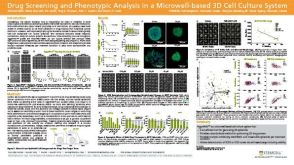 科学海报Drug Screening and Phenotypic Analysis in a Microwell-based 3D Cell Culture System
 沪公网安备31010102008431号