Pecho-Vrieseling E et al. (AUG 2014)
Nat Neurosci 17 8 1064--1072
Transneuronal propagation of mutant huntingtin contributes to non-cell autonomous pathology in neurons.
In Huntington's disease (HD),whether transneuronal spreading of mutant huntingtin (mHTT) occurs and its contribution to non-cell autonomous damage in brain networks is largely unknown. We found mHTT spreading in three different neural network models: human neurons integrated in the neural network of organotypic brain slices of HD mouse model,an ex vivo corticostriatal slice model and the corticostriatal pathway in vivo. Transneuronal propagation of mHTT was blocked by two different botulinum neurotoxins,each known for specifically inactivating a single critical component of the synaptic vesicle fusion machinery. Moreover,healthy human neurons in HD mouse model brain slices displayed non-cell autonomous changes in morphological integrity that were more pronounced when these neurons bore mHTT aggregates. Altogether,our findings suggest that transneuronal propagation of mHTT might be an important and underestimated contributor to the pathophysiology of HD.
View Publication
产品号#:
05850
05857
05870
05875
85850
85857
85870
85875
产品名:
mTeSR™1
mTeSR™1
Chen C et al. (JUL 2014)
Nature communications 5 4430
Role of astroglia in Down's syndrome revealed by patient-derived human-induced pluripotent stem cells.
Down's syndrome (DS),caused by trisomy of human chromosome 21,is the most common genetic cause of intellectual disability. Here we use induced pluripotent stem cells (iPSCs) derived from DS patients to identify a role for astrocytes in DS pathogenesis. DS astroglia exhibit higher levels of reactive oxygen species and lower levels of synaptogenic molecules. Astrocyte-conditioned medium collected from DS astroglia causes toxicity to neurons,and fails to promote neuronal ion channel maturation and synapse formation. Transplantation studies show that DS astroglia do not promote neurogenesis of endogenous neural stem cells in vivo. We also observed abnormal gene expression profiles from DS astroglia. Finally,we show that the FDA-approved antibiotic drug,minocycline,partially corrects the pathological phenotypes of DS astroglia by specifically modulating the expression of S100B,GFAP,inducible nitric oxide synthase,and thrombospondins 1 and 2 in DS astroglia. Our studies shed light on the pathogenesis and possible treatment of DS by targeting astrocytes with a clinically available drug.
View Publication
产品号#:
05850
05857
05870
05875
85850
85857
85870
85875
产品名:
mTeSR™1
mTeSR™1
Niedringhaus M et al. (FEB 2015)
Sci Rep 5 8353
Transferable neuronal mini-cultures to accelerate screening in primary and induced pluripotent stem cell-derived neurons
The effort and cost of obtaining neurons for large-scale screens has limited drug discovery in neuroscience. To overcome these obstacles,we fabricated arrays of releasable polystyrene micro-rafts to generate thousands of uniform,mobile neuron mini-cultures. These mini-cultures sustain synaptically-active neurons which can be easily transferred,thus increasing screening throughput by textgreater30-fold. Compared to conventional methods,micro-raft cultures exhibited significantly improved neuronal viability and sample-to-sample consistency. We validated the screening utility of these mini-cultures for both mouse neurons and human induced pluripotent stem cell-derived neurons by successfully detecting disease-related defects in synaptic transmission and identifying candidate small molecule therapeutics. This affordable high-throughput approach has the potential to transform drug discovery in neuroscience.
View Publication
产品号#:
05850
05857
05870
05875
85850
85857
85870
85875
产品名:
mTeSR™1
mTeSR™1
Ankam S et al. (APR 2015)
Biomaterials 47 20--28
Actomyosin contractility plays a role in MAP2 expression during nanotopography-directed neuronal differentiation of human embryonic stem cells
Pluripotent human embryonic stem cells (hESCs) have the capability of differentiating into different lineages based on specific environmental cues. We had previously shown that hESCs can be primed to differentiate into either neurons or glial cells,depending on the arrangement,geometry and size of their substrate topography. In particular,anisotropically patterned substrates like gratings were found to favour the differentiation of hESCs into neurons rather than glial cells. In this study,our aim is to elucidate the underlying mechanisms of topography-induced differentiation of hESCs towards neuronal lineages. We show that high actomyosin contractility induced by a nano-grating topography is crucial for neuronal maturation. Treatment of cells with the myosin II inhibitor (blebbistatin) and myosin light chain kinase inhibitor (ML-7) greatly reduces the expression level of microtubule-associated protein 2 (MAP2). On the other hand,our qPCR array results showed that PAX5,BRN3A and NEUROD1 were highly expressed in hESCs grown on nano-grating substrates as compared to unpatterned substrates,suggesting the possible involvement of these genes in topography-mediated neuronal differentiation of hESCs. Interestingly,YAP was localized to the cytoplasm of differentiating hESCs. Taken together,our study has provided new insights in understanding the mechanotransduction of topographical cues during neuronal differentiation of hESCs.
View Publication
产品号#:
05850
05857
05870
05875
85850
85857
85870
85875
产品名:
mTeSR™1
mTeSR™1
Brigidi GS et al. (SEP 2015)
Nature communications 6 8200
Activity-regulated trafficking of the palmitoyl-acyl transferase DHHC5.
Synaptic plasticity is mediated by the dynamic localization of proteins to and from synapses. This is controlled,in part,through activity-induced palmitoylation of synaptic proteins. Here we report that the ability of the palmitoyl-acyl transferase,DHHC5,to palmitoylate substrates in an activity-dependent manner is dependent on changes in its subcellular localization. Under basal conditions,DHHC5 is bound to PSD-95 and Fyn kinase,and is stabilized at the synaptic membrane through Fyn-mediated phosphorylation of a tyrosine residue within the endocytic motif of DHHC5. In contrast,DHHC5's substrate,δ-catenin,is highly localized to dendritic shafts,resulting in the segregation of the enzyme/substrate pair. Neuronal activity disrupts DHHC5/PSD-95/Fyn kinase complexes,enhancing DHHC5 endocytosis,its translocation to dendritic shafts and its association with δ-catenin. Following DHHC5-mediated palmitoylation of δ-catenin,DHHC5 and δ-catenin are trafficked together back into spines where δ-catenin increases cadherin stabilization and recruitment of AMPA receptors to the synaptic membrane.
View Publication
产品号#:
05711
100-1281
产品名:
NeuroCult™ SM1 神经添加物
NeuroCult™ SM1 神经添加物
Handel AE et al. (MAR 2016)
Human Molecular Genetics 25 5 989--1000
Assessing similarity to primary tissue and cortical layer identity in induced pluripotent stem cell-derived cortical neurons through single-cell transcriptomics
Induced pluripotent stem cell (iPSC)-derived cortical neurons potentially present a powerful new model to understand corticogenesis and neurological disease. Previous work has established that differentiation protocols can produce cortical neurons,but little has been done to characterize these at cellular resolution. In particular,it is unclear to what extent in vitro two-dimensional,relatively disordered culture conditions recapitulate the development of in vivo cortical layer identity. Single-cell multiplex reverse transcriptase-quantitative polymerase chain reaction (RT-qPCR) was used to interrogate the expression of genes previously implicated in cortical layer or phenotypic identity in individual cells. Totally,93.6% of single cells derived from iPSCs expressed genes indicative of neuronal identity. High proportions of single neurons derived from iPSCs expressed glutamatergic receptors and synaptic genes. And,68.4% of iPSC-derived neurons expressing at least one layer marker could be assigned to a laminar identity using canonical cortical layer marker genes. We compared single-cell RNA-seq of our iPSC-derived neurons to available single-cell RNA-seq data from human fetal and adult brain and found that iPSC-derived cortical neurons closely resembled primary fetal brain cells. Unexpectedly,a subpopulation of iPSC-derived neurons co-expressed canonical fetal deep and upper cortical layer markers. However,this appeared to be concordant with data from primary cells. Our results therefore provide reassurance that iPSC-derived cortical neurons are highly similar to primary cortical neurons at the level of single cells but suggest that current layer markers,although effective,may not be able to disambiguate cortical layer identity in all cells.
View Publication
产品号#:
05850
05857
05870
05875
85850
85857
85870
85875
产品名:
mTeSR™1
mTeSR™1
I. Canals et al. (SEP 2018)
Nature methods 15 9 693--696
Rapid and efficient induction of functional astrocytes from human pluripotent stem cells.
The derivation of astrocytes from human pluripotent stem cells is currently slow and inefficient. We demonstrate that overexpression of the transcription factors SOX9 and NFIB in human pluripotent stem cells rapidly and efficiently yields homogeneous populations of induced astrocytes. In our study these cells exhibited molecular and functional properties resembling those of adult human astrocytes and were deemed suitable for disease modeling. Our method provides new possibilities for the study of human astrocytes in health and disease.
View Publication
产品号#:
05790
05792
05793
05794
05795
85850
85857
85870
85875
100-0276
100-1130
73802
73804
产品名:
BrainPhys™神经元培养基
BrainPhys™神经元培养基和SM1试剂盒
BrainPhys™ 神经元培养基N2-A和SM1试剂盒
BrainPhys™原代神经元试剂盒
BrainPhys™ hPSC 神经元试剂盒
mTeSR™1
mTeSR™1
mTeSR™ Plus
mTeSR™ Plus
Rho激酶抑制剂IV (Dihydrochloride)
Rho激酶抑制剂IV (Dihydrochloride)
M. van den Hurk et al. ( 2018)
Frontiers in Molecular Neuroscience
Patch-Seq Protocol to Analyze the Electrophysiology, Morphology and Transcriptome of Whole Single Neurons Derived From Human Pluripotent Stem Cells
The human brain is composed of a complex assembly of about 171 billion heterogeneous cellular units (86 billion neurons and 85 billion non-neuronal glia cells). A comprehensive description of brain cells is necessary to understand the nervous system in health and disease. Recently,advances in genomics have permitted the accurate analysis of the full transcriptome of single cells (scRNA-seq). We have built upon such technical progress to combine scRNA-seq with patch-clamping electrophysiological recording and morphological analysis of single human neurons in vitro. This new powerful method,referred to as Patch-seq,enables a thorough,multimodal profiling of neurons and permits us to expose the links between functional properties,morphology,and gene expression. Here,we present a detailed Patch-seq protocol for isolating single neurons from in vitro neuronal cultures. We have validated the Patch-seq whole-transcriptome profiling method with human neurons generated from embryonic and induced pluripotent stem cells (ESCs/iPSCs) derived from healthy subjects,but the procedure may be applied to any kind of cell type in vitro. Patch-seq may be used on neurons in vitro to profile cell types and states in depth to unravel the human molecular basis of neuronal diversity and investigate the cellular mechanisms underlying brain disorders.
View Publication


 EasySep™小鼠TIL(CD45)正选试剂盒




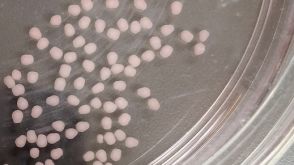 实验方案How to Dissociate 3D Neural Organoids into a Single-Cell Suspension

 沪公网安备31010102008431号