Discrimination of polycythemias and thrombocytoses by novel, simple, accurate clonality assays and comparison with PRV-1 expression and BFU-E response to erythropoietin.
Essential thrombocythemia (ET) and polycythemia vera (PV) are clonal myeloproliferative disorders that are often difficult to distinguish from other causes of elevated blood cell counts. Assays that could reliably detect clonal hematopoiesis would therefore be extremely valuable for diagnosis. We previously reported 3 X-chromosome transcription-based clonality assays (TCAs) involving the G6PD,IDS,and MPP1 genes,which together were informative in about 65% of female subjects. To increase our ability to detect clonality,we developed simple TCA for detecting the transcripts of 2 additional X-chromosome genes: Bruton tyrosine kinase (BTK) and 4-and-a-half LIM domain 1 (FHL1). The combination of TCA established the presence or absence of clonal hematopoiesis in about 90% of female subjects. We show that both genes are subject to X-chromosome inactivation and are polymorphic in all major US ethnic groups. The 5 TCAs were used to examine clonality in 46 female patients along with assays for erythropoietin-independent erythroid colonies (EECs) and granulocyte PRV-1 mRNA levels to discriminate polycythemias and thrombocytoses. Of these,all 19 patients with familial polycythemia or thrombocytosis had polyclonal hematopoiesis,whereas 22 of 26 patients with clinical evidence of myeloproliferative disorder and 1 patient with clinically obscure polycythemia were clonal. Interestingly,interferon alpha therapy in 2 patients with PV was associated with reversion of clonal to polyclonal hematopoiesis. EECs were observed in 14 of 14 patients with PV and 4 of 12 with ET,and increased granulocyte PRV-1 mRNA levels were found in 9 of 13 patients with PV and 2 of 12 with ET. Thus,these novel clonality assays are useful in the diagnosis and follow-up of polycythemic conditions and disorders with increased platelet levels.
View Publication
S. Jaleco et al. (Jul 2003)
The Journal of Immunology 171 61-68
Homeostasis of Naive and Memory CD4 + T Cells: IL-2 and IL-7 Differentially Regulate the Balance Between Proliferation and Fas-Mediated Apoptosis
Cytokines play a crucial role in the maintenance of polyclonal naive and memory T cell populations. It has previously been shown that ex vivo,the IL-7 cytokine induces the proliferation of naive recent thymic emigrants (RTE) isolated from umbilical cord blood but not mature adult-derived naive and memory human CD4(+) T cells. We find that the combination of IL-2 and IL-7 strongly promotes the proliferation of RTE,whereas adult CD4(+) T cells remain relatively unresponsive. Immunological activity is controlled by a balance between proliferation and apoptotic cell death. However,the relative contributions of IL-2 and IL-7 in regulating these processes in the absence of MHC/peptide signals are not known. Following exposure to either IL-2 or IL-7 alone,RTE,as well as mature naive and memory CD4(+) T cells,are rendered only minimally sensitive to Fas-mediated cell death. However,in the presence of the two cytokines,Fas engagement results in a high level of caspase-dependent apoptosis in both RTE as well as naive adult CD4(+) T cells. In contrast,equivalently treated memory CD4(+) T cells are significantly less sensitive to Fas-induced cell death. The increased susceptibility of RTE and naive CD4(+) T cells to Fas-induced apoptosis correlates with a significantly higher IL-2/IL-7-induced Fas expression on these T cell subsets than on memory CD4(+) T cells. Thus,IL-2 and IL-7 regulate homeostasis by modulating the equilibrium between proliferation and apoptotic cell death in RTE and mature naive and memory T cell subsets.
View Publication


 EasySep™小鼠TIL(CD45)正选试剂盒







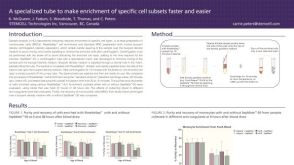 科学海报A Specialized Tube to Make Enrichment of Specific Cell Subsets Faster and Easier
 科学海报One-Step Enrichment of Leukocyte Subsets Directly in the Blood Collection Tube
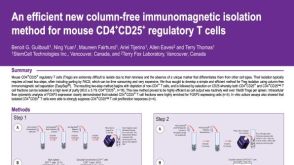 科学海报Immunomagnetic Isolation Method for Mouse CD4+CD25+ Regulatory T Cells
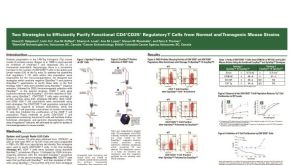 科学海报Cell Isolation of Functional CD4+CD25+ Regulatory T Cells from Mouse Strains


 沪公网安备31010102008431号