D. Jayawardena et al. ( 2023)
Cellular and molecular gastroenterology and hepatology 15 903-919
Loss of SLC26A3 Results in Colonic Mucosal Immune Dysregulation via Epithelial-Immune Cell Crosstalk.
BACKGROUND & AIMS Down-regulation of chloride transporter SLC26A3 or down-regulated in adenoma (DRA) in colonocytes has recently been linked to the pathogenesis of ulcerative colitis (UC). Because exaggerated immune responses are one of the hallmarks of UC,these current studies were undertaken to define the mechanisms by which loss of DRA relays signals to immune cells to increase susceptibility to inflammation. METHODS NanoString Immunology Panel,fluorescence assisted cell sorting,immunoblotting,immunofluorescence,and quantitative real-time polymerase chain reaction assays were used in wild-type and DRA knockout (KO) mice. Interleukin (IL)-33 blocking was used to determine specific changes in immune cells and co-housing/broad spectrum antibiotics administration,and ex vivo studies in colonoids were conducted to rule out the involvement of microbiota. Colonoid-derived monolayers from healthy and UC patient biopsies were analyzed for translatability. RESULTS There was a marked induction of Th2 (>2-fold),CD4+ Th2 cells (~8-fold),RORt+ Th17,and FOXP3+ regulatory T cells (Tregs). DRA KO colons also exhibited a robust induction of IL-33 (>8-fold). In vivo studies using blocking of IL-33 established that T2 immune dysregulation (alterations in ILC2,Th2,and GATA3+ iTregs) in response to loss of DRA was due to altered epithelial-immune cell crosstalk via IL-33. CONCLUSIONS Loss of DRA in colonocytes triggers the release of IL-33 to drive a type 2 immune response. These observations emphasize the critical importance of DRA in mucosal immune homeostasis and its implications in the pathogenesis of UC.
View Publication
产品号#:
06010
产品名:
IntestiCult™ 类器官生长培养基 (人)
J. Yun et al. (Jan 2023)
Nature communications 14 156
Senescent cells perturb intestinal stem cell differentiation through Ptk7 induced noncanonical Wnt and YAP signaling.
Cellular senescence and the senescence-associated secretory phenotype (SASP) are implicated in aging and age-related disease,and SASP-related inflammation is thought to contribute to tissue dysfunction in aging and diseased animals. However,whether and how SASP factors influence the regenerative capacity of tissues remains unclear. Here,using intestinal organoids as a model of tissue regeneration,we show that SASP factors released by senescent fibroblasts deregulate stem cell activity and differentiation and ultimately impair crypt formation. We identify the secreted N-terminal domain of Ptk7 as a key component of the SASP that activates non-canonical Wnt / Ca2+ signaling through FZD7 in intestinal stem cells (ISCs). Changes in cytosolic [Ca2+] elicited by Ptk7 promote nuclear translocation of YAP and induce expression of YAP/TEAD target genes,impairing symmetry breaking and stem cell differentiation. Our study discovers secreted Ptk7 as a factor released by senescent cells and provides insight into the mechanism by which cellular senescence contributes to tissue dysfunction in aging and disease.
View Publication


 EasySep™小鼠TIL(CD45)正选试剂盒




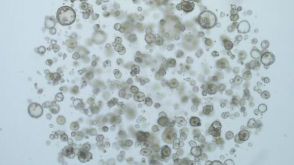
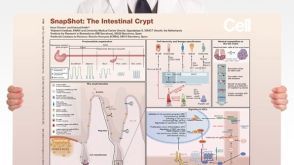 挂图SnapShot: The Intestinal Crypt Overview of the intestinal stem cell niche, major cell types and signaling pathways
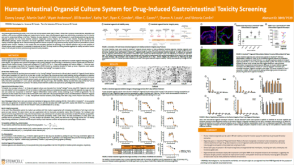 科学海报Human Intestinal Organoid Culture System for Drug-Induced Gastrointestinal Toxicity Screening


 沪公网安备31010102008431号