C. Li et al. ( 2023)
Cellular and molecular gastroenterology and hepatology 15 931-947
Glycolytic Regulation of Intestinal Stem Cell Self-Renewal and Differentiation.
BACKGROUND AND AIMS The intestinal mucosa undergoes a continual process of proliferation,differentiation,and apoptosis. An imbalance in this highly regimented process within the intestinal crypts is associated with several intestinal pathologies. Although metabolic changes are known to play a pivotal role in cell proliferation and differentiation,how glycolysis contributes to intestinal epithelial homeostasis remains to be defined. METHODS Small intestines were harvested from mice with specific hexokinase 2 (HK2) deletion in the intestinal epithelium or LGR5+ stem cells. Glycolysis was measured using the Seahorse XFe96 analyzer. Expression of phospho-p38 mitogen-activated protein kinase,the transcription factor atonal homolog 1,and intestinal cell differentiation markers lysozyme,mucin 2,and chromogranin A were determined by Western blot,quantitative real-time reverse transcription polymerase chain reaction,or immunofluorescence,and immunohistochemistry staining. RESULTS HK2 is a target gene of Wnt signaling in intestinal epithelium. HK2 knockout or inhibition of glycolysis resulted in increased numbers of Paneth,goblet,and enteroendocrine cells and decreased intestinal stem cell self-renewal. Mechanistically,HK2 knockout resulted in activation of p38 mitogen-activated protein kinase and increased expression of ATOH1; inhibition of p38 mitogen-activated protein kinase signaling attenuated the phenotypes induced by HK2 knockout in intestinal organoids. HK2 knockout significantly decreased glycolysis and lactate production in intestinal organoids; supplementation of lactate or pyruvate reversed the phenotypes induced by HK2 knockout. CONCLUSIONS Our results show that HK2 regulates intestinal stem cell self-renewal and differentiation through p38 mitogen-activated protein kinase/atonal homolog 1 signaling pathway. Our findings demonstrate an essential role for glycolysis in maintenance of intestinal stem cell function.
View Publication
S. Morla et al. (Jan 2023)
Journal of medicinal chemistry 66 1321-1338
Designing Synthetic, Sulfated Glycosaminoglycan Mimetics That Are Orally Bioavailable and Exhibiting In Vivo Anticancer Activity.
Sulfated glycosaminoglycans (GAGs),or synthetic mimetics thereof,are not favorably viewed as orally bioavailable drugs owing to their high number of anionic sulfate groups. Devising an approach for oral delivery of such highly sulfated molecules would be very useful. This work presents the concept that conjugating cholesterol to synthetic sulfated GAG mimetics enables oral delivery. A focused library of sulfated GAG mimetics was synthesized and found to inhibit the growth of a colorectal cancer cell line under spheroid conditions with a wide range of potencies ( 0.8 to 46). Specific analogues containing cholesterol,either alone or in combination with clinical utilized drugs,exhibited pronounced in vivo anticancer potential with intraperitoneal as well as oral administration,as assessed by ex vivo tertiary and quaternary spheroid growth,cancer stem cell (CSC) markers,and/or self-renewal factors. Overall,cholesterol derivatization of highly sulfated GAG mimetics affords an excellent approach for engineering oral activity.
View Publication
产品号#:
06005
06010
产品名:
IntestiCult™ 类器官生长培养基 (小鼠)
IntestiCult™ 类器官生长培养基 (人)
D. K. H. Chan et al. (Mar 2023)
STAR protocols 4 101978
Generation and immunofluorescent validation of gene knockouts in adult human colonic organoids using multi-guide RNA CRISPR-Cas9.
While readily achieved in cell lines,the application of CRISPR-Cas9 gene editing in human-derived organoids suffers from limited efficacy and complex protocols. Here,we describe a multi-guide RNA CRISPR-Cas9 gene-editing protocol which efficiently achieves complete gene knockout in adult human colonic organoids. This protocol also describes crucial steps including how to harvest patient tissue to maximize gene-editing efficacy and a technique to validate gene knockout following editing with immunofluorescent staining of the organoids against the target protein.
View Publication


 EasySep™小鼠TIL(CD45)正选试剂盒




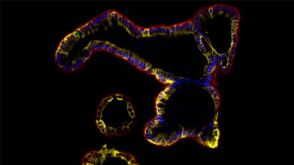
 专家访谈Tamara Zietek, PhD Studying Intestinal Nutrient Absorption with Organoids
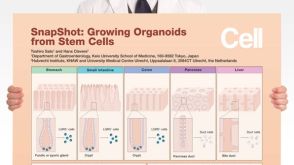 挂图SnapShot: Growing Organoids from Stem Cells Key culture conditions and organoid-forming cells from a variety of epithelial tissues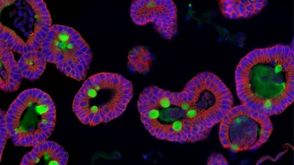


 沪公网安备31010102008431号