Kanzaki H et al. ( 2016)
Scientific Reports 6 August 32259
A-Disintegrin and Metalloproteinase (ADAM) 17 enzymatically degrades interferon-gamma
Interferon-gamma (IFN-γ) is a pleiotropic cytokine that exerts anti-tumor and anti-osteoclastogenic effects. Although transcriptional and post-transcriptional regulation of IFN-γ is well understood,subsequent modifications of secreted IFN-γ are not fully elucidated. Previous research indicates that some cancer cells escape immune surveillance and metastasize into bone tissue by inducing osteoclastic bone resorption. Peptidases of the a-disintegrin and metalloproteinase (ADAM) family are implicated in cancer cell proliferation and tumor progression. We hypothesized that the ADAM enzymes expressed by cancer cells degrades IFN-γ and attenuates IFN-γ-mediated anti-tumorigenic and anti-osteoclastogenic effects. Recombinant ADAM17 degraded IFN-γ into small fragments. The addition of ADAM17 to the culture supernatant of stimulated mouse splenocytes decreased IFN-γ concentration. However,ADAM17 inhibition in the stimulated mouse T-cells prevented IFN-γ degradation. ADAM17-expressing human breast cancer cell lines MCF-7 and MDA-MB-453 also degraded recombinant IFN-γ,but this was attenuated by ADAM17 inhibition. Degraded IFN-γ lost the functionality including the inhibititory effect on osteoclastogenesis. This is the first study to demonstrate the extracellular proteolytic degradation of IFN-γ by ADAM17. These results suggest that ADAM17-mediated degradation of IFN-γ may block the anti-tumorigenic and anti-osteoclastogenic effects of IFN-γ. ADAM17 inhibition may be useful for the treatment of attenuated cancer immune surveillance and/or bone metastases.
View Publication
产品号#:
03800
产品名:
ClonaCell™-HY杂交瘤试剂盒
Chua KY et al. (JAN 2008)
Methods in molecular biology (Clifton,N.J.) 423 509--20
Production of monoclonal antibody by DNA immunization with electroporation.
DNA immunization with in vivo electroporation is an efficient alternative protocol for the production of monoclonal antibodies (mAb). Generation of mAb by DNA immunization is a novel approach to circumvent the following technical hurdles associated with problematic antigens: low abundance and protein instability and use of recombinant proteins that lack posttranslational modifications. This chapter describes the use of a DNA-based immunization protocol for the production of mAb against a house dust mite allergen,designated as Blo t 11,which is a paramyosin homologue found in Blomia tropicalis mites. The Blo t 11 cDNA fused at the N terminus to the sequence of a signal peptide was cloned into the pCI mammalian expression vector. The DNA construct was injected intramuscularly with in vivo electroporation into mice,and the specific antibody production in mice was analyzed by enzyme-linked immunosorbent assay (ELISA). Hybridomas were generated by fusing mouse splenocytes with myeloma cells using the ClonaCell-HY Hybridoma Cloning Kit. Six hybridoma clones secreting Blo t 11 mAb were successfully generated,and these mAb are useful reagents for immunoaffinity purification and immunoassays.
View Publication
产品号#:
03800
03801
03802
03803
03804
03805
03806
产品名:
ClonaCell™-HY杂交瘤试剂盒
ClonaCell™-HY培养基A
ClonaCell™-HY 培养基 B
ClonaCell™-HY 培养基 C
ClonaCell™-HY 培养基 D
ClonaCell™-HY 培养基 E
ClonaCell™-HY PEG
Kallifatidis G et al. (JUL 2009)
Gut 58 7 949--63
Sulforaphane targets pancreatic tumour-initiating cells by NF-kappaB-induced antiapoptotic signalling.
BACKGROUND AND AIMS: Emerging evidence suggests that highly treatment-resistant tumour-initiating cells (TICs) play a central role in the pathogenesis of pancreatic cancer. Tumour necrosis factor-related apoptosis-inducing ligand (TRAIL) is considered to be a novel anticancer agent; however,recent studies have shown that many pancreatic cancer cells are resistant to apoptosis induction by TRAIL due to TRAIL-activated nuclear factor-kappaB (NF-kappaB) signalling. Several chemopreventive agents are able to inhibit NF-kappaB,and favourable results have been obtained--for example,for the broccoli compound sulforaphane-in preventing metastasis in clinical studies. The aim of the study was to identify TICs in pancreatic carcinoma for analysis of resistance mechanisms and for definition of sensitising agents. METHODS: TICs were defined by expression patterns of a CD44(+)/CD24(-),CD44(+)/CD24(+) or CD44(+)/CD133(+) phenotype and correlation to growth in immunodeficient mice,differentiation grade,clonogenic growth,sphere formation,aldehyde dehydrogenase (ALDH) activity and therapy resistance. RESULTS: Mechanistically,specific binding of transcriptionally active cRel-containing NF-kappaB complexes in TICs was observed. Sulforaphane prevented NF-kappaB binding,downregulated apoptosis inhibitors and induced apoptosis,together with prevention of clonogenicity. Gemcitabine,the chemopreventive agents resveratrol and wogonin,and the death ligand TRAIL were less effective. In a xenograft model,sulforaphane strongly blocked tumour growth and angiogenesis,while combination with TRAIL had an additive effect without obvious cytotoxicity in normal cells. Freshly isolated patient tumour cells expressing markers for TICs could be sensitised by sulforaphane for TRAIL-induced cytotoxicity. CONCLUSION: The data provide new insights into resistance mechanisms of TICs and suggest the combination of sulforaphane with TRAIL as a promising strategy for targeting of pancreatic TICs.
View Publication
产品号#:
01700
01705
05751
01702
产品名:
ALDEFLUOR™ 试剂盒
ALDEFLUOR™ DEAB试剂, 1.5 mM, 1 mL
NeuroCult™ NS-A 扩增试剂盒(人)
ALDEFLUOR™检测缓冲液
Kulkarni O et al. (FEB 2009)
The Journal of pharmacology and experimental therapeutics 328 2 371--7
Anti-Ccl2 Spiegelmer permits 75% dose reduction of cyclophosphamide to control diffuse proliferative lupus nephritis and pneumonitis in MRL-Fas(lpr) mice.
Cyclophosphamide (CYC) can control diffuse proliferative lupus nephritis (DPLN) by potent immunosuppression but remains associated with serious and life-threatening complications. Drugs that specifically target mediators of DPLN may help to reduce CYC dose and side effects. Monocyte chemoattractant protein (MCP-1)/CCL2 mediates monocyte and T cell recruitment in DPLN and Ccl2-specific l-enantiomeric RNA Spiegelmer mNOX-E36 neutralizes the biological effects of murine Ccl2 in vitro and in vivo. We injected MRL(lpr/lpr) mice with DPLN from 14 weeks of age with vehicle,weekly 30 mg/kg CYC (full dose),monthly 30 mg/kg CYC (one-fourth full dose),pegylated control Spiegelmer,pegylated anti-Ccl2 Spiegelmer (3/week),pegylated anti-Ccl2 Spiegelmer plus CYC one-fourth full dose and mycophenolate mofetil. At week 24,DPLN and autoimmune lung injury were virtually abolished with CYC full dose but not with CYC one-fourth full dose. The CYC one-fourth full dose/Spiegelmer combination was equipotent to CYC full dose on kidney and lung injury. CD3(+)CD4(-)CD8(-) and CD3(+)CD4(+)CD25(+) T cells and serum interleukin-12p40 and tumor necrosis factor-alpha levels were all markedly affected by CYC full dose but not by CYC one-fourth full dose. No additive effects of anti-Ccl2 Spiegelmer were noted on bone marrow colony-forming unit-granulocyte macrophage counts and 7/4(high) monocyte counts,lymphoproliferation,and spleen T cell depletion. In summary,anti-Ccl2 Spiegelmer permits 75% dose reduction of CYC for controlling DPLN and pneumonitis in MRL-Fas(lpr) mice,sparing suppressive effects of full-dose CYC on myelosuppression and T cell depletion. We propose anti-Ccl2 Spiegelmer therapy as a novel strategy to reduce CYC toxicity in the treatment of severe lupus.
View Publication
产品号#:
03134
产品名:
MethoCult™ M3134
Raya A et al. (JAN 2008)
Cold Spring Harbor Symposia on Quantitative Biology 73 127--135
Generation of cardiomyocytes from new human embryonic stem cell lines derived from poor-quality blastocysts
Human embryonic stem (hES) cells represent a potential source for cell replacement therapy of many degenerative diseases. Most frequently,hES cell lines are derived from surplus embryos from assisted reproduction cycles,independent of their quality or morphology. Here,we show that hES cell lines can be obtained from poor-quality blastocysts with the same efficiency as that obtained from good- or intermediate-quality blastocysts. Furthermore,we show that the self-renewal,pluripotency,and differentiation ability of hES cell lines derived from either source are comparable. Finally,we present a simple and reproducible embryoid body-based protocol for the differentiation of hES cells into functional cardiomyocytes. The five new hES cell lines derived here should widen the spectrum of available resources for investigating the biology of hES cells and advancing toward efficient strategies of regenerative medicine.
View Publication
产品号#:
05850
05857
05870
05875
85850
85857
85870
85875
产品名:
mTeSR™1
mTeSR™1
Mü and ller BA (JAN 2009)
Current pharmaceutical design 15 2 120--33
Imatinib and its successors--how modern chemistry has changed drug development.
Since protein kinases are frequently mutated or otherwise deregulated in human malignancies,they serve as a target for differentiating between tumor cells and normal tissues. Imatinib mesylat (IM),an inhibitor of the BCR-ABL tyrosine kinase was introduced in 2001 and has revolutionized the treatment of patients with chronic myeloid leukemia (CML). Since 2005 a second generation of tyrosine kinase inhibitors is to follow in Imatinib's footsteps: The development of these new small molecules was promoted by the identification of potential target kinases within the cellular signaling apparatus. Modern biochemical tools provide relevant amounts of these target kinases necessary for high throughput screening (HTS) campaigns and for elucidation of their 3-D structure by crystallography. Supported by computational chemistry the resulting data have enabled rational drug design. In this review low molecular weight inhibitors used for the CML treatment are summarized,pointing out their chemical similarities and differences.
View Publication
产品号#:
72532
72534
产品名:
Imatinib (Mesylate)
Imatinib (Mesylate), 100 mg
Katori S et al. (JUL 2009)
The Journal of neuroscience : the official journal of the Society for Neuroscience 29 29 9137--47
Protocadherin-alpha family is required for serotonergic projections to appropriately innervate target brain areas.
Serotonergic axons from the raphe nuclei in the brainstem project to every region of the brain,where they make connections through their extensive terminal arborizations. This serotonergic innervation contributes to various normal behaviors and psychiatric disorders. The protocadherin-alpha (Pcdha) family of clustered protocadherins consists of 14 cadherin-related molecules generated from a single gene cluster. We found that the Pcdhas were strongly expressed in the serotonergic neurons. To elucidate their roles,we examined serotonergic fibers in a mouse mutant (Pcdha(Delta CR/Delta CR)) lacking the Pcdha cytoplasmic region-encoding exons,which are common to the gene cluster. In the first week after birth,the distribution pattern of serotonergic fibers in Pcdha(Delta CR/Delta CR) mice was similar to wild-type,but by 3 weeks of age,when the serotonergic axonal termini complete their arborizations,the distribution of the projections was abnormal. In some target regions,notably the globus pallidus and substantia nigra,the normally even distribution of serotonin axonal terminals was,in the mutants,dense at the periphery of each region,but sparse in the center. In the stratum lacunosum-molecular of the hippocampus,the mutants showed denser serotonergic innervation than in wild-type,and in the dentate gyrus of the hippocampus and the caudate-putamen,the innervation was sparser. Together,the abnormalities suggested that Pcdha proteins are important in the late-stage maturation of serotonergic projections. Further examination of alternatively spliced exons encoding the cytoplasmic tail showed that the A-type (but not the B-type) cytoplasmic tail was essential for the normal development of serotonergic projections.
View Publication
产品号#:
03800
03801
03802
03803
03804
03805
03806
产品名:
ClonaCell™-HY杂交瘤试剂盒
ClonaCell™-HY培养基A
ClonaCell™-HY 培养基 B
ClonaCell™-HY 培养基 C
ClonaCell™-HY 培养基 D
ClonaCell™-HY 培养基 E
ClonaCell™-HY PEG
Stern HM et al. (MAR 2010)
Clinical Cancer Research 16 5 1587--96
Development of immunohistochemistry assays to assess GALNT14 and FUT3/6 in clinical trials of dulanermin and drozitumab
PURPOSE: In vitro sensitivity to the proapoptotic receptor agonists dulanermin (rhApo2L/TRAIL) and drozitumab (DR5-agonist antibody) is strongly predicted by the expression of the O-glycosylation enzymes GALNT14 in non-small cell lung cancer (NSCLC) cell lines (among others) and of FUT3/6 in colorectal cancer (CRC) cell lines. We developed immunohistochemistry (IHC) assays that measure GALNT14 and FUT3/6 levels in archival formalin-fixed,paraffin-embedded human tumor tissue to determine marker prevalence in NSCLC and CRC tissue and to enable the future examination of these markers in clinical trials. EXPERIMENTAL DESIGN: GALNT14 or FUT3/6 ELISA-positive hybridoma clones were screened through IHC on cell pellets with known mRNA levels. The specificity of staining was examined in cell lines,normal tissue,and tumor tissue. RESULTS: GALNT14 and FUT3/6 IHC exhibited a golgi staining pattern and correlated with GALNT14 and FUT3/6 (but not GALNT2 and FUT4) mRNA expression levels in cell lines and normal tissues,suggesting specificity. GALNT14 and FUT3/6 H-scores were significantly higher in cell lines sensitive to dulanermin (P = 0.01 and P = 0.0004,respectively) and drozitumab (P = 0.03 and P textless 0.0001,respectively) versus resistant cell lines. GALNT14 and FUT3/6 H-scores varied widely,with approximately 45% of NSCLC samples exhibiting weak to moderate GALNT14 staining (H-score of at least 25) and 70% of CRC samples exhibiting moderate to strong FUT3/6 staining (H-score of at least 125). CONCLUSIONS: GALNT14 and FUT3/6 expression can be assessed in human tumors using sensitive and specific IHC assays. Both assays are being deployed in ongoing clinical trials of dulanermin and drozitumab to assess potential utility for patient selection.
View Publication
产品号#:
03800
03801
03802
03803
03804
03805
03806
产品名:
ClonaCell™-HY杂交瘤试剂盒
ClonaCell™-HY培养基A
ClonaCell™-HY 培养基 B
ClonaCell™-HY 培养基 C
ClonaCell™-HY 培养基 D
ClonaCell™-HY 培养基 E
ClonaCell™-HY PEG
Bhattacharyya S and Khanduja KL (APR 2010)
Acta biochimica et biophysica Sinica 42 4 237--42
New hope in the horizon: cancer stem cells.
The major goal of researchers and oncologists is to develop promising ground for novel therapeutic strategies to prevent recurrence or relapse of cancer. Recent evidences suggest that a subset of cells called cancer stem cells (CSCs) are present within the tumor mass which possess tumorigenic capacity and may be responsible for propagation,relapse,and metastatic dissemination. These cells have certain stem cell-like properties,e.g. quiescence,selfrenewal,asymmetric division,and multidrug resistance which allow them to drive tumor growth and evade conventional therapies. A number of markers and assays have been designed to isolate and characterize the CSC population from the bulk tumor. The objective now is to selectively target the CSCs in order to eliminate the tumor from root,overcoming the emergence of clones capable of evading traditional therapy. This approach may help in increasing the overall disease-free survival in some cancers.
View Publication
产品号#:
01700
01705
01702
产品名:
ALDEFLUOR™ 试剂盒
ALDEFLUOR™ DEAB试剂, 1.5 mM, 1 mL
ALDEFLUOR™检测缓冲液
Clendening JW et al. (AUG 2010)
Proceedings of the National Academy of Sciences of the United States of America 107 34 15051--6
Dysregulation of the mevalonate pathway promotes transformation.
The importance of cancer metabolism has been appreciated for many years,but the intricacies of how metabolic pathways interconnect with oncogenic signaling are not fully understood. With a clear understanding of how metabolism contributes to tumorigenesis,we will be better able to integrate the targeting of these fundamental biochemical pathways into patient care. The mevalonate (MVA) pathway,paced by its rate-limiting enzyme,hydroxymethylglutaryl coenzyme A reductase (HMGCR),is required for the generation of several fundamental end-products including cholesterol and isoprenoids. Despite years of extensive research from the perspective of cardiovascular disease,the contribution of a dysregulated MVA pathway to human cancer remains largely unexplored. We address this issue directly by showing that dysregulation of the MVA pathway,achieved by ectopic expression of either full-length HMGCR or its novel splice variant,promotes transformation. Ectopic HMGCR accentuates growth of transformed and nontransformed cells under anchorage-independent conditions or as xenografts in immunocompromised mice and,importantly,cooperates with RAS to drive the transformation of primary mouse embryonic fibroblasts cells. We further explore whether the MVA pathway may play a role in the etiology of human cancers and show that high mRNA levels of HMGCR and additional MVA pathway genes correlate with poor prognosis in a meta-analysis of six microarray datasets of primary breast cancer. Taken together,our results suggest that HMGCR is a candidate metabolic oncogene and provide a molecular rationale for further exploring the statin family of HMGCR inhibitors as anticancer agents.
View Publication
产品号#:
03434
03444
产品名:
MethoCult™ GF M3434
MethoCult™ GF M3434
Hassane DC et al. (DEC 2010)
Blood 116 26 5983--90
Chemical genomic screening reveals synergism between parthenolide and inhibitors of the PI-3 kinase and mTOR pathways.
We have previously shown that the plant-derived compound parthenolide (PTL) can impair the survival and leukemogenic activity of primary human acute myeloid leukemia (AML) stem cells. However,despite the activity of this agent,PTL also induces cellular protective responses that likely function to reduce its overall cytotoxicity. Thus,we sought to identify pharmacologic agents that enhance the antileukemic potential of PTL. Toward this goal,we used the gene expression signature of PTL to identify compounds that inhibit cytoprotective responses by performing chemical genomic screening of the Connectivity Map database. This screen identified compounds acting along the phosphatidylinositol 3-kinase and mammalian target of rapamycin pathways. Compared with single agent treatment,exposure of AML cells to the combination of PTL and phosphatidylinositol 3-kinase/mammalian target of rapamycin inhibitors significantly decreased viability of AML cells and reduced tumor burden in vitro and in murine xenotransplantation models. Taken together,our data show that rational drug combinations can be identified using chemical genomic screening strategies and that inhibition of cytoprotective functions can enhance the eradication of primary human AML cells.
View Publication


 EasySep™小鼠TIL(CD45)正选试剂盒




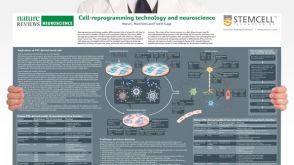 挂图Cell-Reprogramming Technology and Neuroscience Details on human iPSC-derived models of neuropsychiatric and neurodegenerative disorders
 沪公网安备31010102008431号