Assessment of aldehyde dehydrogenase in viable cells.
Cytosolic aldehyde dehydrogenase (ALDH),an enzyme responsible for oxidizing intracellular aldehydes,has an important role in ethanol,vitamin A,and cyclophosphamide metabolism. High expression of this enzyme in primitive stem cells from multiple tissues,including bone marrow and intestine,appears to be an important mechanism by which these cells are resistant to cyclophosphamide. However,although hematopoietic stem cells (HSC) express high levels of cytosolic ALDH,isolating viable HSC by their ALDH expression has not been possible because ALDH is an intracellular protein. We found that a fluorescent aldehyde,dansyl aminoacetaldehyde (DAAA),could be used in flow cytometry experiments to isolate viable mouse and human cells based on their ALDH content. The level of dansyl fluorescence exhibited by cells after incubation with DAAA paralleled cytosolic ALDH levels determined by Western blotting and the sensitivity of the cells to cyclophosphamide. Moreover,DAAA appeared to be a more sensitive means of assessing cytosolic ALDH levels than Western blotting. Bone marrow progenitors treated with DAAA proliferated normally. Furthermore,marrow cells expressing high levels of dansyl fluorescence after incubation with DAAA were enriched for hematopoietic progenitors. The ability to isolate viable cells that express high levels of cytosolic ALDH could be an important component of methodology for identifying and purifying HSC and for studying cyclophosphamide-resistant tumor cell populations.
View Publication
产品号#:
01700
01705
01701
01702
产品名:
ALDEFLUOR™ 试剂盒
ALDEFLUOR™ DEAB试剂, 1.5 mM, 1 mL
ALDEFLUOR™检测缓冲液
Miyawaki K et al. (MAR 2017)
Blood
Identification of unipotent megakaryocyte progenitors in human hematopoiesis.
The developmental pathway for human megakaryocytes remains unclear and the definition of pure unipotent megakaryocyte progenitor is still controversial. Using single-cell transcriptome analysis,we have identified a cluster of cells within immature hematopoietic stem and progenitor cell populations that specifically express genes related to the megakaryocyte lineage. We used CD41 as a positive marker to identify these cells within the CD34(+)CD38(+)IL-3Rα(dim)CD45RA(-) common myeloid progenitor (CMP) population. These cells lacked erythroid and granulocyte/macrophage potential,but exhibited robust differentiation into the megakaryocyte lineage at a high frequency,both in vivo and in vitro The efficiency and expansion potential of these cells exceeded those of conventional bipotent megakaryocyte/erythrocyte progenitors. Accordingly,the CD41(+) CMP was defined as a unipotent megakaryocyte progenitor (MegP) that is likely to represent the major pathway for human megakaryopoiesis,independent of canonical megakaryocyte-erythroid lineage bifurcation. In the bone marrow of patients with essential thrombocythemia,the MegP population was significantly expanded in the context of a high burden of Janus kinase 2 mutations. Thus,the prospectively isolatable and functionally homogeneous human MegP will be useful for the elucidation of the mechanisms underlying normal and malignant human hematopoiesis.
View Publication
产品号#:
02696
09500
09605
09655
04034
04044
04963
04962
04971
04902
04901
产品名:
StemSpan™巨核细胞扩增添加物 (100X)
BIT 9500血清替代物
StemSpan™ SFEM II
StemSpan™ SFEM II
MethoCult™ H4034 Optimum
MethoCult™ H4034 Optimum
双室载玻片套件
MegaCult™-C CFU-Mk染色试剂盒
MegaCult™-C含细胞因子全套试剂盒
胶原蛋白溶液
MegaCult™-C含细胞因子培养基
M. A. DeWitt et al. (OCT 2016)
Science translational medicine 8 360 360ra134
Selection-free genome editing of the sickle mutation in human adult hematopoietic stem/progenitor cells.
Genetic diseases of blood cells are prime candidates for treatment through ex vivo gene editing of CD34+ hematopoietic stem/progenitor cells (HSPCs),and a variety of technologies have been proposed to treat these disorders. Sickle cell disease (SCD) is a recessive genetic disorder caused by a single-nucleotide polymorphism in the $\beta$-globin gene (HBB). Sickle hemoglobin damages erythrocytes,causing vasoocclusion,severe pain,progressive organ damage,and premature death. We optimize design and delivery parameters of a ribonucleoprotein (RNP) complex comprising Cas9 protein and unmodified single guide RNA,together with a single-stranded DNA oligonucleotide donor (ssODN),to enable efficient replacement of the SCD mutation in human HSPCs. Corrected HSPCs from SCD patients produced less sickle hemoglobin RNA and protein and correspondingly increased wild-type hemoglobin when differentiated into erythroblasts. When engrafted into immunocompromised mice,ex vivo treated human HSPCs maintain SCD gene edits throughout 16 weeks at a level likely to have clinical benefit. These results demonstrate that an accessible approach combining Cas9 RNP with an ssODN can mediate efficient HSPC genome editing,enables investigator-led exploration of gene editing reagents in primary hematopoietic stem cells,and suggests a path toward the development of new gene editing treatments for SCD and other hematopoietic diseases.
View Publication
产品号#:
02697
02692
09600
09650
09605
09655
产品名:
StemSpan™ CC110
StemSpan™红系扩增添加物 (100X)
StemSpan™ SFEM
StemSpan™ SFEM
StemSpan™ SFEM II
StemSpan™ SFEM II
Lu S-J et al. (JUL 2013)
Regenerative medicine 8 4 413--424
3D microcarrier system for efficient differentiation of human pluripotent stem cells into hematopoietic cells without feeders and serum [corrected].
BACKGROUND Human embryonic stem cells (hESCs) have been derived and maintained on mouse embryonic fibroblast feeders to keep their undifferentiated status. To realize their clinical potential,a feeder-free and scalable system for large scale production of hESCs and their differentiated derivatives is required. MATERIALS & METHODS hESCs were cultured and passaged on serum/feeder-free 3D microcarriers for five passages. For embryoid body (EB) formation and hemangioblast differentiation,the medium for 3D microcarriers was directly switched to EB medium. RESULTS hESCs on 3D microcarriers maintained pluripotency and formed EBs,which were ten-times more efficient than hESCs cultured under 2D feeder-free conditions (0.11 ± 0.03 EB cells/hESC input 2D vs 1.19 ± 0.32 EB cells/hESC input 3D). After replating,EB cells from 3D culture readily developed into hemangioblasts with the potential to differentiate into hematopoietic and endothelial cells. Furthermore,this 3D system can also be adapted to human induced pluripotent stem cells,which generate functional hemangioblasts with high efficiency. CONCLUSION This 3D serum- and stromal-free microcarrier system is important for future clinical applications,with the potential of developing to a GMP-compatible scalable system.
View Publication
产品号#:
04436
05850
05857
05870
05875
85850
85857
85870
85875
产品名:
MethoCult™ SF H4436
mTeSR™1
mTeSR™1
Aguila JR et al. (JUL 2011)
Blood 118 3 576--85
SALL4 is a robust stimulator for the expansion of hematopoietic stem cells.
HSCs are rare cells that have the unique ability to self-renew and differentiate into cells of all hematopoietic lineages. The lack of donors and current inability to rapidly and efficiently expand HSCs are roadblocks in the development of successful cell therapies. Thus,the challenge of ex vivo human HSC expansion remains a fertile and critically important area of investigation. Here,we show that either SALL4A- or SALL4B-transduced human HSCs obtained from the mobilized peripheral blood are capable of rapid and efficient expansion ex vivo by textgreater10 000-fold for both CD34(+)/CD38(-) and CD34(+)/CD38(+) cells in the presence of appropriate cytokines. We found that these cells retained hematopoietic precursor cell immunophenotypes and morphology as well as normal in vitro or vivo potential for differentiation. The SALL4-mediated expansion was associated with enhanced stem cell engraftment and long-term repopulation capacity in vivo. Also,we demonstrated that constitutive expression of SALL4 inhibited granulocytic differentiation and permitted expansion of undifferentiated cells in 32D myeloid progenitors. Furthermore,a TAT-SALL4B fusion rapidly expanded CD34(+) cells,and it is thus feasible to translate this study into the clinical setting. Our findings provide a new avenue for investigating mechanisms of stem cell self-renewal and achieving clinically significant expansion of human HSCs.
View Publication
产品号#:
09600
09650
产品名:
StemSpan™ SFEM
StemSpan™ SFEM
Staron M et al. (JUN 2011)
Blood 117 26 7136--44
Heat-shock protein gp96/grp94 is an essential chaperone for the platelet glycoprotein Ib-IX-V complex.
The platelet glycoprotein Ib-IX-V complex (GPIb-IX-IV) is the receptor for VWF and is responsible for VWF-mediated platelet activation and aggregation. Loss of the GPIb-IX-V complex is pathogenic for Bernard-soulier Syndrome (BSS),which is characterized by macrothrombocytopenia and impaired platelet function. It remains unclear how the GPIb-IX-V complex is assembled and whether there is a role for a specific molecular chaperone in the process. In the present study,we report that the assembly of the GPIb-IX-V complex depends critically on a molecular chaperone in the endoplasmic reticulum (ER): gp96 (also known as grp94 and HSP90b1). gp96/grp94 deletion in the murine hematopoietic system results in thrombocytopenia,prolonged bleeding time,and giant platelets that are clinically indistinguishable from human BSS. Loss of gp96/grp94 in vivo and in vitro leads to the concomitant reduction in GPIb-IX complex expression due to ER-associated degradation. We further demonstrate that gp96/grp94 binds selectively to the GPIX subunit,but not to gpIbα or gpIbβ. Therefore,we identify the platelet GPIX subunit of the GPIb-IX-V complex as an obligate and novel client of gp96/grp94.
View Publication
产品号#:
03434
03444
产品名:
MethoCult™ GF M3434
MethoCult™ GF M3434
Zhou L et al. (JUL 2011)
The Journal of biological chemistry 286 28 25211--23
Aberrant epigenetic and genetic marks are seen in myelodysplastic leukocytes and reveal Dock4 as a candidate pathogenic gene on chromosome 7q.
Myelodysplastic syndromes (MDS) are characterized by abnormal and dysplastic maturation of all blood lineages. Even though epigenetic alterations have been seen in MDS marrow progenitors,very little is known about the molecular alterations in dysplastic peripheral blood cells. We analyzed the methylome of MDS leukocytes by the HELP assay and determined that it was globally distinct from age-matched controls and was characterized by numerous novel,aberrant hypermethylated marks that were located mainly outside of CpG islands and preferentially affected GTPase regulators and other cancer-related pathways. Additionally,array comparative genomic hybridization revealed that novel as well as previously characterized deletions and amplifications could also be visualized in peripheral blood leukocytes,thus potentially reducing the need for bone marrow samples for future studies. Using integrative analysis,potentially pathogenic genes silenced by genetic deletions and aberrant hypermethylation in different patients were identified. DOCK4,a GTPase regulator located in the commonly deleted 7q31 region,was identified by this unbiased approach. Significant hypermethylation and reduced expression of DOCK4 in MDS bone marrow stem cells was observed in two large independent datasets,providing further validation of our findings. Finally,DOCK4 knockdown in primary marrow CD34(+) stem cells led to decreased erythroid colony formation and increased apoptosis,thus recapitulating the bone marrow failure seen in MDS. These findings reveal widespread novel epigenetic alterations in myelodysplastic leukocytes and implicate DOCK4 as a pathogenic gene located on the 7q chromosomal region.
View Publication
产品号#:
04434
04444
84434
84444
产品名:
MethoCult™ H4434 Classic
MethoCult™ H4434 Classic
Martinelli P et al. (JUN 2011)
Blood 117 24 6617--26
The lymphoma-associated NPM-ALK oncogene elicits a p16INK4a/pRb-dependent tumor-suppressive pathway.
Oncogene-induced senescence (OIS) is a barrier for tumor development. Oncogene-dependent DNA damage and activation of the ARF/p53 pathway play a central role in OIS and,accordingly,ARF and p53 are frequently mutated in human cancer. A number of leukemia/lymphoma-initiating oncogenes,however,inhibit ARF/p53 and only infrequently select for ARF or p53 mutations,suggesting the involvement of other tumor-suppressive pathways. We report that NPM-ALK,the initiating oncogene of anaplastic large cell lymphomas (ALCLs),induces DNA damage and irreversibly arrests the cell cycle of primary fibroblasts and hematopoietic progenitors. This effect is associated with inhibition of p53 and is caused by activation of the p16INK4a/pRb tumor-suppressive pathway. Analysis of NPM-ALK lymphomagenesis in transgenic mice showed p16INK4a-dependent accumulation of senescent cells in premalignant lesions and decreased tumor latency in the absence of p16INK4a. Accordingly,human ALCLs showed no expression of either p16INK4a or pRb. Up-regulation of the histone-demethylase Jmjd3 and de-methylation at the p16INK4a promoter contributed to the effect of NPM-ALK on p16INK4a,which was transcriptionally regulated. These data demonstrate that p16INK4a/pRb may function as an alternative pathway of oncogene-induced senescence,and suggest that the reactivation of p16INK4a expression might be a novel strategy to restore the senescence program in some tumors.
View Publication
产品号#:
03434
03444
产品名:
MethoCult™ GF M3434
MethoCult™ GF M3434
Singbrant S et al. (MAY 2011)
Blood 117 21 5631--42
Erythropoietin couples erythropoiesis, B-lymphopoiesis, and bone homeostasis within the bone marrow microenvironment.
Erythropoietin (Epo) has been used in the treatment of anemia resulting from numerous etiologies,including renal disease and cancer. However,its effects are controversial and the expression pattern of the Epo receptor (Epo-R) is debated. Using in vivo lineage tracing,we document that within the hematopoietic and mesenchymal lineage,expression of Epo-R is essentially restricted to erythroid lineage cells. As expected,adult mice treated with a clinically relevant dose of Epo had expanded erythropoiesis because of amplification of committed erythroid precursors. Surprisingly,we also found that Epo induced a rapid 26% loss of the trabecular bone volume and impaired B-lymphopoiesis within the bone marrow microenvironment. Despite the loss of trabecular bone,hematopoietic stem cell populations were unaffected. Inhibition of the osteoclast activity with bisphosphonate therapy blocked the Epo-induced bone loss. Intriguingly,bisphosphonate treatment also reduced the magnitude of the erythroid response to Epo. These data demonstrate a previously unrecognized in vivo regulatory network coordinating erythropoiesis,B-lymphopoiesis,and skeletal homeostasis. Importantly,these findings may be relevant to the clinical application of Epo.
View Publication
产品号#:
03334
09500
产品名:
MethoCult™ M3334
BIT 9500血清替代物
Jiang S et al. (JAN 2011)
Blood 117 3 827--38
Cannabinoid receptor 2 and its agonists mediate hematopoiesis and hematopoietic stem and progenitor cell mobilization.
Endocannabinoids are arachidonic acid derivatives and part of a novel bioactive lipid signaling system,along with their G-coupled cannabinoid receptors (CB�? and CB₂) and the enzymes involved in their biosynthesis and degradation. However,their roles in hematopoiesis and hematopoietic stem and progenitor cell (HSPC) functions are not well characterized. Here,we show that bone marrow stromal cells express endocannabinoids (anandamide and 2-arachidonylglycerol),whereas CB₂ receptors are expressed in human and murine HSPCs. On ligand stimulation with CB₂ agonists,CB₂ receptors induced chemotaxis,migration,and enhanced colony formation of bone marrow cells,which were mediated via ERK,PI3-kinase,and Gαi-Rac1 pathways. In vivo,the CB₂ agonist AM1241 induced mobilization of murine HSPCs with short- and long-term repopulating abilities. In addition,granulocyte colony-stimulating factor -induced mobilization of HSPCs was significantly decreased by specific CB₂ antagonists and was impaired in Cnr2(-/-) cannabinoid type 2 receptor knockout mice. Taken together,these results demonstrate that the endocannabinoid system is involved in hematopoiesis and that CB₂/CB₂ agonist axis mediates repopulation of hematopoiesis and mobilization of HSPCs. Thus,CB₂ agonists may be therapeutically applied in clinical conditions,such as bone marrow transplantation.
View Publication
产品号#:
03434
03444
产品名:
MethoCult™ GF M3434
MethoCult™ GF M3434
Lam BS et al. (JAN 2011)
Blood 117 4 1167--75
Pharmacologic modulation of the calcium-sensing receptor enhances hematopoietic stem cell lodgment in the adult bone marrow.
The ability of hematopoietic stem cells (HSCs) to undergo self-renewal is partly regulated by external signals originating from the stem cell niche. Our previous studies with HSCs obtained from fetal liver of mice deficient for the calcium-sensing receptor (CaR) have shown the crucial role of this receptor in HSC lodgment and engraftment in the bone marrow (BM) endosteal niche. Using a CaR agonist,Cinacalcet,we assessed the effects of stimulating the CaR on the function of murine HSCs. Our results show that CaR stimulation increases primitive hematopoietic cell activity in vitro,including growth in stromal cell cocultures,adhesion to extracellular matrix molecules such as collagen I and fibronectin,and migration toward the chemotactic stimulus,stromal cell-derived factor 1α. Receptor stimulation also led to augmented in vivo homing,CXCR4-mediated lodgment at the endosteal niche,and engraftment capabilities. These mechanisms by which stimulating the CaR dictates preferential localization of HSCs in the BM endosteal niche provide additional insights into the fundamental interrelationship between the stem cell and its niche. These studies also have implications in the area of clinical stem cell transplantation,where ex vivo modulation of the CaR may be envisioned as a strategy to enhance HSC engraftment in the BM.
View Publication


 EasySep™小鼠TIL(CD45)正选试剂盒




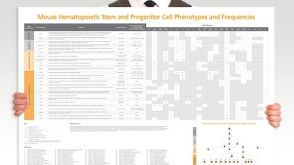 挂图Mouse Hematopoietic Stem and Progenitor Cell Phenotyping Overview of mouse HSPC subset surface markers and frequencies
 沪公网安备31010102008431号