Ramachandra CJA et al. (SEP 2011)
Nucleic Acids Research 39 16 e107
Efficient recombinase-mediated cassette exchange at the AAVS1 locus in human embryonic stem cells using baculoviral vectors
Insertion of a transgene into a defined genomic locus in human embryonic stem cells (hESCs) is crucial in preventing random integration-induced insertional mutagenesis,and can possibly enable persistent transgene expression during hESC expansion and in their differentiated progenies. Here,we employed homologous recombination in hESCs to introduce heterospecific loxP sites into the AAVS1 locus,a site with an open chromatin structure that allows averting transgene silencing phenomena. We then performed Cre recombinase mediated cassette exchange using baculoviral vectors to insert a transgene into the modified AAVS1 locus. Targeting efficiency in the master hESC line with the loxP-docking sites was up to 100%. Expression of the inserted transgene lasted for at least 20 passages during hESC expansion and was retained in differentiated cells derived from the genetically modified hESCs. Thus,this study demonstrates the feasibility of genetic manipulation at the AAVS1 locus with homologous recombination and using viral transduction in hESCs to facilitate recombinase-mediated cassette exchange. The method developed will be useful for repeated gene targeting at a defined locus of the hESC genome.
View Publication
产品号#:
05850
05857
05870
05875
85850
85857
85870
85875
产品名:
mTeSR™1
mTeSR™1
Lu H-EE et al. (AUG 2011)
Experimental cell research 317 13 1895--1903
Selection of alkaline phosphatase-positive induced pluripotent stem cells from human amniotic fluid-derived cells by feeder-free system
Generation of induced pluripotent stem (iPS) cells from somatic cells has been successfully achieved by ectopic expression of four transcription factors,Oct4,Sox2,Klf4 and c-Myc,also known as the Yamanaka factors. In practice,initial iPS colonies are picked based on their embryonic stem (ES) cell-like morphology,but often may go on to fail subsequent assays,such as the alkaline phosphate (AP) assay. In this study,we co-expressed through lenti-viral delivery the Yamanaka factors in amniotic fluid-derived (AF) cells. ES-like colonies were picked onto a traditional feeder layer and a high percentage AF-iPS with partial to no AP activity was found. Interestingly,we obtained an overwhelming majority of fully stained AP positive (AP+) AF-iPS colonies when colonies were first seeded on a feeder-free culture system,and then transferred to a feeder layer for expansion. Furthermore,colonies with no AP activity were not detected. This screening step decreased the variation seen between morphology and AP assay. We observed the AF-iPS colonies grown on the feeder layer with 28% AP+ colonies,45% AP partially positive (AP+/-) colonies and 27% AP negative (AP-) colonies,while colonies screened by the feeder-free system were 84% AP+ colonies,16% AP+/- colonies and no AP- colonies. The feeder-free screened AP+ AF-iPS colonies were also positive for pluripotent markers,OCT4,SOX2,NANOG,TRA-1-60,TRA-1-81,SSEA-3 and SSEA-4 as well as having differentiation abilities into three germ layers in vitro and in vivo. In this study,we report a simplistic,one-step method for selection of AP+ AF-iPS cells via feeder-free screening.
View Publication
产品号#:
05850
05857
05870
05875
85850
85857
85870
85875
产品名:
mTeSR™1
mTeSR™1
Zhou T et al. (JUL 2011)
Journal of the American Society of Nephrology : JASN 22 7 1221--1228
Generation of induced pluripotent stem cells from urine
Forced expression of selected transcription factors can transform somatic cells into embryonic stem cell (ESC)-like cells,termed induced pluripotent stem cells (iPSCs). There is no consensus regarding the preferred tissue from which to harvest donor cells for reprogramming into iPSCs,and some donor cell types may be more prone than others to accumulation of epigenetic imprints and somatic cell mutations. Here,we present a simple,reproducible,noninvasive method for generating human iPSCs from renal tubular cells present in urine. This procedure eliminates many problems associated with other protocols,and the resulting iPSCs display an excellent ability to differentiate. These data suggest that urine may be a preferred source for generating iPSCs.
View Publication
产品号#:
05850
05857
05870
05875
05920
85850
85857
85870
85875
产品名:
mTeSR™1
mTeSR™1
Bone HK et al. (JUN 2011)
Journal of cell science 124 Pt 12 1992--2000
A novel chemically directed route for the generation of definitive endoderm from human embryonic stem cells based on inhibition of GSK-3.
The use of small molecules to 'chemically direct' differentiation represents a powerful approach to promote specification of embryonic stem cells (ESCs) towards particular functional cell types for use in regenerative medicine and pharmaceutical applications. Here,we demonstrate a novel route for chemically directed differentiation of human ESCs (hESCs) into definitive endoderm (DE) exploiting a selective small-molecule inhibitor of glycogen synthase kinase 3 (GSK-3). This GSK-3 inhibitor,termed 1m,when used as the only supplement to a chemically defined feeder-free culture system,effectively promoted differentiation of ESC lines towards primitive streak (PS),mesoderm and DE. This contrasts with the role of GSK-3 in murine ESCs,where GSK-3 inhibition promotes pluripotency. Interestingly,1m-mediated induction of differentiation involved transient NODAL expression and Nodal signalling. Prolonged treatment of hESCs with 1m resulted in the generation of a population of cells displaying hepatoblast characteristics,that is expressing α-fetoprotein and HNF4α. Furthermore,1m-induced DE had the capacity to mature and generate hepatocyte-like cells capable of producing albumin. These findings describe,for the first time,the utility of GSK-3 inhibition,in a chemically directed approach,to a method of DE generation that is robust,potentially scalable and applicable to different hESC lines.
View Publication
产品号#:
05850
05857
05870
05875
85850
85857
85870
85875
产品名:
mTeSR™1
mTeSR™1
Freude KK et al. (JUL 2011)
Journal of Biological Chemistry 286 27 24264--24274
Soluble amyloid precursor protein induces rapid neural differentiation of human embryonic stem cells.
Human embryonic stem cells (hESCs) offer tremendous potential for not only treating neurological disorders but also for their ability to serve as vital reagents to model and investigate human disease. To further our understanding of a key protein involved in Alzheimer disease pathogenesis,we stably overexpressed amyloid precursor protein (APP) in hESCs. Remarkably,we found that APP overexpression in hESCs caused a rapid and robust differentiation of pluripotent stem cells toward a neural fate. Despite maintenance in standard hESC media,up to 80% of cells expressed the neural stem cell marker nestin,and 65% exhibited the more mature neural marker β-3 tubulin within just 5 days of passaging. To elucidate the mechanism underlying the effects of APP on neural differentiation,we examined the proteolysis of APP and performed both gain of function and loss of function experiments. Taken together,our results demonstrate that the N-terminal secreted soluble forms of APP (in particular sAPPβ) robustly drive neural differentiation of hESCs. Our findings not only reveal a novel and intriguing role for APP in neural lineage commitment but also identify a straightforward and rapid approach to generate large numbers of neurons from human embryonic stem cells. These novel APP-hESC lines represent a valuable tool to investigate the potential role of APP in development and neurodegeneration and allow for insights into physiological functions of this protein.
View Publication
产品号#:
05850
05857
05870
05875
85850
85857
85870
85875
产品名:
mTeSR™1
mTeSR™1
Batista LFZ et al. (JUN 2011)
Nature 474 7351 399--402
Telomere shortening and loss of self-renewal in dyskeratosis congenita induced pluripotent stem cells
The differentiation of patient-derived induced pluripotent stem cells (iPSCs) to committed fates such as neurons,muscle and liver is a powerful approach for understanding key parameters of human development and disease. Whether undifferentiated iPSCs themselves can be used to probe disease mechanisms is uncertain. Dyskeratosis congenita is characterized by defective maintenance of blood,pulmonary tissue and epidermal tissues and is caused by mutations in genes controlling telomere homeostasis. Short telomeres,a hallmark of dyskeratosis congenita,impair tissue stem cell function in mouse models,indicating that a tissue stem cell defect may underlie the pathophysiology of dyskeratosis congenita. Here we show that even in the undifferentiated state,iPSCs from dyskeratosis congenita patients harbour the precise biochemical defects characteristic of each form of the disease and that the magnitude of the telomere maintenance defect in iPSCs correlates with clinical severity. In iPSCs from patients with heterozygous mutations in TERT,the telomerase reverse transcriptase,a 50% reduction in telomerase levels blunts the natural telomere elongation that accompanies reprogramming. In contrast,mutation of dyskerin (DKC1) in X-linked dyskeratosis congenita severely impairs telomerase activity by blocking telomerase assembly and disrupts telomere elongation during reprogramming. In iPSCs from a form of dyskeratosis congenita caused by mutations in TCAB1 (also known as WRAP53),telomerase catalytic activity is unperturbed,yet the ability of telomerase to lengthen telomeres is abrogated,because telomerase mislocalizes from Cajal bodies to nucleoli within the iPSCs. Extended culture of DKC1-mutant iPSCs leads to progressive telomere shortening and eventual loss of self-renewal,indicating that a similar process occurs in tissue stem cells in dyskeratosis congenita patients. These findings in iPSCs from dyskeratosis congenita patients reveal that undifferentiated iPSCs accurately recapitulate features of a human stem cell disease and may serve as a cell-culture-based system for the development of targeted therapeutics.
View Publication
产品号#:
05850
05857
05870
05875
85850
85857
85870
85875
产品名:
mTeSR™1
mTeSR™1
Kallas A et al. (APR 2011)
PLoS ONE 6 4 e19114
Nocodazole treatment decreases expression of pluripotency markers nanog and Oct4 in human embryonic stem cells
Nocodazole is a known destabiliser of microtubule dynamics and arrests cell-cycle at the G2/M phase. In the context of the human embryonic stem cell (hESC) it is important to understand how this arrest influences the pluripotency of cells. Here we report for the first time the changes in the expression of transcription markers Nanog and Oct4 as well as SSEA-3 and SSEA-4 in human embryonic cells after their treatment with nocodazole. Multivariate permeabilised-cell flow cytometry was applied for characterising the expression of Nanog and Oct4 during different cell cycle phases. Among untreated hESC we detected Nanog-expressing cells,which also expressed Oct4,SSEA-3 and SSEA-4. We also found another population expressing SSEA-4,but without Nanog,Oct4 and SSEA-3 expression. Nocodazole treatment resulted in a decrease of cell population positive for all four markers Nanog,Oct4,SSEA-3,SSEA-4. Nocodazole-mediated cell-cycle arrest was accompanied by higher rate of apoptosis and upregulation of p53. Twenty-four hours after the release from nocodazole block,the cell cycle of hESC normalised,but no increase in the expression of transcription markers Nanog and Oct4 was detected. In addition,the presence of ROCK-2 inhibitor Y-27632 in the medium had no effect on increasing the expression of pluripotency markers Nanog and Oct4 or decreasing apoptosis or the level of p53. The expression of SSEA-3 and SSEA-4 increased in Nanog-positive cells after wash-out of nocodazole in the presence and in the absence of Y-27632. Our data show that in hESC nocodazole reversible blocks cell cycle,which is accompanied by irreversible loss of expression of pluripotency markers Nanog and Oct4.
View Publication
Huang J et al. ( 2016)
Purinergic Signalling 1--14
Coupling switch of P2Y-IP3 receptors mediates differential Ca2+ signaling in human embryonic stem cells and derived cardiovascular progenitor cells
Purinergic signaling mediated by P2 receptors (P2Rs) plays important roles in embryonic and stem cell development. However,how it mediates Ca2+ signals in human embryonic stem cells (hESCs) and derived cardiovascular progenitor cells (CVPCs) remains unclear. Here,we aimed to determine the role of P2Rs in mediating Ca2+ mobilizations of these cells. hESCs were induced to differentiate into CVPCs by our recently established methods. Gene expression of P2Rs and inositol 1,4,5-trisphosphate receptors (IP3Rs) was analyzed by quantitative/RT-PCR. IP3R3 knockdown (KD) or IP3R2 knockout (KO) hESCs were established by shRNA- or TALEN-mediated gene manipulations,respectively. Confocal imaging revealed that Ca2+ responses in CVPCs to ATP and UTP were more sensitive and stronger than those in hESCs. Consistently,the gene expression levels of most P2YRs except P2Y1 were increased in CVPCs. Suramin or PPADS blocked ATP-induced Ca2+ transients in hESCs but only partially inhibited those in CVPCs. Moreover,the P2Y1 receptor-specific antagonist MRS2279 abolished most ATP-induced Ca2+ signals in hESCs but not in CVPCs. P2Y1 receptor-specific agonist MRS2365 induced Ca2+ transients only in hESCs but not in CVPCs. Furthermore,IP3R2KO but not IP3R3KD decreased the proportion of hESCs responding to MRS2365. In contrast,both IP3R2 and IP3R3 contributed to UTP-induced Ca2+ responses while ATP-induced Ca2+ responses were more dependent on IP3R2 in the CVPCs. In conclusion,a predominant role of P2Y1 receptors in hESCs and a transition of P2Y-IP3R coupling in derived CVPCs are responsible for the differential Ca2+ mobilization between these cells.
View Publication
产品号#:
05850
05857
05870
05875
85850
85857
85870
85875
产品名:
mTeSR™1
mTeSR™1
Sancho-Martinez I et al. (FEB 2016)
Nature communications 7 10743
Establishment of human iPSC-based models for the study and targeting of glioma initiating cells.
Glioma tumour-initiating cells (GTICs) can originate upon the transformation of neural progenitor cells (NPCs). Studies on GTICs have focused on primary tumours from which GTICs could be isolated and the use of human embryonic material. Recently,the somatic genomic landscape of human gliomas has been reported. RTK (receptor tyrosine kinase) and p53 signalling were found dysregulated in ∼90% and 86% of all primary tumours analysed,respectively. Here we report on the use of human-induced pluripotent stem cells (hiPSCs) for modelling gliomagenesis. Dysregulation of RTK and p53 signalling in hiPSC-derived NPCs (iNPCs) recapitulates GTIC properties in vitro. In vivo transplantation of transformed iNPCs leads to highly aggressive tumours containing undifferentiated stem cells and their differentiated derivatives. Metabolic modulation compromises GTIC viability. Last,screening of 101 anti-cancer compounds identifies three molecules specifically targeting transformed iNPCs and primary GTICs. Together,our results highlight the potential of hiPSCs for studying human tumourigenesis.
View Publication
产品号#:
05850
05857
05870
05875
85850
85857
85870
85875
产品名:
mTeSR™1
mTeSR™1
Flynn RA et al. (MAR 2016)
Nature structural & molecular biology 23 3 231--238
7SK-BAF axis controls pervasive transcription at enhancers.
RNA functions at enhancers remain mysterious. Here we show that the 7SK small nuclear RNA (snRNA) inhibits enhancer transcription by modulating nucleosome position. 7SK occupies enhancers and super enhancers genome wide in mouse and human cells,and it is required to limit enhancer-RNA initiation and synthesis in a manner distinct from promoter pausing. Clustered elements at super enhancers uniquely require 7SK to prevent convergent transcription and DNA-damage signaling. 7SK physically interacts with the BAF chromatin-remodeling complex,recruits BAF to enhancers and inhibits enhancer transcription by modulating chromatin structure. In turn,7SK occupancy at enhancers coincides with that of Brd4 and is exquisitely sensitive to the bromodomain inhibitor JQ1. Thus,7SK uses distinct mechanisms to counteract the diverse consequences of pervasive transcription that distinguish super enhancers,enhancers and promoters.
View Publication


 EasySep™小鼠TIL(CD45)正选试剂盒




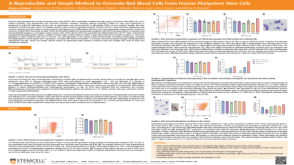 科学海报A Reproducible and Simple Method to Generate Red Blood Cells From Human Pluripotent Stem Cells
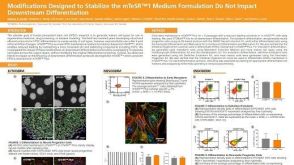 科学海报Modifications Designed to Stabilize the mTeSR1™ Formulation Do Not Impact Downstream Differentiation
 沪公网安备31010102008431号