Carpenter L et al. (APR 2011)
Blood 117 15 4008--4011
Human induced pluripotent stem cells are capable of B-cell lymphopoiesis.
Induced pluripotent stem (iPS) cells offer a unique potential for understanding the molecular basis of disease and development. Here we have generated several human iPS cell lines,and we describe their pluripotent phenotype and ability to differentiate into erythroid cells,monocytes,and endothelial cells. More significantly,however,when these iPS cells were differentiated under conditions that promote lympho-hematopoiesis from human embryonic stem cells,we observed the formation of pre-B cells. These cells were CD45(+)CD19(+)CD10(+) and were positive for transcripts Pax5,IL7αR,λ-like,and VpreB receptor. Although they were negative for surface IgM and CD5 expression,iPS-derived CD45(+)CD19(+) cells also exhibited multiple genomic D-J(H) rearrangements,which supports a pre-B-cell identity. We therefore have been able to demonstrate,for the first time,that human iPS cells are able to undergo hematopoiesis that contributes to the B-cell lymphoid lineage.
View Publication
产品号#:
05850
05857
05870
05875
85850
85857
85870
85875
产品名:
mTeSR™1
mTeSR™1
Yang L et al. (JAN 2011)
Genome Biology 12 2 R16
Genomewide characterization of non-polyadenylated RNAs.
BACKGROUND: RNAs can be physically classified into poly(A)+ or poly(A)- transcripts according to the presence or absence of a poly(A) tail at their 3' ends. Current deep sequencing approaches largely depend on the enrichment of transcripts with a poly(A) tail,and therefore offer little insight into the nature and expression of transcripts that lack poly(A) tails. RESULTS: We have used deep sequencing to explore the repertoire of both poly(A)+ and poly(A)- RNAs from HeLa cells and H9 human embryonic stem cells (hESCs). Using stringent criteria,we found that while the majority of transcripts are poly(A)+,a significant portion of transcripts are either poly(A)- or bimorphic,being found in both the poly(A)+ and poly(A)- populations. Further analyses revealed that many mRNAs may not contain classical long poly(A) tails and such messages are overrepresented in specific functional categories. In addition,we surprisingly found that a few excised introns accumulate in cells and thus constitute a new class of non-polyadenylated long non-coding RNAs. Finally,we have identified a specific subset of poly(A)- histone mRNAs,including two histone H1 variants,that are expressed in undifferentiated hESCs and are rapidly diminished upon differentiation; further,these same histone genes are induced upon reprogramming of fibroblasts to induced pluripotent stem cells. CONCLUSIONS: We offer a rich source of data that allows a deeper exploration of the poly(A)- landscape of the eukaryotic transcriptome. The approach we present here also applies to the analysis of the poly(A)- transcriptomes of other organisms.
View Publication
产品号#:
05850
05857
05870
05875
85850
85857
85870
85875
产品名:
mTeSR™1
mTeSR™1
Miki T et al. (MAY 2011)
Tissue engineering. Part C,Methods 17 5 557--68
Hepatic differentiation of human embryonic stem cells is promoted by three-dimensional dynamic perfusion culture conditions.
The developmental potential of human embryonic stem cells (hESCs) holds great promise to provide a source of human hepatocytes for use in drug discovery,toxicology,hepatitis research,and extracorporeal bioartificial liver support. There are,however,limitations to induce fully functional hepatocytes on conventional two-dimensional (2D) static culture. It had been shown that dynamic three-dimensional (3D) perfusion culture is superior to induce maturation in fetal hepatocytes and prolong hepatic functions of primary adult hepatocytes. We investigated the potential of using a four-compartment 3D perfusion culture to induce hepatic differentiation in hESC. Undifferentiated hESC were inoculated into hollow fiber-based 3D perfusion bioreactors with integral oxygenation. Hepatic differentiation was induced with a multistep growth factor cocktail protocol. Parallel controls were operated under equal perfusion conditions without the growth factor supplementations to allow for spontaneous differentiation,as well as in conventional 2D static conditions using growth factors. Metabolism,hepatocyte-specific gene expression,protein expression,and hepatic function were evaluated after 20 days. Significantly upregulated hepatic gene expression was observed in the hepatic differentiation 3D culture group. Ammonia metabolism activity and albumin production was observed in the 3D directed differentiation culture. Drug-induced cytochrome P450 gene expression was increased with rifampicin induction. Using flow cytometry analysis the mature hepatocyte marker asialoglycoprotein receptor was found on up to 30% of the cells in the 3D system with directed hepatic differentiation. Histological and immunohistochemical analysis revealed structural formation of hepatic and biliary marker-positive cells. In contrast to 2D culture,the 3D perfusion culture induced more functional maturation in hESC-derived hepatic cells. 3D perfusion bioreactor technologies may be useful for further studies on generating hESC-derived hepatic cells.
View Publication
产品号#:
05850
05857
05870
05875
85850
85857
85870
85875
产品名:
mTeSR™1
mTeSR™1
Dravid G et al. (APR 2011)
Molecular therapy : the journal of the American Society of Gene Therapy 19 4 768--81
Dysregulated gene expression during hematopoietic differentiation from human embryonic stem cells.
The generation of hematopoietic cells from human embryonic stem cells (hESC) has raised the possibility of using hESC as an alternative donor source for transplantation. However,functional defects identified in hESC-derived cells limit their use for full lymphohematopoietic reconstitution. The purpose of the present study was to define and quantitate key functional and molecular differences between CD34(+) hematopoietic progenitor subsets derived from hESC and CD34(+) subsets from umbilical cord blood (UCB) representing definitive hematopoiesis. Two distinct sub-populations were generated following mesodermal differentiation from hESC,a CD34(bright) (hematoendothelial) and CD34(dim) (hematopoietic-restricted) subset. Limiting dilution analysis revealed profound defects in clonal proliferation relative to UCB particularly in B lymphoid conditions. Transcription factors normally expressed at specific commitment stages during B lymphoid development from UCB-CD34(+) cells were aberrantly expressed in hESC-derived CD34(+) cells. Moreover,strong negative regulators of lymphopoiesis such as the adaptor protein LNK and CCAAT/enhancer-binding protein-α (CEBPα),were exclusively expressed in hESC-CD34(+) subsets. Knockdown of LNK lead to an increase in hematopoietic progenitors generated from hESCs. The aberrant molecular profile seen in hESC-CD34(+) cells represents persistence of transcripts first expressed in undifferentiated hESC and/or CD326-CD56(+) mesoderm progenitors,and may contribute to the block in definitive hematopoiesis from hESC.
View Publication
产品号#:
05850
05857
05870
05875
85850
85857
85870
85875
产品名:
mTeSR™1
mTeSR™1
Spence JR et al. (FEB 2010)
Nature 470 7332 105--109
Directed differentiation of human pluripotent stem cells into intestinal tissue in vitro
Studies in embryonic development have guided successful efforts to direct the differentiation of human embryonic and induced pluripotent stem cells (PSCs) into specific organ cell types in vitro. For example,human PSCs have been differentiated into monolayer cultures of liver hepatocytes and pancreatic endocrine cells that have therapeutic efficacy in animal models of liver disease and diabetes,respectively. However,the generation of complex three-dimensional organ tissues in vitro remains a major challenge for translational studies. Here we establish a robust and efficient process to direct the differentiation of human PSCs into intestinal tissue in vitro using a temporal series of growth factor manipulations to mimic embryonic intestinal development. This involved activin-induced definitive endoderm formation,FGF/Wnt-induced posterior endoderm pattering,hindgut specification and morphogenesis,and a pro-intestinal culture system to promote intestinal growth,morphogenesis and cytodifferentiation. The resulting three-dimensional intestinal 'organoids' consisted of a polarized,columnar epithelium that was patterned into villus-like structures and crypt-like proliferative zones that expressed intestinal stem cell markers. The epithelium contained functional enterocytes,as well as goblet,Paneth and enteroendocrine cells. Using this culture system as a model to study human intestinal development,we identified that the combined activity of WNT3A and FGF4 is required for hindgut specification whereas FGF4 alone is sufficient to promote hindgut morphogenesis. Our data indicate that human intestinal stem cells form de novo during development. We also determined that NEUROG3,a pro-endocrine transcription factor that is mutated in enteric anendocrinosis,is both necessary and sufficient for human enteroendocrine cell development in vitro. PSC-derived human intestinal tissue should allow for unprecedented studies of human intestinal development and disease.
View Publication
产品号#:
05850
05857
05870
05875
85850
85857
85870
85875
产品名:
mTeSR™1
mTeSR™1
Nishimura K et al. (FEB 2011)
The Journal of biological chemistry 286 6 4760--71
Development of defective and persistent Sendai virus vector: a unique gene delivery/expression system ideal for cell reprogramming.
The ectopic expression of transcription factors can reprogram differentiated tissue cells into induced pluripotent stem cells. However,this is a slow and inefficient process,depending on the simultaneous delivery of multiple genes encoding essential reprogramming factors and on their sustained expression in target cells. Moreover,once cell reprogramming is accomplished,these exogenous reprogramming factors should be replaced with their endogenous counterparts for establishing autoregulated pluripotency. Complete and designed removal of the exogenous genes from the reprogrammed cells would be an ideal option for satisfying this latter requisite as well as for minimizing the risk of malignant cell transformation. However,no single gene delivery/expression system has ever been equipped with these contradictory characteristics. Here we report the development of a novel replication-defective and persistent Sendai virus (SeVdp) vector based on a noncytopathic variant virus,which fulfills all of these requirements for cell reprogramming. The SeVdp vector could accommodate up to four exogenous genes,deliver them efficiently into various mammalian cells (including primary tissue cells and human hematopoietic stem cells) and express them stably in the cytoplasm at a prefixed balance. Furthermore,interfering with viral transcription/replication using siRNA could erase the genomic RNA of SeVdp vector from the target cells quickly and thoroughly. A SeVdp vector installed with Oct4/Sox2/Klf4/c-Myc could reprogram mouse primary fibroblasts quite efficiently; ∼1% of the cells were reprogrammed to Nanog-positive induced pluripotent stem cells without chromosomal gene integration. Thus,this SeVdp vector has potential as a tool for advanced cell reprogramming and for stem cell research.
View Publication
产品号#:
产品名:
Stumpf M et al. (DEC 2010)
Proceedings of the National Academy of Sciences of the United States of America 107 50 21541--6
Specific erythroid-lineage defect in mice conditionally deficient for Mediator subunit Med1.
The Mediator complex forms the bridge between transcriptional activators and the RNA polymerase II. Med1 (also known as PBP or TRAP220) is a key component of Mediator that interacts with nuclear hormone receptors and GATA transcription factors. Here,we show dynamic recruitment of GATA-1,TFIIB,Mediator,and RNA polymerase II to the β-globin locus in induced mouse erythroid leukemia cells and in an erythropoietin-inducible hematopoietic progenitor cell line. Using Med1 conditional knockout mice,we demonstrate a specific block in erythroid development but not in myeloid or lymphoid development,highlighted by the complete absence of β-globin gene expression. Thus,Mediator subunit Med1 plays a pivotal role in erythroid development and in β-globin gene activation.
View Publication
Huang J et al. ( 2016)
Purinergic Signalling 1--14
Coupling switch of P2Y-IP3 receptors mediates differential Ca2+ signaling in human embryonic stem cells and derived cardiovascular progenitor cells
Purinergic signaling mediated by P2 receptors (P2Rs) plays important roles in embryonic and stem cell development. However,how it mediates Ca2+ signals in human embryonic stem cells (hESCs) and derived cardiovascular progenitor cells (CVPCs) remains unclear. Here,we aimed to determine the role of P2Rs in mediating Ca2+ mobilizations of these cells. hESCs were induced to differentiate into CVPCs by our recently established methods. Gene expression of P2Rs and inositol 1,4,5-trisphosphate receptors (IP3Rs) was analyzed by quantitative/RT-PCR. IP3R3 knockdown (KD) or IP3R2 knockout (KO) hESCs were established by shRNA- or TALEN-mediated gene manipulations,respectively. Confocal imaging revealed that Ca2+ responses in CVPCs to ATP and UTP were more sensitive and stronger than those in hESCs. Consistently,the gene expression levels of most P2YRs except P2Y1 were increased in CVPCs. Suramin or PPADS blocked ATP-induced Ca2+ transients in hESCs but only partially inhibited those in CVPCs. Moreover,the P2Y1 receptor-specific antagonist MRS2279 abolished most ATP-induced Ca2+ signals in hESCs but not in CVPCs. P2Y1 receptor-specific agonist MRS2365 induced Ca2+ transients only in hESCs but not in CVPCs. Furthermore,IP3R2KO but not IP3R3KD decreased the proportion of hESCs responding to MRS2365. In contrast,both IP3R2 and IP3R3 contributed to UTP-induced Ca2+ responses while ATP-induced Ca2+ responses were more dependent on IP3R2 in the CVPCs. In conclusion,a predominant role of P2Y1 receptors in hESCs and a transition of P2Y-IP3R coupling in derived CVPCs are responsible for the differential Ca2+ mobilization between these cells.
View Publication
产品号#:
05850
05857
05870
05875
85850
85857
85870
85875
产品名:
mTeSR™1
mTeSR™1
Sancho-Martinez I et al. (FEB 2016)
Nature communications 7 10743
Establishment of human iPSC-based models for the study and targeting of glioma initiating cells.
Glioma tumour-initiating cells (GTICs) can originate upon the transformation of neural progenitor cells (NPCs). Studies on GTICs have focused on primary tumours from which GTICs could be isolated and the use of human embryonic material. Recently,the somatic genomic landscape of human gliomas has been reported. RTK (receptor tyrosine kinase) and p53 signalling were found dysregulated in ∼90% and 86% of all primary tumours analysed,respectively. Here we report on the use of human-induced pluripotent stem cells (hiPSCs) for modelling gliomagenesis. Dysregulation of RTK and p53 signalling in hiPSC-derived NPCs (iNPCs) recapitulates GTIC properties in vitro. In vivo transplantation of transformed iNPCs leads to highly aggressive tumours containing undifferentiated stem cells and their differentiated derivatives. Metabolic modulation compromises GTIC viability. Last,screening of 101 anti-cancer compounds identifies three molecules specifically targeting transformed iNPCs and primary GTICs. Together,our results highlight the potential of hiPSCs for studying human tumourigenesis.
View Publication
产品号#:
05850
05857
05870
05875
85850
85857
85870
85875
产品名:
mTeSR™1
mTeSR™1
Flynn RA et al. (MAR 2016)
Nature structural & molecular biology 23 3 231--238
7SK-BAF axis controls pervasive transcription at enhancers.
RNA functions at enhancers remain mysterious. Here we show that the 7SK small nuclear RNA (snRNA) inhibits enhancer transcription by modulating nucleosome position. 7SK occupies enhancers and super enhancers genome wide in mouse and human cells,and it is required to limit enhancer-RNA initiation and synthesis in a manner distinct from promoter pausing. Clustered elements at super enhancers uniquely require 7SK to prevent convergent transcription and DNA-damage signaling. 7SK physically interacts with the BAF chromatin-remodeling complex,recruits BAF to enhancers and inhibits enhancer transcription by modulating chromatin structure. In turn,7SK occupancy at enhancers coincides with that of Brd4 and is exquisitely sensitive to the bromodomain inhibitor JQ1. Thus,7SK uses distinct mechanisms to counteract the diverse consequences of pervasive transcription that distinguish super enhancers,enhancers and promoters.
View Publication


 EasySep™小鼠TIL(CD45)正选试剂盒




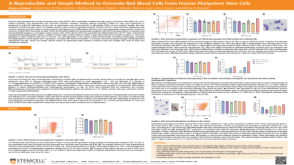 科学海报A Reproducible and Simple Method to Generate Red Blood Cells From Human Pluripotent Stem Cells
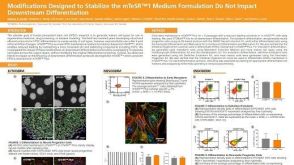 科学海报Modifications Designed to Stabilize the mTeSR1™ Formulation Do Not Impact Downstream Differentiation
 沪公网安备31010102008431号