Wang L et al. (MAR 2016)
Scientific reports 6 February 22484
TGF$$ signaling regulates the choice between pluripotent and neural fates during reprogramming of human urine derived cells.
Human urine cells (HUCs) can be reprogrammed into neural progenitor cells (NPCs) or induced pluripotent stem cells (iPSCs) with defined factors and a small molecule cocktail,but the underlying fate choice remains unresolved. Here,through sequential removal of individual compound from small molecule cocktail,we showed that A8301,a TGF$$ signaling inhibitor,is sufficient to switch the cell fate from iPSCs into NPCs in OSKM-mediated HUCs reprogramming. However,TGF$$ exposure at early stage inhibits HUCs reprogramming by promoting EMT. Base on these data,we developed an optimized approach for generation of NPCs or iPSCs from HUCs with significantly improved efficiency by regulating TGF$$ activity at different reprogramming stages. This approach provides a simplified and improved way for HUCs reprogramming,thus would be valuable for banking human iPSCs or NPCs from people with different genetic background.
View Publication
产品号#:
05850
05857
05870
05875
05910
05940
85850
85857
85870
85875
产品名:
mTeSR™1
mTeSR™1
Lu J et al. (MAR 2016)
Stem cells and development 25 9 740--747
Influence of ATM-mediated DNA damage response on genomic variation in human induced pluripotent stem cells.
Genome instability is a potential limitation to the research and therapeutic application of induced pluripotent stem cells (iPSCs). Observed genomic variations reflect the combined activities of DNA damage,cellular DNA damage response (DDR),and selection pressure in culture. To understand the contribution of DDR on the distribution of copy number variations (CNVs) in iPSCs,we mapped CNVs of iPSCs with mutations in the central DDR gene ATM onto genome organization landscapes defined by genome-wide replication timing profiles. We show that following reprogramming the early and late replicating genome is differentially affected by CNVs in ATM deficient iPSCs relative to wild type iPSCs. Specifically,the early replicating regions had increased CNV losses during retroviral reprogramming. This differential CNV distribution was not present after later passage or after episomal reprogramming. Comparison of different reprogramming methods in the setting of defective DNA damage response reveals unique vulnerability of early replicating open chromatin to retroviral vectors.
View Publication
产品号#:
05850
05857
05870
05875
85850
85857
85870
85875
产品名:
mTeSR™1
mTeSR™1
Umebayashi D et al. (MAY 2016)
Stem cells and development 25 9 712--728
Enrichment of Oligodendrocyte Progenitors from Differentiated Neural Precursors by Clonal Sphere Preparations.
Remyelination is the goal of potential cell transplantation therapies for demyelinating diseases and other central nervous system injuries. Transplantation of oligodendrocyte precursor cells (OPCs) can result in remyelination in the central nervous system,and induced pluripotent stem cells (iPSCs) are envisioned to be an autograft cell source of transplantation therapy for many cell types. However,it remains time-consuming and difficult to generate OPCs from iPSCs. Clonal sphere preparations are reliable cell culture methods for purifying select populations of proliferating cells. To make clonal neurospheres from human embryonic stem cell (ESC)/iPSC colonies,we have found that a monolayer differentiation phase helps to increase the numbers of neural precursor cells. Indeed,we have compared a direct isolation of neural stem cells from human ESC/iPSC colonies (protocol 1) with monolayer neural differentiation,followed by clonal neural stem cell sphere preparations (protocol 2). The two-step method combining monolayer neuralization,followed by clonal sphere preparations,is more useful than direct sphere preparations in generating mature human oligodendrocytes. The initial monolayer culture stage appears to bias cells toward the oligodendrocyte lineage. This method of deriving oligodendrocyte lineage spheres from iPSCs represents a novel strategy for generating OPCs.
View Publication
产品号#:
05850
05857
05870
05875
85850
85857
85870
85875
产品名:
mTeSR™1
mTeSR™1
Sagi I et al. (APR 2016)
Nature 532 7597 107--11
Derivation and differentiation of haploid human embryonic stem cells.
Diploidy is a fundamental genetic feature in mammals,in which haploid cells normally arise only as post-meiotic germ cells that serve to ensure a diploid genome upon fertilization. Gamete manipulation has yielded haploid embryonic stem (ES) cells from several mammalian species,but haploid human ES cells have yet to be reported. Here we generated and analysed a collection of human parthenogenetic ES cell lines originating from haploid oocytes,leading to the successful isolation and maintenance of human ES cell lines with a normal haploid karyotype. Haploid human ES cells exhibited typical pluripotent stem cell characteristics,such as self-renewal capacity and a pluripotency-specific molecular signature. Moreover,we demonstrated the utility of these cells as a platform for loss-of-function genetic screening. Although haploid human ES cells resembled their diploid counterparts,they also displayed distinct properties including differential regulation of X chromosome inactivation and of genes involved in oxidative phosphorylation,alongside reduction in absolute gene expression levels and cell size. Surprisingly,we found that a haploid human genome is compatible not only with the undifferentiated pluripotent state,but also with differentiated somatic fates representing all three embryonic germ layers both in vitro and in vivo,despite a persistent dosage imbalance between the autosomes and X chromosome. We expect that haploid human ES cells will provide novel means for studying human functional genomics and development.
View Publication
产品号#:
05110
05850
05857
05870
05875
85850
85857
85870
85875
产品名:
STEMdiff™定型内胚层检测试剂盒
mTeSR™1
mTeSR™1
Ohlemacher SK et al. (MAR 2016)
Stem Cells 34 6 1553--1562
Stepwise Differentiation of Retinal Ganglion Cells from Human Pluripotent Stem Cells Enables Analysis of Glaucomatous Neurodegeneration
Human pluripotent stem cells (hPSCs),including both embryonic and induced pluripotent stem cells,possess the unique ability to readily differentiate into any cell type of the body,including cells of the retina. Although previous studies have demonstrated the ability to differentiate hPSCs to a retinal lineage,the ability to derive retinal ganglion cells (RGCs) from hPSCs has been complicated by the lack of specific markers with which to identify these cells from a pluripotent source. In the current study,the definitive identification of hPSC-derived RGCs was accomplished by their directed,stepwise differentiation through an enriched retinal progenitor intermediary,with resultant RGCs expressing a full complement of associated features and proper functional characteristics. These results served as the basis for the establishment of induced pluripotent stem cells (iPSCs) from a patient with a genetically inherited form of glaucoma,which results in damage and loss of RGCs. Patient-derived RGCs specifically exhibited a dramatic increase in apoptosis,similar to the targeted loss of RGCs in glaucoma,which was significantly rescued by the addition of candidate neuroprotective factors. Thus,the current study serves to establish a method by which to definitively acquire and identify RGCs from hPSCs and demonstrates the ability of hPSCs to serve as an effective in vitro model of disease progression. Moreover,iPSC-derived RGCs can be utilized for future drug screening approaches to identify targets for the treatment of glaucoma and other optic neuropathies. Stem Cells 2016.
View Publication
产品号#:
05850
05857
05870
05875
85850
85857
85870
85875
产品名:
mTeSR™1
mTeSR™1
Huang J et al. ( 2016)
Purinergic Signalling 1--14
Coupling switch of P2Y-IP3 receptors mediates differential Ca2+ signaling in human embryonic stem cells and derived cardiovascular progenitor cells
Purinergic signaling mediated by P2 receptors (P2Rs) plays important roles in embryonic and stem cell development. However,how it mediates Ca2+ signals in human embryonic stem cells (hESCs) and derived cardiovascular progenitor cells (CVPCs) remains unclear. Here,we aimed to determine the role of P2Rs in mediating Ca2+ mobilizations of these cells. hESCs were induced to differentiate into CVPCs by our recently established methods. Gene expression of P2Rs and inositol 1,4,5-trisphosphate receptors (IP3Rs) was analyzed by quantitative/RT-PCR. IP3R3 knockdown (KD) or IP3R2 knockout (KO) hESCs were established by shRNA- or TALEN-mediated gene manipulations,respectively. Confocal imaging revealed that Ca2+ responses in CVPCs to ATP and UTP were more sensitive and stronger than those in hESCs. Consistently,the gene expression levels of most P2YRs except P2Y1 were increased in CVPCs. Suramin or PPADS blocked ATP-induced Ca2+ transients in hESCs but only partially inhibited those in CVPCs. Moreover,the P2Y1 receptor-specific antagonist MRS2279 abolished most ATP-induced Ca2+ signals in hESCs but not in CVPCs. P2Y1 receptor-specific agonist MRS2365 induced Ca2+ transients only in hESCs but not in CVPCs. Furthermore,IP3R2KO but not IP3R3KD decreased the proportion of hESCs responding to MRS2365. In contrast,both IP3R2 and IP3R3 contributed to UTP-induced Ca2+ responses while ATP-induced Ca2+ responses were more dependent on IP3R2 in the CVPCs. In conclusion,a predominant role of P2Y1 receptors in hESCs and a transition of P2Y-IP3R coupling in derived CVPCs are responsible for the differential Ca2+ mobilization between these cells.
View Publication
产品号#:
05850
05857
05870
05875
85850
85857
85870
85875
产品名:
mTeSR™1
mTeSR™1
Stumpf M et al. (DEC 2010)
Proceedings of the National Academy of Sciences of the United States of America 107 50 21541--6
Specific erythroid-lineage defect in mice conditionally deficient for Mediator subunit Med1.
The Mediator complex forms the bridge between transcriptional activators and the RNA polymerase II. Med1 (also known as PBP or TRAP220) is a key component of Mediator that interacts with nuclear hormone receptors and GATA transcription factors. Here,we show dynamic recruitment of GATA-1,TFIIB,Mediator,and RNA polymerase II to the β-globin locus in induced mouse erythroid leukemia cells and in an erythropoietin-inducible hematopoietic progenitor cell line. Using Med1 conditional knockout mice,we demonstrate a specific block in erythroid development but not in myeloid or lymphoid development,highlighted by the complete absence of β-globin gene expression. Thus,Mediator subunit Med1 plays a pivotal role in erythroid development and in β-globin gene activation.
View Publication
Fuerstenau-Sharp M et al. (MAY 2015)
PloS one 10 5 e0126596
Generation of highly purified human cardiomyocytes from peripheral blood mononuclear cell-derived induced pluripotent stem cells.
Induced pluripotent stem (iPS) cells have an enormous potential for physiological studies. A novel protocol was developed combining the derivation of iPS from peripheral blood with an optimized directed differentiation to cardiomyocytes and a subsequent metabolic selection. The human iPS cells were retrovirally dedifferentiated from activated T cells. The subsequent optimized directed differentiation protocol yielded 30-45% cardiomyocytes at day 16 of differentiation. The derived cardiomyocytes expressed appropriate structural markers like cardiac troponin T,$\$-actinin and myosin light chain 2 (MLC2V). In a subsequent metabolic selection with lactate,the cardiomyocytes content could be increased to more than 90%. Loss of cardiomyocytes during metabolic selection were less than 50%,whereas alternative surface antibody-based selection procedures resulted in loss of up to 80% of cardiomyocytes. Electrophysiological characterization confirmed the typical cardiac features and the presence of ventricular,atrial and nodal-like action potentials within the derived cardiomyocyte population. Our combined and optimized protocol is highly robust and applicable for scalable cardiac differentiation. It provides a simple and cost-efficient method without expensive equipment for generating large numbers of highly purified,functional cardiomyocytes. It will further enhance the applicability of iPS cell-derived cardiomyocytes for disease modeling,drug discovery,and regenerative medicine.
View Publication
产品号#:
05850
05857
05870
05875
85850
85857
85870
85875
产品名:
mTeSR™1
mTeSR™1
Nekrasov ED et al. (DEC 2016)
Molecular Neurodegeneration 11 1 1--15
Manifestation of Huntington's disease pathology in human induced pluripotent stem cell-derived neurons.
Background: Huntington's disease (HD) is an incurable hereditary neurodegenerative disorder,which manifests itself as a loss of GABAergic medium spiny (GABA MS) neurons in the striatum and caused by an expansion of the CAG repeat in exon 1 of the huntingtin gene. There is no cure for HD,existing pharmaceutical can only relieve its symptoms. Results: Here,induced pluripotent stem cells were established from patients with low CAG repeat expansion in the huntingtin gene,and were then efficiently differentiated into GABA MS-like neurons (GMSLNs) under defined culture conditions. The generated HD GMSLNs recapitulated disease pathology in vitro,as evidenced by mutant huntingtin protein aggregation,increased number of lysosomes/autophagosomes,nuclear indentations,and enhanced neuronal death during cell aging. Moreover,store-operated channel (SOC) currents were detected in the differentiated neurons,and enhanced calcium entry was reproducibly demonstrated in all HD GMSLNs genotypes. Additionally,the quinazoline derivative,EVP4593,reduced the number of lysosomes/autophagosomes and SOC currents in HD GMSLNs and exerted neuroprotective effects during cell aging. Conclusions: Our data is the first to demonstrate the direct link of nuclear morphology and SOC calcium deregulation to mutant huntingtin protein expression in iPSCs-derived neurons with disease-mimetic hallmarks,providing a valuable tool for identification of candidate anti-HD drugs. Our experiments demonstrated that EVP4593 may be a promising anti-HD drug. [ABSTRACT FROM AUTHOR]
View Publication
产品号#:
05854
05855
05850
05857
05870
05875
85850
85857
85870
85875
产品名:
mFreSR™
mFreSR™
mTeSR™1
mTeSR™1
Christoffersson J et al. (APR 2016)
Methods in molecular biology (Clifton,N.J.)
A Microfluidic Bioreactor for Toxicity Testing of Stem Cell Derived 3D Cardiac Bodies.
Modeling tissues and organs using conventional 2D cell cultures is problematic as the cells rapidly lose their in vivo phenotype. In microfluidic bioreactors the cells reside in microstructures that are continuously perfused with cell culture medium to provide a dynamic environment mimicking the cells natural habitat. These micro scale bioreactors are sometimes referred to as organs-on-chips and are developed in order to improve and extend cell culture experiments. Here,we describe the two manufacturing techniques photolithography and soft lithography that are used in order to easily produce microfluidic bioreactors. The use of these bioreactors is exemplified by a toxicity assessment on 3D clustered human pluripotent stem cells (hPSC)-derived cardiomyocytes by beating frequency imaging.
View Publication


 EasySep™小鼠TIL(CD45)正选试剂盒




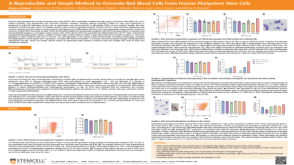 科学海报A Reproducible and Simple Method to Generate Red Blood Cells From Human Pluripotent Stem Cells
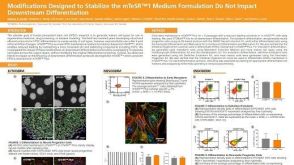 科学海报Modifications Designed to Stabilize the mTeSR1™ Formulation Do Not Impact Downstream Differentiation
 沪公网安备31010102008431号