Repression of Id2 expression by Gfi-1 is required for B-cell and myeloid development.
The development of mature blood cells from hematopoietic stem cells requires coordinated activities of transcriptional networks. Transcriptional repressor growth factor independence 1 (Gfi-1) is required for the development of B cells,T cells,neutrophils,and for the maintenance of hematopoietic stem cell function. However,the mechanisms by which Gfi-1 regulates hematopoiesis and how Gfi-1 integrates into transcriptional networks remain unclear. Here,we provide evidence that Id2 is a transcriptional target of Gfi-1,and repression of Id2 by Gfi-1 is required for B-cell and myeloid development. Gfi-1 binds to 3 conserved regions in the Id2 promoter and represses Id2 promoter activity in transient reporter assays. Increased Id2 expression was observed in multipotent progenitors,myeloid progenitors,T-cell progenitors,and B-cell progenitors in Gfi-1(-/-) mice. Knockdown of Id2 expression or heterozygosity at the Id2 locus partially rescues the B-cell and myeloid development but not the T-cell development in Gfi-1(-/-) mice. These studies demonstrate a role of Id2 in mediating Gfi-1 functions in B-cell and myeloid development and provide a direct link between Gfi-1 and the B-cell transcriptional network by its ability to repress Id2 expression.
View Publication
产品号#:
03234
产品名:
MethoCult™ M3234
Giassi LJ et al. (AUG 2008)
Experimental biology and medicine (Maywood,N.J.) 233 8 997--1012
Expanded CD34+ human umbilical cord blood cells generate multiple lymphohematopoietic lineages in NOD-scid IL2rgamma(null) mice.
Umbilical cord blood (UCB) is increasingly being used for human hematopoietic stem cell (HSC) transplantation in children but often requires pooling multiple cords to obtain sufficient numbers for transplantation in adults. To overcome this limitation,we have used an ex vivo two-week culture system to expand the number of hematopoietic CD34(+) cells in cord blood. To assess the in vivo function of these expanded CD34(+) cells,cultured human UCB containing 1 x 10(6) CD34(+) cells were transplanted into conditioned NOD-scid IL2rgamma(null) mice. The expanded CD34(+) cells displayed short- and long-term repopulating cell activity. The cultured human cells differentiated into myeloid,B-lymphoid,and erythroid lineages,but not T lymphocytes. Administration of human recombinant TNFalpha to recipient mice immediately prior to transplantation promoted human thymocyte and T-cell development. These T cells proliferated vigorously in response to TCR cross-linking by anti-CD3 antibody. Engrafted TNFalpha-treated mice generated antibodies in response to T-dependent and T-independent immunization,which was enhanced when mice were co-treated with the B cell cytokine BLyS. Ex vivo expanded CD34(+) human UCB cells have the capacity to generate multiple hematopoietic lineages and a functional human immune system upon transplantation into TNFalpha-treated NOD-scid IL2rgamma(null) mice.
View Publication
产品号#:
09600
09650
09850
产品名:
StemSpan™ SFEM
StemSpan™ SFEM
Maes C et al. (MAY 2006)
The Journal of clinical investigation 116 5 1230--42
Placental growth factor mediates mesenchymal cell development, cartilage turnover, and bone remodeling during fracture repair.
Current therapies for delayed- or nonunion bone fractures are still largely ineffective. Previous studies indicated that the VEGF homolog placental growth factor (PlGF) has a more significant role in disease than in health. Therefore we investigated the role of PlGF in a model of semi-stabilized bone fracture healing. Fracture repair in mice lacking PlGF was impaired and characterized by a massive accumulation of cartilage in the callus,reminiscent of delayed- or nonunion fractures. PlGF was required for the early recruitment of inflammatory cells and the vascularization of the fracture wound. Interestingly,however,PlGF also played a role in the subsequent stages of the repair process. Indeed in vivo and in vitro findings indicated that PlGF induced the proliferation and osteogenic differentiation of mesenchymal progenitors and stimulated cartilage turnover by particular MMPs. Later in the process,PlGF was required for the remodeling of the newly formed bone by stimulating osteoclast differentiation. As PlGF expression was increased throughout the process of bone repair and all the important cell types involved expressed its receptor VEGFR-1,the present data suggest that PlGF is required for mediating and coordinating the key aspects of fracture repair. Therefore PlGF may potentially offer therapeutic advantages for fracture repair.
View Publication
产品号#:
03534
03334
03434
03444
18753
18753RF
产品名:
MethoCult™ GF M3534
MethoCult™ M3334
MethoCult™ GF M3434
MethoCult™ GF M3434
Mariotti J et al. (JAN 2008)
Journal of immunology (Baltimore,Md. : 1950) 180 1 89--105
Ex vivo rapamycin generates apoptosis-resistant donor Th2 cells that persist in vivo and prevent hemopoietic stem cell graft rejection.
Because ex vivo rapamycin generates murine Th2 cells that prevent Graft-versus-host disease more potently than control Th2 cells,we hypothesized that rapamycin would generate Th2/Tc2 cells (Th2/Tc2.R cells) that abrogate fully MHC-disparate hemopoietic stem cell rejection more effectively than control Th2/Tc2 cells. In a B6-into-BALB/c graft rejection model,donor Th2/Tc2.R cells were indeed enriched in their capacity to prevent rejection; importantly,highly purified CD4+ Th2.R cells were also highly efficacious for preventing rejection. Rapamycin-generated Th2/Tc2 cells were less likely to die after adoptive transfer,accumulated in vivo at advanced proliferative cycles,and were present in 10-fold higher numbers than control Th2/Tc2 cells. Th2.R cells had a multifaceted,apoptosis-resistant phenotype,including: 1) reduced apoptosis after staurosporine addition,serum starvation,or CD3/CD28 costimulation; 2) reduced activation of caspases 3 and 9; and 3) increased anti-apoptotic Bcl-xL expression and reduced proapoptotic Bim and Bid expression. Using host-versus-graft reactivity as an immune correlate of graft rejection,we found that the in vivo efficacy of Th2/Tc2.R cells 1) did not require Th2/Tc2.R cell expression of IL-4,IL-10,perforin,or Fas ligand; 2) could not be reversed by IL-2,IL-7,or IL-15 posttransplant therapy; and 3) was intact after therapy with Th2.R cells relatively devoid of Foxp3 expression. We conclude that ex vivo rapamycin generates Th2 cells that are resistant to apoptosis,persist in vivo,and effectively prevent rejection by a mechanism that may be distinct from previously described graft-facilitating T cells.
View Publication
产品号#:
09600
09650
产品名:
StemSpan™ SFEM
StemSpan™ SFEM
Crist SA et al. (APR 2008)
Blood 111 7 3553--61
Nuclear factor of activated T cells (NFAT) mediates CD154 expression in megakaryocytes.
Platelets are an abundant source of CD40 ligand (CD154),an immunomodulatory and proinflammatory molecule implicated in the onset and progression of several inflammatory diseases,including systemic lupus erythematosus (SLE),diabetes,and cardiovascular disease. Heretofore considered largely restricted to activated T cells,we initiated studies to investigate the source and regulation of platelet-associated CD154. We found that CD154 is abundantly expressed in platelet precursor cells,megakaryocytes. We show that CD154 is expressed in primary human CD34+ and murine hematopoietic precursor cells only after cytokine-driven megakaryocyte differentiation. Furthermore,using several established megakaryocyte-like cells lines,we performed promoter analysis of the CD154 gene and found that NFAT,a calcium-dependent transcriptional regulator associated with activated T cells,mediated both differentiation-dependent and inducible megakaryocyte-specific CD154 expression. Overall,these data represent the first investigation of the regulation of a novel source of CD154 and suggests that platelet-associated CD154 can be biochemically modulated.
View Publication
Grinshtein N et al. (MAY 2009)
Cancer research 69 9 3979--85
Neoadjuvant vaccination provides superior protection against tumor relapse following surgery compared with adjuvant vaccination.
Tumors that recur following surgical resection of melanoma are typically metastatic and associated with poor prognosis. Using the murine B16F10 melanoma and a robust antimelanoma vaccine,we evaluated immunization as a tool to improve tumor-free survival following surgery. We investigated the utility of vaccination in both neoadjuvant and adjuvant settings. Surprisingly,neoadjuvant vaccination was far superior and provided approximately 100% protection against tumor relapse. Neoadjuvant vaccination was associated with enhanced frequencies of tumor-specific T cells within the tumor and the tumor-draining lymph nodes following resection. We also observed increased infiltration of antigen-specific T cells into the area of surgery. This method should be amenable to any vaccine platform and can be readily extended to the clinic.
View Publication
产品号#:
18751
18751RF
产品名:
Liu C et al. (DEC 2010)
Blood 116 25 5518--27
Progenitor cell dose determines the pace and completeness of engraftment in a xenograft model for cord blood transplantation.
Two critical concerns in clinical cord blood transplantation are the initial time to engraftment and the subsequent restoration of immune function. These studies measured the impact of progenitor cell dose on both the pace and strength of hematopoietic reconstitution by transplanting nonobese diabetic/severe combined immunodeficiency/interleukin-2 receptor-gamma-null (NSγ) mice with lineage-depleted aldehyde dehydrogenase-bright CD34(+) human cord blood progenitors. The progress of each transplant was monitored over an extended time course by repeatedly analyzing the peripheral blood for human hematopoietic cells. In vivo human hematopoietic development was complete. After long-term transplantation assays (≥ 19 weeks),human T-cell development was documented within multiple tissues in 16 of 32 NSγ mice. Human T-cell differentiation was active within NSγ thymuses,as documented by the presence of CD4(+) CD8(+) T-cell progenitors as well as T-cell receptor excision circles. It is important to note that although myeloid and B-cell engraftment was detected as early as 4 weeks after transplantation,human T-cell development was exclusively late onset. High progenitor cell doses were associated with a robust human hematopoietic chimerism that accelerated both initial time to engraftment and subsequent T-cell development. At lower progenitor cell doses,the chimerism was weak and the human hematopoietic lineage development was frequently incomplete.
View Publication
产品号#:
01700
01705
01701
01702
14056
14066
28600
19056
19056RF
19756
19756RF
产品名:
ALDEFLUOR™ 试剂盒
ALDEFLUOR™ DEAB试剂, 1.5 mM, 1 mL
ALDEFLUOR™检测缓冲液
L-Calc™有限稀释软件
Li Q et al. (AUG 2005)
Proceedings of the National Academy of Sciences of the United States of America 102 35 12425--30
Enhanced NF-kappaB activation and cellular function in macrophages lacking IkappaB kinase 1 (IKK1).
IkappaB kinase (IKK) complex plays a key regulatory role in macrophages for NF-kappaB activation during both innate and adaptive immune responses. Because IKK1-/- mice died at birth,we differentiated functional macrophages from embryonic day 15.5 IKK1 mutant embryonic liver. The embryonic liver-derived macrophage (ELDM) showed enhanced phagocytotic clearance of bacteria,more efficient antigen-presenting capacity,elevated secretion of several key proinflammatory cytokines and chemokines,and known NFkappaB target genes. Increased NFkappaB activity in IKK1 mutant ELDM was the result of prolonged degradation of IkappaBalpha in response to infectious pathogens. The delayed restoration of IkappaBalpha in pathogen-activated IKK1-/- ELDM was a direct consequence of uncontrolled IKK2 kinase activity. We hypothesize that IKK1 plays a checkpoint role in the proper control of IkappaBalpha kinase activity in innate and adaptive immunity.
View Publication


 EasySep™小鼠TIL(CD45)正选试剂盒




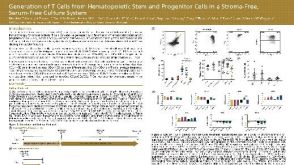
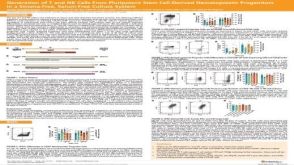 科学海报Generation of T and NK Cells From Pluripotent Stem Cell-Derived Hematopoietic Progenitors in a Stroma-Free, Serum-Free Culture System

 沪公网安备31010102008431号