M. Velier et al. (jun 2019)
Cytotherapy 21 8 820--823
Validation of a semi automatic device to standardize quantification of Colony-Forming Unit (CFU) on hematopoietic stem cell products.
Accurate characterization of hematopoietic stem cells (HSC) products is needed to better anticipate the hematopoietic reconstitution and the outcome in patients. Although CD34+ viable cells enumeration is a key predictor of time to correction of aplasia,it does not fully inform about functionality of cells contained in the graft. CFU assay is the gold standard in vitro potency assay to assess clonogenicity of HSC and consists on the count and identification of colonies several days after culture in a semi solid media. Manual count of colonies with optic microscope is the most commonly used method but its important variability and subjectivity hinders the universal implementation of this potency assay. The aim of this study is to validate a standardized method using the STEMvision™ system,the first semi-automated instrument for imaging and scoring hematopoietic colonies,according to French and European recommendations. Results obtained highlight better performance criteria with STEMvision™ system than the manual method. This semi-automatic device tends to reduce the coefficients of variation of repeatability,inter-operator variability and intermediate precision. This newly available platform could represent an interesting option,significantly improving performances of CFU assays used for the characterization of hematopoietic progenitors.
View Publication
产品类型:
产品号#:
22000
22001
22005
22006
22007
22008
22009
22011
22012
产品名:
STEMvision™仪器
STEMvision™ 人脐带血7-天CFU分析包
STEMvision™人脐带血14天CFU分析套装
STEMvision™人骨髓14天CFU分析套装
STEMvision™人动员外周血14天CFU分析套装
STEMvision™ 小鼠总CFU分析包
STEMvision™ 小鼠髓系CFU分析包
STEMvision™ 小鼠红系CFU分析包
STEMvision™小鼠CFU分析套装组合
Rubio A et al. (NOV 2016)
Scientific reports 6 37540
Rapid and efficient CRISPR/Cas9 gene inactivation in human neurons during human pluripotent stem cell differentiation and direct reprogramming.
The CRISPR/Cas9 system is a rapid and customizable tool for gene editing in mammalian cells. In particular,this approach has widely opened new opportunities for genetic studies in neurological disease. Human neurons can be differentiated in vitro from hPSC (human Pluripotent Stem Cells),hNPCs (human Neural Precursor Cells) or even directly reprogrammed from fibroblasts. Here,we described a new platform which enables,rapid and efficient CRISPR/Cas9-mediated genome targeting simultaneously with three different paradigms for in vitro generation of neurons. This system was employed to inactivate two genes associated with neurological disorder (TSC2 and KCNQ2) and achieved up to 85% efficiency of gene targeting in the differentiated cells. In particular,we devised a protocol that,combining the expression of the CRISPR components with neurogenic factors,generated functional human neurons highly enriched for the desired genome modification in only 5 weeks. This new approach is easy,fast and that does not require the generation of stable isogenic clones,practice that is time consuming and for some genes not feasible.
View Publication
产品类型:
产品号#:
05850
05857
05870
05875
85850
85857
85870
85875
产品名:
mTeSR™1
mTeSR™1
Martin GR (DEC 1981)
Proceedings of the National Academy of Sciences of the United States of America 78 12 7634--8
Isolation of a pluripotent cell line from early mouse embryos cultured in medium conditioned by teratocarcinoma stem cells.
This report describes the establishment directly from normal preimplantation mouse embryos of a cell line that forms teratocarcinomas when injected into mice. The pluripotency of these embryonic stem cells was demonstrated conclusively by the observation that subclonal cultures,derived from isolated single cells,can differentiate into a wide variety of cell types. Such embryonic stem cells were isolated from inner cell masses of late blastocysts cultured in medium conditioned by an established teratocarcinoma stem cell line. This suggests that such conditioned medium might contain a growth factor that stimulates the proliferation or inhibits the differentiation of normal pluripotent embryonic cells,or both. This method of obtaining embryonic stem cells makes feasible the isolation of pluripotent cells lines from various types of noninbred embryo,including those carrying mutant genes. The availability of such cell lines should made possible new approaches to the study of early mammalian development.
View Publication
产品类型:
产品号#:
06902
06952
00321
00322
00323
00324
00325
产品名:
Smith Sa et al. (MAR 2012)
Journal of Virology 86 5 2665--75
Persistence of circulating memory B cell clones with potential for Dengue virus disease enhancement for decades following infection
Symptomatic dengue virus infection ranges in disease severity from an influenza-like illness to life-threatening shock. One model of the mechanism underlying severe disease proposes that weakly neutralizing,dengue serotype cross-reactive antibodies induced during a primary infection facilitate virus entry into Fc receptor-bearing cells during a subsequent secondary infection,increasing viral replication and the release of cytokines and vasoactive mediators,culminating in shock. This process has been termed antibody-dependent enhancement of infection and has significantly hindered vaccine development. Much of our understanding of this process has come from studies using mouse monoclonal antibodies (MAbs); however,antibody responses in mice typically exhibit less complexity than those in humans. A better understanding of the humoral immune response to natural dengue virus infection in humans is sorely needed. Using a high-efficiency human hybridoma technology,we isolated 37 hybridomas secreting human MAbs to dengue viruses from 12 subjects years or even decades following primary or secondary infection. The majority of the human antibodies recovered were broadly cross-reactive,directed against either envelope or premembrane proteins,and capable of enhancement of infection in vitro; few exhibited serotype-specific binding or potent neutralizing activity. Memory B cells encoding enhancing antibodies predominated in the circulation,even two or more decades following infection. Mapping the epitopes and activity of naturally occurring dengue antibodies should prove valuable in determining whether the enhancing and neutralizing activity of antibodies can be separated. Such principles could be used in the rational design of vaccines that enhance the induction of neutralizing antibodies,while lowering the risk of dengue shock syndrome.
View Publication
产品类型:
产品号#:
03800
03801
03802
03803
03804
03805
03806
产品名:
ClonaCell™-HY杂交瘤试剂盒
ClonaCell™-HY培养基A
ClonaCell™-HY 培养基 B
ClonaCell™-HY 培养基 C
ClonaCell™-HY 培养基 D
ClonaCell™-HY 培养基 E
ClonaCell™-HY PEG
Wang J et al. (SEP 2012)
International journal of oncology 41 3 1101--9
Sirtinol, a class III HDAC inhibitor, induces apoptotic and autophagic cell death in MCF-7 human breast cancer cells.
Sirtuins (SIRTs),NAD+-dependent class III histone deacetylases (HDACs),play an important role in the regulation of cell division,survival and senescence. Although a number of effective SIRT inhibitors have been developed,little is known about the specific mechanisms of their anticancer activity. In this study,we investigated the anticancer effects of sirtinol,a SIRT inhibitor,on MCF-7 human breast cancer cells. Apoptotic and autophagic cell death were measured. Sirtinol significantly inhibited the proliferation of MCF-7 cells in a concentration-dependent manner. The IC50 values of sirtinol were 48.6 µM (24 h) and 43.5 µM (48 h) in MCF-7 cells. As expected,sirtinol significantly increased the acetylation of p53,which has been reported to be a target of SIRT1/2. Flow cyto-metry analysis revealed that sirtinol significantly increased the G1 phase of the cell cycle. The upregulation of Bax,downregulation of Bcl-2 and cytochrome c release into the cytoplasm,which are considered as mechanisms of apoptotic cell death,were observed in the MCF-7 cells treated with sirtinol. The annexin V-FITC assay was used to confirm sirtinol-induced apoptotic cell death. Furthermore,the expression of LC3-II,an autophagy-related molecule,was significantly increased in MCF-7 cells after sirtinol treatment. Autophagic cell death was confirmed by acridine orange and monodansylcadaverine (MDC) staining. Of note,pre-treatment with 3-methyladenine (3-MA) increased the sirtinol-induced MCF-7 cell cytotoxicity,which is associated with blocking autophagic cell death and increasing apoptotic cell death. Based on our results,the downregulation of SIRT1/2 expression may play an important role in the regulation of breast cancer cell death; thus,SIRT1/2 may be a novel molecular target for cancer therapy and these findings may provide a molecular basis for targeting SIRT1/2 in future cancer therapy.
View Publication
产品类型:
产品号#:
73822
73824
产品名:
西尔替诺(Sirtinol)
Zhang H et al. ( 2013)
PloS one 8 1 e54918
A comparison of Ku0063794, a dual mTORC1 and mTORC2 inhibitor, and temsirolimus in preclinical renal cell carcinoma models.
Rapamycin analogs,temsirolimus and everolimus,are approved for the treatment of advance renal cell carcinoma (RCC). Currently approved agents inhibit mechanistic target of rapamycin (mTOR) complex 1 (mTORC1). However,the mTOR kinase exists in two distinct multiprotein complexes,mTORC1 and mTORC2,and both complexes may be critical regulators of cell metabolism,growth and proliferation. Furthermore,it has been proposed that drug resistance develops due to compensatory activation of mTORC2 signaling during treatment with temsirolimus or everolimus. We evaluated Ku0063794,which is a small molecule that inhibits both mTOR complexes. Ku0063794 was compared to temsirolimus in preclinical models for renal cell carcinoma. Ku0063794 was effective in inhibiting the phosphorylation of signaling proteins downstream of both mTORC1 and mTORC2,including p70 S6K,4E-BP1 and Akt. Ku0063794 was more effective than temsirolimus in decreasing the viability and growth of RCC cell lines,Caki-1 and 786-O,in vitro by inducing cell cycle arrest and autophagy,but not apoptosis. However,in a xenograft model there was no difference in the inhibition of tumor growth by Ku0063794 or temsirolimus. A potential explanation is that temsirolimus has additional effects on the tumor microenvironment. Consistent with this possibility,temsirolimus,but not Ku0063794,decreased tumor angiogenesis in vivo,and decreased the viability of HUVEC (Human Umbilical Vein Endothelial Cells) cells in vitro at pharmacologically relevant concentrations. Furthermore,expression levels of VEGF and PDGF were lower in Caki-1 and 786-O cells treated with temsirolimus than cells treated with Ku0063794.
View Publication
产品类型:
产品号#:
73232
73234
产品名:
Ku - 0063794
Ku-0063794, 50 mg
Shi X et al. (JAN 2013)
Cellular physiology and biochemistry : international journal of experimental cellular physiology,biochemistry,and pharmacology 32 2 459--75
AICAR sustains J1 mouse embryonic stem cell self-renewal and pluripotency by regulating transcription factor and epigenetic modulator expression.
BACKGROUND/AIMS [corrected] Embryonic stem cells (ES cells) have the capacity to propagate indefinitely,maintain pluripotency,and differentiate into any cell type under defined conditions. As a result,they are considered to be the best model system for research into early embryonic development. AICA ribonucleotide (AICAR) is an activator of AMP-activated protein kinase (AMPK) that is thought to affect ES cell function,but its role in ES cell fate decision is unclear. METHODS In this study,we performed microarray analysis to investigate AICAR downstream targets and further understand its effect on ES cells. RESULTS Our microarray data demonstrated that AICAR can significantly up-regulate pluripotency-associated genes and down-regulate differentiation-associated transcription factors. Although AICAR cannot maintain ES cell identity without LIF,it can antagonize the action of RA-induced differentiation. Using those differentially expressed genes identified,we performed gene ontology (GO) and Kyoto Encyclopedia of Genes and Genomes (KEGG) pathway analysis with the Database for Annotation,Visualization and Integrated Discovery (DAVID) online system. AICAR was not only shown to influence the AMPK pathway,but also act on other signaling pathways such as BMP,MAPK and TGF-β,to maintain the stemness of J1 ES cells. Furthermore,AICAR modulated ES cell epigenetic modification by altering the expression of epigenetic-associated proteins,including Dnmt3a,Dnmt3b,Smarca2,Mbd3,and Arid1a,or through regulating the transcription of long intervening non-coding RNA (lincRNA). CONCLUSION Taken together,our work suggests that AICAR is capable of maintaining ES cell self-renewal and pluripotency,which could be useful in future medical treatment.
View Publication
产品类型:
产品号#:
72704
产品名:
AICAR
Bu et al. (Jul 2025)
World Journal of Gastroenterology 31 26
Paneth cells inhibit intestinal stem cell proliferation through the bone morphogenic protein 7 pathway under rotavirus-mediated intestinal injury
Rotavirus (RV),a primary cause of diarrhea-related mortality in 2021,has been shown to damage intestinal epithelial cells while upregulating intestinal stem cells (ISCs) activities. ISCs within the crypt niche drive the continuous self-renewal of intestinal epithelium,preserving its barrier functions. Paneth cells secrete antimicrobial peptide and signaling molecules within the intestine crypt,thereby playing a crucial role in intestinal immune defense and providing ISCs functional support. However,the regulatory function of Paneth cells under pathological conditions,such as RV infection,remains unclear. To determine the impact of RV infection on Paneth cells and how Paneth cells regulate ISCs during intestinal injury repair. We constructed a reference genome for the RV enteric cytopathogenic human orphan virus strain and reanalyzed published single-cell RNA sequencing data to investigate Paneth cell responses to RV-induced intestinal injury. We derived Paneth-ISC communication networks using CellChat,tracked ISC differentiation with pseudotime analysis,and validated our findings in leucine-rich repeat-containing G protein-coupled receptor 5-enhanced green fluorescent protein-internal ribosomal entry site-Cre recombinase estrogen receptor variant 2 mice and organoids via immunofluorescence,flow cytometry,and reverse transcription quantitative polymerase chain reaction. We found that RV directly infects Paneth cells,leading to a reduction in mature Paneth cells and an increase in kallikrein 1-high immature Paneth cells. Paneth-ISC communication was significantly enhanced. In particular,the bone morphogenic protein 7 (BMP7)-activin A receptor type 2B/BMP receptor type 1A-Smad pathway was upregulated post-infection,suggesting that Paneth cells suppress excessive ISC proliferation. Functional validation confirmed activation of this pathway. Paneth cells regulate ISC proliferation during RV infection by activating BMP7 signaling,limiting excessive stem cell expansion and preserving crypt homeostasis for effective epithelial repair.
View Publication
产品类型:
产品号#:
06005
产品名:
IntestiCult™ 类器官生长培养基 (小鼠)
K.-M. Rau et al. (jan 2020)
Journal of clinical medicine 9 1
Sequential Circulating Tumor Cell Counts in Patients with Locally Advanced or Metastatic Hepatocellular Carcinoma: Monitoring the Treatment Response.
Hepatocellular carcinoma (HCC) is among the most common causes of cancer death in men. Whether or not a longitudinal follow-up of circulating tumor cells (CTCs) before and at different time points during systemic/targeted therapy is useful for monitoring the treatment response of patients with locally advanced or metastatic HCC has been evaluated in this study. Blood samples (n = 104) were obtained from patients with locally advanced or metastatic HCC (n = 30) for the enrichment of CTCs by a negative selection method. Analysis of the blood samples from patients with defined disease status (n = 81) revealed that those with progressive disease (PD,n = 37) had significantly higher CTC counts compared to those with a partial response (PR) or stable disease (SD; n = 44 for PR + SD,p = 0.0002). The median CTC count for patients with PD and for patients with PR and SD was 50 (interquartile range 21-139) and 15 (interquartile range 4-41) cells/mL of blood,respectively. A longitudinal analysis of patients (n = 17) after a series of blood collections demonstrated that a change in the CTC count correlated with the patient treatment response in most of the cases and was particularly useful for monitoring patients without elevated serum alpha-fetoprotein (AFP) levels. Sequential CTC enumeration during treatment can supplement standard medical tests and benefit the management of patients with locally advanced or metastatic HCC,in particular for the AFP-low cases.
View Publication
Liu CC et al. (JUN 2016)
Stem cells (Dayton,Ohio) 1--19
Distinct Responses of stem Cells to Telomere Uncapping - a Potential Strategy to Improve the Safety Of Cell Therapy.
In most human somatic cells,the lack of telomerase activity results in progressive telomere shortening during each cell division. Eventually,DNA damage responses triggered by critically short telomeres induce an irreversible cell cycle arrest termed replicative senescence. However,the cellular responses of human pluripotent stem cells to telomere uncapping remain unknown. We generated telomerase knockout human embryonic stem (ES) cells through gene targeting. Telomerase inactivation in ES cells results in progressive telomere shortening. Telomere DNA damage in ES cells and neural progenitor cells induces rapid apoptosis when telomeres are uncapped,in contrast to fibroblast cells that enter a state of replicative senescence. Significantly,telomerase inactivation limits the proliferation capacity of human ES cells without affecting their pluripotency. By targeting telomerase activity,we can functionally separate the two unique properties of human pluripotent stem cells,namely unlimited self-renewal and pluripotency. We show that the potential of ES cells to form teratomas in vivo is dictated by their telomere length. By controlling telomere length of ES cells through telomerase inactivation,we can inhibit teratoma formation and potentially improve the safety of cell therapies involving terminally differentiated cells as well as specific progenitor cells that do not require sustained cellular proliferation in vivo,and thus sustained telomerase activity. This article is protected by copyright. All rights reserved.
View Publication


 EasySep™小鼠TIL(CD45)正选试剂盒





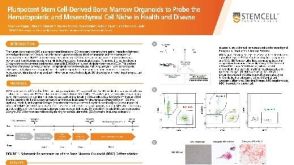 科学海报Pluripotent Stem Cell-Derived Bone Marrow Organoids to Probe the Hematopoietic and Mesenchymal Cell Niche in Health and Disease
 重组人CD40配体 分化簇40配体
 沪公网安备31010102008431号