

 EasySep™小鼠TIL(CD45)正选试剂盒




搜索结果: 'gmp t cell activator'
-
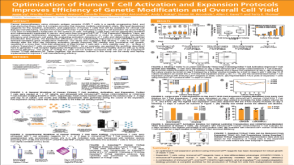 科学海报Optimization of Human T Cell Activation and Expansion Protocols Improves Efficiency of Genetic Modification and Overall Cell Yield
产品类型:
Conference:
AAI 2019
产品号#:
产品名:
发布日期: 02/14/2020 -
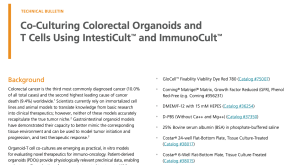 技术公告Co-Culturing Colorectal Organoids and T Cells using IntestiCult™ and ImmunoCult™
产品类型:
细胞类型:
T细胞,肠道细胞
产品号#:
产品名:
发布日期: 04/01/2024 -
 37:09
线上讲座Quick and Easy Isolation of T Cells and Other Immune Cells from Large-Volume Samples发布日期: 05/27/2022
37:09
线上讲座Quick and Easy Isolation of T Cells and Other Immune Cells from Large-Volume Samples发布日期: 05/27/2022 -
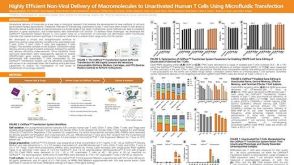 科学海报Highly Efficient Non-Viral Delivery of Macromolecules to Unactivated Human T Cells Using Microfluidic Transfection
产品类型:
Conference:
AAI 2024
产品号#:
产品名:
-
 StemSpan™淋系祖细胞扩增添加物(10X) 用于人CD34+细胞扩增及分化为淋系祖细胞的添加物
 -

产品类型:
产品号#:
03800
03801
03802
03803
03804
03805
03806
05150
15021
15061
产品名:
ClonaCell™-HY杂交瘤试剂盒
ClonaCell™-HY培养基A
ClonaCell™-HY 培养基 B
ClonaCell™-HY 培养基 C
ClonaCell™-HY 培养基 D
ClonaCell™-HY 培养基 E
ClonaCell™-HY PEG
MyeloCult™ H5100
RosetteSep™人T细胞富集抗体混合物
RosetteSep™人T细胞富集抗体混合物
-
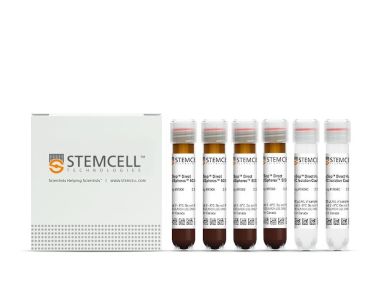 EasySep™ Direct 人 PBMC 分选试剂盒 直接从全血中免疫磁珠负选不带标记的人外周血单个核细胞
 -
 产品手册Mesenchymal Stromal Cell Characterization Services
产品类型:
品牌:
ImmunoCult
产品号#:
产品名:
发布日期: 08/30/2018 -
产品类型:
产品号#:
05850
05857
05870
05875
07923
60093
60093.1
60093AD
60093AD.1
60093PE
60093PE.1
85850
85857
85870
85875
产品名:
Dispase (1 U/mL)
抗人OCT4(OCT3)抗体,克隆3A2A20
抗人OCT4(OCT3)抗体,clone 3A2A20
抗人OCT4(OCT3)抗体,克隆3A2A20,Alexa Fluor® 488
抗人OCT4(OCT3)抗体,克隆3A2A20,Alexa Fluor® 488
抗人OCT4(OCT3)抗体,克隆3A2A20,PE
抗人OCT4(OCT3)抗体,克隆3A2A20,PE
mTeSR™1
mTeSR™1
-
产品类型:
产品号#:
03800
03801
03802
03803
03804
03805
03806
产品名:
ClonaCell™-HY杂交瘤试剂盒
ClonaCell™-HY培养基A
ClonaCell™-HY 培养基 B
ClonaCell™-HY 培养基 C
ClonaCell™-HY 培养基 D
ClonaCell™-HY 培养基 E
ClonaCell™-HY PEG
-
 科学海报A Novel 96-well Plate Cell Culture Assay for Lineage-Specific Hematopoietic Cell Toxicity Screening
产品类型:
Conference:
SOT 2015
产品号#:
09701
09707
产品名:
HemaTox™红系试剂盒
HemaTox™巨核细胞试剂盒


 沪公网安备31010102008431号