SOX10-Nano-Lantern Reporter Human iPS Cells; A Versatile Tool for Neural Crest Research.
The neural crest is a source to produce multipotent neural crest stem cells that have a potential to differentiate into diverse cell types. The transcription factor SOX10 is expressed through early neural crest progenitors and stem cells in vertebrates. Here we report the generation of SOX10-Nano-lantern (NL) reporter human induced pluripotent stem cells (hiPS) by using CRISPR/Cas9 systems,that are beneficial to investigate the generation and maintenance of neural crest progenitor cells. SOX10-NL positive cells are produced transiently from hiPS cells by treatment with TGFβ inhibitor SB431542 and GSK3 inhibitor CHIR99021. We found that all SOX10-NL-positive cells expressed an early neural crest marker NGFR,however SOX10-NL-positive cells purified from differentiated hiPS cells progressively attenuate their NL-expression under proliferation. We therefore attempted to maintain SOX10-NL-positive cells with additional signaling on the plane and sphere culture conditions. These SOX10-NL cells provide us to investigate mass culture with neural crest cells for stem cell research.
View Publication
产品号#:
85850
85857
85870
85875
产品名:
mTeSR™1
mTeSR™1
Hornick EE et al. (FEB 2018)
Journal of immunology (Baltimore,Md. : 1950) 200 3 1188--1197
Nlrp12 Mediates Adverse Neutrophil Recruitment during Influenza Virus Infection.
Exaggerated inflammatory responses during influenza A virus (IAV) infection are typically associated with severe disease. Neutrophils are among the immune cells that can drive this excessive and detrimental inflammation. In moderation,however,neutrophils are necessary for optimal viral control. In this study,we explore the role of the nucleotide-binding domain leucine-rich repeat containing receptor family member Nlrp12 in modulating neutrophilic responses during lethal IAV infection. Nlrp12-/- mice are protected from lethality during IAV infection and show decreased vascular permeability,fewer pulmonary neutrophils,and a reduction in levels of neutrophil chemoattractant CXCL1 in their lungs compared with wild-type mice. Nlrp12-/- neutrophils and dendritic cells within the IAV-infected lungs produce less CXCL1 than their wild-type counterparts. Decreased CXCL1 production by Nlrp12-/- dendritic cells was not due to a difference in CXCL1 protein stability,but instead to a decrease in Cxcl1 mRNA stability. Together,these data demonstrate a previously unappreciated role for Nlrp12 in exacerbating the pathogenesis of IAV infection through the regulation of CXCL1-mediated neutrophilic responses.
View Publication
产品号#:
19762
19762RF
产品名:
EasySep™小鼠中性粒细胞富集试剂盒
RoboSep™ 小鼠中性粒细胞富集试剂盒含滤芯吸头
Hothi P et al. (OCT 2012)
Oncotarget 3 10 1124--36
High-Throughput Chemical Screens Identify Disulfiram as an Inhibitor of Human Glioblastoma Stem Cells
Glioblastoma Multiforme (GBM) continues to have a poor patient prognosis despite optimal standard of care. Glioma stem cells (GSCs) have been implicated as the presumed cause of tumor recurrence and resistance to therapy. With this in mind,we screened a diverse chemical library of 2,000 compounds to identify therapeutic agents that inhibit GSC proliferation and therefore have the potential to extend patient survival. High-throughput screens (HTS) identified 78 compounds that repeatedly inhibited cellular proliferation,of which 47 are clinically approved for other indications and 31 are experimental drugs. Several compounds (such as digitoxin,deguelin,patulin and phenethyl caffeate) exhibited high cytotoxicity,with half maximal inhibitory concentrations (IC50) in the low nanomolar range. In particular,the FDA approved drug for the treatment of alcoholism,disulfiram (DSF),was significantly potent across multiple patient samples (IC50 of 31.1 nM). The activity of DSF was potentiated by copper (Cu),which markedly increased GSC death. DSF-Cu inhibited the chymotrypsin-like proteasomal activity in cultured GSCs,consistent with inactivation of the ubiquitin-proteasome pathway and the subsequent induction of tumor cell death. Given that DSF is a relatively non-toxic drug that can penetrate the blood-brain barrier,we suggest that DSF should be tested (as either a monotherapy or as an adjuvant) in pre-clinical models of human GBM. Data also support targeting of the ubiquitin-proteasome pathway as a therapeutic approach in the treatment of GBM.
View Publication
产品号#:
05750
05751
产品名:
NeuroCult™ NS-A 基础培养基(人)
NeuroCult™ NS-A 扩增试剂盒(人)
Hotta R et al. (MAY 2016)
Biomaterials 88 1--11
Delivery of enteric neural progenitors with 5-HT4 agonist-loaded nanoparticles and thermosensitive hydrogel enhances cell proliferation and differentiation following transplantation in vivo.
Cell therapy offers an innovative approach for treating enteric neuropathies. Postnatal gut-derived enteric neural stem/progenitor cells (ENSCs) represent a potential autologous source,but have a limited capacity for proliferation and neuronal differentiation. Since serotonin (5-HT) promotes enteric neuronal growth during embryonic development,we hypothesized that serotonin receptor agonism would augment growth of neurons from transplanted ENSCs. Postnatal ENSCs were isolated from 2 to 4 week-old mouse colon and cultured with 5-HT4 receptor agonist (RS67506)-loaded liposomal nanoparticles. ENSCs were co-cultured with mouse colon explants in the presence of RS67506-loaded (n = 3) or empty nanoparticles (n = 3). ENSCs were also transplanted into mouse rectum in vivo with RS67506-loaded (n = 8) or blank nanoparticles (n = 4) confined in a thermosensitive hydrogel,Pluronic F-127. Neuronal density and proliferation were analyzed immunohistochemically. Cultured ENSCs gave rise to significantly more neurons in the presence of RS67506-loaded nanoparticles. Similarly,colon explants had significantly increased neuronal density when RS67506-loaded nanoparticles were present. Finally,following in vivo cell delivery,co-transplantation of ENSCs with 5-HT4 receptor agonist-loaded nanoparticles led to significantly increased neuronal density and proliferation. We conclude that optimization of postnatal ENSCs can support their use in cell-based therapies for neurointestinal diseases.
View Publication
产品号#:
05700
05701
05702
05704
产品名:
NeuroCult™ 基础培养基(小鼠和大鼠)
NeuroCult™ 扩增添加物(小鼠和大鼠)
NeuroCult™扩增试剂盒(小鼠和大鼠)
NeuroCult™ 分化试剂盒(小鼠和大鼠)
Hou Y et al. (MAY 2014)
Neurobiology of Aging 35 5 975--989
Permeability transition pore-mediated mitochondrial superoxide flashes mediate an early inhibitory effect of amyloid beta1 42 on neural progenitor cell proliferation
Cellular damage by reactive oxygen species and altered neurogenesis are implicated in the etiology of AD and the pathogenic actions of amyloid β-peptide (Aβ); the underlying mechanisms and the early oxidative intracellular events triggered by Aβ are not established. In the present study,we found that mouse embryonic cortical neural progenitor cells exhibit intermittent spontaneous mitochondrial superoxide (SO) flashes that require transient opening of mitochondrial permeability transition pores (mPTPs). The incidence of mitochondria SO flash activity in neural progenitor cells (NPCs) increased during the first 6-24 hours of exposure to aggregating amyloid β-peptide (Aβ1-42),indicating an increase in transient mPTP opening. Subsequently,the SO flash frequency progressively decreased and ceased between 48 and 72 hours of exposure to Aβ1-42,during which time global cellular reactive oxygen species increased,mitochondrial membrane potential decreased,cytochrome C was released from mitochondria and the cells degenerated. Inhibition of mPTPs and selective reduction in mitochondrial SO flashes significantly ameliorated the negative effects of Aβ1-42 on NPC proliferation and survival. Our findings suggest that mPTP-mediated bursts of mitochondrial SO production is a relatively early and pivotal event in the adverse effects of Aβ1-42 on NPCs. If Aβ inhibits NPC proliferation in the brains of AD patients by a similar mechanism,then interventions that inhibit mPTP-mediated superoxide flashes would be expected to protect NPCs against the adverse effects of Aβ.
View Publication


 EasySep™小鼠TIL(CD45)正选试剂盒





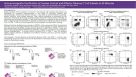 科学海报Immunomagnetic Purification of Human Central and Effector Memory T Cell Subsets in 45 Minutes
 沪公网安备31010102008431号