E. Yamashita et al. (Sep 2025)
The FASEB Journal 39 17
Red Blood Cell‐Mediated Enhancement of Hematopoietic Stem Cell Functions via a Hes1‐Dependent Pathway
In bone marrow,cell numbers are balanced between production and loss. After chemotherapy,blood cell counts decrease initially but later recover as hematopoietic progenitor cells expand,although the mechanisms underlying this recovery are still unclear. We investigated the influence of red blood cells (RBCs) on hematopoietic stem cell (HSC) function during bone marrow recovery. Following chemotherapy,RBC concentrations in bone marrow peaked on day 5 posttreatment,coinciding with the recovery of hematopoiesis. Coculture of HSCs with RBCs resulted in a significant increase in hematopoiesis. Direct contact between RBCs and HSCs was essential for enhancement of hematopoiesis,and HSCs precultured with RBCs resulted in greater numbers of donor‐derived mature hematopoietic cells after transplantation. RNA‐sequencing analysis showed that Hes1 was the most significantly upregulated transcription factor in RBC coculture,and the response to RBC‐induced hematopoiesis of Hes1‐deficient HSCs was reduced. These findings imply a role of RBCs and Hes1 in the enhancement of hematopoietic recovery following bone marrow stress.
View Publication
H. Steppuhn et al. (Aug 2025)
Frontiers in Immunology 16
Particulate matters such as diesel exhaust particles induce oxidative stress in cells and thereby have a negative impact on health. The aim of this study was to test whether the membrane-permeable,anti-inflammatory metabolite 4-Octyl Itaconate can counteract the oxidative stress induced by diesel exhaust particles and to analyze the downstream-regulated pathways both in human nasal epithelial cells and PBMCs. Human nasal epithelial cells were cultured from nasal swabs,and the response of the cells to diesel exhaust particles either alone or in combination with 4-Octyl Itaconatee was investigated using RNA sequencing,qPCR,and cytokine measurement. The presence of reactive oxygen species in the cells was analyzed using CellROX staining and flow cytometric DCFDA assay. Diesel exhaust particles caused an upregulation of CYP1A1 in nasal epithelial cells. The administration of 4-Octyl Itaconate reduced the reactive oxygen species and increased the expression of antioxidant genes regulated by the transcription factor NRF2,which was also confirmed in PBMCs. IL-6 secretion from NEC was elevated by diesel exhaust particles and reduced when 4-Octyl Itaconate was administered. 4-Octyl Itaconate can reduce the diesel-exhaust-particle-induced oxidative damage by the activation of NRF2-regulated antioxidative pathways.
View Publication
V. Joris et al. (Aug 2025)
NPJ Regenerative Medicine 10
FGF9 treatment reduces off-target chondrocytes from iPSC-derived kidney organoids
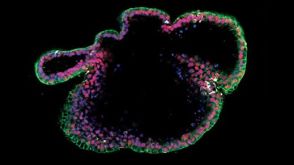
Renal failure due to drug nephrotoxicity or disease is frequently observed in patients. The development of in vitro models able to recapitulate kidney biology offers new possibilities to study drug toxicity or model diseases. Induced pluripotent stem cell–derived kidney organoids already show promise,but several drawbacks must be overcome to maintain them in culture,among which is the presence of non-renal cell populations such as cartilage. We modified the culture protocol and maintained kidney organoids in medium containing FGF9 for 1 additional week compared to the control protocol (Takasato). In comparison to the control,the FGF9-treated kidney organoids had reduced cartilage at day 7 + 25 and diminished chondrocyte marker expression. Importantly,the renal structures assessed by immunofluorescence were unaffected by the FGF9 treatment. This reduction of cartilage produces a higher quality kidney organoid that can be maintained longer in culture to improve their maturation for further in vivo work. Subject terms: Pluripotent stem cells,Stem-cell differentiation,Kidney
View Publication
O. V. Volodina et al. (Aug 2025)
International Journal of Molecular Sciences 26 16
Prime Editing Modification with FEN1 Improves F508del Variant Editing in the CFTR Gene in Airway Basal Cells
Prime editing is a promising approach for correcting pathogenic variants,but its efficiency remains variable across genomic contexts. Here,we systematically evaluated 12 modifications of the PEmax system for correcting the CFTR F508del pathogenic variant that caused cystic fibrosis in patient-derived airway basal cells. We chose EXO1 and FEN1 nucleases to improve the original system. While all tested variants showed comparatively low efficiency in this AT-rich genomic region,4-FEN modification demonstrated significantly improved editing rates (up to 2.13 fold) compared to standard PEmax. Our results highlight two key findings: first,the persistent challenge of AT-rich target sequence correction even with optimized editors,and second,the performance of 4-FEN suggests its potential value for other genomic targets.
View Publication
F. Efendic et al. (Aug 2025)
Cells 14 16
Disrupted Myelination in FAHN: Insights from a Patient-Specific hiPSC Neuron–Oligodendrocyte Model
Fatty-acid-hydroxylase-associated neurodegeneration (FAHN) is a rare neurodegenerative disorder caused by loss-of-function mutations in the FA2H gene,leading to impaired enzymatic activity and resulting in myelin sheath instability,demyelination,and axonal degeneration. In this study,we established a human in vitro model using neurons and oligodendrocytes derived from induced pluripotent stem cells (hiPSCs) of a FAHN patient. This coculture system enabled the investigation of myelination processes and myelin integrity in a disease-relevant context. Analyses using immunofluorescence and Western blot revealed impaired expression and localisation of key myelin proteins in oligodendrocytes and cocultures. FA2H-deficient cells showed reduced myelination,shortened internodes,and disrupted formation of the nodes of Ranvier. Additionally,we identified autophagy defects—a hallmark of many neurodegenerative diseases—including reduced p62 expression,elevated LC3B levels,and impaired fusion of autophagosomes with lysosomes. This study presents a robust hiPSC-based model to study FAHN,offering new insights into the molecular pathology of the disease. Our findings suggest that FA2H mutations compromise both the structural integrity of myelin and the efficiency of the autophagic machinery,highlighting potential targets for future therapeutic interventions.
View Publication
A. Ferrelli et al. (Aug 2025)
HemaSphere 9 8
Mesenchymal stromal cells from JAK2 V617F myeloproliferative neoplasms support healthy and malignant hematopoiesis in a humanized scaffold model in vivo
Myeloproliferative Neoplasms (MPN) are malignancies of hematopoietic stem and progenitor cells (HSPCs) that lead to the overproduction of mature blood cells. These disorders include Essential Thrombocythemia (ET),Polycythemia Vera (PV),and Primary Myelofibrosis (PMF),primarily driven by somatic mutations such as JAK2 V617F . Research indicates that mesenchymal stromal cells (MSCs) support fibrosis in PMF,though their role in ET and PV remains less clear. Furthermore,in vivo studies of ET/PV HSPCs remain a challenge due to low engraftment levels in xenograft models. We employed a 3D scaffold model to create an MPN humanized xenograft mouse model,enabling in vivo functional studies of primary MPN progenitor cells and the supportive role of human MSCs. Using this model,we first demonstrated robust hematopoietic support of healthy (HD) HSPCs by PV and ET MSCs. We then investigated the role of MSCs in sustaining JAK2 V617F mutant cells by using a CRISPR‐Cas9 editing model,along with primary PV and ET HSPCs. Our results showed consistent engraftment of CRISPR‐edited JAK2 V617F mutant HSPCs and PV and ET patient‐derived HSPCs in scaffolds seeded with HD,PV,and ET stroma,providing the first in vivo evidence that PV and ET MSCs can sustain both healthy and MPN‐associated hematopoiesis. Furthermore,HD MSCs were also capable of sustaining PV and ET HSPCs in vivo. Overall,we present the first humanized MPN xenograft model that offers valuable insights into how human BM MSCs interact with JAK2 V617F mutant clones.
View Publication
X. Yao et al. (Aug 2025)
Cell Death & Disease 16 1
Human iPSC-derived spinal neural progenitors enhance sensorimotor recovery in spinal cord-injured NOD-SCID mice via differentiation and microenvironment regulation
Spinal cord injury (SCI) remains a significant clinical challenge and poses a dramatic threat to the life quality of patients due to limited neural regeneration and detrimental post-injury alternations in tissue microenvironment. We developed a therapeutic approach by transplanting spinal neural progenitor cells (spNPGs),derived from human induced pluripotent stem cell (iPSC)-generated neuromesodermal progenitors,into a contusive SCI model in NOD-SCID mice. Single-cell RNA sequencing mapped the in vitro differentiation of iPSC-spNPGs,confirming their specification into spinal neuronal lineages. Single-nucleus transcriptomics at 1 week post-transplantation showed that the grafted cells differentiated in vivo into motor neurons and two interneuron subtypes (V2 and dI4). Additionally,spNPGs integrated into host neural circuits,enhancing synaptic connectivity,while simultaneously modulating the injury microenvironment by shifting microglia and astrocyte polarization toward anti-inflammatory and neuroprotective phenotypes. This dual mechanism promoted axonal regrowth,remyelination,and significant sensorimotor recovery,as evidenced by improved locomotor scores. Our findings highlight the therapeutic potential of human iPSC-spNPGs in reconstructing neural networks and mitigating secondary damage,providing compelling preclinical evidence for advancing stem cell-based SCI therapies. Subject terms: Stem-cell differentiation,Spinal cord injury
View Publication
N. Schmitt et al. (Aug 2025)
Nature Communications 16
The bispecific innate cell engager AFM28 eliminates CD123 + leukemic stem and progenitor cells in AML and MDS
Strategies targeting leukemic stem and progenitor cells (LSPCs) are needed for durable remissions in acute myeloid leukemia (AML) and high-risk myelodysplastic neoplasms (MDS). While CD123 constitutes a promising target on LSPCs and leukemic blasts,previous CD123-targeting approaches showed limited efficacy and challenging safety profiles. Here,we describe the preclinical efficacy and safety of the bispecific CD123/CD16A innate cell engager “AFM28”,demonstrating superior activity against AML and MDS patient-derived LSPCs and blasts in vitro compared to an Fc-enhanced CD123-targeting antibody,especially towards CD123 low and/or CD64 + leukemic cells. AFM28 induces autologous anti-leukemic activity in fresh AML whole blood cultures,demonstrating its potential to enhance NK cell function from AML patients. Responsiveness can be further enhanced by allogeneic NK cell addition. Anti-leukemic activity of AFM28 is confirmed in xenograft mouse models. In addition,AFM28 is well tolerated and demonstrates pharmacodynamic activity in cynomolgus monkeys. Altogether,our results indicate that AFM28 has the potential to reduce relapse-inducing residual disease and promote long-term remissions for patients with AML and MDS with a favorable safety profile. Subject terms: Cancer immunotherapy,Preclinical research,Acute myeloid leukaemia,Myelodysplastic syndrome
View Publication
E. Toh et al. (Aug 2025)
Journal of Extracellular Vesicles 14 8
Sublytic Activity of a Pore‐Forming Protein From Commensal Bacteria Causes Epigenetic Modulation of Tumour‐Affiliated Protein Expression
Cytolysin A (ClyA) is a pore‐forming protein from a strongly silenced gene in non‐pathogenic Escherichia coli,including typical commensal isolates in the intestinal microbiome of healthy mammalian hosts. Upon overproduction,ClyA‐expressing bacteria display a cytolytic phenotype. However,it remains unclear whether sublytic amounts of native ClyA play a role in commensal E. coli ‐host interactions in vivo. Here,we show that sublytic amounts of ClyA are released via outer membrane vesicles (OMVs) and affect host cells in a remarkable manner. OMVs isolated from ClyA + E. coli were internalised into cultured colon cancer cells. The OMV‐associated ClyA caused reduced levels of cancer‐activating proteins such as H3K27me3,CXCR4,STAT3 and MDM2 via the EZH2/H3K27me3/microRNA 622/CXCR4 signalling axis. Our results demonstrate that sublytic amounts of ClyA in OMVs from non‐pathogenic E. coli can influence the stability of the EZH2 protein,reducing its activity in epigenetic regulation,causing elevated level of the tumour suppressor protein p53.
View Publication
K. E. McGrath et al. (Aug 2025)
Nature Communications 16
BMI1 regulates human erythroid self-renewal through both gene repression and gene activation
The limited proliferative capacity of erythroid precursors is a major obstacle to generate sufficient in vitro-derived red blood cells for clinical purposes. While BMI1,a Polycomb Repressive Complex 1 member,is both necessary and sufficient to drive extensive proliferation of self-renewing erythroblasts,its mechanism of action remains poorly understood. Here we report that BMI1 overexpression leads to 10 billion-fold increase in self-renewal of human erythroblasts,which can terminally mature and agglutinate with typing reagent monoclonal antibodies. BMI1 and RING1B occupancy,along with repressive histone marks,are present at known BMI1 target genes,including the INK-ARF locus,consistent with altered cell cycle kinetics following BMI1 inhibition. Upregulation of BMI1 target genes with low repressive histone modifications,including key regulators of cholesterol homeostasis,along with functional studies,suggest that both cholesterol import and synthesis are essential for BMI1-associated self-renewal. We conclude that BMI1 regulates erythroid self-renewal not only through gene repression but also through gene activation and offer a strategy to expand immature erythroid precursors for eventual clinical uses. Subject terms: Self-renewal,Cell growth,Stem-cell research
View Publication
S. K. M. Jörgensen et al. (Aug 2025)
PLOS One 20 8
Anti-obesity compounds, Semaglutide and LiPR, and PrRP do not change the proportion of human and mouse POMC+ neurons
Anti-obesity medications (AOMs) have become one of the most prescribed drugs in human medicine. While AOMs are known to impact adult neurogenesis in the hypothalamus,their effects on the functional maturation of hypothalamic neurons remain unexplored. Given that AOMs target neurons in the Medial Basal Hypothalamus (MBH),which play a crucial role in regulating energy homeostasis,we hypothesized that AOMs might influence the functional maturation of these neurons,potentially rewiring the MBH. To investigate this,we exposed hypothalamic neurons derived from human induced pluripotent stem cells (hiPSCs) to Semaglutide and lipidized prolactin-releasing peptide (LiPR),two anti-obesity compounds. Contrary to our expectations,treatment with Semaglutide or LiPR during neuronal maturation did not affect the proportion of anorexigenic,Pro-opiomelanocortin-expressing (POMC+) neurons. Additionally,LiPR did not alter the morphology of POMC+ neurons or the expression of selected genes critical for the metabolism or development of anorexigenic neurons. Furthermore,LiPR did not impact the proportion of adult-generated POMC+ neurons in the mouse MBH. Taken together,these results suggest that AOMs do not influence the functional maturation of anorexigenic hypothalamic neurons.
View Publication
Lee et al. (Aug 2025)
Journal of Translational Medicine 23
Optimizing T cell transduction: a novel transduction device for efficient and scalable gene delivery
Viral transduction is a critical step in the manufacturing of genetically modified T cells for immunotherapies,yet conventional transduction methods suffer from low to medium efficiency,high vector consumption,and limited scalability. To address these challenges,we introduce the Transduction Boosting Device (TransB),an innovative,automated,and closed-system platform designed to enable efficient and scalable gene delivery and overcome the limitations of conventional transduction methods. TransB improves cell-virus interactions by facilitating proximity between target cells and viral vectors. TransB demonstrated up to 1-fold decrease in processing time,3-fold reduction in viral vector consumption,and 0.7-fold increase in transduction efficiency compared to 24—well plate method for donor T cell transduction in studies evaluating its impact on transduction process. Comparison studies transducing T cells from three different donors with Lenti-GFP vectors showed that TransB achieved an average 0.5-fold improvement in transduction efficiencies while maintaining comparable post-transduction cell recovery,viability,growth,and phenotype compared to 24—well plate. Furthermore,TransB delivered consistent performance across two different input cell numbers demonstrating scalability of the process. These findings suggest that TransB could significantly shorten the transduction time,reduce the transduction cost and improve the transduction efficiency for manufacturing genetically modified T cell therapies. It shows strong potential as a robust,efficient,and scalable platform to enhance T cell therapy manufacturing and help overcome current manufacturing challenges in the field. The online version contains supplementary material available at 10.1186/s12967-025-06836-1.
View Publication