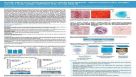
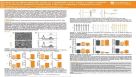
Cells enriched in markers of neural tissue-committed stem cells reside in the bone marrow and are mobilized into the peripheral blood following stroke.
The concept that bone marrow (BM)-derived cells participate in neural regeneration remains highly controversial and the identity of the specific cell type(s) involved remains unknown. We recently reported that the BM contains a highly mobile population of CXCR4+ cells that express mRNA for various markers of early tissue-committed stem cells (TCSCs),including neural TCSCs. Here,we report that these cells not only express neural lineage markers (beta-III-tubulin,Nestin,NeuN,and GFAP),but more importantly form neurospheres in vitro. These neural TCSCs are present in significant amounts in BM harvested from young mice but their abundance and responsiveness to gradients of motomorphogens,such as SDF-1,HGF,and LIF,decreases with age. FACS analysis,combined with analysis of neural markers at the mRNA and protein levels,revealed that these cells reside in the nonhematopoietic CXCR4+/Sca-1+/lin-/CD45 BM mononuclear cell fraction. Neural TCSCs are mobilized into the peripheral-blood following stroke and chemoattracted to the damaged neural tissue in an SDF-1-CXCR4-,HGF-c-Met-,and LIF-LIF-R-dependent manner. Based on these data,we hypothesize that the postnatal BM harbors a nonhematopoietic population of cells that express markers of neural TCSCs that may account for the beneficial effects of BM-derived cells in neural regeneration.
View Publication
产品号#:
05700
05701
05702
05703
05704
产品名:
NeuroCult™ 基础培养基(小鼠和大鼠)
NeuroCult™ 扩增添加物(小鼠和大鼠)
NeuroCult™扩增试剂盒(小鼠和大鼠)
NeuroCult™ 分化添加物(小鼠和大鼠)
NeuroCult™ 分化试剂盒(小鼠和大鼠)
Udagawa J et al. (FEB 2006)
Endocrinology 147 2 647--58
The role of leptin in the development of the cerebral cortex in mouse embryos.
Leptin is detected in the sera,and leptin receptors are expressed in the cerebrum of mouse embryos,suggesting that leptin plays a role in cerebral development. Compared with the wild type,leptin-deficient (ob/ob) mice had fewer cells at embryonic day (E) 16 and E18 and had fewer 5-bromo-2'-deoxyuridine(+) cells at E14 and E16 in the neuroepithelium. Intracerebroventricular leptin injection in E14 ob/ob embryos increased the number of neuroepithelium cells at E16. In cultured neurosphere cells,leptin treatment increased Hes1 mRNA expression and maintained neural progenitors. Astrocyte differentiation was induced by low-dose (0.1 microg/ml) but not high-dose (1 microg/ml) leptin. High-dose leptin decreased Id mRNA and increased Ngn1 mRNA in neurosphere cells. The neuropeptide Y mRNA level in the cortical plate was lower in ob/ob than the wild type at E16 and E18. These results suggest that leptin maintains neural progenitors and is related to glial and neuronal development in embryos.
View Publication
产品号#:
05700
05701
05702
05703
05704
产品名:
NeuroCult™ 基础培养基(小鼠和大鼠)
NeuroCult™ 扩增添加物(小鼠和大鼠)
NeuroCult™扩增试剂盒(小鼠和大鼠)
NeuroCult™ 分化添加物(小鼠和大鼠)
NeuroCult™ 分化试剂盒(小鼠和大鼠)
Kortylewski M et al. (DEC 2005)
Nature medicine 11 12 1314--21
Inhibiting Stat3 signaling in the hematopoietic system elicits multicomponent antitumor immunity.
The immune system can act as an extrinsic suppressor of tumors. Therefore,tumor progression depends in part on mechanisms that downmodulate intrinsic immune surveillance. Identifying these inhibitory pathways may provide promising targets to enhance antitumor immunity. Here,we show that Stat3 is constitutively activated in diverse tumor-infiltrating immune cells,and ablating Stat3 in hematopoietic cells triggers an intrinsic immune-surveillance system that inhibits tumor growth and metastasis. We observed a markedly enhanced function of dendritic cells,T cells,natural killer (NK) cells and neutrophils in tumor-bearing mice with Stat3(-/-) hematopoietic cells,and showed that tumor regression requires immune cells. Targeting Stat3 with a small-molecule drug induces T cell- and NK cell-dependent growth inhibition of established tumors otherwise resistant to direct killing by the inhibitor. Our findings show that Stat3 signaling restrains natural tumor immune surveillance and that inhibiting hematopoietic Stat3 in tumor-bearing hosts elicits multicomponent therapeutic antitumor immunity.
View Publication
产品号#:
18709
18709RF
产品名:
EasySep™小鼠定制正选试剂盒
RoboSep™ 小鼠定制正选试剂盒含滤芯吸头
Kamminga LM et al. (MAR 2006)
Blood 107 5 2170--9
The Polycomb group gene Ezh2 prevents hematopoietic stem cell exhaustion.
The molecular mechanism responsible for a decline of stem cell functioning after replicative stress remains unknown. We used mouse embryonic fibroblasts (MEFs) and hematopoietic stem cells (HSCs) to identify genes involved in the process of cellular aging. In proliferating and senescent MEFs one of the most differentially expressed transcripts was Enhancer of zeste homolog 2 (Ezh2),a Polycomb group protein (PcG) involved in histone methylation and deacetylation. Retroviral overexpression of Ezh2 in MEFs resulted in bypassing of the senescence program. More importantly,whereas normal HSCs were rapidly exhausted after serial transplantations,overexpression of Ezh2 completely conserved long-term repopulating potential. Animals that were reconstituted with 3 times serially transplanted control bone marrow cells all died due to hematopoietic failure. In contrast,similarly transplanted Ezh2-overexpressing stem cells restored stem cell quality to normal levels. In a genetic genomics" screen�
View Publication
产品号#:
09600
09650
产品名:
StemSpan™ SFEM
StemSpan™ SFEM
O'Mahony L et al. (APR 2006)
American journal of physiology. Gastrointestinal and liver physiology 290 4 G839--45
Differential cytokine response from dendritic cells to commensal and pathogenic bacteria in different lymphoid compartments in humans.
Resident host microflora condition and prime the immune system. However,systemic and mucosal immune responses to bacteria may be divergent. Our aim was to compare,in vitro,cytokine production by human mononuclear and dendritic cells (DCs) from mesenteric lymph nodes (MLNs) and peripheral blood mononuclear cells (PBMCs) to defined microbial stimuli. Mononuclear cells and DCs isolated from the MLN (n = 10) and peripheral blood (n = 12) of patients with active colitis were incubated in vitro with the probiotic bacteria Lactobacillus salivarius UCC118 or Bifidobacterium infantis 35624 or the pathogenic organism Salmonella typhimurium UK1. Interleukin (IL)-12,tumor necrosis factor (TNF)-alpha,transforming growth factor (TGF)-beta,and IL-10 cytokine levels were quantified by ELISA. PBMCs and PBMC-derived DCs secreted TNF-alpha in response to the Lactobacillus,Bifidobacteria,and Salmonella strains,whereas MLN cells and MLN-derived DCs secreted TNF-alpha only in response to Salmonella challenge. Cells from the systemic compartment secreted IL-12 after coincubation with Salmonella or Lactobacilli,whereas MLN-derived cells produced IL-12 only in response to Salmonella. PBMCs secreted IL-10 in response to the Bifidobacterium strain but not in response to the Lactobacillus or Salmonella strain. However,MLN cells secreted IL-10 in response to Bifidobacteria and Lactobacilli but not in response to Salmonella. In conclusion,commensal bacteria induced regulatory cytokine production by MLN cells,whereas pathogenic bacteria induce T cell helper 1-polarizing cytokines. Commensal-pathogen divergence in cytokine responses is more marked in cells isolated from the mucosal immune system compared with PBMCs.
View Publication
产品号#:
09600
09650
产品名:
StemSpan™ SFEM
StemSpan™ SFEM
Kuroki MM et al. ( 2005)
Anticancer Research 25 6A 3733--9
Preparation of human IgG and IgM monoclonal antibodies for MK-1/Ep-CAM by using human immunoglobulin gene-transferred mouse and gene cloning of their variable regions.
For antibody-based therapy of cancer,monoclonal antibodies (mAbs) of human origin are superior to mouse,mouse/human chimeric or humanized mAbs,because of their minimum immunogenicity to humans and their efficient collaboration with human effector cells. In the present study,human mAbs were prepared against a pancarcinoma antigen,MK-1 (Ep-CAM),using a genetically-engineered mouse (KM mouse) that contains the human immunoglobulin genes. Spleen cells from KM mice,immunized with recombinant MK-1,were fused with P3-U1 mouse myeloma cells. Of 44 anti-MK-1 clones analyzed,two were of IgG4 and the others of IgM clones. Although the two IgG4 clones were suggested to recognize the same antigenic determinant or two closely located determinants,their VK regions were encoded by different light-chain genes while their VH sequences were identical. The two IgG4 and one of the IgM clones tested revealed antibody-dependent cell-mediated cytotoxicity and complement-dependent cytotoxicity,respectively,against MK-1-expressing cells in vitro,suggesting that these fully human mAbs produced against MK-1 and their V-region genes,which are applicable for the preparation of engineered antibody fragments that may be useful for antibody-based therapy of cancer.
View Publication
产品号#:
03800
03801
03802
03803
03804
03805
03806
产品名:
ClonaCell™-HY杂交瘤试剂盒
ClonaCell™-HY培养基A
ClonaCell™-HY 培养基 B
ClonaCell™-HY 培养基 C
ClonaCell™-HY 培养基 D
ClonaCell™-HY 培养基 E
ClonaCell™-HY PEG
Bull ND and Bartlett PF (NOV 2005)
The Journal of neuroscience : the official journal of the Society for Neuroscience 25 47 10815--21
The adult mouse hippocampal progenitor is neurogenic but not a stem cell.
The aim of this investigation was to characterize the proliferative precursor cells in the adult mouse hippocampal region. Given that a very large number of new hippocampal cells are generated over the lifetime of an animal,it is predicted that a neural stem cell is ultimately responsible for maintaining this genesis. Although it is generally accepted that a proliferative precursor resides within the hippocampus,contradictory reports exist regarding the classification of this cell. Is it a true stem cell or a more limited progenitor? Using a strict functional definition of a neural stem cell and a number of in vitro assays,we report that the resident hippocampal precursor is a progenitor capable of proliferation and multipotential differentiation but is unable to self-renew and thus proliferate indefinitely. Furthermore,the mitogen FGF-2 stimulates proliferation of these cells to a greater extent than epidermal growth factor (EGF). In addition,we found that BDNF was essential for the production of neurons from the hippocampal progenitor cells,being required during proliferation to trigger neuronal fate. In contrast,a bona fide neural stem cell was identified in the lateral wall of the lateral ventricle surrounding the hippocampus. Interestingly,EGF proved to be the stronger mitogenic factor for this cell,which was clearly a different precursor from the resident hippocampal progenitor. These results suggest that the stem cell ultimately responsible for adult hippocampal neurogenesis resides outside the hippocampus,producing progenitor cells that migrate into the neurogenic zones and proliferate to produce new neurons and glia.
View Publication
产品号#:
05700
05701
05702
05740
产品名:
NeuroCult™ 基础培养基(小鼠和大鼠)
NeuroCult™ 扩增添加物(小鼠和大鼠)
NeuroCult™扩增试剂盒(小鼠和大鼠)
Greish K et al. ( )
Anticancer research 25 6B 4245--8
Protective effect of melatonin on human peripheral blood hematopoeitic stem cells against doxorubicin cytotoxicity.
BACKGROUND: The dose-limiting toxicity of doxorubicin on hematopoietic stem cells reduces the maximum benefit from this powerful drug. Melatonin may play a role in reducing this toxicity. MATERIALS AND METHODS: Melatonin at 10 microM was used while challenging human peripheral blood stem cells (PBSC) with doxorubicin (0.6 microM and 1 microM),and colony formation was used to evaluate the protective effect of melatonin. RESULTS: Melatonin was protective for the myeloid and erythroid series when given during or 1 hour after,but not before,doxorubicin,as measured by colony assay. This protection was independent from its antioxidant function as measured by 2',7'-dichlodihydro-fluorescein diacetate and was selective for PBSC when compared to the MCF-7 cancer cell line. CONCLUSION: The results suggest the importance of the time sequence for melatonin administration to exert its protective effect in relation to doxorubicin treatment,as well as its protective effect on both erythroid and myeloid elements independent from its antioxidant function.
View Publication
产品号#:
84434
84444
产品名:
Udomsakdi C et al. (JUL 1992)
Proceedings of the National Academy of Sciences of the United States of America 89 13 6192--6
Rapid decline of chronic myeloid leukemic cells in long-term culture due to a defect at the leukemic stem cell level.
In this report we describe a quantitative in vitro assay for the most primitive type of leukemic precursors yet defined in patients with chronic myeloid leukemia (CML). This assay is based on the recently described long-term culture-initiating cell" (LTC-IC) assay for primitive normal human hematopoietic cells. Such cells�
View Publication
产品号#:
05150
05350
产品名:
MyeloCult™ H5100
Veinotte LL et al. (APR 2006)
Blood 107 7 2673--9
Expression of rearranged TCRgamma genes in natural killer cells suggests a minor thymus-dependent pathway of lineage commitment.
Natural killer (NK) cells are thought to develop from common lymphoid progenitors in the bone marrow. However,immature thymocytes also retain NK potential. Currently,the contribution of the thymus-dependent pathway in normal steady-state NK-cell development is unknown. Here,we show that TCRgamma genes are rearranged in approximately 5% of neonatal and 1% of adult mouse splenic NK cells,and similar levels are detected in NK cells from TCRbeta,delta double-knockout mice,excluding the possibility of T-cell contamination. NK-cell TCRgamma gene rearrangement is thymus dependent because this rearrangement is undetectable in nude mouse NK cells. These results change the current view of NK-cell development and show that a subset of NK cells develops from immature thymocytes that have rearranged TCRgamma genes.
View Publication