Lippmann ES et al. (APR 2014)
Stem Cells 32 4 1032--1042
Defined human pluripotent stem cell culture enables highly efficient neuroepithelium derivation without small molecule inhibitors.
The embryonic neuroepithelium gives rise to the entire central nervous system in vivo,making it an important tissue for developmental studies and a prospective cell source for regenerative applications. Current protocols for deriving homogenous neuroepithelial cultures from human pluripotent stem cells (hPSCs) consist of either embryoid body-mediated neuralization followed by a manual isolation step or adherent differentiation using small molecule inhibitors. Here,we report that hPSCs maintained under chemically defined,feeder-independent,and xeno-free conditions can be directly differentiated into pure neuroepithelial cultures ([mt]90% Pax6(+)/N-cadherin(+) with widespread rosette formation) within 6 days under adherent conditions,without small molecule inhibitors,and using only minimalistic medium consisting of Dulbecco's modified Eagle's medium/F-12,sodium bicarbonate,selenium,ascorbic acid,transferrin,and insulin (i.e.,E6 medium). Furthermore,we provide evidence that the defined culture conditions enable this high level of neural conversion in contrast to hPSCs maintained on mouse embryonic fibroblasts (MEFs). In addition,hPSCs previously maintained on MEFs could be rapidly converted to a neural compliant state upon transfer to these defined conditions while still maintaining their ability to generate all three germ layers. Overall,this fully defined and scalable protocol should be broadly useful for generating therapeutic neural cells for regenerative applications.
View Publication
Werner A et al. (SEP 2015)
Nature 525 7570 523--527
Cell-fate determination by ubiquitin-dependent regulation of translation
Metazoan development depends on the accurate execution of differentiation programs that allow pluripotent stem cells to adopt specific fates. Differentiation requires changes to chromatin architecture and transcriptional networks,yet whether other regulatory events support cell-fate determination is less well understood. Here we identify the ubiquitin ligase CUL3 in complex with its vertebrate-specific substrate adaptor KBTBD8 (CUL3(KBTBD8)) as an essential regulator of human and Xenopus tropicalis neural crest specification. CUL3(KBTBD8) monoubiquitylates NOLC1 and its paralogue TCOF1,the mutation of which underlies the neurocristopathy Treacher Collins syndrome. Ubiquitylation drives formation of a TCOF1-NOLC1 platform that connects RNA polymerase I with ribosome modification enzymes and remodels the translational program of differentiating cells in favour of neural crest specification. We conclude that ubiquitin-dependent regulation of translation is an important feature of cell-fate determination.
View Publication


 EasySep™小鼠TIL(CD45)正选试剂盒




 27:19
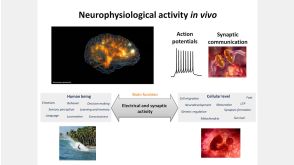
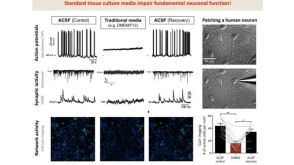
线上讲座BrainPhys™ Medium Supports the Physiological Activity of Neuronal Tissue in vitro发布日期: 07/22/2016
27:19
线上讲座BrainPhys™ Medium Supports the Physiological Activity of Neuronal Tissue in vitro发布日期: 07/22/2016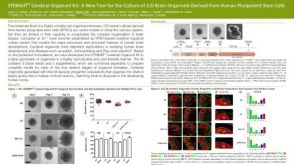 科学海报STEMdiff™ Cerebral Organoid Kit: A New Tool for the Culture of 3D Brain Organoids Derived from hPSCs

 沪公网安备31010102008431号