Martí et al. (APR 2016)
Molecular Neurobiology 53 5 2857--2868
RTP801 Is Involved in Mutant Huntingtin-Induced Cell Death
RTP801 expression is induced by cellular stress and has a pro-apoptotic function in non-proliferating differentiated cells such as neurons. In several neurodegenerative disorders,including Parkinson's disease and Alzheimer's disease,elevated levels of RTP801 have been observed,which suggests a role for RTP801 in neuronal death. Neuronal death is also a pathological hallmark in Huntington's disease (HD),an inherited neurodegenerative disorder caused by a CAG repeat expansion in the huntingtin gene. Currently,the exact mechanisms underlying mutant huntingtin (mhtt)-induced toxicity are still unclear. Here,we investigated whether RTP801 is involved in (mhtt)-induced cell death. Ectopic exon-1 mhtt elevated RTP801 mRNA and protein levels in nerve growth factor (NGF)-differentiated PC12 cells and in rat primary cortical neurons. In neuronal PC12 cells,mhtt also contributed to RTP801 protein elevation by reducing its proteasomal degradation rate,in addition to promoting RTP801 gene expression. Interestingly,silencing RTP801 expression with short hairpin RNAs (shRNAs) blocked mhtt-induced cell death in NGF-differentiated PC12 cells. However,RTP801 protein levels were not altered in the striatum of Hdh(Q7/Q111) and R6/1 mice,two HD models that display motor deficits but not neuronal death. Importantly,RTP801 protein levels were elevated in both neural telencephalic progenitors differentiated from HD patient-derived induced pluripotent stem cells and in the putamen and cerebellum of human HD postmortem brains. Taken together,our results suggest that RTP801 is a novel downstream effector of mhtt-induced toxicity and that it may be relevant to the human disease.
View Publication
产品号#:
05850
05857
05870
05875
85850
85857
85870
85875
产品名:
mTeSR™1
mTeSR™1
Miranda C et al. (OCT 2015)
Biotechnology Journal 10 10 1612--1624
Spatial and temporal control of cell aggregation efficiently directs human pluripotent stem cells towards neural commitment
3D suspension culture is generally considered a promising method to achieve efficient expansion and controlled differentiation of human pluripotent stem cells (hPSCs). In this work,we focused on developing an integrated culture platform for expansion and neural commitment of hPSCs into neural precursors using 3D suspension conditions and chemically-defined culture media. We evaluated different inoculation methodologies for hPSC expansion as 3D aggregates and characterized the resulting cultures in terms of aggregate size distribution. It was demonstrated that upon single-cell inoculation,after four days of culture,3D aggregates were composed of homogenous populations of hPSC and were characterized by an average diameter of 139 ± 26 μm,which was determined to be the optimal size to initiate neural commitment. Temporal analysis revealed that upon neural specification it is possible to maximize the percentage of neural precursor cells expressing the neural markers Sox1 and Pax6 after nine days of culture. These results highlight our ability to define a robust method for production of hPSC-derived neural precursors that minimizes processing steps and that constitutes a promising alternative to the traditional planar adherent culture system due to a high potential for scaling-up.
View Publication
产品号#:
05850
05857
05870
05875
27305
85850
85857
85870
85875
产品名:
mTeSR™1
mTeSR™1
Utami KH et al. (NOV 2014)
Human mutation 35 11 1311--1320
Impaired development of neural-crest cell-derived organs and intellectual disability caused by MED13L haploinsufficiency.
MED13L is a component subunit of the Mediator complex,an important regulator of transcription that is highly conserved across eukaryotes. Here we report MED13L disruption in a translocation t(12;19) breakpoint of a patient with Pierre-Robin syndrome,moderate intellectual disability (ID),craniofacial anomalies,and muscular defects. The phenotype is similar to previously described patients with MED13L haploinsufficiency. Knockdown of MED13L orthologue in zebrafish,med13b,showed early defective migration of cranial neural crest cells (NCCs) that contributed into cartilage structure deformities in the later stage,recapitulating craniofacial anomalies seen in human patients. Notably,we observed abnormal distribution of developing neurons in different brain regions of med13b morphant embryos,which could be rescued upon introduction of full-length human MED13L mRNA. To compare with mammalian system,we suppressed MED13L expression by short-hairpin RNA in ES-derived human neural progenitors,and differentiated them into neurons. Transcriptome analysis revealed differential expression of components of Wnt and FGF signalling pathways in MED13L-deficient neurons. Our finding provides a novel insight into the mechanism of overlapping phenotypic outcome targeting NCCs derivatives organs in patients with MED13L haploinsufficiency,and emphasizes a clinically recognizable syndromic phenotype in these patients. This article is protected by copyright. All rights reserved.
View Publication


 EasySep™小鼠TIL(CD45)正选试剂盒




 27:19
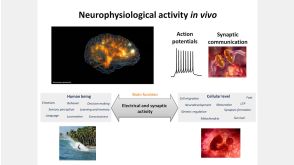
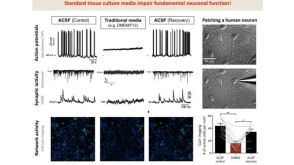
线上讲座BrainPhys™ Medium Supports the Physiological Activity of Neuronal Tissue in vitro发布日期: 07/22/2016
27:19
线上讲座BrainPhys™ Medium Supports the Physiological Activity of Neuronal Tissue in vitro发布日期: 07/22/2016

 沪公网安备31010102008431号