Martí et al. (APR 2016)
Molecular Neurobiology 53 5 2857--2868
RTP801 Is Involved in Mutant Huntingtin-Induced Cell Death
RTP801 expression is induced by cellular stress and has a pro-apoptotic function in non-proliferating differentiated cells such as neurons. In several neurodegenerative disorders,including Parkinson's disease and Alzheimer's disease,elevated levels of RTP801 have been observed,which suggests a role for RTP801 in neuronal death. Neuronal death is also a pathological hallmark in Huntington's disease (HD),an inherited neurodegenerative disorder caused by a CAG repeat expansion in the huntingtin gene. Currently,the exact mechanisms underlying mutant huntingtin (mhtt)-induced toxicity are still unclear. Here,we investigated whether RTP801 is involved in (mhtt)-induced cell death. Ectopic exon-1 mhtt elevated RTP801 mRNA and protein levels in nerve growth factor (NGF)-differentiated PC12 cells and in rat primary cortical neurons. In neuronal PC12 cells,mhtt also contributed to RTP801 protein elevation by reducing its proteasomal degradation rate,in addition to promoting RTP801 gene expression. Interestingly,silencing RTP801 expression with short hairpin RNAs (shRNAs) blocked mhtt-induced cell death in NGF-differentiated PC12 cells. However,RTP801 protein levels were not altered in the striatum of Hdh(Q7/Q111) and R6/1 mice,two HD models that display motor deficits but not neuronal death. Importantly,RTP801 protein levels were elevated in both neural telencephalic progenitors differentiated from HD patient-derived induced pluripotent stem cells and in the putamen and cerebellum of human HD postmortem brains. Taken together,our results suggest that RTP801 is a novel downstream effector of mhtt-induced toxicity and that it may be relevant to the human disease.
View Publication
产品号#:
05850
05857
05870
05875
85850
85857
85870
85875
产品名:
mTeSR™1
mTeSR™1
Grunseich C et al. (OCT 2014)
Neurobiology of Disease 70 12--20
Stem cell-derived motor neurons from spinal and bulbar muscular atrophy patients.
Spinal and bulbar muscular atrophy (SBMA,Kennedy's disease) is a motor neuron disease caused by polyglutamine repeat expansion in the androgen receptor. Although degeneration occurs in the spinal cord and muscle,the exact mechanism is not clear. Induced pluripotent stem cells from spinal and bulbar muscular atrophy patients provide a useful model for understanding the disease mechanism and designing effective therapy. Stem cells were generated from six patients and compared to control lines from three healthy individuals. Motor neurons from four patients were differentiated from stem cells and characterized to understand disease-relevant phenotypes. Stem cells created from patient fibroblasts express less androgen receptor than control cells,but show androgen-dependent stabilization and nuclear translocation. The expanded repeat in several stem cell clones was unstable,with either expansion or contraction. Patient stem cell clones produced a similar number of motor neurons compared to controls,with or without androgen treatment. The stem cell-derived motor neurons had immunoreactivity for HB9,Isl1,ChAT,and SMI-32,and those with the largest repeat expansions were found to have increased acetylated ??-tubulin and reduced HDAC6. Reduced HDAC6 was also found in motor neuron cultures from two other patients with shorter repeats. Evaluation of stably transfected mouse cells and SBMA spinal cord showed similar changes in acetylated ??-tubulin and HDAC6. Perinuclear lysosomal enrichment,an HDAC6 dependent process,was disrupted in motor neurons from two patients with the longest repeats. SBMA stem cells present new insights into the disease,and the observations of reduced androgen receptor levels,repeat instability,and reduced HDAC6 provide avenues for further investigation of the disease mechanism and development of effective therapy. ?? 2014.
View Publication
产品号#:
05850
05857
05870
05875
85850
85857
85870
85875
产品名:
mTeSR™1
mTeSR™1
Busskamp V et al. (NOV 2014)
Molecular systems biology 10 11 760
Rapid neurogenesis through transcriptional activation in human stem cells.
Advances in cellular reprogramming and stem cell differentiation now enable ex vivo studies of human neuronal differentiation. However,it remains challenging to elucidate the underlying regulatory programs because differentiation protocols are laborious and often result in low neuron yields. Here,we overexpressed two Neurogenin transcription factors in human-induced pluripotent stem cells and obtained neurons with bipolar morphology in 4 days,at greater than 90% purity. The high purity enabled mRNA and microRNA expression profiling during neurogenesis,thus revealing the genetic programs involved in the rapid transition from stem cell to neuron. The resulting cells exhibited transcriptional,morphological and functional signatures of differentiated neurons,with greatest transcriptional similarity to prenatal human brain samples. Our analysis revealed a network of key transcription factors and microRNAs that promoted loss of pluripotency and rapid neurogenesis via progenitor states. Perturbations of key transcription factors affected homogeneity and phenotypic properties of the resulting neurons,suggesting that a systems-level view of the molecular biology of differentiation may guide subsequent manipulation of human stem cells to rapidly obtain diverse neuronal types.
View Publication


 EasySep™小鼠TIL(CD45)正选试剂盒




 27:19
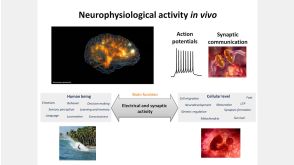
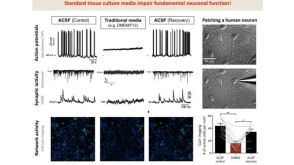
线上讲座BrainPhys™ Medium Supports the Physiological Activity of Neuronal Tissue in vitro发布日期: 07/22/2016
27:19
线上讲座BrainPhys™ Medium Supports the Physiological Activity of Neuronal Tissue in vitro发布日期: 07/22/2016

 沪公网安备31010102008431号