B. S. Souza et al. (dec 2016)
Scientific Reports 6 1 39775
Zika virus infection induces mitosis abnormalities and apoptotic cell death of human neural progenitor cells
Zika virus (ZIKV) infection has been associated with severe complications both in the developing and adult nervous system. To investigate the deleterious effects of ZIKV infection,we used human neural progenitor cells (NPC),derived from induced pluripotent stem cells (iPSC). We found that NPC are highly susceptible to ZIKV and the infection results in cell death. ZIKV infection led to a marked reduction in cell proliferation,ultrastructural alterations and induction of autophagy. Induction of apoptosis of Sox2 + cells was demonstrated by activation of caspases 3/7,8 and 9,and by ultrastructural and flow cytometry analyses. ZIKV-induced death of Sox2 + cells was prevented by incubation with the pan-caspase inhibitor,Z-VAD-FMK. By confocal microscopy analysis we found an increased number of cells with supernumerary centrosomes. Live imaging showed a significant increase in mitosis abnormalities,including multipolar spindle,chromosome laggards,micronuclei and death of progeny after cell division. FISH analysis for chromosomes 12 and 17 showed increased frequency of aneuploidy,such as monosomy,trisomy and polyploidy. Our study reinforces the link between ZIKV and abnormalities in the developing human brain,including microcephaly.
View Publication
产品号#:
05832
05833
19851
19851RF
19852
19852RF
19854
19854RF
05835
05839
产品名:
STEMdiff™ 神经花环选择试剂
STEMdiff™神经前体细胞培养基
EasySep™小鼠T细胞分选试剂盒
RoboSep™ 小鼠T细胞分选试剂盒
EasySep™小鼠CD4+ T细胞分选试剂盒
RoboSep™ 小鼠CD4+ T细胞分选试剂盒
EasySep™小鼠B细胞分选试剂盒
RoboSep™ 小鼠B细胞分选试剂盒
STEMdiff™ 神经诱导培养基
STEMdiff™ 神经诱导培养基
Tagliafierro L et al. (NOV 2017)
Alzheimer's & dementia : the journal of the Alzheimer's Association 13 11 1237--1250
Genetic analysis of α-synuclein 3' untranslated region and its corresponding microRNAs in relation to Parkinson's disease compared to dementia with Lewy bodies.
INTRODUCTION The α-synuclein (SNCA) gene has been implicated in the etiology of Parkinson's disease (PD) and dementia with Lewy bodies (DLB). METHODS A computational analysis of SNCA 3' untranslated region to identify potential microRNA (miRNA) binding sites and quantitative real-time polymerase chain reaction (PCR) to determine their expression in isogenic induced pluripotent stem cell-derived dopaminergic and cholinergic neurons as a model of PD and DLB,respectively,were performed. In addition,we performed a deep sequencing analysis of the SNCA 3' untranslated region of autopsy-confirmed cases of PD,DLB,and normal controls,followed by genetic association analysis of the identified variants. RESULTS We identified four miRNA binding sites and observed a neuronal-type-specific expression profile for each miRNA in the different isogenic induced pluripotent stem cell-derived dopaminergic and cholinergic neurons. Furthermore,we found that the short structural variant rs777296100-polyT was moderately associated with DLB but not with PD. DISCUSSION We suggest that the regulation of SNCA expression through miRNAs is neuronal-type-specific and possibly plays a part in the phenotypic heterogeneity of synucleinopathies. Furthermore,genetic variability in the SNCA gene may contribute to synucleinopathies in a pathology-specific manner.
View Publication
产品号#:
05790
05792
05793
05794
05795
产品名:
BrainPhys™神经元培养基
BrainPhys™神经元培养基和SM1试剂盒
BrainPhys™ 神经元培养基N2-A和SM1试剂盒
BrainPhys™原代神经元试剂盒
BrainPhys™ hPSC 神经元试剂盒
Merkle FT et al. (FEB 2015)
Development (Cambridge,England) 142 4 633--643
Generation of neuropeptidergic hypothalamic neurons from human pluripotent stem cells.
Hypothalamic neurons orchestrate many essential physiological and behavioral processes via secreted neuropeptides,and are relevant to human diseases such as obesity,narcolepsy and infertility. We report the differentiation of human pluripotent stem cells into many of the major types of neuropeptidergic hypothalamic neurons,including those producing pro-opiolemelanocortin,agouti-related peptide,hypocretin/orexin,melanin-concentrating hormone,oxytocin,arginine vasopressin,corticotropin-releasing hormone (CRH) or thyrotropin-releasing hormone. Hypothalamic neurons can be generated using a 'self-patterning' strategy that yields a broad array of cell types,or via a more reproducible directed differentiation approach. Stem cell-derived human hypothalamic neurons share characteristic morphological properties and gene expression patterns with their counterparts in vivo,and are able to integrate into the mouse brain. These neurons could form the basis of cellular models,chemical screens or cellular therapies to study and treat common human diseases.
View Publication


 EasySep™小鼠TIL(CD45)正选试剂盒




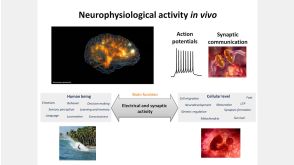 27:19
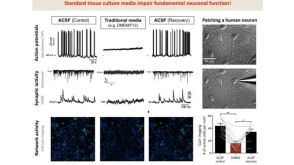
线上讲座BrainPhys™ Medium Supports the Physiological Activity of Neuronal Tissue in vitro发布日期: 07/22/2016
27:19
线上讲座BrainPhys™ Medium Supports the Physiological Activity of Neuronal Tissue in vitro发布日期: 07/22/2016

 沪公网安备31010102008431号