A critical challenge to deciphering the pathophysiology of neurodevelopmental disease is identifying which of the myriad abnormalities that emerge during CNS maturation persist to contribute to long-term brain dysfunction. Childhood-onset dystonia caused by a loss-of-function mutation in the AAA+ protein torsinA exemplifies this challenge. Neurons lacking torsinA develop transient nuclear envelope (NE) malformations during CNS maturation,but no NE defects are described in mature torsinA null neurons. We find that during postnatal CNS maturation torsinA null neurons develop mislocalized and dysfunctional nuclear pore complexes (NPC) that lack NUP358,normally added late in NPC biogenesis. SUN1,a torsinA-related molecule implicated in interphase NPC biogenesis,also exhibits localization abnormalities. Whereas SUN1 and associated nuclear membrane abnormalities resolve in juvenile mice,NPC defects persist into adulthood. These findings support a role for torsinA function in NPC biogenesis during neuronal maturation and implicate altered NPC function in dystonia pathophysiology.
View Publication
产品号#:
05711
05790
05792
05793
05794
05795
100-1281
产品名:
NeuroCult™ SM1 神经添加物
BrainPhys™神经元培养基
BrainPhys™神经元培养基和SM1试剂盒
BrainPhys™ 神经元培养基N2-A和SM1试剂盒
BrainPhys™原代神经元试剂盒
BrainPhys™ hPSC 神经元试剂盒
NeuroCult™ SM1 神经添加物
Busskamp V et al. (NOV 2014)
Molecular systems biology 10 11 760
Rapid neurogenesis through transcriptional activation in human stem cells.
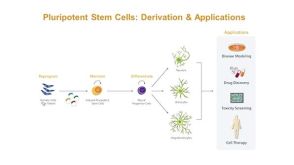
Advances in cellular reprogramming and stem cell differentiation now enable ex vivo studies of human neuronal differentiation. However,it remains challenging to elucidate the underlying regulatory programs because differentiation protocols are laborious and often result in low neuron yields. Here,we overexpressed two Neurogenin transcription factors in human-induced pluripotent stem cells and obtained neurons with bipolar morphology in 4 days,at greater than 90% purity. The high purity enabled mRNA and microRNA expression profiling during neurogenesis,thus revealing the genetic programs involved in the rapid transition from stem cell to neuron. The resulting cells exhibited transcriptional,morphological and functional signatures of differentiated neurons,with greatest transcriptional similarity to prenatal human brain samples. Our analysis revealed a network of key transcription factors and microRNAs that promoted loss of pluripotency and rapid neurogenesis via progenitor states. Perturbations of key transcription factors affected homogeneity and phenotypic properties of the resulting neurons,suggesting that a systems-level view of the molecular biology of differentiation may guide subsequent manipulation of human stem cells to rapidly obtain diverse neuronal types.
View Publication


 EasySep™小鼠TIL(CD45)正选试剂盒




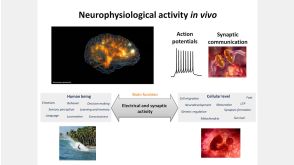 27:19
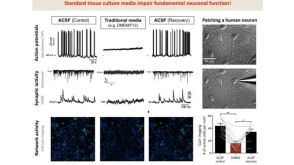
线上讲座BrainPhys™ Medium Supports the Physiological Activity of Neuronal Tissue in vitro发布日期: 07/22/2016
27:19
线上讲座BrainPhys™ Medium Supports the Physiological Activity of Neuronal Tissue in vitro发布日期: 07/22/2016


 沪公网安备31010102008431号