Belle K et al. (JAN 2017)
Neuroscience letters 637 201--206
Generation of disease-specific autopsy-confirmed iPSCs lines from postmortem isolated Peripheral Blood Mononuclear Cells
Understanding the molecular mechanisms that underlie neurodegenerative disorders has been hampered by a lack of readily available model systems that replicate the complexity of the human disease. Recent advances in stem cell technology have facilitated the derivation of patient-specific stem cells from a variety of differentiated cell types. These induced pluripotent stem cells (iPSCs) are attractive disease models since they can be grown and differentiated to produce large numbers of disease-relevant cell types. However,most iPSC lines are derived in advance of,and without the benefit of,neuropathological confirmation of the donor - the gold standard for many disease classifications and measurement of disease severity. While others have reported the generation of autopsy-confirmed iPSC lines from patient explants,these methods require outgrowth of cadaver tissue,which require additional time and is often only successul 50% of the time. Here we report the rapid generation of autopsy-confirmed iPSC lines from peripheral blood mononuclear cells (PBMCs) drawn postmortem. Since this approach doesn't require the propagation of previously frozen cadaver tissue,iPSC can be rapidly and efficiently produced from patients with autopsy-confirmed pathology. These matched iPSC-derived patient-specific neurons and postmortem brain tissue will support studies of specific mechanisms that drive the pathogenesis of neurodegenerative diseases.
View Publication
Werner A et al. (SEP 2015)
Nature 525 7570 523--527
Cell-fate determination by ubiquitin-dependent regulation of translation
Metazoan development depends on the accurate execution of differentiation programs that allow pluripotent stem cells to adopt specific fates. Differentiation requires changes to chromatin architecture and transcriptional networks,yet whether other regulatory events support cell-fate determination is less well understood. Here we identify the ubiquitin ligase CUL3 in complex with its vertebrate-specific substrate adaptor KBTBD8 (CUL3(KBTBD8)) as an essential regulator of human and Xenopus tropicalis neural crest specification. CUL3(KBTBD8) monoubiquitylates NOLC1 and its paralogue TCOF1,the mutation of which underlies the neurocristopathy Treacher Collins syndrome. Ubiquitylation drives formation of a TCOF1-NOLC1 platform that connects RNA polymerase I with ribosome modification enzymes and remodels the translational program of differentiating cells in favour of neural crest specification. We conclude that ubiquitin-dependent regulation of translation is an important feature of cell-fate determination.
View Publication


 EasySep™小鼠TIL(CD45)正选试剂盒




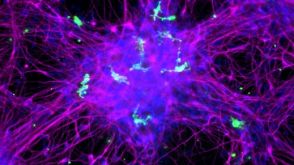 实验方案How to Co-Culture Human Pluripotent Stem Cell (hPSC)-Derived Forebrain Neurons and Microglia
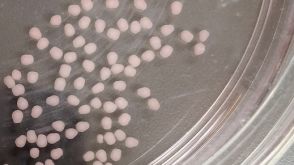 实验方案How to Dissociate 3D Neural Organoids into a Single-Cell Suspension
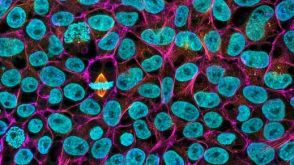 实验方案Large-Scale Expansion of hPSCs in 2D Monolayer Culture using mTeSR™ Plus


 沪公网安备31010102008431号