E. A. Davis et al. (JUN 2018)
Physiological reports 6 12 e13745
Evidence for a direct effect of the autonomic nervous system on intestinal epithelial stem cell proliferation.
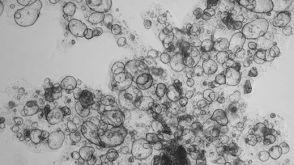
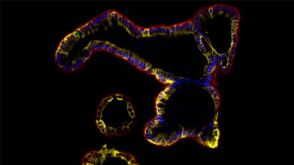
The sympathetic (SNS) and parasympathetic (PNS) branches of the autonomic nervous system have been implicated in the modulation of the renewal of many tissues,including the intestinal epithelium. However,it is not known whether these mechanisms are direct,requiring an interaction between autonomic neurotransmitters and receptors on proliferating epithelial cells. To evaluate the existence of a molecular framework for a direct effect of the SNS or PNS on intestinal epithelial renewal,we measured gene expression for the main autonomic neurotransmitter receptors in this tissue. We separately evaluated intestinal epithelial regions comprised of the stem,progenitor,and mature cells,which allowed us to investigate the distinct contributions of each cell population to this proposed autonomic effect. Notably,we found that the stem cells expressed the receptors for the SNS-associated alpha2A adrenoreceptor and the PNS-associated muscarinic acetylcholine receptors (M1 and M3). In a separate experiment,we found that the application of norepinephrine or acetylcholine decreases the expression of cyclin D1,a gene necessary for cell cycle progression,in intestinal epithelial organoids compared with controls (P {\textless} 0.05). Together,these results provide evidence of a direct mechanism for the autonomic nervous system influence on intestinal epithelial stem cell proliferation.
View Publication
P. Dey et al. (Apr 2020)
Cancer Discovery 10 608-625
Oncogenic KRAS-driven metabolic reprogramming in pancreatic cancer cells utilizes cytokines from the tumor microenvironment
A hallmark of pancreatic ductal adenocarcinoma (PDAC) is an exuberant stroma comprised of diverse cell types that enable or suppress tumor progression. Here,we explored the role of oncogenic KRAS in protumorigenic signaling interactions between cancer cells and host cells. We show that KRAS mutation (KRAS) drives cell-autonomous expression of type I cytokine receptor complexes (IL2r?–IL4r? and IL2r?–IL13r?1) in cancer cells that in turn are capable of receiving cytokine growth signals (IL4 or IL13) provided by invading Th2 cells in the microenvironment. Early neoplastic lesions show close proximity of cancer cells harboring KRAS and Th2 cells producing IL4 and IL13. Activated IL2r?–IL4r? and IL2r?–IL13r?1 receptors signal primarily via JAK1-STAT6. Integrated transcriptomic,chromatin occupancy,and metabolomic studies identified MYC as a direct target of activated STAT6 and that MYC drives glycolysis. Thus,paracrine signaling in the tumor microenvironment plays a key role in the KRAS-driven metabolic reprogramming of PDAC. SIGNIFICANCE: Type II cytokines,secreted by Th2 cells in the tumor microenvironment,can stimulate cancer cell-intrinsic MYC transcriptional upregulation to drive glycolysis. This KRAS-driven heterotypic signaling circuit in the early and advanced tumor microenvironment enables cooperative protumorigenic interactions,providing candidate therapeutic targets in the KRAS pathway for this intractable disease.
View Publication
产品号#:
100-0820
100-0781
产品名:
PancreaCult™ 类器官启动培养基 (人)
PancreaCult™ 类器官生长培养基 (人)
N. K. Lytle et al. ( 2019)
Cell 177 3 572--586.e22
A Multiscale Map of the Stem Cell State in Pancreatic Adenocarcinoma.
Drug resistance and relapse remain key challenges in pancreatic cancer. Here,we have used RNA sequencing (RNA-seq),chromatin immunoprecipitation (ChIP)-seq,and genome-wide CRISPR analysis to map the molecular dependencies of pancreatic cancer stem cells,highly therapy-resistant cells that preferentially drive tumorigenesis and progression. This integrated genomic approach revealed an unexpected utilization of immuno-regulatory signals by pancreatic cancer epithelial cells. In particular,the nuclear hormone receptor retinoic-acid-receptor-related orphan receptor gamma (ROR$\gamma$),known to drive inflammation and T cell differentiation,was upregulated during pancreatic cancer progression,and its genetic or pharmacologic inhibition led to a striking defect in pancreatic cancer growth and a marked improvement in survival. Further,a large-scale retrospective analysis in patients revealed that ROR$\gamma$ expression may predict pancreatic cancer aggressiveness,as it positively correlated with advanced disease and metastasis. Collectively,these data identify an orthogonal co-option of immuno-regulatory signals by pancreatic cancer stem cells,suggesting that autoimmune drugs should be evaluated as novel treatment strategies for pancreatic cancer patients.
View Publication


 EasySep™小鼠TIL(CD45)正选试剂盒






 沪公网安备31010102008431号