Gu Z et al. (FEB 2006)
Antimicrobial agents and chemotherapy 50 2 625--31
In vitro antiretroviral activity and in vitro toxicity profile of SPD754, a new deoxycytidine nucleoside reverse transcriptase inhibitor for treatment of human immunodeficiency virus infection.
SPD754 (AVX754) is a deoxycytidine analogue nucleotide reverse transcriptase inhibitor (NRTI) in clinical development. These studies characterized the in vitro activity of SPD754 against NRTI-resistant human immunodeficiency virus type 1 (HIV-1) and non-clade B HIV-1 isolates,its activity in combination with other antiretrovirals,and its potential myelotoxicity and mitochondrial toxicity. SPD754 was tested against 50 clinical HIV-1 isolates (5 wild-type isolates and 45 NRTI-resistant isolates) in MT-4 cells using the Antivirogram assay. SPD754 susceptibility was reduced 1.2- to 2.2-fold against isolates resistant to zidovudine (M41L,T215Y/F,plus a median of three additional nucleoside analogue mutations [NAMs]) and/or lamivudine (M184V) and was reduced 1.3- to 2.8-fold against isolates resistant to abacavir (L74V,Y115F,and M184V plus one other NAM) or stavudine (V75T/M,M41L,T215F/Y,and four other NAMs). Insertions at amino acid position 69 and Q151M mutations (with or without M184V) reduced SPD754 susceptibility 5.2-fold and 14- to 16-fold,respectively (these changes gave values comparable to or less than the corresponding values for zidovudine,lamivudine,abacavir,and didanosine). SPD754 showed similar activity against isolates of group M HIV-1 clades,including A/G,B,C,D,A(E),D/F,F,and H. SPD754 showed additive effects in combination with other NRTIs,tenofovir,nevirapine,or saquinavir. SPD754 had no significant effects on cell viability or mitochondrial DNA in HepG2 or MT-4 cells during 28-day exposure at concentrations up to 200 microM. SPD754 showed a low potential for myelotoxicity against human bone marrow. In vitro,SPD754 retained activity against most NRTI-resistant HIV-1 clinical isolates and showed a low propensity to cause myelotoxicity and mitochondrial toxicity.
View Publication
产品号#:
04434
04444
产品名:
MethoCult™ H4434 Classic
MethoCult™ H4434 Classic
El-Ouriaghli F et al. (NOV 2003)
Blood 102 10 3786--92
Clonal dominance of chronic myelogenous leukemia is associated with diminished sensitivity to the antiproliferative effects of neutrophil elastase.
Clinical observations suggest that in chronic myelogenous leukemia (CML),the Philadelphia chromosome (Ph+) clone has a growth advantage over normal hematopoiesis. Patients with CML have high levels of neutrophil elastase,which has recently been shown to antagonize the action of granulocyte-colony-stimulating factor (G-CSF) and other growth factors. We therefore compared the effect of elastase on the growth of normal and CML progenitor cells. In 10-day suspension cultures of normal or CML CD34+ cells supplemented with G-CSF,stem cell factor (SCF),and granulocyte macrophage-colony-stimulating factor (GM-CSF),CML cells had diminished sensitivity to the growth inhibitory effect of elastase. When equal numbers of CML and normal CD34+ cells were cocultured for 10 days,there was no change in the relative proportions of normal and leukemic cells (measured by fluorescence in situ hybridization [FISH] or flow cytometry). However,when elastase was added,CML cells predominated at the end of the culture period (78% vs 22% with 1 microg/mL and 80% vs 20% with 5 microg/mL elastase). CML neutrophils substituted effectively for elastase in suppressing the proliferation of normal CD34+ cells,but this effect was abrogated by serine protease inhibitors. These results suggest that elastase overproduction by the leukemic clone can change the growth environment by digesting growth factors,thereby giving advantage to Ph+ hematopoiesis.
View Publication
产品号#:
09500
09600
09650
产品名:
BIT 9500血清替代物
StemSpan™ SFEM
StemSpan™ SFEM
Fan Y et al. (JAN 2018)
The Biochemical journal 475 1 23--44
Interrogating Parkinson's disease LRRK2 kinase pathway activity by assessing Rab10 phosphorylation in human neutrophils.
There is compelling evidence for the role of the leucine-rich repeat kinase 2 (LRRK2) and in particular its kinase function in Parkinson's disease. Orally bioavailable,brain penetrant and potent LRRK2 kinase inhibitors are in the later stages of clinical development. Here,we describe a facile and robust assay to quantify LRRK2 kinase pathway activity by measuring LRRK2-mediated phosphorylation of Rab10 in human peripheral blood neutrophils. We use the selective MJFF-pRab10 monoclonal antibody recognising the Rab10 Thr73 phospho-epitope that is phosphorylated by LRRK2. We highlight the feasibility and practicability of using our assay in the clinical setting by studying a few patients with G2019S LRRK2 associated and sporadic Parkinson's as well as healthy controls. We suggest that peripheral blood neutrophils are a valuable resource for LRRK2 research and should be considered for inclusion in Parkinson's bio-repository collections as they are abundant,homogenous and express relatively high levels of LRRK2 as well as Rab10. In contrast,the widely used peripheral blood mononuclear cells are heterogeneous and only a minority of cells (monocytes and contaminating neutrophils) express LRRK2. While our LRRK2 kinase pathway assay could assist in patient stratification based on LRRK2 kinase activity,we envision that it may find greater utility in pharmacodynamic and target engagement studies in future LRRK2 inhibitor trials.
View Publication
产品号#:
19666
85450
85460
100-0404
产品名:
EasySep™ Direct人中性粒细胞分选试剂盒
SepMate™-50 (IVD)
SepMate™-50 (IVD)
RoboSep™ 人中性粒细胞分选试剂盒
挂图
Human Immune Cytokines
Infographic of key cytokines for expansion, differentiation and characterization of major immune cell types
Valayer A et al. (SEP 2016)
Journal of leukocyte biology
Neutrophils can disarm NK cell response through cleavage of NKp46.
Polymorphonuclear neutrophils (PMNs) can contribute to the regulation of the host immune response by crosstalk with innate and adaptive leukocytes,including NK cells. Mechanisms by which this immunoregulation process occurs remain incompletely understood. Here,we focused on the effect of human neutrophil-derived serine proteases on NKp46,a crucial activating receptor expressed on NK cells. We used flow cytometry,Western blotting,and mass spectrometry (MS) analysis to reveal that cathepsin G [CG; and not elastase or proteinase 3 (PR3)] induces a time- and concentration-dependent,down-regulatory effect on NKp46 expression through a restricted proteolytic mechanism. We also used a functional assay to demonstrate that NKp46 cleavage by CG severely impairs NKp46-mediated responses of NK cells,including IFN-γ production and cell degranulation. Importantly,sputa of cystic fibrosis (CF) patients,which have high concentrations of CG,also alter NKp46 on NK cells. Hence,we have identified a new immunoregulatory mechanism of neutrophils that proteolytically disarms NK cell responses.
View Publication
Verma AH et al. (APR 2016)
Mucosal immunology April 1--11
Eosinophils subvert host resistance to an intracellular pathogen by instigating non-protective IL-4 in CCR2(-/-) mice.
Eosinophils contribute to type II immune responses in helminth infections and allergic diseases; however,their influence on intracellular pathogens is less clear. We previously reported that CCR2(-/-) mice exposed to the intracellular fungal pathogen Histoplasma capsulatum exhibit dampened immunity caused by an early exaggerated interleukin (IL)-4 response. We sought to identify the cellular source promulgating IL-4 in infected mutant animals. Eosinophils were the principal instigators of non-protective IL-4 and depleting this granulocyte population improved fungal clearance in CCR2(-/-) animals. The deleterious impact of eosinophilia on mycosis was also recapitulated in transgenic animals overexpressing eosinophils. Mechanistic examination of IL-4 induction revealed that phagocytosis of H. capsulatum via the pattern recognition receptor complement receptor (CR) 3 triggered the heightened IL-4 response in murine eosinophils. This phenomenon was conserved in human eosinophils; exposure of cells to the fungal pathogen elicited a robust IL-4 response. Thus,our findings elucidate a detrimental attribute of eosinophil biology in fungal infections that could potentially trigger a collapse in host defenses by instigating type II immunity.Mucosal Immunology advance online publication,6 April 2016; doi:10.1038/mi.2016.26.
View Publication
产品号#:
19256
19256RF
产品名:
Imhof BA et al. (AUG 2016)
Proceedings of the National Academy of Sciences of the United States of America
CCN1/CYR61-mediated meticulous patrolling by Ly6Clow monocytes fuels vascular inflammation.
Inflammation is characterized by the recruitment of leukocytes from the bloodstream. The rapid arrival of neutrophils is followed by a wave of inflammatory lymphocyte antigen 6 complex (Ly6C)-positive monocytes. In contrast Ly6C(low) monocytes survey the endothelium in the steady state,but their role in inflammation is still unclear. Here,using confocal intravital microscopy,we show that upon Toll-like receptor 7/8 (TLR7/8)-mediated inflammation of mesenteric veins,platelet activation drives the rapid mobilization of Ly6C(low) monocytes to the luminal side of the endothelium. After repeatedly interacting with platelets,Ly6C(low) monocytes commit to a meticulous patrolling of the endothelial wall and orchestrate the subsequent arrival and extravasation of neutrophils through the production of proinflammatory cytokines and chemokines. At a molecular level,we show that cysteine-rich protein 61 (CYR61)/CYR61 connective tissue growth factor nephroblastoma overexpressed 1 (CCN1) protein is released by activated platelets and enables the recruitment of Ly6C(low) monocytes upon vascular inflammation. In addition endothelium-bound CCN1 sustains the adequate patrolling of Ly6C(low) monocytes both in the steady state and under inflammatory conditions. Blocking CCN1 or platelets with specific antibodies impaired the early arrival of Ly6C(low) monocytes and abolished the recruitment of neutrophils. These results refine the leukocyte recruitment cascade model by introducing endothelium-bound CCN1 as an inflammation mediator and by demonstrating a role for platelets and patrolling Ly6C(low) monocytes in acute vascular inflammation.
View Publication
产品号#:
19762
19762RF
产品名:
EasySep™小鼠中性粒细胞富集试剂盒
RoboSep™ 小鼠中性粒细胞富集试剂盒含滤芯吸头
Hornick EE et al. (FEB 2018)
Journal of immunology (Baltimore,Md. : 1950) 200 3 1188--1197
Nlrp12 Mediates Adverse Neutrophil Recruitment during Influenza Virus Infection.
Exaggerated inflammatory responses during influenza A virus (IAV) infection are typically associated with severe disease. Neutrophils are among the immune cells that can drive this excessive and detrimental inflammation. In moderation,however,neutrophils are necessary for optimal viral control. In this study,we explore the role of the nucleotide-binding domain leucine-rich repeat containing receptor family member Nlrp12 in modulating neutrophilic responses during lethal IAV infection. Nlrp12-/- mice are protected from lethality during IAV infection and show decreased vascular permeability,fewer pulmonary neutrophils,and a reduction in levels of neutrophil chemoattractant CXCL1 in their lungs compared with wild-type mice. Nlrp12-/- neutrophils and dendritic cells within the IAV-infected lungs produce less CXCL1 than their wild-type counterparts. Decreased CXCL1 production by Nlrp12-/- dendritic cells was not due to a difference in CXCL1 protein stability,but instead to a decrease in Cxcl1 mRNA stability. Together,these data demonstrate a previously unappreciated role for Nlrp12 in exacerbating the pathogenesis of IAV infection through the regulation of CXCL1-mediated neutrophilic responses.
View Publication
产品号#:
19762
19762RF
产品名:
EasySep™小鼠中性粒细胞富集试剂盒
RoboSep™ 小鼠中性粒细胞富集试剂盒含滤芯吸头
C. R. Seehus et al. (DEC 2017)
Nature communications 8 1 1900
Alternative activation generates IL-10 producing type 2 innate lymphoid cells.
Type 2 innate lymphoid cells (ILC2) share cytokine and transcription factor expression with CD4+ Th2 cells,but functional diversity of the ILC2 lineage has yet to be fully explored. Here,we show induction of a molecularly distinct subset of activated lung ILC2,termed ILC210. These cells produce IL-10 and downregulate some pro-inflammatory genes. Signals that generate ILC210 are distinct from those that induce IL-13 production,and gene expression data indicate that an alternative activation pathway leads to the generation of ILC210. In vivo,IL-2 enhances ILC210 generation and is associated with decreased eosinophil recruitment to the lung. Unlike most activated ILC2,the ILC210 population contracts after cessation of stimulation in vivo,with maintenance of a subset that can be recalled by restimulation,analogous to T-cell effector cell and memory cell generation. These data demonstrate the generation of a previously unappreciated IL-10 producing ILC2 effector cell population.
View Publication
产品号#:
19860
19860RF
85415
85420
85450
85460
86415
86420
86450
86460
产品名:
EasySep™小鼠Streptavidin RapidSpheres™分选试剂盒
RoboSep™ 小鼠Streptavidin RapidSpheres™分选试剂盒
SepMate™-15 (IVD)
SepMate™-15 (IVD)
SepMate™-50 (IVD)
SepMate™-50 (IVD)
SepMate™-15 (RUO)
SepMate™-15 (RUO)
SepMate™-50 (RUO)
SepMate™-50 (RUO)
Ode Y et al. (JAN 2018)
Journal of leukocyte biology
CIRP increases ICAM-1+ phenotype of neutrophils exhibiting elevated iNOS and NETs in sepsis.
Sepsis represents uncontrolled inflammation due to an infection. Cold-inducible RNA-binding protein (CIRP) is a stress-induced damage-associated molecular pattern (DAMP). A subset of neutrophils expressing ICAM-1+ neutrophils was previously shown to produce high levels of reactive oxygen species. The role of CIRP for the development and function of ICAM-1+ neutrophils during sepsis is unknown. We hypothesize that CIRP induces ICAM-1 expression in neutrophils causing injury to the lungs during sepsis. Using a mouse model of cecal ligation and puncture (CLP)-induced sepsis,we found increased expression of CIRP and higher frequencies and numbers of ICAM-1+ neutrophils in the lungs. Conversely,the CIRP-/- mice showed significant inhibition in the frequencies and numbers of ICAM-1+ neutrophils in the lungs compared to wild-type (WT) mice in sepsis. In vitro treatment of bone marrow-derived neutrophils (BMDN) with recombinant murine CIRP (rmCIRP) significantly increased ICAM-1+ phenotype in a time- and dose-dependent manner. The effect of rmCIRP on increasing frequencies of ICAM-1+ neutrophils was significantly attenuated in BMDN treated with anti-TLR4 Ab or NF-κB inhibitor compared,respectively,with BMDN treated with isotype IgG or DMSO. The frequencies of iNOS producing and neutrophil extracellular traps (NETs) forming phenotypes in rmCIRP-treated ICAM-1+ BMDN were significantly higher than those in ICAM-1- BMDN. Following sepsis the ICAM-1+ neutrophils in the lungs showed significantly higher levels of iNOS and NETs compared to ICAM-1- neutrophils. We further revealed that ICAM-1 and NETs were co-localized in the neutrophils treated with rmCIRP. CIRP-/- mice showed significant improvement in their survival outcome (78% survival) over that of WT mice (48% survival) in sepsis. Thus,CIRP could be a novel therapeutic target for regulating iNOS producing and NETs forming ICAM-1+ neutrophils in the lungs during sepsis.
View Publication
产品号#:
19762
19762RF
产品名:
EasySep™小鼠中性粒细胞富集试剂盒
RoboSep™ 小鼠中性粒细胞富集试剂盒含滤芯吸头
Brode S et al. (DEC 2010)
Thorax 65 12 1116--7
Interleukin-5 inhibits glucocorticoid-mediated apoptosis in human eosinophils.


 EasySep™小鼠TIL(CD45)正选试剂盒




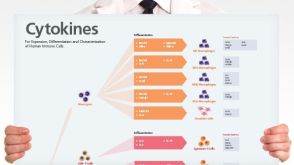 挂图Human Immune Cytokines Infographic of key cytokines for expansion, differentiation and characterization of major immune cell types
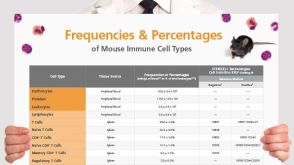 挂图Frequencies and Percentages of Mouse Immune Cell Types List of the frequencies of over 25 immune cell types in C57BL/6 mice
 沪公网安备31010102008431号