L. Starck et al. ( 2014)
The Journal of Immunology 192 206-213
Immunotherapy with TCR-Redirected T Cells: Comparison of TCR-Transduced and TCR-Engineered Hematopoietic Stem Cell-Derived T Cells
Redirecting Ag specificity by transfer of TCR genes into PBLs is an attractive method to generate large numbers of cytotoxic T cells for immunotherapy of cancer and viral diseases. However,transferred TCR chains can pair with endogenous TCR chains,resulting in the formation of mispaired TCR dimers and decreased or unspecific reactivity. TCR gene transfer into hematopoietic stem cells (HSCs) is an alternative to create T cells with desired Ag specificity,because in this case expression of endogenous TCR chains is then less likely owing to allelic exclusion. We generated TCR-transduced T cells from peripheral T cells using the lymphocytic choriomeningitis virus-specific P14 TCR. After transfer of the P14 TCR genes into HSCs and subsequent reconstitution of irradiated mice,TCR-engineered HSC-derived T cells were produced. We then compared the Ag-specific T cell populations with P14 TCR-transgenic T cells for their therapeutic efficiency in three in vivo models. In this study,we demonstrate that TCR-transduced T cells and TCR-engineered HSC-derived T cells are comparable in controlling lymphocytic choriomeningitis virus infection in mice and suppress growth of B16 tumor cells expressing the cognate Ag in a comparable manner.
View Publication
Crebbp haploinsufficiency in mice alters the bone marrow microenvironment, leading to loss of stem cells and excessive myelopoiesis.
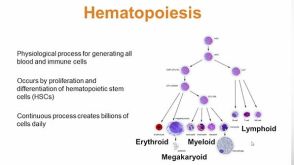
CREB-binding protein (CREBBP) is important for the cell-autonomous regulation of hematopoiesis,including the stem cell compartment. In the present study,we show that CREBBP plays an equally pivotal role in microenvironment-mediated regulation of hematopoiesis. We found that the BM microenvironment of Crebbp(+/-) mice was unable to properly maintain the immature stem cell and progenitor cell pools. Instead,it stimulates myeloid differentiation,which progresses into a myeloproliferation phenotype. Alterations in the BM microenvironment resulting from haploinsufficiency of Crebbp included a marked decrease in trabecular bone that was predominantly caused by increased osteoclastogenesis. Although CFU-fibroblast (CFU-F) and total osteoblast numbers were decreased,the bone formation rate was similar to that found in wild-type mice. At the molecular level,we found that the known hematopoietic modulators matrix metallopeptidase-9 (MMP9) and kit ligand (KITL) were decreased with heterozygous levels of Crebbp. Lastly,potentially important regulatory proteins,endothelial cell adhesion molecule 1 (ESAM1) and cadherin 5 (CDH5),were increased on Crebbp(+/-) endothelial cells. Our findings reveal that a full dose of Crebbp is essential in the BM microenvironment to maintain proper hematopoiesis and to prevent excessive myeloproliferation.
View Publication


 EasySep™小鼠TIL(CD45)正选试剂盒









 沪公网安备31010102008431号