Dominici M et al. (JAN 2006)
Cytotherapy 8 4 315--7
Minimal criteria for defining multipotent mesenchymal stromal cells. The International Society for Cellular Therapy position statement.
The considerable therapeutic potential of human multipotent mesenchymal stromal cells (MSC) has generated markedly increasing interest in a wide variety of biomedical disciplines. However,investigators report studies of MSC using different methods of isolation and expansion,and different approaches to characterizing the cells. Thus it is increasingly difficult to compare and contrast study outcomes,which hinders progress in the field. To begin to address this issue,the Mesenchymal and Tissue Stem Cell Committee of the International Society for Cellular Therapy proposes minimal criteria to define human MSC. First,MSC must be plastic-adherent when maintained in standard culture conditions. Second,MSC must express CD105,CD73 and CD90,and lack expression of CD45,CD34,CD14 or CD11b,CD79alpha or CD19 and HLA-DR surface molecules. Third,MSC must differentiate to osteoblasts,adipocytes and chondroblasts in vitro. While these criteria will probably require modification as new knowledge unfolds,we believe this minimal set of standard criteria will foster a more uniform characterization of MSC and facilitate the exchange of data among investigators.
View Publication
产品号#:
05420
05426
05429
05424
05434
产品名:
无动物成分的细胞解离试剂盒
Gottschling S et al. (MAR 2007)
Stem cells (Dayton,Ohio) 25 3 798--806
Human mesenchymal stromal cells regulate initial self-renewing divisions of hematopoietic progenitor cells by a beta1-integrin-dependent mechanism.
In previous reports,we have demonstrated that only direct cell-cell contact with stromal cells,such as the murine stromal cell line AFT024,was able to alter the cell division kinetics and self-renewing capacity of hematopoietic progenitor cells (HPC). Because beta(1)-integrins were shown to be crucial for the interaction of HPC with the bone marrow microenvironment,we have studied the role of beta(1)-integrins in the regulation of self-renewing cell divisions. For this purpose,we used primary human mesenchymal stromal (MS) cells as in vitro surrogate niche and monitored the division history and subsequent functional fate of individually plated CD34(+)133(+) cells in the absence or presence of an anti-beta(1)-integrin blocking antibody by time-lapse microscopy and subsequent long-term culture-initiating cell (LTC-IC) assays. beta(1)-Integrin-mediated contact with MS cells significantly increased the proportion of asymmetrically dividing cells and led to a substantial increase of LTC-IC. Provided that beta(1)-integrin-mediated contact was available within the first 72 hours,human MS cells were able to recruit HPC into cell cycle and accelerate their division kinetics without loss of stem cell function. Activation of beta(1)-integrins by ligands alone (e.g.,fibronectin and vascular cell adhesion molecule-1) was not sufficient to alter the cell division symmetry and promote self-renewal of HPC,thus indicating an indirect effect. These results have provided evidence that primary human MS cells are able to induce self-renewing divisions of HPC by a beta(1)-integrin-dependent mechanism.
View Publication
产品号#:
04434
04444
产品名:
MethoCult™ H4434 Classic
MethoCult™ H4434 Classic
Battula VL et al. (APR 2007)
Differentiation; research in biological diversity 75 4 279--91
Human placenta and bone marrow derived MSC cultured in serum-free, b-FGF-containing medium express cell surface frizzled-9 and SSEA-4 and give rise to multilineage differentiation.
Conventionally,mesenchymal stem cells (MSC) are generated by plating cells from bone marrow (BM) or other sources into culture flasks and selecting plastic-adherent cells with fibroblastoid morphology. These cells express CD9,CD10,CD13,CD73,CD105,CD166,and other markers but show only a weak or no expression of the embryonic markers stage-specific embryonic antigen-4 (SSEA-4),Oct-4 and nanog-3. Using a novel protocol we prepared MSC from BM and non-amniotic placenta (PL) by culture of Ficoll-selected cells in gelatin-coated flasks in the presence of a serum-free,basic fibroblast growth factor (b-FGF)-containing medium that was originally designed for the expansion of human embryonic stem cells (ESC). MSC generated in gelatin-coated flasks in the presence of ESC medium revealed a four-to fivefold higher proliferation rate than conventionally prepared MSC which were grown in uncoated flasks in serum-containing medium. In contrast,the colony forming unit fibroblast number was only 1.5- to twofold increased in PL-MSC and not affected in BM-MSC. PL-MSC grown in ESC medium showed an increased surface expression of SSEA-4 and frizzled-9 (FZD-9),an increased Oct-4 and nestin mRNA expression,and an induced expression of nanog-3. BM-MSC showed an induced expression of FZD-9,nanog-3,and Oct-4. In contrast to PL-MSC,only BM-MSC expressed the MSC-specific W8B2 antigen. When cultured under appropriate conditions,these MSC gave rise to functional adipocytes and osteoblast-like cells (mesoderm),glucagon and insulin expressing pancreatic-like cells (endoderm),as well as cells expressing the neuronal markers neuron-specific enolase,glutamic acid decarboxylase-67 (GAD),or class III beta-tubulin,and the astrocyte marker glial fibrillary acidic protein (ectoderm). In conclusion,using a novel protocol we demonstrate that adult BM-and neonatal PL-derived MSC can be induced to express high levels of FZD-9,Oct-4,nanog-3,and nestin and are able of multi-lineage differentiation.
View Publication
产品号#:
06902
06952
00321
00322
00323
00324
00325
产品名:
Nagano M et al. (JUL 2007)
Blood 110 1 151--60
Identification of functional endothelial progenitor cells suitable for the treatment of ischemic tissue using human umbilical cord blood.
Umbilical cord blood (UCB) has been used as a potential source of various kinds of stem cells,including hematopoietic stem cells,mesenchymal stem cells,and endothelial progenitor cells (EPCs),for a variety of cell therapies. Recently,EPCs were introduced for restoring vascularization in ischemic tissues. An appropriate procedure for isolating EPCs from UCB is a key issue for improving therapeutic efficacy and eliminating the unexpected expansion of nonessential cells. Here we report a novel method for isolating EPCs from UCB by a combination of negative immunoselection and cell culture techniques. In addition,we divided EPCs into 2 subpopulations according to the aldehyde dehydrogenase (ALDH) activity. We found that EPCs with low ALDH activity (Alde-Low) possess a greater ability to proliferate and migrate compared to those with high ALDH activity (Alde-High). Moreover,hypoxia-inducible factor proteins are up-regulated and VEGF,CXCR4,and GLUT-1 mRNAs are increased in Alde-Low EPCs under hypoxic conditions,while the response was not significant in Alde-High EPCs. In fact,the introduction of Alde-Low EPCs significantly reduced tissue damage in ischemia in a mouse flap model. Thus,the introduction of Alde-Low EPCs may be a potential strategy for inducing rapid neovascularization and subsequent regeneration of ischemic tissues.
View Publication
产品号#:
01700
01705
15128
15168
01702
产品名:
ALDEFLUOR™ 试剂盒
ALDEFLUOR™ DEAB试剂, 1.5 mM, 1 mL
RosetteSep™人间充质干细胞富集抗体混合物
RosetteSep™人间充质干细胞富集抗体混合物
ALDEFLUOR™检测缓冲液
Benvenuto F et al. (JUL 2007)
Stem cells (Dayton,Ohio) 25 7 1753--60
Human mesenchymal stem cells promote survival of T cells in a quiescent state.
Mesenchymal stem cells (MSC) are part of the bone marrow that provides signals supporting survival and growth of bystander hematopoietic stem cells (HSC). MSC modulate also the immune response,as they inhibit proliferation of lymphocytes. In order to investigate whether MSC can support survival of T cells,we investigated MSC capacity of rescuing T lymphocytes from cell death induced by different mechanisms. We observed that MSC prolong survival of unstimulated T cells and apoptosis-prone thymocytes cultured under starving conditions. MSC rescued T cells from activation induced cell death (AICD) by downregulation of Fas receptor and Fas ligand on T cell surface and inhibition of endogenous proteases involved in cell death. MSC dampened also Fas receptor mediated apoptosis of CD95 expressing Jurkat leukemic T cells. In contrast,rescue from AICD was not associated with a significant change of Bcl-2,an inhibitor of apoptosis induced by cell stress. Accordingly,MSC exhibited a minimal capacity of rescuing Jurkat cells from chemically induced apoptosis,a process disrupting the mitochondrial membrane potential regulated by Bcl-2. These results suggest that MSC interfere with the Fas receptor regulated process of programmed cell death. Overall,MSC can inhibit proliferation of activated T cells while supporting their survival in a quiescent state,providing a model of their activity inside the HSC niche. Disclosure of potential conflicts of interest is found at the end of this article.
View Publication
产品号#:
05401
05402
05411
产品名:
MesenCult™ MSC 基础培养基(人)
MesenCult™ MSC 刺激补充剂(人)
MesenCult™ 增殖试剂盒(人)
Carmona G et al. (MAR 2008)
Blood 111 5 2640--6
Activation of Epac stimulates integrin-dependent homing of progenitor cells.
Cell therapy is a novel promising option for treatment of ischemic diseases. Administered endothelial progenitor cells (EPCs) are recruited to ischemic regions and improve neovascularization. However,the number of cells that home to ischemic tissues is restricted. The GTPase Rap1 plays an important role in the regulation of adhesion and chemotaxis. We investigated whether pharmacologic activation of Epac1,a nucleotide exchange protein for Rap1,which is directly activated by cAMP,can improve the adhesive and migratory capacity of distinct progenitor cell populations. Stimulation of Epac by a cAMP-analog increased Rap1 activity and stimulated the adhesion of human EPCs,CD34(+) hematopoietic progenitor cells,and mesenchymal stem cells (MSCs). Specifically,short-term stimulation with a specific Epac activator increased the beta2-integrin-dependent adhesion of EPCs to endothelial cell monolayers,and of EPC and CD34(+) cells to ICAM-1. Furthermore,the Epac activator enhanced the beta1-integrin-dependent adhesion of EPCs and MSCs to the matrix protein fibronectin. In addition,Epac1 activation induced the beta1- and beta2-integrin-dependent migration of EPCs on fibronectin and fibrinogen. Interestingly,activation of Epac rapidly increased lateral mobility of beta1- and beta2-integrins,thereby inducing integrin polarization,and stimulated beta1-integrin affinity,whereas the beta2-integrin affinity was not increased. Furthermore,prestimulation of EPCs with the Epac activator increased homing to ischemic muscles and neovascularization-promoting capacity of intravenously injected EPCs in the model of hind limb ischemia. These data demonstrate that activation of Epac1 increases integrin activity and integrin-dependent homing functions of progenitor cells and enhances their in vivo therapeutic potential. These results may provide a platform for the development of novel therapeutic approaches to improve progenitor cell homing.
View Publication
产品号#:
05401
05402
05411
产品名:
MesenCult™ MSC 基础培养基(人)
MesenCult™ MSC 刺激补充剂(人)
MesenCult™ 增殖试剂盒(人)
Merino A et al. (JAN 2003)
Transfusion 43 1 1
Transfusion medicine illustrated. The mesenchymal stem cell revealed.
SnapShot: Adipocyte Life Cycle
Overview of the adipocyte life cycle, including a list of molecules involved in adipose stem cell proliferation, adipocyte differentiation, turnover and obesigenic expansion
Differentiation of osteoblasts and in vitro bone formation from murine embryonic stem cells.
Pluripotent embryonic stem (ES) cells have the potential to differentiate to all fetal and adult cell types and might represent a useful cell source for tissue engineering and repair. Here we show that differentiation of ES cells toward the osteoblast lineage can be enhanced by supplementing serum-containing media with ascorbic acid,beta-glycerophosphate,and/or dexamethasone/retinoic acid or by co-culture with fetal murine osteoblasts. ES cell differentiation into osteoblasts was characterized by the formation of discrete mineralized bone nodules that consisted of 50-100 cells within an extracellular matrix of collagen-1 and osteocalcin. Dexamethasone in combination with ascorbic acid and beta-glycerophosphate induced the greatest number of bone nodules and was dependent on time of stimulation with a sevenfold increase when added to ES cultures after,but not before,14 days. Co-culture with fetal osteoblasts also provided a potent stimulus for osteogenic differentiation inducing a fivefold increase in nodule number relative to ES cells cultured alone. These data demonstrate the application of a quantitative assay for the derivation of osteoblast lineage progenitors from pluripotent ES cells. This could be applied to obtain purified osteoblasts to analyze mechanisms of osteogenesis and for use of ES cells in skeletal tissue repair.
View Publication
产品号#:
06902
06952
00321
00322
00323
00324
00325
产品名:
Ikebe C and Suzuki K ( 2014)
BioMed research international 2014 951512
Mesenchymal stem cells for regenerative therapy: optimization of cell preparation protocols.
Administration of bone marrow-derived mesenchymal stem cells (MSCs) is an innovative approach for the treatment of a range of diseases that are not curable by current therapies including heart failure. A number of clinical trials have been completed and many others are ongoing; more than 2,000 patients worldwide have been administered with culture-expanded allogeneic or autologous MSCs for the treatment of various diseases,showing feasibility and safety (and some efficacy) of this approach. However,protocols for isolation and expansion of donor MSCs vary widely between these trials,which could affect the efficacy of the therapy. It is therefore important to develop international standards of MSC production,which should be evidence-based,regulatory authority-compliant,of good medical practice grade,cost-effective,and clinically practical,so that this innovative approach becomes an established widely adopted treatment. This review article summarizes protocols to isolate and expand bone marrow-derived MSCs in 47 recent clinical trials of MSC-based therapy,which were published after 2007 onwards and provided sufficient methodological information. Identified issues and possible solutions associated with the MSC production methods,including materials and protocols for isolation and expansion,are discussed with reference to relevant experimental evidence with aim of future clinical success of MSC-based therapy.
View Publication


 EasySep™小鼠TIL(CD45)正选试剂盒




 实验方案How to Prepare and Plate Semi-Solid Methylcellulose Medium for Cell Culture
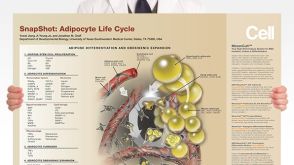 挂图SnapShot: Adipocyte Life Cycle Overview of the adipocyte life cycle, including a list of molecules involved in adipose stem cell proliferation, adipocyte differentiation, turnover and obesigenic expansion
 沪公网安备31010102008431号