Gundemir S et al. (SEP 2016)
Neuro-Oncology now157
The complex role of transglutaminase 2 in glioblastoma proliferation
BACKGROUND Glioblastomas (GBMs) are a heterogeneous group of primary brain tumors. These tumors are resistant to therapeutic interventions and invariably recur after surgical resection. The multifunctional protein transglutaminase 2 (TG2) has been shown to promote cell survival in a number of different tumors. There is also evidence that TG2 may be a pro-survival factor in GBMs. However,the roles that TG2 plays in facilitating GBM survival and proliferation have not yet been clearly delineated . METHODS The functions of TG2 are often cell- and context-specific. Therefore,in this study we examined the ability of TG2 to facilitate GBM proliferation using colony formation assays and 5-ethynyl-2'-deoxyuridine (EdU) incorporation in several different GBM cell lines as well as neurospheres derived from patient tumors representing the 3 major subtypes of GBM tumors (mesenchymal,proneural,and classical) and maintained in the absence of serum. TG2 knockdown or selective TG2 inhibitors were used to modulate TG2 expression and activity. RESULTS We show that TG2 plays differential roles in the proliferative process depending on the cell type. In most,but not all,GBM models TG2 plays a crucial role in the proliferative process,and some but not all TG2 inhibitors were highly effective at reducing proliferation in a large subset of the GBM models. CONCLUSION Our results show that TG2 plays an important-but notoriously context-specific-role in GBM cell biology. Nonetheless,as future studies unravel the genetic fingerprints" that make TG2 inhibitors effective this information could be exploited to develop TG2 inhibitors into personalized GBM therapies.
View Publication
产品号#:
05750
05751
产品名:
NeuroCult™ NS-A 基础培养基(人)
NeuroCult™ NS-A 扩增试剂盒(人)
Marigil M et al. (JAN 2017)
PloS one 12 1 e0170501
Development of a DIPG Orthotopic Model in Mice Using an Implantable Guide-Screw System.
OBJECTIVE In this work we set to develop and to validate a new in vivo frameless orthotopic Diffuse Intrinsic Pontine Glioma (DIPG) model based in the implantation of a guide-screw system. METHODS It consisted of a guide-screw also called bolt,a Hamilton syringe with a 26-gauge needle and an insulin-like 15-gauge needle. The guide screw is 2.6 mm in length and harbors a 0.5 mm central hole which accepts the needle of the Hamilton syringe avoiding a theoretical displacement during insertion. The guide-screw is fixed on the mouse skull according to the coordinates: 1mm right to and 0.8 mm posterior to lambda. To reach the pons the Hamilton syringe is adjusted to a 6.5 mm depth using a cuff that serves as a stopper. This system allows delivering not only cells but also any kind of intratumoral chemotherapy,antibodies or gene/viral therapies. RESULTS The guide-screw was successfully implanted in 10 immunodeficient mice and the animals were inoculated with DIPG human cell lines during the same anesthetic period. All the mice developed severe neurologic symptoms and had a median overall survival of 95 days ranging the time of death from 81 to 116 days. Histopathological analysis confirmed tumor into the pons in all animals confirming the validity of this model. CONCLUSION Here we presented a reproducible and frameless DIPG model that allows for rapid evaluation of tumorigenicity and efficacy of chemotherapeutic or gene therapy products delivered intratumorally to the pons.
View Publication
产品号#:
05711
05712
05750
05751
05710
100-1281
产品名:
NeuroCult™ SM1 神经添加物
NeuroCult™ NS-A 基础培养基(人)
NeuroCult™ NS-A 扩增试剂盒(人)
NeuroCult™ SM1 神经添加物
Pollak J et al. (MAR 2017)
PLOS ONE 12 3 e0172884
Ion channel expression patterns in glioblastoma stem cells with functional and therapeutic implications for malignancy
Ion channels and transporters have increasingly recognized roles in cancer progression through the regulation of cell proliferation,migration,and death. Glioblastoma stem-like cells (GSCs) are a source of tumor formation and recurrence in glioblastoma multiforme,a highly aggressive brain cancer,suggesting that ion channel expression may be perturbed in this population. However,little is known about the expression and functional relevance of ion channels that may contribute to GSC malignancy. Using RNA sequencing,we assessed the enrichment of ion channels in GSC isolates and non-tumor neural cell types. We identified a unique set of GSC-enriched ion channels using differential expression analysis that is also associated with distinct gene mutation signatures. In support of potential clinical relevance,expression of selected GSC-enriched ion channels evaluated in human glioblastoma databases of The Cancer Genome Atlas and Ivy Glioblastoma Atlas Project correlated with patient survival times. Finally,genetic knockdown as well as pharmacological inhibition of individual or classes of GSC-enriched ion channels constrained growth of GSCs compared to normal neural stem cells. This first-in-kind global examination characterizes ion channels enriched in GSCs and explores their potential clinical relevance to glioblastoma molecular subtypes,gene mutations,survival outcomes,regional tumor expression,and experimental responses to loss-of-function. Together,the data support the potential biological and therapeutic impact of ion channels on GSC malignancy and provide strong rationale for further examination of their mechanistic and therapeutic importance.
View Publication
产品号#:
05751
70913
产品名:
NeuroCult™ NS-A 扩增试剂盒(人)
Nie S et al. (FEB 2015)
Journal of proteome research 14 2 814--22
Tenascin-C: a novel candidate marker for cancer stem cells in glioblastoma identified by tissue microarrays.
Glioblastoma multiforme (GBM) is a highly aggressive brain tumor,with dismal survival outcomes. Recently,cancer stem cells (CSCs) have been demonstrated to play a role in therapeutic resistance and are considered to be the most likely cause of cancer relapse. The identification of CSCs is an important step toward finding new and effective ways to treat GBM. Tenascin-C (TNC) protein has been identified as a potential marker for CSCs in gliomas based on previous work. Here,we have investigated the expression of TNC in tissue microarrays including 17 GBMs,18 WHO grade III astrocytomas,15 WHO grade II astrocytomas,4 WHO grade I astrocytomas,and 7 normal brain tissue samples by immunohistochemical staining. TNC expression was found to be highly associated with the grade of astrocytoma. It has a high expression level in most of the grade III astrocytomas and GBMs analyzed and a very low expression in most grade II astrocytomas,whereas it is undetectable in grade I astrocytomas and normal brain tissues. Double-immunofluorescence staining for TNC and CD133 in GBM tissues revealed that there was a high overlap between theses two positive populations. The results were further confirmed by flow cytometry analysis of TNC and CD133 in GBM-derived stem-like neurospheres in vitro. A limiting dilution assay demonstrated that the sphere formation ability of CD133(+)/TNC(+) and CD133(-)/TNC(+) cell populations is much higher than that of the CD133(+)/TNC(-) and CD133(-)/TNC(-) populations. These results suggest that TNC is not only a potential prognostic marker for GBM but also a potential marker for glioma CSCs,where the TNC(+) population is identified as a CSC population overlapping with part of the CD133(-) cell population.
View Publication
产品号#:
05750
05751
05752
产品名:
NeuroCult™ NS-A 基础培养基(人)
NeuroCult™ NS-A 扩增试剂盒(人)
NeuroCult™ NS-A 分化试剂盒(人)
Oh MC et al. (JAN 2012)
PloS one 7 10 e47846
Overexpression of calcium-permeable glutamate receptors in glioblastoma derived brain tumor initiating cells.
Glioblastoma multiforme is the most malignant type of primary brain tumor with a poor prognosis. These tumors consist of a heterogeneous population of malignant cells,including well-differentiated tumor cells and less differentiated cells with stem cell properties. These cancer stem cells,known as brain tumor initiating cells,likely contribute to glioma recurrence,as they are highly invasive,mobile,resistant to radiation and chemotherapy,and have the capacity to self-renew. Glioblastoma tumor cells release excitotoxic levels of glutamate,which may be a key process in the death of peritumoral neurons,formation of necrosis,local inflammation,and glioma-related seizures. Moreover,elevated glutamate levels in the tumor may act in paracrine and autocrine manner to activate glutamate receptors on glioblastoma tumor cells,resulting in proliferation and invasion. Using a previously described culturing condition that selectively promotes the growth of brain tumor initiating cells,which express the stem cell markers nestin and SOX-2,we characterize the expression of α-amino-3-hydroxy-5-methyl-4-isozolepropionic acid (AMPA)-type glutamate receptor subunits in brain tumor initiating cells derived from glioblastomas. Here we show for the first time that glioblastoma brain tumor initiating cells express high concentrations of functional calcium-permeable AMPA receptors,compared to the differentiated tumor cultures consisting of non-stem cells. Up-regulated calcium-permeable AMPA receptor expression was confirmed by immunoblotting,immunocytochemistry,and intracellular calcium imaging in response to specific agonists. Our findings raise the possibility that glutamate secretion in the GBM tumor microenvironment may stimulate brain tumor derived cancer stem cells.
View Publication
产品号#:
05750
产品名:
NeuroCult™ NS-A 基础培养基(人)
Abeysinghe HCS et al. (SEP 2015)
Stem cell research & therapy 6 1 186
Pre-differentiation of human neural stem cells into GABAergic neurons prior to transplant results in greater repopulation of the damaged brain and accelerates functional recovery after transient ischemic stroke.
INTRODUCTION Despite attempts to prevent brain injury during the hyperacute phase of stroke,most sufferers end up with significant neuronal loss and functional deficits. The use of cell-based therapies to recover the injured brain offers new hope. In the current study,we employed human neural stem cells (hNSCs) isolated from subventricular zone (SVZ),and directed their differentiation into GABAergic neurons followed by transplantation to ischemic brain. METHODS Pre-differentiated GABAergic neurons,undifferentiated SVZ-hNSCs or media alone were stereotaxically transplanted into the rat brain (n=7/group) 7 days after endothelin-1 induced stroke. Neurological outcome was assessed by neurological deficit scores and the cylinder test. Transplanted cell survival,cellular phenotype and maturation were assessed using immunohistochemistry and confocal microscopy. RESULTS Behavioral assessments revealed accelerated improvements in motor function 7 days post-transplant in rats treated with pre-differentiated GABAergic cells in comparison to media alone and undifferentiated hNSC treated groups. Histopathology 28 days-post transplant indicated that pre-differentiated cells maintained their GABAergic neuronal phenotype,showed evidence of synaptogenesis and up-regulated expression of both GABA and calcium signaling proteins associated with neurotransmission. Rats treated with pre-differentiated cells also showed increased neurogenic activity within the SVZ at 28 days,suggesting an additional trophic role of these GABAergic cells. In contrast,undifferentiated SVZ-hNSCs predominantly differentiated into GFAP-positive astrocytes and appeared to be incorporated into the glial scar. CONCLUSION Our study is the first to show enhanced exogenous repopulation of a neuronal phenotype after stroke using techniques aimed at GABAergic cell induction prior to delivery that resulted in accelerated and improved functional recovery.
View Publication
产品号#:
05750
05751
产品名:
NeuroCult™ NS-A 基础培养基(人)
NeuroCult™ NS-A 扩增试剂盒(人)
Jarzabek MA et al. (DEC 2014)
British journal of cancer 111 12 2275--86
Interrogation of gossypol therapy in glioblastoma implementing cell line and patient-derived tumour models.
BACKGROUND Glioblastoma (GBM),being a highly vascularised and locally invasive tumour,is an attractive target for anti-angiogenic and anti-invasive therapies. The GBM/endothelial cell response to gossypol/temozolomide (TMZ) treatment was investigated with a particular aim to assess treatment effects on cancer hallmarks. METHODS Cell viability,endothelial tube formation and GBM tumour cell invasion were variously assessed following combined treatment in vitro. The U87MG-luc2 subcutaneous xenograft model was used to investigate therapeutic response in vivo. Viable tumour response to treatment was interrogated using immunohistochemistry. Combined treatment protocols were also tested in primary GBM patient-derived cultures. RESULTS An endothelial/GBM cell viability inhibitory effect,as well as an anti-angiogenic and anti-invasive response,to combined treatment have been demonstrated in vitro. A significantly greater anti-proliferative (P=0.020,P=0.030),anti-angiogenic (P=0.040,P<0.0001) and pro-apoptotic (P=0.0083,P=0.0149) response was observed when combined treatment was compared with single gossypol/TMZ treatment response,respectively. GBM cell line and patient-specific response to gossypol/TMZ treatment was observed. CONCLUSIONS Our results indicate that response to a combined gossypol/TMZ treatment is related to inhibition of tumour-associated angiogenesis,invasion and proliferation and warrants further investigation as a novel targeted GBM treatment strategy.
View Publication
产品号#:
05750
05751
产品名:
NeuroCult™ NS-A 基础培养基(人)
NeuroCult™ NS-A 扩增试剂盒(人)
Liu L et al. (OCT 2014)
Cell death & disease 5 10 e1471
Enrichment of c-Met+ tumorigenic stromal cells of giant cell tumor of bone and targeting by cabozantinib.
Giant cell tumor of bone (GCTB) is a very rare tumor entity,which is little examined owing to the lack of established cell lines and mouse models and the restriction of available primary cell lines. The stromal cells of GCTB have been made responsible for the aggressive growth and metastasis,emphasizing the presence of a cancer stem cell population. To identify and target such tumor-initiating cells,stromal cells were isolated from eight freshly resected GCTB tissues. Tumorigenic properties were examined by colony and spheroid formation,differentiation,migration,MTT (3-(4,5-dimethylthiazol-2-yl)-2,5-diphenyltetrazolium bromide) assay,immunohistochemistry,antibody protein array,Alu in situ hybridization,FACS analysis and xenotransplantation into fertilized chicken eggs and mice. A sub-population of the neoplastic stromal cells formed spheroids and colonies,differentiated to osteoblasts,migrated to wounded regions and expressed the metastasis marker CXC-chemokine receptor type 4,indicating self-renewal,invasion and differentiation potential. Compared with adherent-growing cells,markers for pluripotency,stemness and cancer progression,including the CSC surface marker c-Met,were enhanced in spheroidal cells. This c-Met-enriched sub-population formed xenograft tumors in fertilized chicken eggs and mice. Cabozantinib,an inhibitor of c-Met in phase II trials,eliminated CSC features with a higher therapeutic effect than standard chemotherapy. This study identifies a c-Met(+) tumorigenic sub-population within stromal GCTB cells and suggests the c-Met inhibitor cabozantinib as a new therapeutic option for targeted elimination of unresectable or recurrent GCTB.
View Publication


 EasySep™小鼠TIL(CD45)正选试剂盒





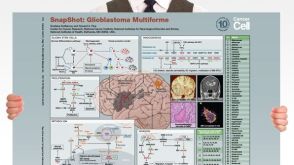 挂图SnapShot: Glioblastoma Multiforme Overview of the key concepts and mechanisms in glioblastoma multiforme biology

 沪公网安备31010102008431号