

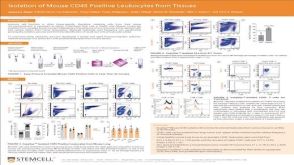
 EasySep™小鼠TIL(CD45)正选试剂盒




技术资料
-
-
 专家访谈Payel Sil, PhD Understanding the Role of Autophagy in Inflammation and Autoimmunity
研究方向:
免疫学
Topics:
- The role of non-canonical autophagy on inflammation and autoimmunity
- Immunoregulatory role of the LC3-associated phagocytosis (LAP) pathway
发布日期: 08/24/2018
产品号#:
17951
17951RF
17952
17952RF
19254
19254RF
19853
19853RF
100-0695
100-0696
产品名:
EasySep™人T细胞分选试剂盒
RoboSep™ 人T细胞分选试剂盒
EasySep™人CD4+ T细胞分选试剂盒
RoboSep™ 人CD4+ T细胞分选试剂盒
EasySep™人Naïve B细胞富集试剂盒
RoboSep™ 人Naïve B细胞富集试剂盒含滤芯吸头
EasySep™小鼠CD8+ T细胞分选试剂盒
RoboSep™ 小鼠CD8+ T细胞分选试剂盒
EasySep™人T细胞分选试剂盒
EasySep™人CD4+ T细胞分离试剂盒
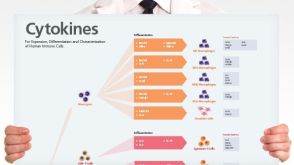 挂图Human Immune Cytokines Infographic of key cytokines for expansion, differentiation and characterization of major immune cell types
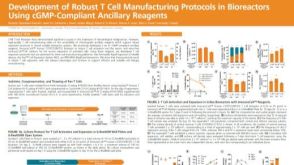 科学海报Development of Robust T Cell Manufacturing Protocols in Bioreactors Using cGMP-Compliant Ancillary Reagents
Conference:
ISCT 2025


 沪公网安备31010102008431号
在线联系