The Intestine Harbors Functionally Distinct Homeostatic Tissue-Resident and Inflammatory Th17 Cells.
T helper 17 (Th17) cells are pathogenic in many inflammatory diseases,but also support the integrity of the intestinal barrier in a non-inflammatory manner. It is unclear what distinguishes inflammatory Th17 cells elicited by pathogens and tissue-resident homeostatic Th17 cells elicited by commensals. Here,we compared the characteristics of Th17 cells differentiating in response to commensal bacteria (SFB) to those differentiating in response to a pathogen (Citrobacter rodentium). Homeostatic Th17 cells exhibited little plasticity towards expression of inflammatory cytokines,were characterized by a metabolism typical of quiescent or memory T cells,and did not participate in inflammatory processes. In contrast,infection-induced Th17 cells showed extensive plasticity towards pro-inflammatory cytokines,disseminated widely into the periphery,and engaged aerobic glycolysis in addition to oxidative phosphorylation typical for inflammatory effector cells. These findings will help ensure that future therapies directed against inflammatory Th17 cells do not inadvertently damage the resident gut population.
View Publication
Human Immune Cytokines
Infographic of key cytokines for expansion, differentiation and characterization of major immune cell types
Sauce D et al. (MAY 2011)
Blood 117 19 5142--51
HIV disease progression despite suppression of viral replication is associated with exhaustion of lymphopoiesis.
The mechanisms of CD4(+) T-cell count decline,the hallmark of HIV disease progression,and its relationship to elevated levels of immune activation are not fully understood. Massive depletion of CD4(+) T cells occurs during the course of HIV-1 infection,so that maintenance of adequate CD4(+) T-cell levels probably depends primarily on the capacity to renew depleted lymphocytes,that is,the lymphopoiesis. We performed here a comprehensive study of quantitative and qualitative attributes of CD34(+) hematopoietic progenitor cells directly from the blood of a large set of HIV-infected persons compared with uninfected donors,in particular the elderly. Our analyses underline a marked impairment of primary immune resources with the failure to maintain adequate lymphocyte counts. Systemic immune activation emerges as a major correlate of altered lymphopoiesis,which can be partially reversed with prolonged antiretroviral therapy. Importantly,HIV disease progression despite elite control of HIV replication or virologic success on antiretroviral treatment is associated with persistent damage to the lymphopoietic system or exhaustion of lymphopoiesis. These findings highlight the importance of primary hematopoietic resources in HIV pathogenesis and the response to antiretroviral treatments.
View Publication


 EasySep™小鼠TIL(CD45)正选试剂盒




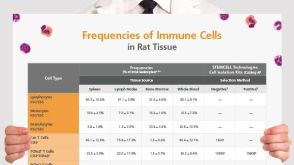 挂图Frequencies of Immune Cells in Rat Tissue Lists the estimated frequencies of more than 15 immune cell types in Sprague Dawley rats
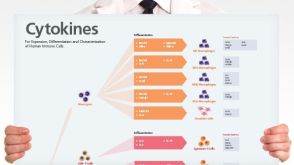 挂图Human Immune Cytokines Infographic of key cytokines for expansion, differentiation and characterization of major immune cell types
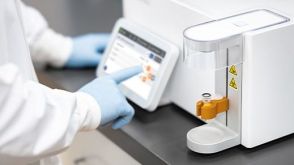 实验方案Optimizing Delivery Efficiency with Fluorescent Dextran Using the CellPore™ Transfection System



 沪公网安备31010102008431号