Lambert AW et al. (JAN 2016)
Molecular cancer research : MCR 14 1 103--113
Tumor Cell-Derived Periostin Regulates Cytokines That Maintain Breast Cancer Stem Cells.
UNLABELLED Basal-like breast cancer (BLBC) is an aggressive subtype of breast cancer which is often enriched with cancer stem cells (CSC),but the underlying molecular basis for this connection remains elusive. We hypothesized that BLBC cells are able to establish a niche permissive to the maintenance of CSCs and found that tumor cell-derived periostin (POSTN),a component of the extracellular matrix,as well as a corresponding cognate receptor,integrin $$(v)$$(3),are highly expressed in a subset of BLBC cell lines as well as in CSC-enriched populations. Furthermore,we demonstrated that an intact periostin-integrin $$3 signaling axis is required for the maintenance of breast CSCs. POSTN activates the ERK signaling pathway and regulates NF-$$B-mediated transcription of key cytokines,namely IL6 and IL8,which in turn control downstream activation of STAT3. In summary,these findings suggest that BLBC cells have an innate ability to establish a microenvironmental niche supportive of CSCs. IMPLICATIONS The findings reported here indicate that POSTN produced by CSCs acts to reinforce the stem cell state through the activation of integrin receptors and the production of key cytokines.
View Publication
产品号#:
05620
产品名:
MammoCult™ 人源培养基套装
Ortega V et al. (MAR 2016)
Cancer genetics 209 3 82--6
Optimal strategy for obtaining routine chromosome analysis by using negative fractions of CD138 enriched plasma cells.
Fluorescence in situ hybridization (FISH) is superior to routine chromosome analysis (RCA) in detecting important prognostic genetic abnormalities in plasma cell dyscrasia (PCD); however,its sensitivity is hampered due to paucity of plasma cells (PC) in whole bone marrow (BM). Studies showed that the abnormality detection rate in enriched plasma cells (EPC) is greater than unselected plasma cells (UPC),but purification techniques are limiting to only FISH when sample volumes are inadequate. Not performing RCA may compromise patient care since RCA is equally important for detecting non-PC related abnormalities when the diagnosis is undefined. To resolve this critical issue,we designed a study where an immuno-magnetic CD138 enriched positive selection was used for FISH while the negative fraction (NF) was used to retrieve other myeloid elements for RCA. Parallel FISH studies were performed using UPC and CD138 EPC,while karyotyping was achieved using whole BM and discarded myeloid elements from the NF. Results showed that the abnormality rate of EPC was doubled compared to UPC for FISH,and CA displayed 100% success rate using the NF. PCD related chromosome abnormalities were confined to whole BM while non-PCD related abnormalities were found in both whole BM and NF. Our results demonstrate the feasibility of using the NF for RCA.
View Publication
产品号#:
21000
20119
20155
18387
18387RF
产品名:
RoboSep™- S
RoboSep™ 吸头组件抛光剂
RoboSep™分选管套装(9个塑料管)
Wang W et al. (MAY 2016)
Cell 165 5 1092--105
Effector T Cells Abrogate Stroma-Mediated Chemoresistance in Ovarian Cancer.
Effector T cells and fibroblasts are major components in the tumor microenvironment. The means through which these cellular interactions affect chemoresistance is unclear. Here,we show that fibroblasts diminish nuclear accumulation of platinum in ovarian cancer cells,resulting in resistance to platinum-based chemotherapy. We demonstrate that glutathione and cysteine released by fibroblasts contribute to this resistance. CD8(+) T cells abolish the resistance by altering glutathione and cystine metabolism in fibroblasts. CD8(+) T-cell-derived interferon (IFN)γ controls fibroblast glutathione and cysteine through upregulation of gamma-glutamyltransferases and transcriptional repression of system xc(-) cystine and glutamate antiporter via the JAK/STAT1 pathway. The presence of stromal fibroblasts and CD8(+) T cells is negatively and positively associated with ovarian cancer patient survival,respectively. Thus,our work uncovers a mode of action for effector T cells: they abrogate stromal-mediated chemoresistance. Capitalizing upon the interplay between chemotherapy and immunotherapy holds high potential for cancer treatment.
View Publication
产品号#:
17953
17953RF
15022
15062
100-0710
产品名:
EasySep™人CD8+ T细胞分选试剂盒
RoboSep™ 人CD8+ T细胞分选试剂盒
RosetteSep™人CD4+ T细胞富集抗体混合物
RosetteSep™人CD4+ T细胞富集抗体混合物
EasySep™人CD8+ T细胞分选试剂盒
Xiao W et al. (DEC 2010)
Blood 116 26 6003--13
Lyn- and PLC-beta3-dependent regulation of SHP-1 phosphorylation controls Stat5 activity and myelomonocytic leukemia-like disease.
Hyperactivation of the transcription factor Stat5 leads to various leukemias. Stat5 activity is regulated by the protein phosphatase SHP-1 in a phospholipase C (PLC)-β3-dependent manner. Thus,PLC-β3-deficient mice develop myeloproliferative neoplasm,like Lyn (Src family kinase)- deficient mice. Here we show that Lyn/PLC-β3 doubly deficient lyn(-/-);PLC-β3(-/-) mice develop a Stat5-dependent,fatal myelodysplastic/myeloproliferative neoplasm,similar to human chronic myelomonocytic leukemia (CMML). In hematopoietic stem cells of lyn(-/-);PLC-β3(-/-) mice that cause the CMML-like disease,phosphorylation of SHP-1 at Tyr(536) and Tyr(564) is abrogated,resulting in reduced phosphatase activity and constitutive activation of Stat5. Furthermore,SHP-1 phosphorylation at Tyr(564) by Lyn is indispensable for maximal phosphatase activity and for suppression of the CMML-like disease in these mice. On the other hand,Tyr(536) in SHP-1 can be phosphorylated by Lyn and another kinase(s) and is necessary for efficient interaction with Stat5. Therefore,we identify a novel Lyn/PLC-β3-mediated regulatory mechanism of SHP-1 and Stat5 activities.
View Publication
Rasheed Z et al. (JAN 2010)
Journal of visualized experiments : JoVE 43
Isolation of stem cells from human pancreatic cancer xenografts.
Cancer stem cells (CSCs) have been identified in a growing number of malignancies and are functionally defined by their ability to undergo self-renewal and produce differentiated progeny. These properties allow CSCs to recapitulate the original tumor when injected into immunocompromised mice. CSCs within an epithelial malignancy were first described in breast cancer and found to display specific cell surface antigen expression (CD44+CD24(low/�?�)). Since then,CSCs have been identified in an increasing number of other human malignancies using CD44 and CD24 as well as a number of other surface antigens. Physiologic properties,including aldehyde dehydrogenase (ALDH) activity,have also been used to isolate CSCs from malignant tissues. Recently,we and others identified CSCs from pancreatic adenocarcinoma based on ALDH activity and the expression of the cell surface antigens CD44 and CD24,and CD133. These highly tumorigenic populations may or may not be overlapping and display other functions. We found that ALDH+ and CD44+CD24+ pancreatic CSCs are similarly tumorigenic,but ALDH+ cells are relatively more invasive. In this protocol we describe a method to isolate viable pancreatic CSCs from low-passage human xenografts. Xenografted tumors are harvested from mice and made into a single-cell suspension. Tissue debris and dead cells are separated from live cells and then stained using antibodies against CD44 and CD24 and using the ALDEFLUOR reagent,a fluorescent substrate of ALDH. CSCs are then isolated by fluorescence activated cell sorting. Isolated CSCs can then be used for analytical or functional assays requiring viable cells.
View Publication
产品号#:
01700
01705
01702
产品名:
ALDEFLUOR™ 试剂盒
ALDEFLUOR™ DEAB试剂, 1.5 mM, 1 mL
ALDEFLUOR™检测缓冲液
Calcagno AM et al. (NOV 2010)
Journal of the National Cancer Institute 102 21 1637--52
Prolonged drug selection of breast cancer cells and enrichment of cancer stem cell characteristics.
BACKGROUND: Cancer stem cells are presumed to have virtually unlimited proliferative and self-renewal abilities and to be highly resistant to chemotherapy,a feature that is associated with overexpression of ATP-binding cassette transporters. We investigated whether prolonged continuous selection of cells for drug resistance enriches cultures for cancer stem-like cells. METHODS: Cancer stem cells were defined as CD44+/CD24�?� cells that could self-renew (ie,generate cells with the tumorigenic CD44+/CD24�?� phenotype),differentiate,invade,and form tumors in vivo. We used doxorubicin-selected MCF-7/ADR cells,weakly tumorigenic parental MCF-7 cells,and MCF-7/MDR,an MCF-7 subline with forced expression of ABCB1 protein. Cells were examined for cell surface markers and side-population fractions by microarray and flow cytometry,with in vitro invasion assays,and for ability to form mammospheres. Xenograft tumors were generated in mice to examine tumorigenicity (n = 52). The mRNA expression of multidrug resistance genes was examined in putative cancer stem cells and pathway analysis of statistically significantly differentially expressed genes was performed. All statistical tests were two-sided. RESULTS: Pathway analysis showed that MCF-7/ADR cells express mRNAs from ABCB1 and other genes also found in breast cancer stem cells (eg,CD44,TGFB1,and SNAI1). MCF-7/ADR cells were highly invasive,formed mammospheres,and were tumorigenic in mice. In contrast to parental MCF-7 cells,more than 30% of MCF-7/ADR cells had a CD44+/CD24�?� phenotype,could self-renew,and differentiate (ie,produce CD44+/CD24�?� and CD44+/CD24+ cells) and overexpressed various multidrug resistance-linked genes (including ABCB1,CCNE1,and MMP9). MCF-7/ADR cells were statistically significantly more invasive in Matrigel than parental MCF-7 cells (MCF-7 cells = 0.82 cell per field and MCF-7/ADR = 7.51 cells per field,difference = 6.69 cells per field,95% confidence interval = 4.82 to 8.55 cells per field,P textless .001). No enrichment in the CD44+/CD24�?� or CD133+ population was detected in MCF-7/MDR. CONCLUSION: The cell population with cancer stem cell characteristics increased after prolonged continuous selection for doxorubicin resistance.
View Publication
产品号#:
01700
01705
01702
产品名:
ALDEFLUOR™ 试剂盒
ALDEFLUOR™ DEAB试剂, 1.5 mM, 1 mL
ALDEFLUOR™检测缓冲液
Lidonnici MR et al. (OCT 2010)
Cancer research 70 20 7949--59
Expression of the transcriptional repressor Gfi-1 is regulated by C/EBPalpha and is involved in its proliferation and colony formation-inhibitory effects in p210BCR/ABL-expressing cells.
Ectopic expression of CAAT/enhancer binding protein α (C/EBPα) in p210BCR/ABL-expressing cells induces granulocytic differentiation,inhibits proliferation,and suppresses leukemogenesis. To dissect the molecular mechanisms underlying these biological effects,C/EBPα-regulated genes were identified by microarray analysis in 32D-p210BCR/ABL cells. One of the genes whose expression was activated by C/EBPα in a DNA binding-dependent manner in BCR/ABL-expressing cells is the transcriptional repressor Gfi-1. We show here that C/EBPα interacts with a functional C/EBP binding site in the Gfi-1 5'-flanking region and enhances the promoter activity of Gfi-1. Moreover,in K562 cells,RNA interference-mediated downregulation of Gfi-1 expression partially rescued the proliferation-inhibitory but not the differentiation-inducing effect of C/EBPα. Ectopic expression of wild-type Gfi-1,but not of a transcriptional repressor mutant (Gfi-1P2A),inhibited proliferation and markedly suppressed colony formation but did not induce granulocytic differentiation of BCR/ABL-expressing cells. By contrast,Gfi-1 short hairpin RNA-tranduced CD34(+) chronic myeloid leukemia cells were markedly more clonogenic than the scramble-transduced counterpart. Together,these studies indicate that Gfi-1 is a direct target of C/EBPα required for its proliferation and survival-inhibitory effects in BCR/ABL-expressing cells.
View Publication
产品号#:
02690
09600
09650
产品名:
StemSpan™ CC100
StemSpan™ SFEM
StemSpan™ SFEM
Landen CN et al. (DEC 2010)
Molecular cancer therapeutics 9 12 3186--99
Targeting aldehyde dehydrogenase cancer stem cells in ovarian cancer.
Aldehyde dehydrogenase-1A1 (ALDH1A1) expression characterizes a subpopulation of cells with tumor-initiating or cancer stem cell properties in several malignancies. Our goal was to characterize the phenotype of ALDH1A1-positive ovarian cancer cells and examine the biological effects of ALDH1A1 gene silencing. In our analysis of multiple ovarian cancer cell lines,we found that ALDH1A1 expression and activity was significantly higher in taxane- and platinum-resistant cell lines. In patient samples,72.9% of ovarian cancers had ALDH1A1 expression in which the percentage of ALDH1A1-positive cells correlated negatively with progression-free survival (6.05 vs. 13.81 months; P textless 0.035). Subpopulations of A2780cp20 cells with ALDH1A1 activity were isolated for orthotopic tumor-initiating studies,where tumorigenicity was approximately 50-fold higher with ALDH1A1-positive cells. Interestingly,tumors derived from ALDH1A1-positive cells gave rise to both ALDH1A1-positive and ALDH1A1-negative populations,but ALDH1A1-negative cells could not generate ALDH1A1-positive cells. In an in vivo orthotopic mouse model of ovarian cancer,ALDH1A1 silencing using nanoliposomal siRNA sensitized both taxane- and platinum-resistant cell lines to chemotherapy,significantly reducing tumor growth in mice compared with chemotherapy alone (a 74%-90% reduction; P textless 0.015). These data show that the ALDH1A1 subpopulation is associated with chemoresistance and outcome in ovarian cancer patients,and targeting ALDH1A1 sensitizes resistant cells to chemotherapy. ALDH1A1-positive cells have enhanced,but not absolute,tumorigenicity but do have differentiation capacity lacking in ALDH1A1-negative cells. This enzyme may be important for identification and targeting of chemoresistant cell populations in ovarian cancer.
View Publication
产品号#:
01700
01705
01702
产品名:
ALDEFLUOR™ 试剂盒
ALDEFLUOR™ DEAB试剂, 1.5 mM, 1 mL
ALDEFLUOR™检测缓冲液
Jä et al. (SEP 2010)
Proceedings of the National Academy of Sciences of the United States of America 107 37 16280--5
Isolation and killing of candidate chronic myeloid leukemia stem cells by antibody targeting of IL-1 receptor accessory protein.
Chronic myeloid leukemia (CML) is genetically characterized by the Philadelphia (Ph) chromosome,formed through a reciprocal translocation between chromosomes 9 and 22 and giving rise to the constitutively active tyrosine kinase P210 BCR/ABL1. Therapeutic strategies aiming for a cure of CML will require full eradication of Ph chromosome-positive (Ph(+)) CML stem cells. Here we used gene-expression profiling to identify IL-1 receptor accessory protein (IL1RAP) as up-regulated in CML CD34(+) cells and also in cord blood CD34(+) cells as a consequence of retroviral BCR/ABL1 expression. To test whether IL1RAP expression distinguishes normal (Ph(-)) and leukemic (Ph(+)) cells within the CML CD34(+)CD38(-) cell compartment,we established a unique protocol for conducting FISH on small numbers of sorted cells. By using this method,we sorted cells directly into drops on slides to investigate their Ph-chromosome status. Interestingly,we found that the CML CD34(+)CD38(-)IL1RAP(+) cells were Ph(+),whereas CML CD34(+)CD38(-)IL1RAP(-) cells were almost exclusively Ph(-). By performing long-term culture-initiating cell assays on the two cell populations,we found that Ph(+) and Ph(-) candidate CML stem cells could be prospectively separated. In addition,by generating an anti-IL1RAP antibody,we provide proof of concept that IL1RAP can be used as a target on CML CD34(+)CD38(-) cells to induce antibody-dependent cell-mediated cytotoxicity. This study thus identifies IL1RAP as a unique cell surface biomarker distinguishing Ph(+) from Ph(-) candidate CML stem cells and opens up a previously unexplored avenue for therapy of CML.
View Publication
产品号#:
09600
09650
04435
04445
产品名:
StemSpan™ SFEM
StemSpan™ SFEM
MethoCult™ H4435 Enriched
MethoCult™ H4435 Enriched
Zhao Z et al. (JUL 2010)
Genes & development 24 13 1389--402
p53 loss promotes acute myeloid leukemia by enabling aberrant self-renewal.
The p53 tumor suppressor limits proliferation in response to cellular stress through several mechanisms. Here,we test whether the recently described ability of p53 to limit stem cell self-renewal suppresses tumorigenesis in acute myeloid leukemia (AML),an aggressive cancer in which p53 mutations are associated with drug resistance and adverse outcome. Our approach combined mosaic mouse models,Cre-lox technology,and in vivo RNAi to disable p53 and simultaneously activate endogenous Kras(G12D)-a common AML lesion that promotes proliferation but not self-renewal. We show that p53 inactivation strongly cooperates with oncogenic Kras(G12D) to induce aggressive AML,while both lesions on their own induce T-cell malignancies with long latency. This synergy is based on a pivotal role of p53 in limiting aberrant self-renewal of myeloid progenitor cells,such that loss of p53 counters the deleterious effects of oncogenic Kras on these cells and enables them to self-renew indefinitely. Consequently,myeloid progenitor cells expressing oncogenic Kras and lacking p53 become leukemia-initiating cells,resembling cancer stem cells capable of maintaining AML in vivo. Our results establish an efficient new strategy for interrogating oncogene cooperation,and provide strong evidence that the ability of p53 to limit aberrant self-renewal contributes to its tumor suppressor activity.
View Publication
产品号#:
03534
09600
09650
产品名:
MethoCult™ GF M3534
StemSpan™ SFEM
StemSpan™ SFEM
Boonyaratanakornkit JB et al. (DEC 2010)
The Journal of investigative dermatology 130 12 2799--808
Selection of tumorigenic melanoma cells using ALDH.
Despite increasing knowledge regarding melanoma-initiating cells (MICs),questions persist regarding the number and phenotypic nature of cells with tumor-generating capability. Evidence for a phenotypically distinct human MIC has been found in NOD/SCID (non-obese diabetic/severe combined immunodeficiency) mice. However,a phenotypically distinct human MIC was not found in the NOD/SCIDIl2rg(-)/(-) (NSG) mouse model. The demonstration of a distinct population of human melanoma cells responsible for tumorigenesis and tumor cell self-renewal would provide an important target for new melanoma therapies. In this study,we show a 100-fold range in MIC frequency in human melanoma (1 in 18,000 to 1 in 1,851,000 cells) in the NOD/SCID mouse. In this model,human melanoma cells with high aldehyde dehydrogenase (ALDH) activity were enriched 16.8-fold in tumorigenic cells over unfractionated (UNF) cells,such that 1 in 21,000 cells was a MIC. In the NSG mouse,the ALDH expressing cell population was enriched 100-fold in tumorigenic cells over UNF cells,such that one in four cells was a MIC. Xenograft melanomas that developed from ALDH(+) cells displayed robust self-renewal,whereas those from ALDH(-) cells showed minimal self-renewal in vitro. Thus,ALDH(+) melanoma cells have enhanced tumorigenicity over ALDH(-) cells and superior self-renewal ability.
View Publication


 EasySep™小鼠TIL(CD45)正选试剂盒




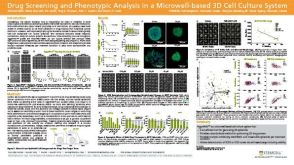 科学海报Drug Screening and Phenotypic Analysis in a Microwell-based 3D Cell Culture System
 沪公网安备31010102008431号