Carlomagno F et al. ( 2002)
Cancer research 62 4 1077--1082
The kinase inhibitor PP1 blocks tumorigenesis induced by RET oncogenes.
Oncogenic activation of the RET receptor tyrosine kinase is common in different human cancers. We found that the pyrazolo-pyrimidine PP1 inhibited RET-derived oncoproteins with a half maximal inhibitor concentration of 80 nM. Furthermore,RET/PTC3-transformed cells treated with 5 microM of PP1 lost proliferative autonomy and showed morphological reversion. PP1 prevented the growth of two human papillary thyroid carcinoma cell lines that carry spontaneous RET/PTC1 rearrangements and blocked anchorage-independent growth and tumorigenicity in nude mice of NIH3T3 fibroblasts expressing the RET/PTC3 oncogene. These findings suggest targeting RET oncogenes with PP1 or related compounds as a novel treatment strategy for RET-associated neoplasms.
View Publication
产品号#:
73112
73114
产品名:
PP1
PP1
Rosé L et al. (JUL 2002)
Experimental hematology 30 7 729--37
In vitro studies of the combination of imatinib mesylate (Gleevec) and arsenic trioxide (Trisenox) in chronic myelogenous leukemia.
OBJECTIVE: The aim of this study was the preclinical evaluation of imatinib mesylate (Gleevec,formerly STI571) in conjunction with arsenic trioxide (As2O3,Trisenox) for the treatment of chronic myelogenous leukemia (CML). MATERIALS AND METHODS: Tetrazolium-based cell line proliferation assays (MTT assays) were performed to determine the cytotoxicity of As2O3 alone and in combination with imatinib. Cell lines tested in this study were Bcr-Abl-expressing cells (K562,MO7p210,32Dp210) and parental cells (MO7e,32D). Isobologram analysis was performed manually and using the median effect method. In vitro cytotoxicity also was determined in colony-forming assays using CML patient cells. Western blot analysis was performed to detect Bcr-Abl protein levels in K562 cells exposed to As2O3 at graded concentrations. Bcr-Abl protein level kinetics were correlated with cell viability (trypan blue count) and activated caspase-3 detected by flow cytometry. RESULTS: We show additive to synergistic cytotoxicity in Bcr-Abl+ cell lines depending on inhibitory concentrations and cell type. Results obtained by colony-forming assays confirmed the findings in cell line proliferation assays. Flow cytometric detection of activated caspase-3 revealed synergistic activity in K562 cells. Treatment of K562 cells with As2O3 alone led to down-regulation of Bcr-Abl protein within 24 hours,even at low doses. The decline of Bcr-Abl preceded activation of caspase-3 and the loss of viable cells. CONCLUSIONS: Favorable cytotoxicity and proapoptotic activity of imatinib in conjunction with As2O3 and specific down-regulation of Bcr-Abl protein levels by As2O3 in K562 cells indicate that As2O3 in combination with imatinib might be useful for circumventing resistance to imatinib monotherapy.
View Publication
产品号#:
04564
04534
04544
产品名:
MethoCult™ H4534 Classic 无 EPO 入门试剂盒
MethoCult™ H4534 Classic(不含 EPO)
MethoCult™ H4534 Classic(不含 EPO)
Inaba N et al. (APR 2003)
Blood 101 7 2870--6
A novel I-branching beta-1,6-N-acetylglucosaminyltransferase involved in human blood group I antigen expression.
The human blood group i and I antigens are determined by linear and branched poly-N-acetyllactosamine structures,respectively. In erythrocytes,the fetal i antigen is converted to the adult I antigen by I-branching beta-1,6-N-acetylglucosaminyltransferase (IGnT) during development. Dysfunction of the I-branching enzyme may result in the adult i phenotype in erythrocytes. However,the I gene responsible for blood group I antigen has not been fully confirmed. We report here a novel human I-branching enzyme,designated IGnT3. The genes for IGnT1 (reported in 1993),IGnT2 (also presented in this study),and IGnT3 consist of 3 exons and share the second and third exons. Bone marrow cells preferentially expressed IGnT3 transcript. During erythroid differentiation using CD34(+) cells,IGnT3 was markedly up-regulated with concomitant decrease in IGnT1/2. Moreover,reticulocytes expressed the IGnT3 transcript,but IGnT1/2 was below detectable levels. By molecular genetic analyses of an adult i pedigree,individuals with the adult i phenotype were revealed to have heterozygous alleles with mutations in exon 2 (1006GtextgreaterA; Gly336Arg) and exon 3 (1049GtextgreaterA; Gly350Glu),respectively,of the IGnT3 gene. Chinese hamster ovary (CHO) cells transfected with each mutated IGnT3 cDNA failed to express I antigen. These findings indicate that the expression of the blood group I antigen in erythrocytes is determined by a novel IGnT3,not by IGnT1 or IGnT2.
View Publication
产品号#:
09500
09600
09650
产品名:
BIT 9500血清替代物
StemSpan™ SFEM
StemSpan™ SFEM
Thirukkumaran CM et al. (JUL 2003)
Blood 102 1 377--87
Reovirus oncolysis as a novel purging strategy for autologous stem cell transplantation.
Hematologic stem cell rescue after high-dose cytotoxic therapy is extensively used for the treatment of many hematopoietic and solid cancers. Gene marking studies suggest that occult tumor cells within the autograft may contribute to clinical relapse. To date purging of autografts contaminated with cancer cells has been unsuccessful. The selective oncolytic property of reovirus against myriad malignant histologies in in vitro,in vivo,and ex vivo systems has been previously demonstrated. In the present study we have shown that reovirus can successfully purge cancer cells within autografts. Human monocytic and myeloma cell lines as well as enriched ex vivo lymphoma,myeloma,and Waldenström macroglobulinemia patient tumor specimens were used in an experimental purging model. Viability of the cell lines or purified ex vivo tumor cells of diffuse large B-cell lymphoma,chronic lymphocytic leukemia,Waldenström macroglobulinemia,and small lymphocytic lymphoma was significantly reduced after reovirus treatment. Further,[35S]-methionine labeling and sodium dodecyl sulfate-polyacrylamide gel electrophoresis (SDS-PAGE) of cellular proteins demonstrated reovirus protein synthesis and disruption of host cell protein synthesis as early as 24 hours. Admixtures of apheresis product with the abovementioned tumor cells and cell lines treated with reovirus showed complete purging of disease. In contrast,reovirus purging of enriched ex vivo multiple myeloma,Burkitt lymphoma,and follicular lymphoma was incomplete. The oncolytic action of reovirus did not affect CD34+ stem cells or their long-term colony-forming assays even after granulocyte colony-stimulating factor (G-CSF) stimulation. Our results indicate the ex vivo use of an unattenuated oncolytic virus as an attractive purging strategy for autologous stem cell transplantations.
View Publication
产品号#:
04434
04444
09600
09650
84434
84444
产品名:
MethoCult™ H4434 Classic
MethoCult™ H4434 Classic
StemSpan™ SFEM
StemSpan™ SFEM
Reshkin SJ et al. ( 2003)
Clinical cancer research : an official journal of the American Association for Cancer Research 9 6 2366--2373
Paclitaxel induces apoptosis via protein kinase A- and p38 mitogen-activated protein-dependent inhibition of the Na+/H+ exchanger (NHE) NHE isoform 1 in human breast cancer cells.
PURPOSE: The molecular signal components essential to paclitaxel-dependent apoptosis in breast cancers are potential targets for combined therapy. However,the signal mechanisms underlying paclitaxel action still need to be better defined. EXPERIMENTAL DESIGN: In a breast cancer cell line,pharmacological agents and transient transfection with dominant interfering and constitutive active mutants were used to identify the signal transduction module involved in the regulation of paclitaxel-induced apoptosis and to evaluate its potential as a therapeutic target. RESULTS: In MDA-MB-435 cells,paclitaxel treatment stimulated the activity of both protein kinase A and p38,and inhibited the activity of the Na(+)/H(+) exchanger isoform 1 (NHE1) with similar IC(50) concentrations as for its activation of apoptosis. Activation and inhibition experiments demonstrated that protein kinase A and p38 participate sequentially upstream of the NHE1 in regulating the paclitaxel-induced apoptotic pathway. Importantly,concurrent specific inhibition of the NHE1 with paclitaxel treatment resulted in a synergistic induction of apoptosis and a reduction in the paclitaxel IC(50) for apoptosis. This sensitization of paclitaxel apoptotic action by specific inhibition of NHE1 was verified in breast cancer cell lines with different paclitaxel sensitivity. CONCLUSIONS: We have,for the first time,identified NHE1 as an essential component of paclitaxel-induced apoptosis in breast cancer cells and,importantly,identified that simultaneous inhibition of the NHE1 results in a synergistic potentiation of low-dose paclitaxel apoptotic action. As specific NHE1 inhibitors have finished Phase II/Phase III clinical trials for myocardial protection,there is the possibility for a rapid biological translation of this novel therapeutic strategy to a clinical setting.
View Publication
产品号#:
73312
73314
产品名:
紫杉醇
紫杉醇
Baksh D et al. (AUG 2003)
Experimental hematology 31 8 723--32
Adult human bone marrow-derived mesenchymal progenitor cells are capable of adhesion-independent survival and expansion.
OVERVIEW: We show the existence of adult human mesenchymal progenitor cells (hMPCs) that can proliferate,in a cytokine-dependent manner,as individual cells in stirred suspension cultures (SSC) while maintaining their ability to form functional differentiated mesenchymal cell types. MATERIALS AND METHODS: Ficolled human bone marrow (BM)-derived cells were grown in SSC (and adherent controls) in the presence and absence of exogenously added cytokines. Phenotypic,gene expression,and functional assays for hematopoietic and nonhematopoietic cell populations were used to kinetically track cell production. Limiting-dilution analysis was used to relate culture-produced cells to input cell populations. RESULTS: Cytokine cocktail influenced total and progenitor cell expansion,as well as the types of cells generated upon plating. Flow cytometric analysis of CD117,CD123,and CD45 expression showed that cytokine supplementation influenced SSC output. The concomitant growth of CD45(+) and CD45(-) cells in the cultures that exhibited the greatest hMPC expansions suggests that the growth of these cells may benefit from interactions with hematopoietic cells. Functional assays demonstrated that the SSC-derived cells (input CFU-O number: 1990+/-377) grown in the presence of SCF+IL-3 resulted,after 21 days,in the generation of a significantly greater number (ptextless0.05) of bone progenitors (33,700+/-8763 CFU-O) than similarly initiated adherent cultures (214+/-75 CFU-O). RT-PCR analysis confirmed that the SSC-derived cells grown in osteogenic conditions express bone-specific genes (Cbfa1/Runx2,bone sialoprotein,and osteocalcin). CONCLUSIONS: Our approach not only provides an alternative strategy to expand adult BM-derived nonhematopoietic progenitor cell numbers in a scalable and controllable bioprocess,but also questions established biological paradigms concerning the properties of connective-tissue stem and progenitor cells.
View Publication
产品号#:
05150
18259
18259RF
产品名:
MyeloCult™ H5100
Jones DT et al. (MAR 2004)
Blood 103 5 1855--61
Geldanamycin and herbimycin A induce apoptotic killing of B chronic lymphocytic leukemia cells and augment the cells' sensitivity to cytotoxic drugs.
We studied the actions of geldanamycin (GA) and herbimycin A (HMA),inhibitors of the chaperone proteins Hsp90 and GRP94,on B chronic lymphocytic leukemia (CLL) cells in vitro. Both drugs induced apoptosis of the majority of CLL isolates studied. Whereas exposure to 4-hour pulses of 30 to 100 nM GA killed normal B lymphocytes and CLL cells with similar dose responses,T lymphocytes from healthy donors as well as those present in the CLL isolates were relatively resistant. GA,but not HMA,showed a modest cytoprotective effect toward CD34+ hematopoietic progenitors from normal bone marrow. The ability of bone marrow progenitors to form hematopoietic colonies was unaffected by pulse exposures to GA. Both GA and HMA synergized with chlorambucil and fludarabine in killing a subset of CLL isolates. GA- and HMA-induced apoptosis was preceded by the up-regulation of the stress-responsive chaperones Hsp70 and BiP. Both ansamycins also resulted in down-regulation of Akt protein kinase,a modulator of cell survival. The relative resistance of T lymphocytes and of CD34+ bone marrow progenitors to GA coupled with its ability to induce apoptosis following brief exposures and to synergize with cytotoxic drugs warrant further investigation of ansamycins as potential therapeutic agents in CLL.
View Publication
产品号#:
04434
04444
产品名:
MethoCult™ H4434 Classic
MethoCult™ H4434 Classic
Coffman KT et al. (NOV 2003)
Cancer Research 63 22 7907--12
Differential EphA2 epitope display on normal versus malignant cells.
The EphA2 receptor tyrosine kinase is overexpressed in many different types of human cancers where it functions as a powerful oncoprotein. Dramatic changes in the subcellular localization and function of EphA2 have also been linked with cancer,and in particular,unstable cancer cell-cell contacts prevent EphA2 from stably binding its ligand on the surface of adjoining cells. This change is important in light of evidence that ligand binding causes EphA2 to transmit signals that negatively regulate tumor cell growth and invasiveness and also induce EphA2 degradation. On the basis of these properties,we have begun to target EphA2 on tumor cells using agonistic antibodies,which mimic the consequences of ligand binding. In our present study,we show that a subset of agonistic EphA2 antibodies selectively bind epitopes on malignant cells,which are not available on nontransformed epithelial cells. We also show that such epitopes arise from differential cell-cell adhesions and that the stable intercellular junctions of nontransformed epithelial cells occlude the binding site for ligand,as well as this subset of EphA2 antibodies. Finally,we demonstrate that antibody targeting of EphA2 decreases tumor cell growth as measured using xenograft tumor models and found that the mechanism of antibody action relates to EphA2 protein degradation in vivo. Taken together,these results suggest new opportunities for therapeutic targeting of the large number of different cancers that express EphA2 in a manner that could minimize potential toxicities to normal cells.
View Publication
产品号#:
03800
03801
03802
03803
03804
03805
03806
产品名:
ClonaCell™-HY杂交瘤试剂盒
ClonaCell™-HY培养基A
ClonaCell™-HY 培养基 B
ClonaCell™-HY 培养基 C
ClonaCell™-HY 培养基 D
ClonaCell™-HY 培养基 E
ClonaCell™-HY PEG
Niedre MJ et al. (NOV 2003)
Cancer research 63 22 7986--94
In vitro tests of the validity of singlet oxygen luminescence measurements as a dose metric in photodynamic therapy.
Singlet oxygen ((1)O(2)) is widely believed to be the major cytotoxic agent involved in photodynamic therapy (PDT). We showed recently that measurement of the weak near infrared luminescence of (1)O(2) is possible in cells in vitro and tissues in vivo. Here,we investigated the relationship between the integrated luminescence signal and the in vitro PDT response of AML5 leukemia cells sensitized with aminolevulinic acid-induced protoporphyrin IX (PpIX). Sensitized cell suspensions were irradiated with pulsed 523 nm laser light at average fluence rates of 10,25,or 50 mWcm(-2) and,(1)O(2) luminescence measurements were made throughout the treatment. Cell survival was measured with either propidium iodide-labeled flow cytometry or colony-forming assay. The PpIX concentration in the cells,the photobleaching,and the pO(2) in the cell suspensions were also monitored. There were large variations in cell survival and (1)O(2) generation in different experiments due to different controlled treatment parameters (fluence and fluence rate) and other uncontrolled factors (PpIX synthesis and oxygenation). However,in all of the cases,cell kill correlated strongly with the cumulative (1)O(2) luminescence and allowed direct estimation of the (1)O(2) per cell required to achieve a specific level of cell kill. This study supports the validity and potential utility of (1)O(2) luminescence measurement as a dosimetric tool for PDT,as well as confirming the likely role of (1)O(2) in porphyrin-based PDT.
View Publication
产品号#:
04531
产品名:
MethoCult™ H4531
Hideshima T et al. (DEC 2003)
Cancer research 63 23 8428--36
Antitumor activity of lysophosphatidic acid acyltransferase-beta inhibitors, a novel class of agents, in multiple myeloma.
In this study,we examined the effects of isoform-specific functional inhibitors of lysophosphatidic acid acyltransferase (LPAAT),which converts lysophosphatidic acid to phosphatidic acid,on multiple myeloma (MM) cell growth and survival. The LPAAT-beta inhibitors CT-32176,CT-32458,and CT-32615 induced textgreater95% growth inhibition (P textless 0.01) in MM.1S,U266,and RPMI8226 MM cell lines,as well as MM cells from patients (IC(50),50-200 nM). We further characterized this LPAAT-beta inhibitory effect using CT-32615,the most potent inhibitor of MM cell growth. CT-32615 triggered apoptosis in MM cells via caspase-8,caspase-3,caspase-7,and poly (ADP-ribose) polymerase cleavage. Neither interleukin 6 nor insulin-like growth factor I inhibited CT-32615-induced apoptosis. Dexamethasone and immunomodulatory derivatives of thalidomide (IMiDs),but not proteasome inhibitor PS-341,augmented MM cell apoptosis triggered by LPAAT-beta inhibitors. CT-32615-induced apoptosis was associated with phosphorylation of p53 and c-Jun NH(2)-terminal kinase (JNK); conversely,JNK inhibitor SP600125 and dominant-negative JNK inhibited CT-32615-induced apoptosis. Importantly,CT-32615 inhibited tumor necrosis factor-alpha-triggered nuclear factor-kappaB activation but did not affect either tumor necrosis factor-alpha-induced p38 mitogen-activated protein kinase phosphorylation or interleukin 6-triggered signal transducers and activators of transcription 3 phosphorylation. Finally,although binding of MM cells to bone marrow stromal cells augments MM cell growth and protects against dexamethasone-induced apoptosis,CT-32615 induced apoptosis even of adherent MM cells. Our data therefore demonstrate for the first time that inhibiting LPAAT-beta induces cytotoxicity in MM cells in the bone marrow milieu,providing the framework for clinical trials of these novel agents in MM.
View Publication
产品号#:
15129
15169
产品名:
RosetteSep™人多发性骨髓瘤细胞富集抗体混合物
RosetteSep™人多发性骨髓瘤细胞富集抗体混合物
Li EC and Davis LE (NOV 2003)
Clinical therapeutics 25 11 2669--708
Zoledronic acid: a new parenteral bisphosphonate.
BACKGROUND Inhibition of bone resorption using bisphosphonates is an important step in palliation of complications of advanced cancer,such as hypercalcemia and metastatic bone disease. OBJECTIVE The goal of this article was to describe the pharmacologic properties of zoledronic acid (zoledronate) and discuss findings from preclinical and clinical studies of its use in skeletal disorders. METHODS Relevant English-language literature was identified using the terms zoledronic acid,zoledronate,Zometa,and 118072-93-8 through searches of MEDLINE (1966-June 2003) and International Pharmaceutical Abstracts (1970-June 2003),and abstract proceedings from the American Society of Clinical Oncology (1997-2002). RESULTS Zoledronic acid is a nitrogen-containing bisphosphonate that inhibits bone resorption. It is indicated for the treatment of hypercalcemia of malignancy and for the treatment of patients with multiple myeloma or documented metastasis from solid tumors,in conjunction with standard antineoplastic therapy. The recommended dosage is 4 mg via IV over textgreateror= 15 minutes every 3 or 4 weeks. Compared with pamidronate 90 mg,zoledronic acid 4 and 8 mg provided a higher complete response rate for hypercalcemia of malignancy by day 10 (88.4% and 86.7% vs 69.7%; P = 0.002 and P = 0.015) and longer duration of action (median time to relapse,30 and 40 days vs 17 days; P = 0.001 and P = 0.007). In patients with breast cancer or multiple myeloma,zoledronic acid was as effective as pamidronate in delaying time to a first skeletal-related event (373 days vs 363 days). In patients with hormone-refractory prostate cancer and bone metastases,zoledronic acid 4 mg reduced the proportion of patients who experienced a skeletal-related event (33% vs 44% with placebo; P = 0.021) or a skeletal fracture (13% vs 22% with placebo; P = 0.015). In patients with bone metastases from solid tumors,zoledronic acid delayed the median time to a first skeletal-related event (230 days vs 163 days with placebo; P = 0.023). Common adverse events include fever,nausea,constipation,fatigue,and bone pain. CONCLUSION Zoledronic acid is an effective and generally well-tolerated treatment for hypercalcemia of malignancy and skeletal complications of metastatic bone disease.
View Publication


 EasySep™小鼠TIL(CD45)正选试剂盒




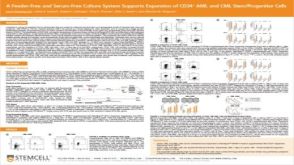 科学海报A Feeder-Free and Serum-Free Culture System Supports Expansion of CD34+ AML and CML Stem/Progenitor Cells
 沪公网安备31010102008431号