Chaumeil MM et al. ( 2016)
NeuroImage. Clinical 12 180--9
Hyperpolarized (13)C MR imaging detects no lactate production in mutant IDH1 gliomas: Implications for diagnosis and response monitoring.
Metabolic imaging of brain tumors using (13)C Magnetic Resonance Spectroscopy (MRS) of hyperpolarized [1-(13)C] pyruvate is a promising neuroimaging strategy which,after a decade of preclinical success in glioblastoma (GBM) models,is now entering clinical trials in multiple centers. Typically,the presence of GBM has been associated with elevated hyperpolarized [1-(13)C] lactate produced from [1-(13)C] pyruvate,and response to therapy has been associated with a drop in hyperpolarized [1-(13)C] lactate. However,to date,lower grade gliomas had not been investigated using this approach. The most prevalent mutation in lower grade gliomas is the isocitrate dehydrogenase 1 (IDH1) mutation,which,in addition to initiating tumor development,also induces metabolic reprogramming. In particular,mutant IDH1 gliomas are associated with low levels of lactate dehydrogenase A (LDHA) and monocarboxylate transporters 1 and 4 (MCT1,MCT4),three proteins involved in pyruvate metabolism to lactate. We therefore investigated the potential of (13)C MRS of hyperpolarized [1-(13)C] pyruvate for detection of mutant IDH1 gliomas and for monitoring of their therapeutic response. We studied patient-derived mutant IDH1 glioma cells that underexpress LDHA,MCT1 and MCT4,and wild-type IDH1 GBM cells that express high levels of these proteins. Mutant IDH1 cells and tumors produced significantly less hyperpolarized [1-(13)C] lactate compared to GBM,consistent with their metabolic reprogramming. Furthermore,hyperpolarized [1-(13)C] lactate production was not affected by chemotherapeutic treatment with temozolomide (TMZ) in mutant IDH1 tumors,in contrast to previous reports in GBM. Our results demonstrate the unusual metabolic imaging profile of mutant IDH1 gliomas,which,when combined with other clinically available imaging methods,could be used to detect the presence of the IDH1 mutation in vivo.
View Publication
文献
Chakrabarti L et al. (DEC 2013)
PLoS ONE 8 12 e83521
A Mechanism Linking Id2-TGFβ Crosstalk to Reversible Adaptive Plasticity in Neuroblastoma
The ability of high-risk neuroblastoma to survive unfavorable growth conditions and multimodal therapy has produced an elusive childhood cancer with remarkably poor prognosis. A novel phenomenon enabling neuroblastoma to survive selection pressure is its capacity for reversible adaptive plasticity. This plasticity allows cells to transition between highly proliferative anchorage dependent (AD) and slow growing,anoikis-resistant anchorage independent (AI) phenotypes. Both phenotypes are present in established mouse and human tumors. The differential gene expression profile of the two cellular phenotypes in the mouse Neuro2a cell line delineated pathways of proliferation in AD cells or tyrosine kinase activation/ apoptosis inhibition in AI cells. A 20 fold overexpression of inhibitor of differentiation 2 (Id2) was identified in AD cells while up-regulation of genes involved in anoikis resistance like PI3K/Akt,Erk,Bcl2 and integrins was observed in AI cells. Similarly,differential expression of Id2 and other genes of interest were also observed in the AD and AI phenotypes of human neuroblastoma cell lines,SK-N-SH and IMR-32; as well as in primary human tumor specimens. Forced down-regulation of Id2 in AD cells or overexpression in AI cells induced the cells to gain characteristics of the other phenotype. Id2 binds both TGFβ and Smad2/3 and appears critical for maintaining the proliferative phenotype at least partially through negative regulation of the TGFβ/Smad pathway. Simultaneously targeting the differential molecular pathways governing reversible adaptive plasticity resulted in 50% cure of microscopic disease and delayed tumor growth in established mouse neuroblastoma tumors. We present a mechanism that accounts for reversible adaptive plasticity and a molecular basis for combined targeted therapies in neuroblastoma.
View Publication
文献
Ceballos-Diaz C et al. (JUL 2015)
Molecular neurodegeneration 10 25
Viral expression of ALS-linked ubiquilin-2 mutants causes inclusion pathology and behavioral deficits in mice.
BACKGROUND UBQLN2 mutations have recently been associated with familial forms of amyotrophic lateral sclerosis (ALS) and ALS-dementia. UBQLN2 encodes for ubiquilin-2,a member of the ubiquitin-like protein family which facilitates delivery of ubiquitinated proteins to the proteasome for degradation. To study the potential role of ubiquilin-2 in ALS,we used recombinant adeno-associated viral (rAAV) vectors to express UBQLN2 and three of the identified ALS-linked mutants (P497H,P497S,and P506T) in primary neuroglial cultures and in developing neonatal mouse brains. RESULTS In primary cultures rAAV2/8-mediated expression of UBQLN2 mutants resulted in inclusion bodies and insoluble aggregates. Intracerebroventricular injection of FVB mice at post-natal day 0 with rAAV2/8 expressing wild type or mutant UBQLN2 resulted in widespread,sustained expression of ubiquilin-2 in brain. In contrast to wild type,mutant UBQLN2 expression induced significant pathology with large neuronal,cytoplasmic inclusions and ubiquilin-2-positive aggregates in surrounding neuropil. Ubiquilin-2 inclusions co-localized with ubiquitin,p62/SQSTM,optineurin,and occasionally TDP-43,but were negative for α-synuclein,neurofilament,tau,and FUS. Mutant UBLQN2 expression also resulted in Thioflavin-S-positive inclusions/aggregates. Mice expressing mutant forms of UBQLN2 variably developed a motor phenotype at 3-4 months,including nonspecific clasping and rotarod deficits. CONCLUSIONS These findings demonstrate that UBQLN2 mutants (P497H,P497S,and P506T) induce proteinopathy and cause behavioral deficits,supporting a toxic" gain-of-function which may contribute to ALS pathology. These data establish also that our rAAV model can be used to rapidly assess the pathological consequences of various UBQLN2 mutations and provides an agile system to further interrogate the molecular mechanisms of ubiquilins in neurodegeneration.
View Publication
文献
Calabrese B et al. (APR 2014)
PLoS ONE 9 4 e94787
Activity-Dependent Dendritic Spine Shrinkage and Growth Involve Downregulation of Cofilin via Distinct Mechanisms
A current model posits that cofilin-dependent actin severing negatively impacts dendritic spine volume. Studies suggested that increased cofilin activity underlies activity-dependent spine shrinkage,and that reduced cofilin activity induces activity-dependent spine growth. We suggest instead that both types of structural plasticity correlate with decreased cofilin activity. However,the mechanism of inhibition determines the outcome for spine morphology. RNAi in rat hippocampal cultures demonstrates that cofilin is essential for normal spine maintenance. Cofilin-F-actin binding and filament barbed-end production decrease during the early phase of activity-dependent spine shrinkage; cofilin concentration also decreases. Inhibition of the cathepsin B/L family of proteases prevents both cofilin loss and spine shrinkage. Conversely,during activity-dependent spine growth,LIM kinase stimulates cofilin phosphorylation,which activates phospholipase D-1 to promote actin polymerization. These results implicate novel molecular mechanisms and prompt a revision of the current model for how cofilin functions in activity-dependent structural plasticity.
View Publication
文献
Calabrese B and Halpain S (DEC 2014)
Neuroreport 25 17 1331--7
Lithium prevents aberrant NMDA-induced F-actin reorganization in neurons.
Increasing evidence suggests that cellular stress may underlie mood disorders such as bipolar disorder and major depression,particularly as lithium and its targets can protect against neuronal cell death. Here we describe N-methyl-D-aspartate (NMDA)-induced filamentous actin reorganization (NIFAR) as a useful in-vitro model for studying acute neurocellular stress and investigating the effects of mood stabilizers. Brief incubation of cultured neurons with NMDA (50 µM,5 min) induces marked reorganization of F-actin within the somatodendritic domain of a majority of neurons. During NIFAR,F-actin is rapidly depleted from dendritic spines and aberrantly aggregates within the dendrite shaft. The widely used mood stabilizer lithium chloride prevented NIFAR in a time-dependent and dose-dependent manner,consistent with its known efficacy in treating bipolar disorder. Inhibitors of the lithium target glycogen synthase kinase 3 and its upstream activator phosphoinositide-3-kinase also prevented NIFAR. The antidepressant compounds imipramine and fluoxetine also attenuated NIFAR. These findings have potential relevance to neuropsychiatric diseases characterized by excessive glutamate receptor activity and synaptotoxicity. We propose that protection of the dendritic actin cytoskeleton may be a common mechanism shared by various mood stabilizers.
View Publication
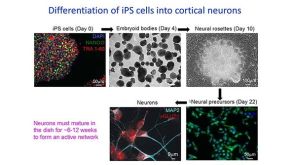
Micropatterning Facilitates the Long-Term Growth and Analysis of iPSC-Derived Individual Human Neurons and Neuronal Networks
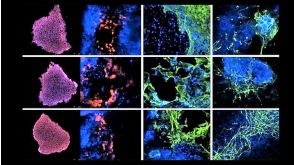
The discovery of induced pluripotent stem cells (iPSCs) and their application to patient-specific disease models offers new opportunities for studying the pathophysiology of neurological disorders. However,current methods for culturing iPSC-derived neuronal cells result in clustering of neurons,which precludes the analysis of individual neurons and defined neuronal networks. To address this challenge,cultures of human neurons on micropatterned surfaces are developed that promote neuronal survival over extended periods of time. This approach facilitates studies of neuronal development,cellular trafficking,and related mechanisms that require assessment of individual neurons and specific network connections. Importantly,micropatterns support the long-term stability of cultured neurons,which enables time-dependent analysis of cellular processes in living neurons. The approach described in this paper allows mechanistic studies of human neurons,both in terms of normal neuronal development and function,as well as time-dependent pathological processes,and provides a platform for testing of new therapeutics in neuropsychiatric disorders.
View Publication
文献
Bujalka H et al. (AUG 2013)
PLoS Biology 11 8 e1001625
MYRF Is a Membrane-Associated Transcription Factor That Autoproteolytically Cleaves to Directly Activate Myelin Genes
The myelination of axons is a crucial step during vertebrate central nervous system (CNS) development,allowing for rapid and energy efficient saltatory conduction of nerve impulses. Accordingly,the differentiation of oligodendrocytes,the myelinating cells of the CNS,and their expression of myelin genes are under tight transcriptional control. We previously identified a putative transcription factor,Myelin Regulatory Factor (Myrf),as being vital for CNS myelination. Myrf is required for the generation of CNS myelination during development and also for its maintenance in the adult. It has been controversial,however,whether Myrf directly regulates transcription,with reports of a transmembrane domain and lack of nuclear localization. Here we show that Myrf is a membrane-associated transcription factor that undergoes an activating proteolytic cleavage to separate its transmembrane domain-containing C-terminal region from a nuclear-targeted N-terminal region. Unexpectedly,this cleavage event occurs via a protein domain related to the autoproteolytic intramolecular chaperone domain of the bacteriophage tail spike proteins,the first time this domain has been found to play a role in eukaryotic proteins. Using ChIP-Seq we show that the N-terminal cleavage product directly binds the enhancer regions of oligodendrocyte-specific and myelin genes. This binding occurs via a defined DNA-binding consensus sequence and strongly promotes the expression of target genes. These findings identify Myrf as a novel example of a membrane-associated transcription factor and provide a direct molecular mechanism for its regulation of oligodendrocyte differentiation and CNS myelination.
View Publication
Palmitoylation of δ-catenin by DHHC5 mediates activity-induced synapse plasticity
Synaptic cadherin adhesion complexes are known to be key regulators of synapse plasticity. However,the molecular mechanisms that coordinate activity-induced modifications in cadherin localization and adhesion and the subsequent changes in synapse morphology and efficacy remain unknown. We demonstrate that the intracellular cadherin binding protein δ-catenin is transiently palmitoylated by DHHC5 after enhanced synaptic activity and that palmitoylation increases δ-catenin-cadherin interactions at synapses. Both the palmitoylation of δ-catenin and its binding to cadherin are required for activity-induced stabilization of N-cadherin at synapses and the enlargement of postsynaptic spines,as well as the insertion of GluA1 and GluA2 subunits into the synaptic membrane and the concomitant increase in miniature excitatory postsynaptic current amplitude. Notably,context-dependent fear conditioning in mice resulted in increased δ-catenin palmitoylation,as well as increased δ-catenin-cadherin associations at hippocampal synapses. Together these findings suggest a role for palmitoylated δ-catenin in coordinating activity-dependent changes in synaptic adhesion molecules,synapse structure and receptor localization that are involved in memory formation.
View Publication
文献
Bravard A et al. (JAN 2015)
Nucleic acids research 43 2 904--16
The prion protein is critical for DNA repair and cell survival after genotoxic stress.
The prion protein (PrP) is highly conserved and ubiquitously expressed,suggesting that it plays an important physiological function. However,despite decades of investigation,this role remains elusive. Here,by using animal and cellular models,we unveil a key role of PrP in the DNA damage response. Exposure of neurons to a genotoxic stress activates PRNP transcription leading to an increased amount of PrP in the nucleus where it interacts with APE1,the major mammalian endonuclease essential for base excision repair,and stimulates its activity. Preventing the induction of PRNP results in accumulation of abasic sites in DNA and impairs cell survival after genotoxic treatment. Brains from Prnp(-/-) mice display a reduced APE1 activity and a defect in the repair of induced DNA damage in vivo. Thus,PrP is required to maintain genomic stability in response to genotoxic stresses.
View Publication
文献
Bramble MS et al. (NOV 2016)
Scientific reports 6 36916
Sex-Specific Effects of Testosterone on the Sexually Dimorphic Transcriptome and Epigenome of Embryonic Neural Stem/Progenitor Cells.
The mechanisms by which sex differences in the mammalian brain arise are poorly understood,but are influenced by a combination of underlying genetic differences and gonadal hormone exposure. Using a mouse embryonic neural stem cell (eNSC) model to understand early events contributing to sexually dimorphic brain development,we identified novel interactions between chromosomal sex and hormonal exposure that are instrumental to early brain sex differences. RNA-sequencing identified 103 transcripts that were differentially expressed between XX and XY eNSCs at baseline (FDR%=%0.10). Treatment with testosterone-propionate (TP) reveals sex-specific gene expression changes,causing 2854 and 792 transcripts to become differentially expressed on XX and XY genetic backgrounds respectively. Within the TP responsive transcripts,there was enrichment for genes which function as epigenetic regulators that affect both histone modifications and DNA methylation patterning. We observed that TP caused a global decrease in 5-methylcytosine abundance in both sexes,a transmissible effect that was maintained in cellular progeny. Additionally,we determined that TP was associated with residue-specific alterations in acetylation of histone tails. These findings highlight an unknown component of androgen action on cells within the developmental CNS,and contribute to a novel mechanism of action by which early hormonal organization is initiated and maintained.
View Publication
文献
Booth L et al. (AUG 2015)
Journal of cellular physiology 230 8 1982--98
OSU-03012 and Viagra Treatment Inhibits the Activity of Multiple Chaperone Proteins and Disrupts the Blood-Brain Barrier: Implications for Anti-Cancer Therapies.
We examined the interaction between OSU-03012 (also called AR-12) with phosphodiesterase 5 (PDE5) inhibitors to determine the role of the chaperone glucose-regulated protein (GRP78)/BiP/HSPA5 in the cellular response. Sildenafil (Viagra) interacted in a greater than additive fashion with OSU-03012 to kill stem-like GBM cells. Treatment of cells with OSU-03012/sildenafil: abolished the expression of multiple oncogenic growth factor receptors and plasma membrane drug efflux pumps and caused a rapid degradation of GRP78 and other HSP70 and HSP90 family chaperone proteins. Decreased expression of plasma membrane receptors and drug efflux pumps was dependent upon enhanced PERK-eIF2α-ATF4-CHOP signaling and was blocked by GRP78 over-expression. In vivo OSU-03012/sildenafil was more efficacious than treatment with celecoxib and sildenafil at killing tumor cells without damaging normal tissues and in parallel reduced expression of ABCB1 and ABCG2 in the normal brain. The combination of OSU-03012/sildenafil synergized with low concentrations of sorafenib to kill tumor cells,and with lapatinib to kill ERBB1 over-expressing tumor cells. In multiplex assays on plasma and human tumor tissue from an OSU-03012/sildenafil treated mouse,we noted a profound reduction in uPA signaling and identified FGF and JAK1/2 as response biomarkers for potentially suppressing the killing response. Inhibition of FGFR signaling and to a lesser extent JAK1/2 signaling profoundly enhanced OSU-03012/sildenafil lethality.
View Publication
文献
Booth L et al. (MAY 2015)
Journal of cellular physiology 230 5 1115--27
PDE5 inhibitors enhance celecoxib killing in multiple tumor types.
The present studies determined whether clinically relevant phosphodiesterase 5 (PDE5) inhibitors interacted with a clinically relevant NSAID,celecoxib,to kill tumor cells. Celecoxib and PDE5 inhibitors interacted in a greater than additive fashion to kill multiple tumor cell types. Celecoxib and sildenafil killed ex vivo primary human glioma cells as well as their associated activated microglia. Knock down of PDE5 recapitulated the effects of PDE5 inhibitor treatment; the nitric oxide synthase inhibitor L-NAME suppressed drug combination toxicity. The effects of celecoxib were COX2 independent. Over-expression of c-FLIP-s or knock down of CD95/FADD significantly reduced killing by the drug combination. CD95 activation was dependent on nitric oxide and ceramide signaling. CD95 signaling activated the JNK pathway and inhibition of JNK suppressed cell killing. The drug combination inactivated mTOR and increased the levels of autophagy and knock down of Beclin1 or ATG5 strongly suppressed killing by the drug combination. The drug combination caused an ER stress response; knock down of IRE1α/XBP1 enhanced killing whereas knock down of eIF2α/ATF4/CHOP suppressed killing. Sildenafil and celecoxib treatment suppressed the growth of mammary tumors in vivo. Collectively our data demonstrate that clinically achievable concentrations of celecoxib and sildenafil have the potential to be a new therapeutic approach for cancer.
View Publication