INTRODUCTION Hirschsprung's disease is characterized by a developmental arrest of neural crest cell migration,causing distal aganglionosis. Transplanted cells derived from the neural crest may regenerate enteric ganglia in this condition. We investigated the potential of skin-derived precursor cells (SKPs) to engraft and to differentiate into enteric ganglia in aganglionic rat intestine in vivo. METHODS Adult Lewis rat jejunal segments were separated from intestinal continuity and treated with benzalkonium chloride to induce aganglionosis. Ganglia were identified via immunohistochemical stains for S100 and β-III tubulin (TUJ1). SKPs were procured from neonatal Lewis rats expressing enhanced green fluorescent protein (GFP) and cultured in neuroglial-selective media. SKP cell line expansion was quantified,and immunophenotypes were assessed by immunocytochemistry. Aganglionic segments underwent SKP transplantation 21-79days after benzalkonium chloride treatment. The presence of GFP+cells,mature neurons,and mature glia was evaluated at posttransplant days 1,6,and 9. RESULTS Benzalkonium chloride-induced aganglionosis persisted for at least 85days. Prior to differentiation,SKPs expressed S100,denoting neural crest lineage,and nestin,a marker of neuronal precursors. Differentiated SKPs in vitro expressed GFAP,a marker of glial differentiation,as well as TUJ1 and several enteric neurotransmitters. After transplantation,GFP+structures resembling ganglia were identified between longitudinal and circular smooth muscle layers. CONCLUSION SKPs are capable of engraftment,migration,and differentiation within aganglionic rodent intestine in vivo. Differentiated SKPs generate structures that resemble enteric ganglia. Our observations suggest that SKPs represent a potential gangliogenic therapeutic agent for Hirschsprung's disease.
View Publication
产品号#:
05771
产品名:
Wang L et al. (NOV 2008)
PLoS Biology 6 11 e289
Gamma-Secretase Represents a Therapeutic Target for the Treatment of Invasive Glioma Mediated by the p75 Neurotrophin Receptor
The multifunctional signaling protein p75 neurotrophin receptor (p75(NTR)) is a central regulator and major contributor to the highly invasive nature of malignant gliomas. Here,we show that neurotrophin-dependent regulated intramembrane proteolysis (RIP) of p75(NTR) is required for p75(NTR)-mediated glioma invasion,and identify a previously unnamed process for targeted glioma therapy. Expression of cleavage-resistant chimeras of p75(NTR) or treatment of animals bearing p75(NTR)-positive intracranial tumors with clinically applicable gamma-secretase inhibitors resulted in dramatically decreased glioma invasion and prolonged survival. Importantly,proteolytic processing of p75(NTR) was observed in p75(NTR)-positive patient tumor specimens and brain tumor initiating cells. This work highlights the importance of p75(NTR) as a therapeutic target,suggesting that gamma-secretase inhibitors may have direct clinical application for the treatment of malignant glioma.
View Publication
产品号#:
05750
05751
产品名:
NeuroCult™ NS-A 基础培养基(人)
NeuroCult™ NS-A 扩增试剂盒(人)
Xia G et al. (JUN 2015)
Stem cells (Dayton,Ohio) 33 6 1829--38
Genome modification leads to phenotype reversal in human myotonic dystrophy type 1 induced pluripotent stem cell-derived neural stem cells.
Myotonic dystrophy type 1 (DM1) is caused by expanded CTG repeats in the 3'-untranslated region (3' UTR) of the DMPK gene. Correcting the mutation in DM1 stem cells would be an important step toward autologous stem cell therapy. The objective of this study is to demonstrate in vitro genome editing to prevent production of toxic mutant transcripts and reverse phenotypes in DM1 stem cells. Genome editing was performed in DM1 neural stem cells (NSCs) derived from human DM1 induced pluripotent stem (iPS) cells. An editing cassette containing SV40/bGH polyA signals was integrated upstream of the CTG repeats by TALEN-mediated homologous recombination (HR). The expression of mutant CUG repeats transcript was monitored by nuclear RNA foci,the molecular hallmarks of DM1,using RNA fluorescence in situ hybridization. Alternative splicing of microtubule-associated protein tau (MAPT) and muscleblind-like (MBNL) proteins were analyzed to further monitor the phenotype reversal after genome modification. The cassette was successfully inserted into DMPK intron 9 and this genomic modification led to complete disappearance of nuclear RNA foci. MAPT and MBNL 1,2 aberrant splicing in DM1 NSCs were reversed to normal pattern in genome-modified NSCs. Genome modification by integration of exogenous polyA signals upstream of the DMPK CTG repeat expansion prevents the production of toxic RNA and leads to phenotype reversal in human DM1 iPS-cells derived stem cells. Our data provide proof-of-principle evidence that genome modification may be used to generate genetically modified progenitor cells as a first step toward autologous cell transfer therapy for DM1.
View Publication
产品号#:
05833
05835
05839
产品名:
STEMdiff™神经前体细胞培养基
STEMdiff™ 神经诱导培养基
STEMdiff™ 神经诱导培养基
Nakamura H et al. (OCT 2013)
Herpesviridae 4 1 2
Human cytomegalovirus induces apoptosis in neural stem/progenitor cells derived from induced pluripotent stem cells by generating mitochondrial dysfunction and endoplasmic reticulum stress
BACKGROUND Congenital human cytomegalovirus (HCMV) infection,a leading cause of birth defects,is most often manifested as neurological disorders. The pathogenesis of HCMV-induced neurological disorders is,however,largely unresolved,primarily because of limited availability of model systems to analyze the effects of HCMV infection on neural cells. METHODS An induced pluripotent stem cell (iPSC) line was established from the human fibroblast line MRC5 by introducing the Yamanaka's four factors and then induced to differentiate into neural stem/progenitor cells (NSPCs) by dual inhibition of the SMAD signaling pathway using Noggin and SB-431542. RESULTS iPSC-derived NSPCs (NSPC/iPSCs) were susceptible to HCMV infection and allowed the expression of both early and late viral gene products. HCMV-infected NSPC/iPSCs underwent apoptosis with the activation of caspase-3 and -9 as well as positive staining by the terminal deoxynucleotidyl transferase-mediated dUTP nick-end labeling (TUNEL). Cytochrome c release from mitochondria to cytosol was observed in these cells,indicating the involvement of mitochondrial dysfunction in their apoptosis. In addition,phosphorylation of proteins involved in the unfolded protein response (UPR),such as PKR-like eukaryotic initiation factor 2a kinase (PERK),c-Jun NH2-terminal kinase (JNK),inositol-requiring enzyme 1 (IRE1),and the alpha subunit of eukaryotic initiation factor 2 (eIF2$$) was observed in HCMV-infected NSPC/iPSCs. These results,coupled with the finding of increased expression of mRNA encoding the C/EBP-homologous protein (CHOP) and the detection of a spliced form of X-box binding protein 1 (XBP1) mRNA,suggest that endoplasmic reticulum (ER) stress is also involved in HCMV-induced apoptosis of these cells. CONCLUSIONS iPSC-derived NSPCs are thought to be a useful model to study HCMV neuropathogenesis and to analyze the mechanisms of HCMV-induced apoptosis in neural cells.
View Publication
产品号#:
05850
05857
05870
05875
85850
85857
85870
85875
产品名:
mTeSR™1
mTeSR™1
Sareen D et al. (OCT 2013)
Science Translational Medicine 5 208 208ra149----208ra149
Targeting RNA foci in iPSC-derived motor neurons from ALS patients with a C9ORF72 repeat expansion.
Amyotrophic lateral sclerosis (ALS) is a severe neurodegenerative condition characterized by loss of motor neurons in the brain and spinal cord. Expansions of a hexanucleotide repeat (GGGGCC) in the noncoding region of the C9ORF72 gene are the most common cause of the familial form of ALS (C9-ALS),as well as frontotemporal lobar degeneration and other neurological diseases. How the repeat expansion causes disease remains unclear,with both loss of function (haploinsufficiency) and gain of function (either toxic RNA or protein products) proposed. We report a cellular model of C9-ALS with motor neurons differentiated from induced pluripotent stem cells (iPSCs) derived from ALS patients carrying the C9ORF72 repeat expansion. No significant loss of C9ORF72 expression was observed,and knockdown of the transcript was not toxic to cultured human motor neurons. Transcription of the repeat was increased,leading to accumulation of GGGGCC repeat-containing RNA foci selectively in C9-ALS iPSC-derived motor neurons. Repeat-containing RNA foci colocalized with hnRNPA1 and Pur-α,suggesting that they may be able to alter RNA metabolism. C9-ALS motor neurons showed altered expression of genes involved in membrane excitability including DPP6,and demonstrated a diminished capacity to fire continuous spikes upon depolarization compared to control motor neurons. Antisense oligonucleotides targeting the C9ORF72 transcript suppressed RNA foci formation and reversed gene expression alterations in C9-ALS motor neurons. These data show that patient-derived motor neurons can be used to delineate pathogenic events in ALS.
View Publication


 EasySep™小鼠TIL(CD45)正选试剂盒




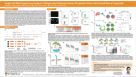 科学海报Single-Cell RNA Sequencing Analysis of Regionally Patterned Human Pluripotent Stem Cell-Derived Neural Organoids

 沪公网安备31010102008431号