Delivery of Functional Anti-miR-9 by Mesenchymal Stem Cellderived Exosomes to Glioblastoma Multiforme Cells Conferred Chemosensitivity
Glioblastoma multiforme (GBM),the most common and lethal tumor of the adult brain,generally shows chemo- and radioresistance. MicroRNAs (miRs) regulate physiological processes,such as resistance of GBM cells to temozolomide (TMZ). Although miRs are attractive targets for cancer therapeutics,the effectiveness of this approach requires targeted delivery. Mesenchymal stem cells (MSCs) can migrate to the sites of cancers,including GBM. We report on an increase in miR-9 in TMZ-resistant GBM cells. miR-9 was involved in the expression of the drug efflux transporter,P-glycoprotein. To block miR-9,methods were developed with Cy5-tagged anti-miR-9. Dye-transfer studies indicated intracellular communication between GBM cells and MSCs. This occurred by gap junctional intercellular communication and the release of microvesicles. In both cases,anti-miR-9 was transferred from MSCs to GBM cells. However,the major form of transfer occurred with the microvesicles. The delivery of anti-miR-9 to the resistant GBM cells reversed the expression of the multidrug transporter and sensitized the GBM cells to TMZ,as shown by increased cell death and caspase activity. The data showed a potential role for MSCs in the functional delivery of synthetic anti-miR-9 to reverse the chemoresistance of GBM cells.Molecular Therapy-Nucleic Acids (2013) 2,e126; doi:10.1038/mtna.2013.60; published online 1 October 2013.
View Publication
产品号#:
05750
05751
产品名:
NeuroCult™ NS-A 基础培养基(人)
NeuroCult™ NS-A 扩增试剂盒(人)
Martinez NJ et al. (AUG 2016)
PloS one 11 8 e0161486
A High-Throughput Screen Identifies 2,9-Diazaspiro[5.5]Undecanes as Inducers of the Endoplasmic Reticulum Stress Response with Cytotoxic Activity in 3D Glioma Cell Models.
The endoplasmic reticulum (ER) is involved in Ca2+ signaling and protein folding. ER Ca2+ depletion and accumulation of unfolded proteins activate the molecular chaperone GRP78 (glucose-regulated protein 78) which in turn triggers the ER stress response (ERSR) pathway aimed to restore ER homeostasis. Failure to adapt to stress,however,results in apoptosis. We and others have shown that malignant cells are more susceptible to ERSR-induced apoptosis than their normal counterparts,implicating the ERSR as a potential target for cancer therapeutics. Predicated on these findings,we developed an assay that uses a GRP78 biosensor to identify small molecule activators of ERSR in glioma cells. We performed a quantitative high-throughput screen (qHTS) against a collection of ˜425,000 compounds and a comprehensive panel of orthogonal secondary assays was formulated for stringent compound validation. We identified novel activators of ERSR,including a compound with a 2,9-diazaspiro[5.5]undecane core,which depletes intracellular Ca2+ stores and induces apoptosis-mediated cell death in several cancer cell lines,including patient-derived and 3D cultures of glioma cells. This study demonstrates that our screening platform enables the identification and profiling of ERSR inducers with cytotoxic activity and advocates for characterization of these compound in in vivo models.
View Publication
产品号#:
05750
05751
产品名:
NeuroCult™ NS-A 基础培养基(人)
NeuroCult™ NS-A 扩增试剂盒(人)
Binder ZA et al. ( 2016)
PloS one 11 3 e0150271
Establishment and Biological Characterization of a Panel of Glioblastoma Multiforme (GBM) and GBM Variant Oncosphere Cell Lines.
OBJECTIVE Human tumor cell lines form the basis of the majority of present day laboratory cancer research. These models are vital to studying the molecular biology of tumors and preclinical testing of new therapies. When compared to traditional adherent cell lines,suspension cell lines recapitulate the genetic profiles and histologic features of glioblastoma multiforme (GBM) with higher fidelity. Using a modified neural stem cell culture technique,here we report the characterization of GBM cell lines including GBM variants. METHODS Tumor tissue samples were obtained intra-operatively and cultured in neural stem cell conditions containing growth factors. Tumor lines were characterized in vitro using differentiation assays followed by immunostaining for lineage-specific markers. In vivo tumor formation was assayed by orthotopic injection in nude mice. Genetic uniqueness was confirmed via short tandem repeat (STR) DNA profiling. RESULTS Thirteen oncosphere lines derived from GBM and GBM variants,including a GBM with PNET features and a GBM with oligodendroglioma component,were established. All unique lines showed distinct genetic profiles by STR profiling. The lines assayed demonstrated a range of in vitro growth rates. Multipotency was confirmed using in vitro differentiation. Tumor formation demonstrated histologic features consistent with high grade gliomas,including invasion,necrosis,abnormal vascularization,and high mitotic rate. Xenografts derived from the GBM variants maintained histopathological features of the primary tumors. CONCLUSIONS We have generated and characterized GBM suspension lines derived from patients with GBMs and GBM variants. These oncosphere cell lines will expand the resources available for preclinical study.
View Publication
产品号#:
05750
05751
产品名:
NeuroCult™ NS-A 基础培养基(人)
NeuroCult™ NS-A 扩增试剂盒(人)
Li J et al. (OCT 2014)
Oral Oncology 50 10 991--999
Development and characterization of salivary adenoid cystic carcinoma cell line
OBJECTIVE To develop in vitro adenoid cystic carcinoma cell line as a surrogate for functional studies. MATERIALS AND METHODS Cells obtained from a primary ACC of the base of tongue were cultivated in vitro and immortalized with h-TERT. Morphologic,cytogenetic and functional studies were performed. RESULTS Tumor cells were verified by positive reactions to keratin and smooth muscle actin and phenotypic cellular and nuclear features. In-vitro cell growth and colony formation assay supported their tumor nature. CONCLUSION We authenticated an ACC cell line with hybrid epithelial-myoepithelial feature as a resource for functional experimentation.
View Publication
产品号#:
05750
产品名:
NeuroCult™ NS-A 基础培养基(人)
Lawn S et al. (FEB 2015)
The Journal of biological chemistry 290 6 3814--24
Neurotrophin signaling via TrkB and TrkC receptors promotes the growth of brain tumor-initiating cells.
Neurotrophins and their receptors are frequently expressed in malignant gliomas,yet their functions are largely unknown. Previously,we have shown that p75 neurotrophin receptor is required for glioma invasion and proliferation. However,the role of Trk receptors has not been examined. In this study,we investigated the importance of TrkB and TrkC in survival of brain tumor-initiating cells (BTICs). Here,we show that human malignant glioma tissues and also tumor-initiating cells isolated from fresh human malignant gliomas express the neurotrophin receptors TrkB and TrkC,not TrkA,and they also express neurotrophins NGF,BDNF,and neurotrophin 3 (NT3). Specific activation of TrkB and TrkC receptors by ligands BDNF and NT3 enhances tumor-initiating cell viability through activation of ERK and Akt pathways. Conversely,TrkB and TrkC knockdown or pharmacologic inhibition of Trk signaling decreases neurotrophin-dependent ERK activation and BTIC growth. Further,pharmacological inhibition of both ERK and Akt pathways blocked BDNF,and NT3 stimulated BTIC survival. Importantly,attenuation of BTIC growth by EGFR inhibitors could be overcome by activation of neurotrophin signaling,and neurotrophin signaling is sufficient for long term BTIC growth as spheres in the absence of EGF and FGF. Our results highlight a novel role for neurotrophin signaling in brain tumor and suggest that Trks could be a target for combinatorial treatment of malignant glioma.
View Publication
Evans MJ et al. (JAN 2013)
Journal of Nuclear Medicine 54 1 90--95
Imaging Tumor Burden in the Brain with 89Zr-Transferrin
UNLABELLED A noninvasive technology that indiscriminately detects tumor tissue in the brain could substantially enhance the management of primary or metastatic brain tumors. Although the documented molecular heterogeneity of diseases that initiate or eventually deposit in the brain may preclude identifying a single smoking-gun molecular biomarker,many classes of brain tumors are generally avid for transferrin. Therefore,we reasoned that applying a radiolabeled derivative of transferrin ((89)Zr-labeled transferrin) may be an effective strategy to more thoroughly identify tumor tissue in the brain,regardless of the tumor's genetic background. METHODS Transferrin was radiolabeled with (89)Zr,and its properties with respect to human models of glioblastoma multiforme were studied in vivo. RESULTS In this report,we show proof of concept that (89)Zr-labeled transferrin ((89)Zr-transferrin) localizes to genetically diverse models of glioblastoma multiforme in vivo. Moreover,we demonstrate that (89)Zr-transferrin can detect an orthotopic lesion with exceptional contrast. Finally,the tumor-to-brain contrast conferred by (89)Zr-transferrin vastly exceeded that observed with (18)F-FDG,currently the most widely used radiotracer to assess tumor burden in the brain. CONCLUSION The results from this study suggest that (89)Zr-transferrin could be a broadly applicable tool for identifying and monitoring tumors in the brain,with realistic potential for near-term clinical translation.
View Publication
产品号#:
05750
05751
产品名:
NeuroCult™ NS-A 基础培养基(人)
NeuroCult™ NS-A 扩增试剂盒(人)
Guerra M et al. (JUL 2015)
Journal of neuropathology and experimental neurology 74 7 653--71
Cell Junction Pathology of Neural Stem Cells Is Associated With Ventricular Zone Disruption, Hydrocephalus, and Abnormal Neurogenesis.
Fetal-onset hydrocephalus affects 1 to 3 per 1,000 live births. It is not only a disorder of cerebrospinal fluid dynamics but also a brain disorder that corrective surgery does not ameliorate. We hypothesized that cell junction abnormalities of neural stem cells (NSCs) lead to the inseparable phenomena of fetal-onset hydrocephalus and abnormal neurogenesis. We used bromodeoxyuridine labeling,immunocytochemistry,electron microscopy,and cell culture to study the telencephalon of hydrocephalic HTx rats and correlated our findings with those in human hydrocephalic and nonhydrocephalic human fetal brains (n = 12 each). Our results suggest that abnormal expression of the intercellular junction proteins N-cadherin and connexin-43 in NSC leads to 1) disruption of the ventricular and subventricular zones,loss of NSCs and neural progenitor cells; and 2) abnormalities in neurogenesis such as periventricular heterotopias and abnormal neuroblast migration. In HTx rats,the disrupted NSC and progenitor cells are shed into the cerebrospinal fluid and can be grown into neurospheres that display intercellular junction abnormalities similar to those of NSC of the disrupted ventricular zone; nevertheless,they maintain their potential for differentiating into neurons and glia. These NSCs can be used to investigate cellular and molecular mechanisms underlying this condition,thereby opening the avenue for stem cell therapy.
View Publication
产品号#:
05771
05772
产品名:
Fè et al. ( 2014)
PloS one 9 3 e91519
Comparative expression study of the endo-G protein coupled receptor (GPCR) repertoire in human glioblastoma cancer stem-like cells, U87-MG cells and non malignant cells of neural origin unveils new potential therapeutic targets.
Glioblastomas (GBMs) are highly aggressive,invasive brain tumors with bad prognosis and unmet medical need. These tumors are heterogeneous being constituted by a variety of cells in different states of differentiation. Among these,cells endowed with stem properties,tumor initiating/propagating properties and particularly resistant to chemo- and radiotherapies are designed as the real culprits for tumor maintenance and relapse after treatment. These cells,termed cancer stem-like cells,have been designed as prominent targets for new and more efficient cancer therapies. G-protein coupled receptors (GPCRs),a family of membrane receptors,play a prominent role in cell signaling,cell communication and crosstalk with the microenvironment. Their role in cancer has been highlighted but remains largely unexplored. Here,we report a descriptive study of the differential expression of the endo-GPCR repertoire in human glioblastoma cancer stem-like cells (GSCs),U-87 MG cells,human astrocytes and fetal neural stem cells (f-NSCs). The endo-GPCR transcriptome has been studied using Taqman Low Density Arrays. Of the 356 GPCRs investigated,138 were retained for comparative studies between the different cell types. At the transcriptomic level,eight GPCRs were specifically expressed/overexpressed in GSCs. Seventeen GPCRs appeared specifically expressed in cells with stem properties (GSCs and f-NSCs). Results of GPCR expression at the protein level using mass spectrometry and proteomic analysis are also presented. The comparative GPCR expression study presented here gives clues for new pathways specifically used by GSCs and unveils novel potential therapeutic targets.
View Publication
产品号#:
05750
05751
产品名:
NeuroCult™ NS-A 基础培养基(人)
NeuroCult™ NS-A 扩增试剂盒(人)
Cheng H-W et al. (MAY 2015)
Cell death & disease 6 5 e1753
Identification of thioridazine, an antipsychotic drug, as an antiglioblastoma and anticancer stem cell agent using public gene expression data.
Glioblastoma (GBM) is a common and malignant tumor with a poor prognosis. Glioblastoma stem cells (GSCs) have been reported to be involved in tumorigenesis,tumor maintenance and therapeutic resistance. Thus,to discover novel candidate therapeutic drugs for anti-GBM and anti-GSCs is an urgent need. We hypothesized that if treatment with a drug could reverse,at least in part,the gene expression signature of GBM and GSCs,this drug may have the potential to inhibit pathways essential in the formation of GBM and thereby treat GBM. Here,we collected 356 GBM gene signatures from public databases and queried the Connectivity Map. We systematically evaluated the in vitro antitumor effects of 79 drugs in GBM cell lines. Of the drugs screened,thioridazine was selected for further characterization because it has potent anti-GBM and anti-GSCs properties. When investigating the mechanisms underlying the cytocidal effects of thioridazine,we found that thioridazine induces autophagy in GBM cell lines,and upregulates AMPK activity. Moreover,LC3-II was upregulated in U87MG sphere cells treated with thioridazine. In addition,thioridazine suppressed GBM tumorigenesis and induced autophagy in vivo. We not only repurposed the antipsychotic drug thioridazine as a potent anti-GBM and anti-GSCs agent,but also provided a new strategy to search for drugs with anticancer and anticancer stem cell properties.
View Publication


 EasySep™小鼠TIL(CD45)正选试剂盒




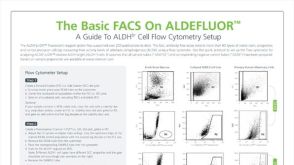 技术公告The Basic FACS on ALDEFLUOR™: The Quick Guide to Flow Cytometry


 沪公网安备31010102008431号