Fornara O et al. (FEB 2016)
Cell death and differentiation 23 2 261--9
Cytomegalovirus infection induces a stem cell phenotype in human primary glioblastoma cells: prognostic significance and biological impact.
Glioblastoma (GBM) is associated with poor prognosis despite aggressive surgical resection,chemotherapy,and radiation therapy. Unfortunately,this standard therapy does not target glioma cancer stem cells (GCSCs),a subpopulation of GBM cells that can give rise to recurrent tumors. GBMs express human cytomegalovirus (HCMV) proteins,and previously we found that the level of expression of HCMV immediate-early (IE) protein in GBMs is a prognostic factor for poor patient survival. In this study,we investigated the relation between HCMV infection of GBM cells and the presence of GCSCs. Primary GBMs were characterized by their expression of HCMV-IE and GCSCs marker CD133 and by patient survival. The extent to which HCMV infection of primary GBM cells induced a GCSC phenotype was evaluated in vitro. In primary GBMs,a large fraction of CD133-positive cells expressed HCMV-IE,and higher co-expression of these two proteins predicted poor patient survival. Infection of GBM cells with HCMV led to upregulation of CD133 and other GSCS markers (Notch1,Sox2,Oct4,Nestin). HCMV infection also promoted the growth of GBM cells as neurospheres,a behavior typically displayed by GCSCs,and this phenotype was prevented by either chemical inhibition of the Notch1 pathway or by treatment with the anti-viral drug ganciclovir. GBM cells that maintained expression of HCMV-IE failed to differentiate into neuronal or astrocytic phenotypes. Our findings imply that HCMV infection induces phenotypic plasticity of GBM cells to promote GCSC features and may thereby increase the aggressiveness of this tumor.
View Publication
产品号#:
05752
产品名:
NeuroCult™ NS-A 分化试剂盒(人)
Goldstein BJ et al. (DEC 2016)
Development 143 23 4394--4404
Contribution of Polycomb group proteins to olfactory basal stem cell self-renewal in a novel c-KIT+ culture model and in vivo.
Olfactory epithelium (OE) has a lifelong capacity for neurogenesis due to the presence of basal stem cells. Despite the ability to generate short-term cultures,the successful in vitro expansion of purified stem cells from adult OE has not been reported. We sought to establish expansion-competent OE stem cell cultures to facilitate further study of the mechanisms and cell populations important in OE renewal. Successful cultures were prepared using adult mouse basal cells selected for expression of c-KIT. We show that c-KIT signaling regulates self-renewal capacity and prevents neurodifferentiation in culture. Inhibition of TGFβ family signaling,a known negative regulator of embryonic basal cells,is also necessary for maintenance of the proliferative,undifferentiated state in vitro Characterizing successful cultures,we identified expression of BMI1 and other Polycomb proteins not previously identified in olfactory basal cells but known to be essential for self-renewal in other stem cell populations. Inducible fate mapping demonstrates that BMI1 is expressed in vivo by multipotent OE progenitors,validating our culture model. These findings provide mechanistic insights into the renewal and potency of olfactory stem cells.
View Publication
产品号#:
05700
产品名:
NeuroCult™ 基础培养基(小鼠和大鼠)
Guillou L et al. (NOV 2016)
Biophysical journal 111 9 2039--2050
Measuring Cell Viscoelastic Properties Using a Microfluidic Extensional Flow Device.
The quantification of cellular mechanical properties is of tremendous interest in biology and medicine. Recent microfluidic technologies that infer cellular mechanical properties based on analysis of cellular deformations during microchannel traversal have dramatically improved throughput over traditional single-cell rheological tools,yet the extraction of material parameters from these measurements remains quite complex due to challenges such as confinement by channel walls and the domination of complex inertial forces. Here,we describe a simple microfluidic platform that uses hydrodynamic forces at low Reynolds number and low confinement to elongate single cells near the stagnation point of a planar extensional flow. In tandem,we present,to our knowledge,a novel analytical framework that enables determination of cellular viscoelastic properties (stiffness and fluidity) from these measurements. We validated our system and analysis by measuring the stiffness of cross-linked dextran microparticles,which yielded reasonable agreement with previously reported values and our micropipette aspiration measurements. We then measured viscoelastic properties of 3T3 fibroblasts and glioblastoma tumor initiating cells. Our system captures the expected changes in elastic modulus induced in 3T3 fibroblasts and tumor initiating cells in response to agents that soften (cytochalasin D) or stiffen (paraformaldehyde) the cytoskeleton. The simplicity of the device coupled with our analytical model allows straightforward measurement of the viscoelastic properties of cells and soft,spherical objects.
View Publication
产品号#:
05750
05751
产品名:
NeuroCult™ NS-A 基础培养基(人)
NeuroCult™ NS-A 扩增试剂盒(人)
Hackett C et al. ( 2014)
American journal of translational research 6 2 119--28
Transplantation of Fas-deficient or wild-type neural stem/progenitor cells (NPCs) is equally efficient in treating experimental autoimmune encephalomyelitis (EAE).
Studies have shown that neural stem/progenitor cell (NPC) transplantation is beneficial in experimental autoimmune encephalomyelitis (EAE),an established animal model of multiple sclerosis (MS). It is unclear whether NPCs have the ability to integrate into the host CNS to replace lost cells or if their main mechanism of action is via bystander immunomodulation. Understanding the mechanisms by which NPCs exert their beneficial effects as well as exploring methods to increase post-transplantation survival and differentiation is critical to advancing this treatment strategy. Using the EAE model and Fas-deficient (lpr) NPCs,we investigated the effects of altering the Fas system in NPC transplantation therapy. We show that transplantation of NPCs into EAE mice ameliorates clinical symptoms with greater efficacy than sham treatments regardless of cell type (wt or lpr). NPC transplantation via retro-orbital injections significantly decreased inflammatory infiltrates at the acute time point,with a similar trend at the chronic time point. Both wt and lpr NPCs injected into mice with EAE were able to home to sites of CNS inflammation in the periventricular brain and lumbar spinal cord. Both wt and lpr NPCs have the same capacity for inducing apoptosis of Th1 and Th17 cells,and minimal numbers of NPCs entered the CNS. These cells did not express terminal differentiation markers,suggesting that NPCs exert their effects mainly via bystander peripheral immunomodulation.
View Publication
产品号#:
05715
产品名:
NeuroCult™成年中枢神经系统(CNS)组织酶解试剂盒(小鼠和大鼠)
Harlow DE et al. (JAN 2014)
Journal of Neuroscience 34 4 1333--1343
Expression of Proteolipid Protein Gene in Spinal Cord Stem Cells and Early Oligodendrocyte Progenitor Cells Is Dispensable for Normal Cell Migration and Myelination
Plp1 gene expression occurs very early in development,well before the onset of myelination,creating a conundrum with regard to the function of myelin proteolipid protein (PLP),one of the major proteins in compact myelin. Using PLP-EGFP mice to investigate Plp1 promoter activity,we found that,at very early time points,PLP-EGFP was expressed in Sox2+ undifferentiated precursors in the spinal cord ventricular zone (VZ),as well as in the progenitors of both neuronal and glial lineages. As development progressed,most PLP-EGFP-expressing cells gave rise to oligodendrocyte progenitor cells (OPCs). The expression of PLP-EGFP in the spinal cord was quite dynamic during development. PLP-EGFP was highly expressed as cells delaminated from the VZ. Expression was downregulated as cells moved laterally through the cord,and then robustly upregulated as OPCs differentiated into mature myelinating oligodendrocytes. The presence of PLP-EGFP expression in OPCs raises the question of its role in this migratory population. We crossed PLP-EGFP reporter mice into a Plp1-null background to investigate the role of PLP in early OPC development. In the absence of PLP,normal numbers of OPCs were generated and their distribution throughout the spinal cord was unaffected. However,the orientation and length of OPC processes during migration was abnormal in Plp1-null mice,suggesting that PLP plays a role either in the structural integrity of OPC processes or in their response to extracellular cues that orient process outgrowth.
View Publication
产品号#:
05707
产品名:
NeuroCult™化学解离试剂盒(小鼠)
Hou Y et al. (MAY 2014)
Neurobiology of Aging 35 5 975--989
Permeability transition pore-mediated mitochondrial superoxide flashes mediate an early inhibitory effect of amyloid beta1 42 on neural progenitor cell proliferation
Cellular damage by reactive oxygen species and altered neurogenesis are implicated in the etiology of AD and the pathogenic actions of amyloid β-peptide (Aβ); the underlying mechanisms and the early oxidative intracellular events triggered by Aβ are not established. In the present study,we found that mouse embryonic cortical neural progenitor cells exhibit intermittent spontaneous mitochondrial superoxide (SO) flashes that require transient opening of mitochondrial permeability transition pores (mPTPs). The incidence of mitochondria SO flash activity in neural progenitor cells (NPCs) increased during the first 6-24 hours of exposure to aggregating amyloid β-peptide (Aβ1-42),indicating an increase in transient mPTP opening. Subsequently,the SO flash frequency progressively decreased and ceased between 48 and 72 hours of exposure to Aβ1-42,during which time global cellular reactive oxygen species increased,mitochondrial membrane potential decreased,cytochrome C was released from mitochondria and the cells degenerated. Inhibition of mPTPs and selective reduction in mitochondrial SO flashes significantly ameliorated the negative effects of Aβ1-42 on NPC proliferation and survival. Our findings suggest that mPTP-mediated bursts of mitochondrial SO production is a relatively early and pivotal event in the adverse effects of Aβ1-42 on NPCs. If Aβ inhibits NPC proliferation in the brains of AD patients by a similar mechanism,then interventions that inhibit mPTP-mediated superoxide flashes would be expected to protect NPCs against the adverse effects of Aβ.
View Publication
产品号#:
05707
产品名:
NeuroCult™化学解离试剂盒(小鼠)
专家访谈
Scott Allen, PhD
Seeking Metabolic Therapies for an Incurable Neurodegenerative Disease
研究方向:
干细胞生物学,神经科学
D. Alvarez-Carbonell et al. (JUL 2018)
Journal of neuroimmune pharmacology : the official journal of the Society on NeuroImmune Pharmacology
The Glucocorticoid Receptor Is a Critical Regulator of HIV Latency in Human Microglial Cells.
We have developed models of HIV latency using microglia derived from adult human patient brain cortex and transformed with the SV40 T large and hTERT antigens. Latent clones infected by HIV reporter viruses display high levels of spontaneous HIV reactivation in culture. BrainPhys,a medium highly representative of the CNS extracellular environment,containing low glucose and 1{\%} FBS,reduced,but did not prevent,HIV reactivation. We hypothesized that spontaneous HIV reactivation in culture was due to the expression of pro-inflammatory genes,such as TNF-alpha$,taking place in the absence of the natural inhibitory signals from astrocytes and neurons. Indeed,expression and secretion of TNF-alpha$ is strongly reduced in HIV-latently infected microglia compared to the subset of cells that have undergone spontaneous HIV reactivation. Whereas inhibitors of NF-kappa$B or of macrophage activation only had a short-term silencing effect,addition of dexamethasone (DEXA),a glucocorticoid receptor (GR) agonist and mediator of anti-inflammation,silenced the HIV provirus in a long-term,and shRNA-mediated knock-down of GR activated HIV. DEXA also decreased secretion of a number of cytokines,including TNF-alpha$. Chromatin immunoprecipitation analysis revealed that DEXA strongly increased GR occupancy at the HIV promoter,and reduced histone 3 acetylated levels. Moreover,TNF-alpha$ expression inhibitors in combination with DEXA induced further HIV silencing and increased the histone 3 lysine 27 tri-methylated epigenetic mark of repression at the HIV promoter region. We conclude that GR is a critical repressor of HIV transcription in microglia,and a novel potential pharmacological target to restrict HIV expression in the CNS.
View Publication
产品号#:
05790
05792
05793
05794
05795
产品名:
BrainPhys™神经元培养基
BrainPhys™神经元培养基和SM1试剂盒
BrainPhys™ 神经元培养基N2-A和SM1试剂盒
BrainPhys™原代神经元试剂盒
BrainPhys™ hPSC 神经元试剂盒
E. Hangen et al. (JUL 2018)
Cell reports 24 4 1001--1012.e3
Neuronal Activity and Intracellular Calcium Levels Regulate Intracellular Transport of Newly Synthesized AMPAR.
Regulation of AMPA receptor (AMPAR) trafficking is a key modulator of excitatory synaptic transmission; however,intracellular vesicular transport of newly synthesized AMPARs has been little studied due to technical limitations. By combining molecular tools with imaging strategies in cultured rat hippocampal neurons,we found that vesicles containing newly synthesized,GluA1-subunit-containing AMPARs are transported antero- and retrogradely at a mean speed of 1.5 mu$m.s-1. Synaptic activity and variations in intracellular calcium levels bidirectionally modulate GluA1 transport. Chemical long-term potentiation (cLTP) initially induces a halt in GluA1 transport,followed by a sustained increase,while acute glutamate uncaging on synaptic spines arrests vesicular movements. GluA1 phosphomimetic mutants preferentially travel to the dendritic tip,probably to replenish extrasynaptic pools,distal to the soma. Our findings indicate that AMPAR intracellular transport is highly regulated during synaptic plasticity and likely controls AMPAR numbers at the plasma membrane.
View Publication


 EasySep™小鼠TIL(CD45)正选试剂盒




 专家访谈Scott Allen, PhD Seeking Metabolic Therapies for an Incurable Neurodegenerative Disease
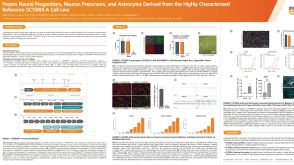 科学海报Frozen Neural Progenitors, Neuron Precursors, and Astrocytes Derived from the Highly Characterized Reference iPSC Line, SCTi003-A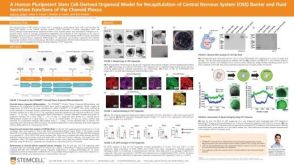

 沪公网安备31010102008431号