Simõ et al. (AUG 2011)
Breast cancer research and treatment 129 1 23--35
Effects of estrogen on the proportion of stem cells in the breast.
There is increasing evidence that breast cancers contain tumor-initiating cells with stem cell properties. The importance of estrogen in the development of the mammary gland and in breast cancer is well known,but the influence of estrogen on the stem cell population has not been assessed. We show that estrogen reduces the proportion of stem cells in the normal human mammary gland and in breast cancer cells. The embryonic stem cell genes NANOG,OCT4,and SOX2 are expressed in normal breast stem cells and at higher levels in breast tumor cells and their expression decreases upon differentiation. Overexpression of each stem cell gene reduces estrogen receptor (ER) expression,and increases the number of stem cells and their capacity for invasion,properties associated with tumorigenesis and poor prognosis. These results indicate that estrogen reduces the size of the human breast stem cell pool and may provide an explanation for the better prognosis of ER-positive tumors.
View Publication
产品号#:
01700
01705
01702
产品名:
ALDEFLUOR™ 试剂盒
ALDEFLUOR™ DEAB试剂, 1.5 mM, 1 mL
ALDEFLUOR™检测缓冲液
Wu K et al. (JAN 2011)
The Journal of biological chemistry 286 3 2132--42
Cell fate determination factor Dachshund reprograms breast cancer stem cell function.
The cell fate determination factor Dachshund was cloned as a dominant inhibitor of the hyperactive epidermal growth factor receptor ellipse. The expression of Dachshund is lost in human breast cancer associated with poor prognosis. Breast tumor-initiating cells (TIC) may contribute to tumor progression and therapy resistance. Here,endogenous DACH1 was reduced in breast cancer cell lines with high expression of TIC markers and in patient samples of the basal breast cancer phenotype. Re-expression of DACH1 reduced new tumor formation in serial transplantations in vivo,reduced mammosphere formation,and reduced the proportion of CD44(high)/CD24(low) breast tumor cells. Conversely,lentiviral shRNA to DACH1 increased the breast (B)TIC population. Genome-wide expression studies of mammary tumors demonstrated DACH1 repressed a molecular signature associated with stem cells (SOX2,Nanog,and KLF4) and genome-wide ChIP-seq analysis identified DACH1 binding to the promoter of the Nanog,KLF4,and Lin28 genes. KLF4/c-Myc and Oct4/Sox2 antagonized DACH1 repression of BTIC. Mechanistic studies demonstrated DACH1 directly repressed the Nanog and Sox2 promoters via a conserved domain. Endogenous DACH1 regulates BTIC in vitro and in vivo.
View Publication
产品号#:
01700
01705
01702
产品名:
ALDEFLUOR™ 试剂盒
ALDEFLUOR™ DEAB试剂, 1.5 mM, 1 mL
ALDEFLUOR™检测缓冲液
Yang X et al. (NOV 2010)
Cancer research 70 22 9463--72
Double-negative feedback loop between reprogramming factor LIN28 and microRNA let-7 regulates aldehyde dehydrogenase 1-positive cancer stem cells.
A relatively rare aldehyde dehydrogenase 1 (ALDH1)-positive stem cell-like" subpopulation of tumor cells has the unique ability to initiate and perpetuate tumor growth; moreover�
View Publication
产品号#:
01700
01705
01702
产品名:
ALDEFLUOR™ 试剂盒
ALDEFLUOR™ DEAB试剂, 1.5 mM, 1 mL
ALDEFLUOR™检测缓冲液
Stingl J et al. (MAR 2006)
Nature 439 7079 993--7
Purification and unique properties of mammary epithelial stem cells.
Elucidation of the cellular and molecular mechanisms that maintain mammary epithelial tissue integrity is of broad interest and paramount to the design of more effective treatments for breast cancer. Evidence from both in vitro and in vivo experiments suggests that mammary cell differentiation is a hierarchical process originating in an uncommitted stem cell with self-renewal potential. However,analysis of the properties and regulation of mammary stem cells has been limited by a lack of methods for their prospective isolation. Here we report the use of multi-parameter cell sorting and limiting dilution transplant analysis to demonstrate the purification of a rare subset of adult mouse mammary cells that are able individually to regenerate an entire mammary gland within 6 weeks in vivo while simultaneously executing up to ten symmetrical self-renewal divisions. These mammary stem cells are phenotypically distinct from and give rise to mammary epithelial progenitor cells that produce adherent colonies in vitro. The mammary stem cells are also a rapidly cycling population in the normal adult and have molecular features indicative of a basal position in the mammary epithelium.
View Publication
Qiao Y et al. (APR 2011)
Cancer research 71 8 3076--86
FOXQ1 regulates epithelial-mesenchymal transition in human cancers.
Epithelial-mesenchymal transition (EMT) in cancer cells plays a pivotal role in determining metastatic prowess,but knowledge of EMT regulation remains incomplete. In this study,we defined a critical functional role for the Forkhead transcription factor FOXQ1 in regulating EMT in breast cancer cells. FOXQ1 expression was correlated with high-grade basal-like breast cancers and was associated with poor clinical outcomes. RNAi-mediated suppression of FOXQ1 expression in highly invasive human breast cancer cells reversed EMT,reduced invasive ability,and alleviated other aggressive cancer phenotypes manifested in 3-dimensional Matrigel (BD Biosciences) culture. Conversely,enforced expression of FOXQ1 in differentiated human mammary epithelial cells (HMLER) or epithelial cancer cell lines provoked an epithelial to mesenchymal morphologic change,gain of stem cell-like properties,and acquisition of resistance to chemotherapy-induced apoptosis. Mechanistic investigations revealed that FOXQ1-induced EMT was associated with transcriptional inactivation of the epithelial regulator E-cadherin (CDH1). Our findings define a key role for FOXQ1 in regulating EMT and aggressiveness in human cancer.
View Publication
产品号#:
05620
产品名:
MammoCult™ 人源培养基套装
Wang H et al. (JAN 2012)
Journal of translational medicine 10 1 167
Oncolytic vaccinia virus GLV-1h68 strain shows enhanced replication in human breast cancer stem-like cells in comparison to breast cancer cells.
BACKGROUND: Recent data suggest that cancer stem cells (CSCs) play an important role in cancer,as these cells possess enhanced tumor-forming capabilities and are responsible for relapses after apparently curative therapies have been undertaken. Hence,novel cancer therapies will be needed to test for both tumor regression and CSC targeting. The use of oncolytic vaccinia virus (VACV) represents an attractive anti-tumor approach and is currently under evaluation in clinical trials. The purpose of this study was to demonstrate whether VACV does kill CSCs that are resistant to irradiation and chemotherapy. METHODS: Cancer stem-like cells were identified and separated from the human breast cancer cell line GI-101A by virtue of increased aldehyde dehydrogenase 1 (ALDH1) activity as assessed by the ALDEFLUOR assay and cancer stem cell-like features such as chemo-resistance,irradiation-resistance and tumor-initiating were confirmed in cell culture and in animal models. VACV treatments were applied to both ALDEFLUOR-positive cells in cell culture and in xenograft tumors derived from these cells. Moreover,we identified and isolated CD44(+)CD24(+)ESA(+) cells from GI-101A upon an epithelial-mesenchymal transition (EMT). These cells were similarly characterized both in cell culture and in animal models. RESULTS: We demonstrated for the first time that the oncolytic VACV GLV-1h68 strain replicated more efficiently in cells with higher ALDH1 activity that possessed stem cell-like features than in cells with lower ALDH1 activity. GLV-1h68 selectively colonized and eventually eradicated xenograft tumors originating from cells with higher ALDH1 activity. Furthermore,GLV-1h68 also showed preferential replication in CD44(+)CD24(+)ESA(+) cells derived from GI-101A upon an EMT induction as well as in xenograft tumors originating from these cells that were more tumorigenic than CD44(+)CD24(-)ESA(+) cells. CONCLUSIONS: Taken together,our findings indicate that GLV-1h68 efficiently replicates and kills cancer stem-like cells. Thus,GLV-1h68 may become a promising agent for eradicating both primary and metastatic tumors,especially tumors harboring cancer stem-like cells that are resistant to chemo and/or radiotherapy and may be responsible for recurrence of tumors.
View Publication


 EasySep™小鼠TIL(CD45)正选试剂盒




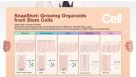 挂图SnapShot: Growing Organoids from Stem Cells Key culture conditions and organoid-forming cells from a variety of epithelial tissues

 沪公网安备31010102008431号