Reuben JM et al. (JUL 2011)
European journal of cancer (Oxford,England : 1990) 47 10 1527--36
Primary breast cancer patients with high risk clinicopathologic features have high percentages of bone marrow epithelial cells with ALDH activity and CD44-CD24lo cancer stem cell phenotype.
BACKGROUND: Cancer stem cells (CSCs) are purported to be epithelial tumour cells expressing CD44(+)CD24(lo) that exhibit aldehyde dehydrogenase activity (Aldefluor(+)). We hypothesised that if CSCs are responsible for tumour dissemination,disseminated cells in the bone marrow (BM) would be positive for putative breast CSC markers. Therefore,we assessed the presence of Aldefluor(+) epithelial (CD326(+)CD45(dim)) cells for the presence of the CD44(+)CD24(lo) phenotype in BM of patients with primary breast cancer (PBC). METHODS: BM aspirates were collected at the time of surgery from 66 patients with PBC. Thirty patients received neoadjuvant chemotherapy (NACT) prior to aspiration. BM was analysed for Aldefluor(+) epithelial cells with or without CD44(+)CD24(lo) expression by flow cytometry. BM aspirates from three healthy donors (HD) were subjected to identical processing and analyses and served as controls. RESULTS: Patients with triple-receptor-negative (TN) tumours had a significantly higher median percentage of CD44(+)CD24(lo) CSC within Aldefluor(+) epithelial cell population than patients with other immunohistochemical subtypes (P=0.018). Patients with TN tumours or with pN2 or higher pathologic nodal status were more likely to have a proportion of CD44(+)CD24(lo) CSC within Aldefluor(+) epithelial cell population above the highest level of HD. Furthermore,patients who received NACT were more likely to have percentages of Aldefluor(+) epithelial cells than the highest level of HD (P=0.004). CONCLUSION: The percentage of CD44(+)CD24(lo) CSC in the BM is higher in PBC patients with high risk tumour features. The selection or enrichment of Aldefluor(+) epithelial cells by NACT may represent an opportunity to target these cells with novel therapies.
View Publication
产品号#:
01700
01705
01702
产品名:
ALDEFLUOR™ 试剂盒
ALDEFLUOR™ DEAB试剂, 1.5 mM, 1 mL
ALDEFLUOR™检测缓冲液
Buckley NE et al. (MAR 2011)
Cancer research 71 5 1933--44
The DeltaNp63 proteins are key allies of BRCA1 in the prevention of basal-like breast cancer.
Little is known about the origin of basal-like breast cancers,an aggressive disease that is highly similar to BRCA1-mutant breast cancers. p63 family proteins that are structurally related to the p53 suppressor protein are known to function in stem cell regulation and stratified epithelia development in multiple tissues,and p63 expression may be a marker of basal-like breast cancers. Here we report that ΔNp63 isoforms of p63 are transcriptional targets for positive regulation by BRCA1. Our analyses of breast cancer tissue microarrays and BRCA1-modulated breast cancer cell lines do not support earlier reports that p63 is a marker of basal-like or BRCA1 mutant cancers. Nevertheless,we found that BRCA1 interacts with the specific p63 isoform ΔNp63γ along with transcription factor isoforms AP-2α and AP-2γ. BRCA1 required ΔNp63γ and AP-2γ to localize to an intronic enhancer region within the p63 gene to upregulate transcription of the ΔNp63 isoforms. In mammary stem/progenitor cells,siRNA-mediated knockdown of ΔNp63 expression resulted in genomic instability,increased cell proliferation,loss of DNA damage checkpoint control,and impaired growth control. Together,our findings establish that transcriptional upregulation of ΔNp63 proteins is critical for BRCA1 suppressor function and that defects in BRCA1-ΔNp63 signaling are key events in the pathogenesis of basal-like breast cancer.
View Publication
产品号#:
01700
01705
01702
产品名:
ALDEFLUOR™ 试剂盒
ALDEFLUOR™ DEAB试剂, 1.5 mM, 1 mL
ALDEFLUOR™检测缓冲液
Liu C et al. (MAY 2012)
Molecular biology reports 39 5 5875--81
Co-expression of Oct-4 and Nestin in human breast cancers.
The aim is to investigate the clinical implications of the Oct-4 and Nestin protein in human breast cancers. A total of 346 cases including 26 fresh and 320 paraffin-embedded tumor tissues were selected for characterizing the frequency of CD44(+)CD24(-) tumor cells by flow cytometry and the differential expression of the stem cell-related genes between CD44(+)CD24(-) and non-CD44(+)CD24(-) tumor cells was analyzed by PCR Array and immunofluorescence. In comparison with the non-CD44(+)CD24(-) tumor cells,the CD44(+)CD24(-),particularly for those with high percentage of Oct-4(+) and Nestin(+),tumor cells had higher tumorigenicity by forming mammospheres in vitro. More importantly,42 (13.125%) out of 320 tumor tissues were positive for Oct-4 and Nestin staining. Universal analysis and multivariate analysis revealed that the expression of Oct-4 and Nestin was associated significantly with younger age,pathogenic degrees,lymph node metastasis and triple-negative breast cancer independently (P textless 0.05) as well as shorter survival (P = 0.001). Oct-4 and Nestin were important regulators of the development of breast cancer,and Oct-4 and Nestin may be used as predictors for the prognosis of breast cancers.
View Publication
Speen AM et al. ( 2016)
Journal of Biological Chemistry 291 48 25192--25206
Ozone-derived oxysterols affect liver X receptor (LXR) signaling: A potential role for lipid-protein adducts
When inhaled,ozone (O3) interacts with cholesterols of airway epithelial cell membranes or the lung lining fluid,generating chemically reactive oxysterols. The mechanism by which O3-derived oxysterols affect molecular function is unknown. Our data show that in vitro exposure of human bronchial epithelial cells to O3 results in the formation of oxysterols,epoxycholesterol-α and β (α-EpCh,β-EpCh) and Secosterol A and B (Seco A,SecoB),in cell lysates and apical washes. Similarly,bronchoalveolar lavage fluid obtained from human volunteers exposed to O3 contained elevated levels of these oxysterol species. As expected,O3-derived oxysterols have a pro-inflammatory effect and increase NF-κB activity. Interestingly,expression of the cholesterol efflux pump ATP-binding cassette transporter 1 (ABCA1),which is regulated by activation of the liver X receptor (LXR),was suppressed in epithelial cells exposed to O3. Additionally,exposure of LXR knockout mice to O3 enhanced pro-inflammatory cytokine production in the lung,suggesting LXR inhibits O3-induced inflammation. Using alkynyl surrogates of O3-derived oxysterols,our data demonstrate adduction of LXR with Seco A. Similarly,supplementation of epithelial cells with alkynyl-tagged cholesterol followed by O3 exposure causes observable lipid-LXR adduct formation. Experiments using Seco A and the LXR agonist T0901317 (T09) showed reduced expression of ABCA1 as compared to stimulation with T09 alone,indicating that Seco A-LXR protein adduct formation inhibits LXR activation by traditional agonists. Overall,these data demonstrate that O3-derived oxysterols have pro-inflammatory functions and form lipid-protein adducts with LXR,thus leading to suppressed cholesterol regulatory gene expression and providing a biochemical mechanism mediating O3-derived formation of oxidized lipids in the airways and subsequent adverse health effects.
View Publication
产品号#:
05001
05021
05022
产品名:
PneumaCult™-ALI 培养基
PneumaCult™-ALI 培养基含12 mm Transwell®插件
PneumaCult™-ALI 培养基含6.5 mm Transwell®插件
Wu Q et al. (NOV 2017)
American journal of physiology. Lung cellular and molecular physiology 30-Nov ajplung003242017
Over-production of growth differentiation factor 15 (GDF15) promotes human rhinovirus infection and virus-induced inflammation in the lung.
Human rhinovirus (HRV) is the most common virus contributing to acute exacerbations of chronic obstructive pulmonary disease (COPD) nearly year-round,but the mechanisms have not been well elucidated. Recent clinical studies suggest that high levels of growth differentiation factor 15 (GDF15) protein in the blood are associated with an increased yearly rate of all-cause COPD exacerbations. Therefore,in the current study,we investigated whether GDF15 promotes HRV infection and virus-induced lung inflammation. We first examined the role of GDF15 in regulating host defense and HRV-induced inflammation using human GDF15 transgenic mice and cultured human GDF15 transgenic mouse tracheal epithelial cells. Next,we determined the effect of GDF15 on viral replication,antiviral responses,and inflammation in human airway epithelial cells with GDF15 knockdown and HRV infection. Finally,we explored the signaling pathways involved in airway epithelial responses to HRV infection in the context of GDF15. Human GDF15 protein over-expression in mice led to exaggerated inflammatory responses to HRV,increased infectious particle release,and decreased IFN-λ2/3 (IL-28A/B) mRNA expression in the lung. Moreover,GDF15 facilitated HRV replication and inflammation via inhibiting IFN-λ1/IL-29 protein production in human airway epithelial cells. Lastly,Smad1 cooperated with interferon regulatory factor 7 (IRF7) to regulate airway epithelial responses to HRV infection partly via GDF15 signaling. Our results reveal a novel function of GDF15 in promoting lung HRV infection and virus-induced inflammation,which may be a new mechanism for the increased susceptibility and severity of respiratory viral (i.e.,HRV) infection in cigarette smoke-exposed airways with GDF15 over-production.
View Publication
产品号#:
05001
05021
05022
产品名:
PneumaCult™-ALI 培养基
PneumaCult™-ALI 培养基含12 mm Transwell®插件
PneumaCult™-ALI 培养基含6.5 mm Transwell®插件
Zhu S et al. (JUN 2017)
Nature 546 7660 667--670
Nlrp9b inflammasome restricts rotavirus infection in intestinal epithelial cells.
Rotavirus,a leading cause of severe gastroenteritis and diarrhoea in young children,accounts for around 215,000 deaths annually worldwide. Rotavirus specifically infects the intestinal epithelial cells in the host small intestine and has evolved strategies to antagonize interferon and NF-κB signalling,raising the question as to whether other host factors participate in antiviral responses in intestinal mucosa. The mechanism by which enteric viruses are sensed and restricted in vivo,especially by NOD-like receptor (NLR) inflammasomes,is largely unknown. Here we uncover and mechanistically characterize the NLR Nlrp9b that is specifically expressed in intestinal epithelial cells and restricts rotavirus infection. Our data show that,via RNA helicase Dhx9,Nlrp9b recognizes short double-stranded RNA stretches and forms inflammasome complexes with the adaptor proteins Asc and caspase-1 to promote the maturation of interleukin (Il)-18 and gasdermin D (Gsdmd)-induced pyroptosis. Conditional depletion of Nlrp9b or other inflammasome components in the intestine in vivo resulted in enhanced susceptibility of mice to rotavirus replication. Our study highlights an important innate immune signalling pathway that functions in intestinal epithelial cells and may present useful targets in the modulation of host defences against viral pathogens.
View Publication
产品号#:
06005
产品名:
IntestiCult™ 类器官生长培养基 (小鼠)
J. Wang et al. (JAN 2018)
Gastroenterology 154 6 1737--1750
Ceragenin CSA13 Reduces Clostridium difficile Infection in Mice by Modulating the Intestinal Microbiome and Metabolites.
BACKGROUND & AIMS Clostridium difficile induces intestinal inflammation by releasing toxins A and B. The antimicrobial compound cationic steroid antimicrobial 13 (CSA13) has been developed for treating gastrointestinal infections. The CSA13-Eudragit formulation can be given orally and releases CSA13 in the terminal ileum and colon. We investigated whether this form of CSA13 reduces C difficile infection (CDI) in mice. METHODS C57BL/6J mice were infected with C difficile on day 0,followed by subcutaneous administration of pure CSA13 or oral administration of CSA13-Eudragit (10 mg/kg/d for 10 days). Some mice were given intraperitoneal vancomycin (50 mg/kg daily) on days 0-4 and relapse was measured after antibiotic withdrawal. The mice were monitored until day 20; colon and fecal samples were collected on day 3 for analysis. Blood samples were collected for flow cytometry analyses. Fecal pellets were collected each day from mice injected with CSA13 and analyzed by high-performance liquid chromatography or 16S sequencing; feces were also homogenized in phosphate-buffered saline and fed to mice with CDI via gavage. RESULTS CDI of mice caused 60{\%} mortality,significant bodyweight loss,and colonic damage 3 days after infection; these events were prevented by subcutaneous injection of CSA13 or oral administration CSA13-Eudragit. There was reduced relapse of CDI after administration of CSA13 was stopped. Levels of CSA13 in feces from mice given CSA13-Eudragit were significantly higher than those of mice given subcutaneous CSA13. Subcutaneous and oral CSA13 each significantly increased the abundance of Peptostreptococcaceae bacteria and reduced the abundance of C difficile in fecal samples of mice. When feces from mice with CDI and given CSA13 were fed to mice with CDI that had not received CSA13,the recipient mice had significantly increased rates of survival. CSA13 reduced fecal levels of inflammatory metabolites (endocannabinoids) and increased fecal levels of 4 protective metabolites (ie,citrulline,3-aminoisobutyric acid,retinol,and ursodeoxycholic acid) in mice with CDI. Oral administration of these CSA13-dependent protective metabolites reduced the severity of CDI. CONCLUSIONS In studies of mice,we found the CSA13-Eudragit formulation to be effective in eradicating CDI by modulating the intestinal microbiota and metabolites.
View Publication
Antiviral response mechanisms in a Jamaican Fruit Bat intestinal organoid model of SARS-CoV-2 infection.
Bats are natural reservoirs for several zoonotic viruses,potentially due to an enhanced capacity to control viral infection. However,the mechanisms of antiviral responses in bats are poorly defined. Here we established a Jamaican fruit bat (JFB) intestinal organoid model of severe acute respiratory syndrome coronavirus-2 (SARS-CoV-2) infection. JFB organoids were susceptible to SARS-CoV-2 infection,with increased viral RNA and subgenomic RNA detected in cell lysates and supernatants. Gene expression of type I interferons and inflammatory cytokines was induced in response to SARS-CoV-2 but not in response to TLR agonists. Interestingly,SARS-CoV-2 did not lead to cytopathic effects in JFB organoids but caused enhanced organoid growth. Proteomic analyses revealed an increase in inflammatory signaling,cell turnover,cell repair,and SARS-CoV-2 infection pathways. Collectively,our findings suggest that primary JFB intestinal epithelial cells can mount a successful antiviral interferon response and that SARS-CoV-2 infection in JFB cells induces protective regenerative pathways.
View Publication


 EasySep™小鼠TIL(CD45)正选试剂盒




 实验方案How to Perform Albumin Detection Assays in Human Hepatic Organoids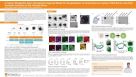

 沪公网安备31010102008431号